







Retablos
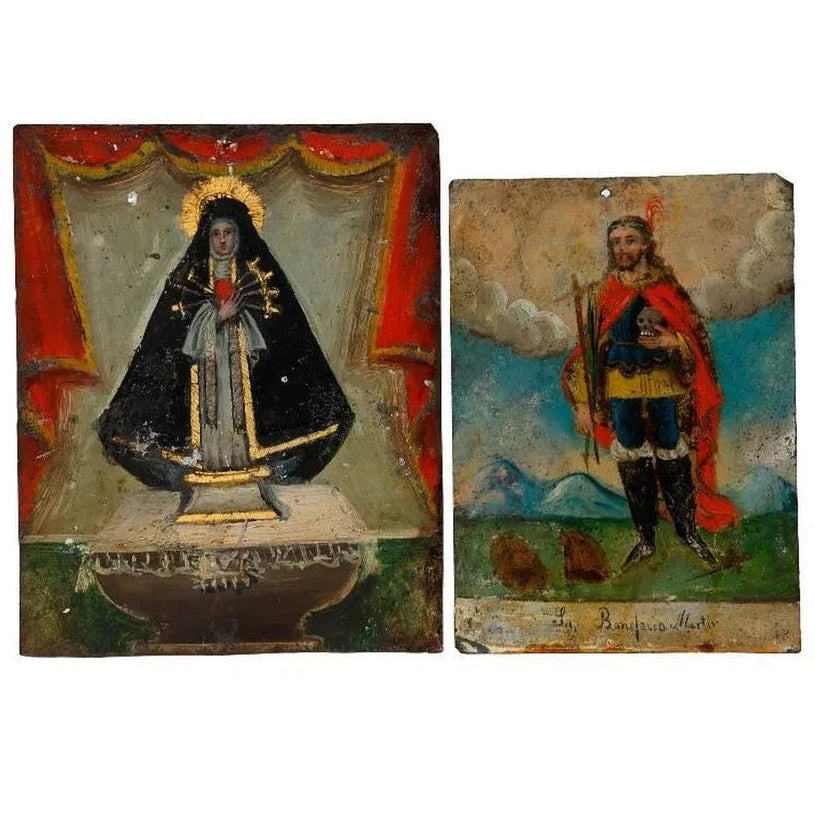
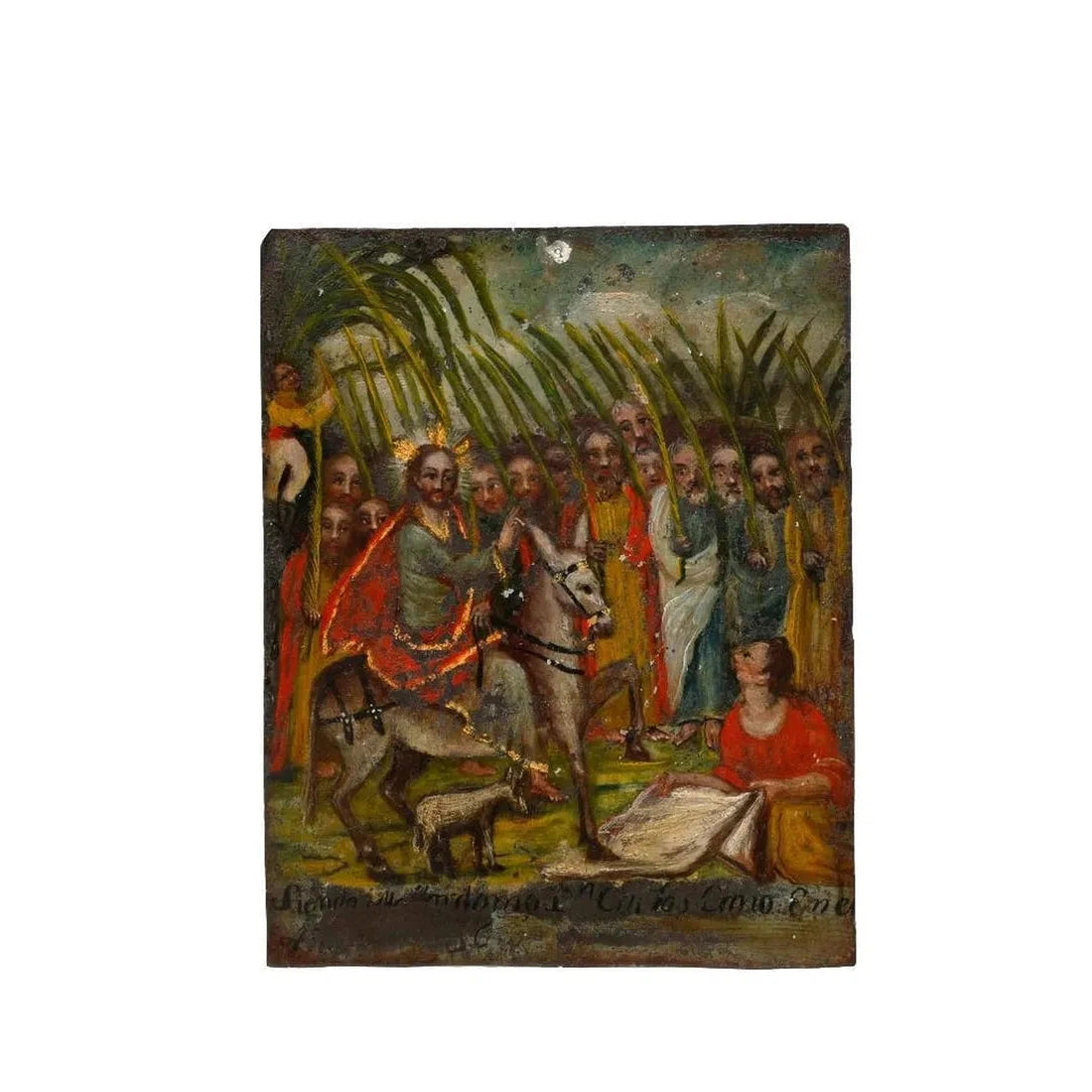
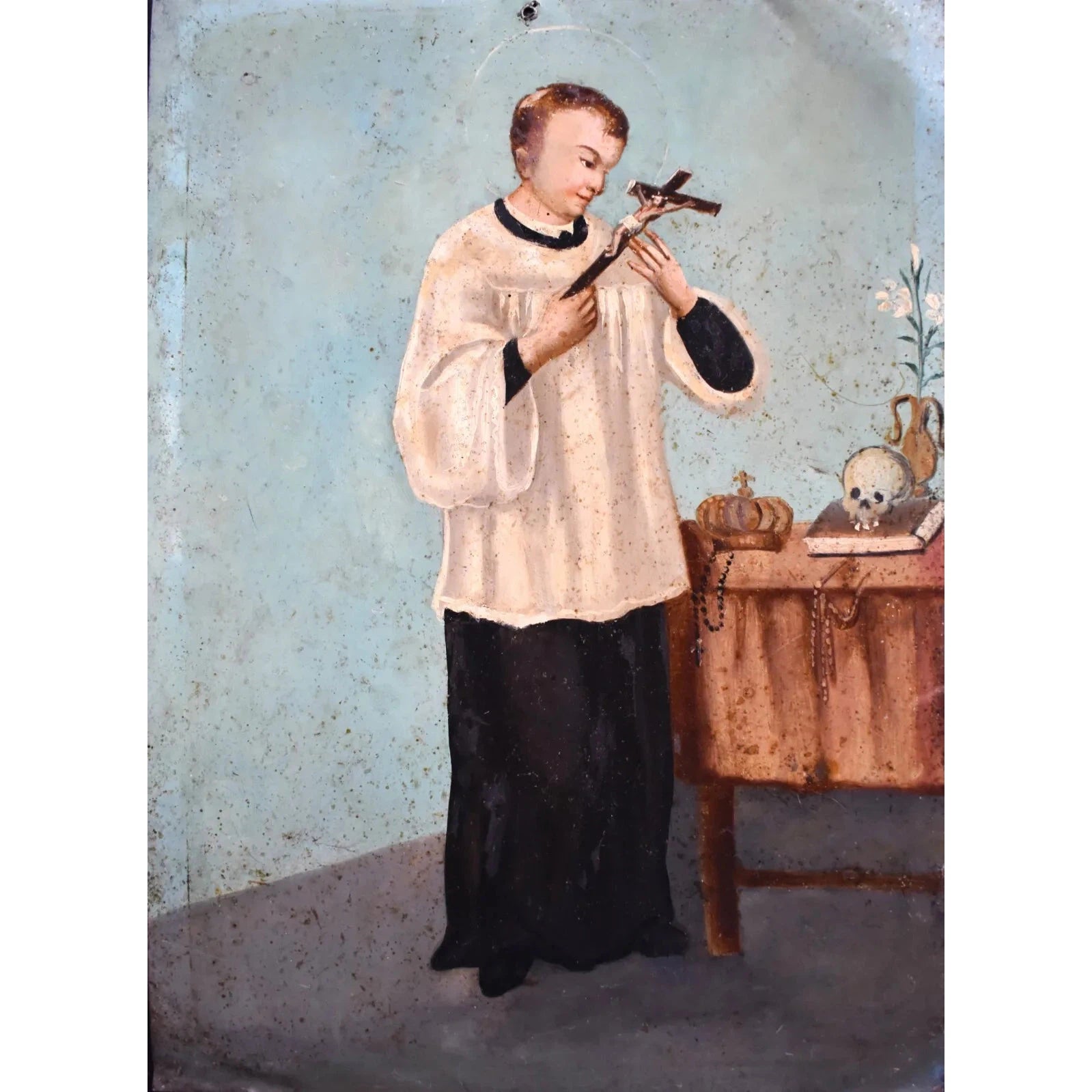
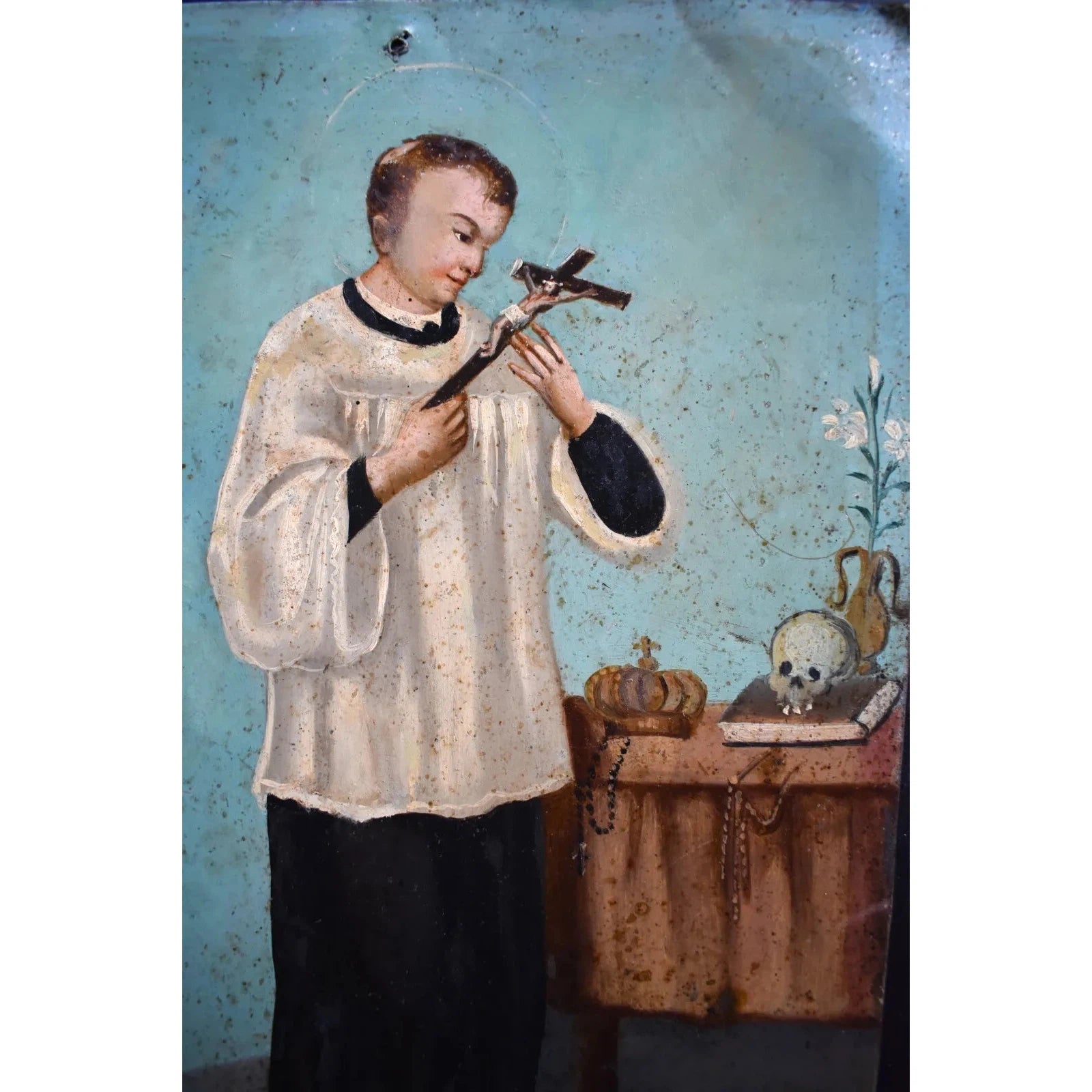
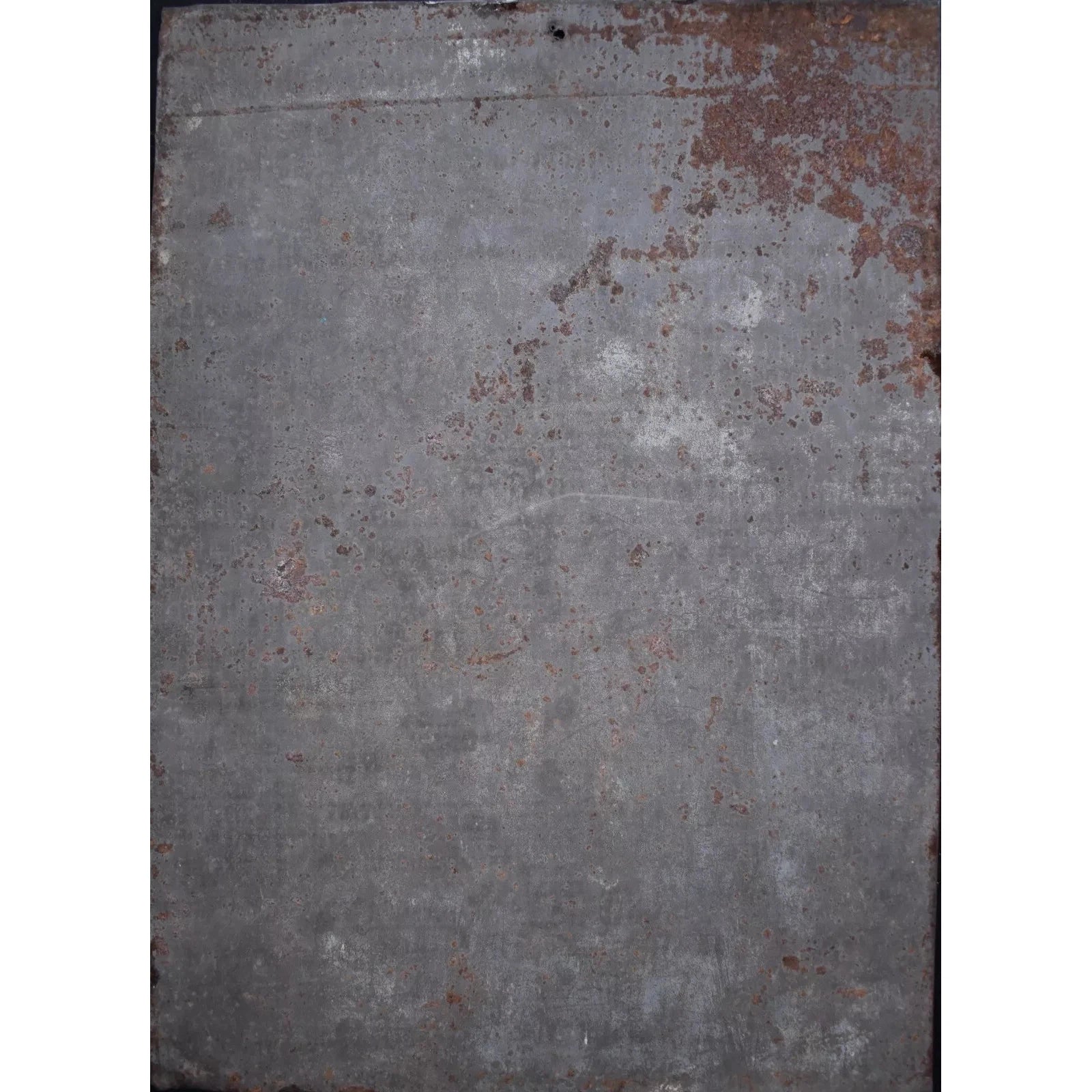
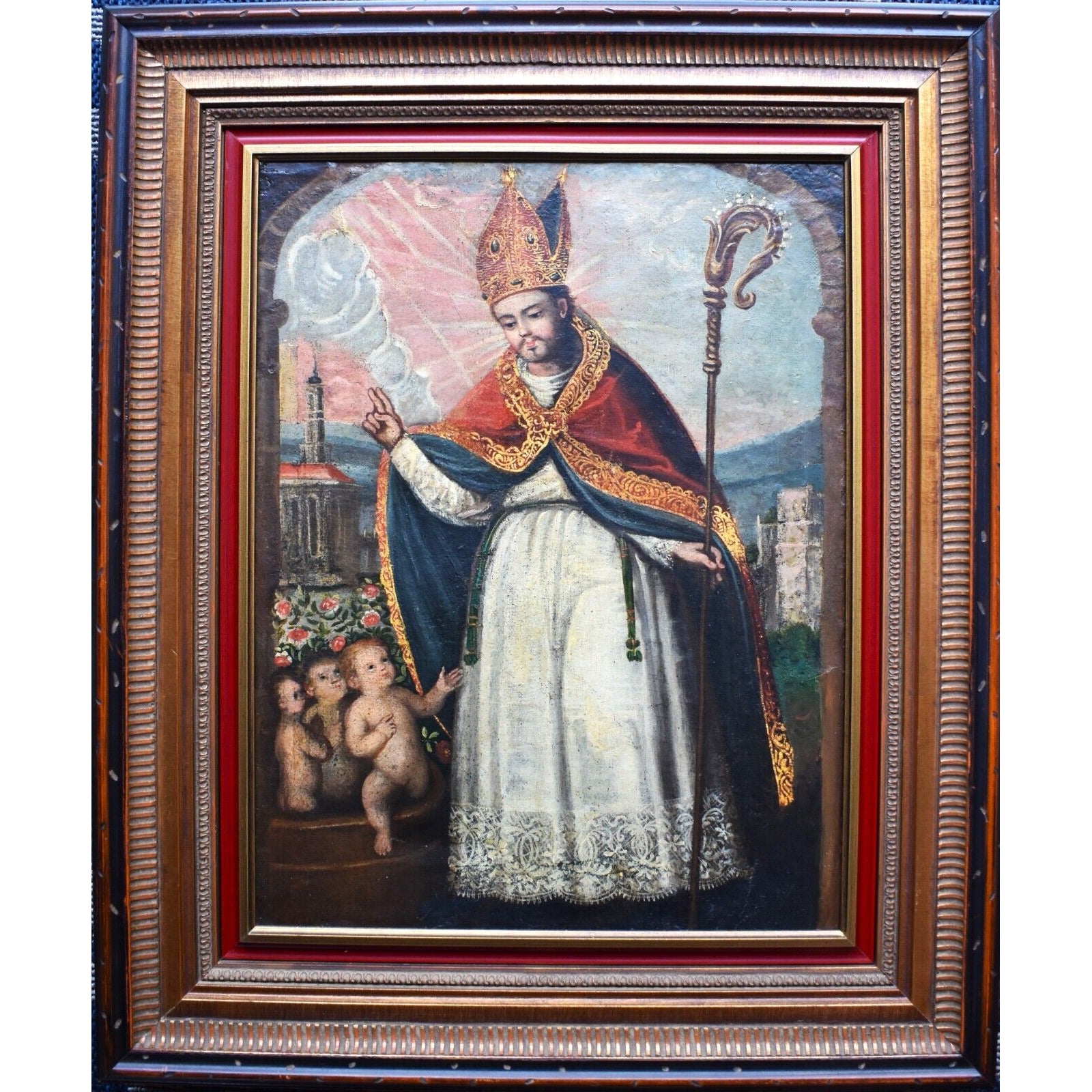
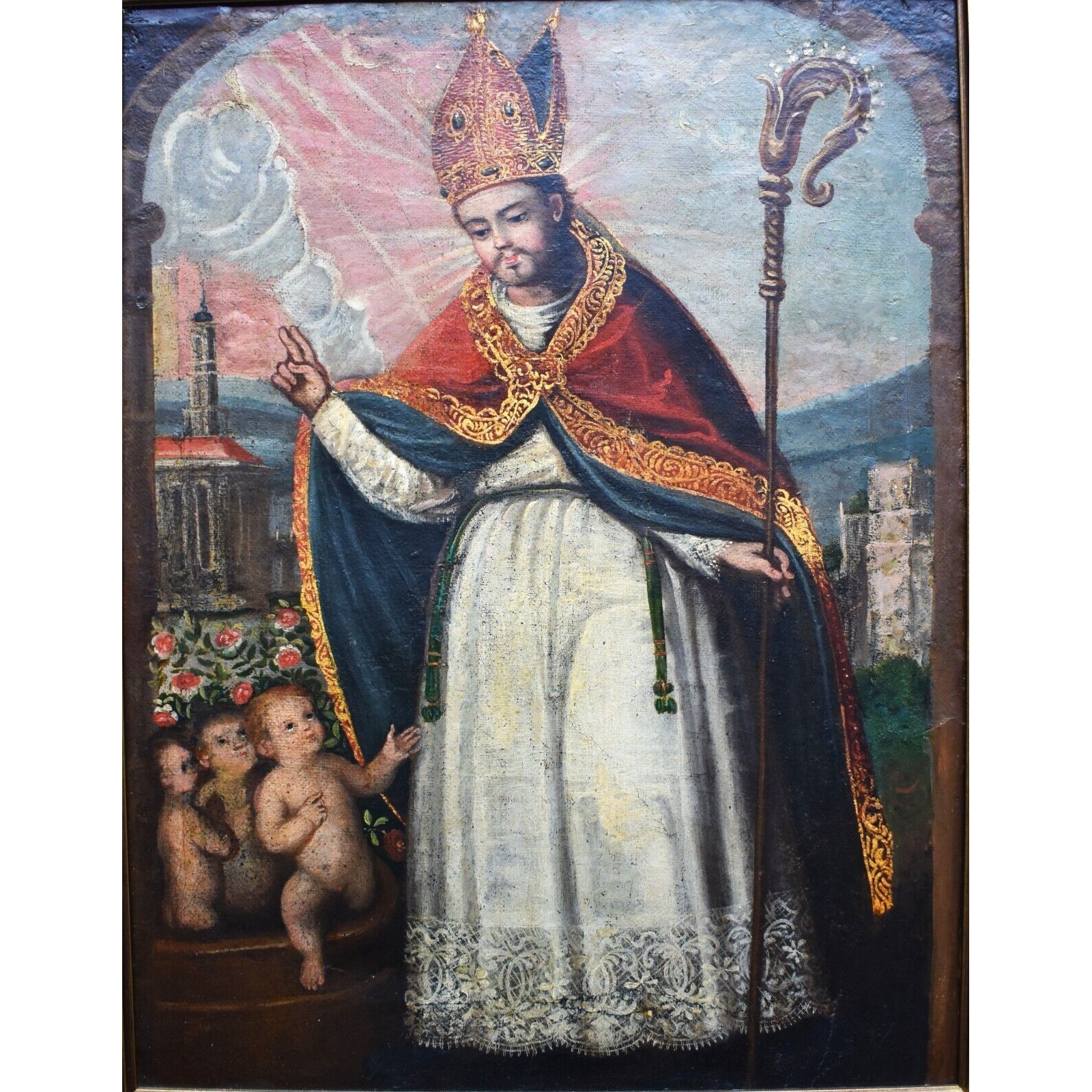
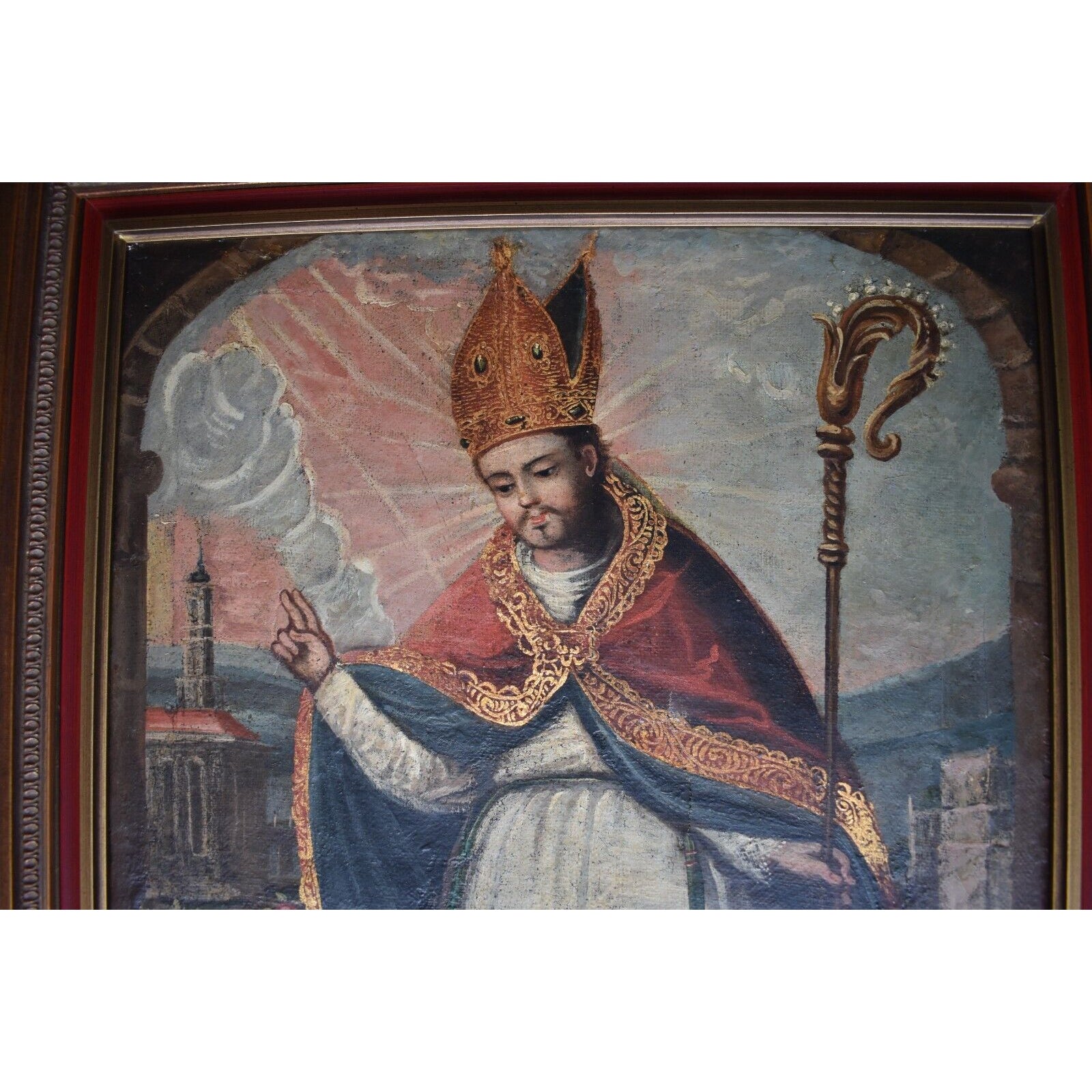
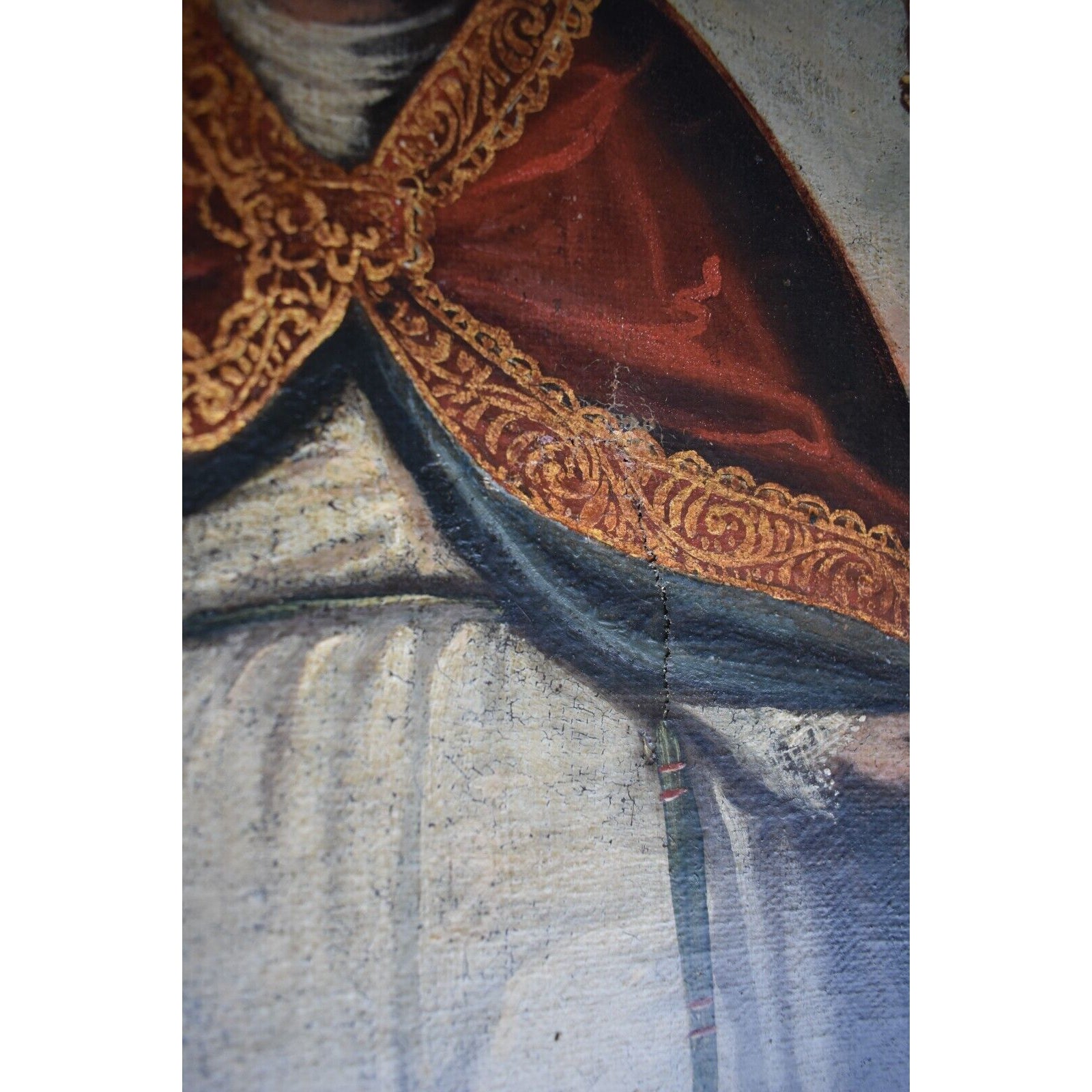
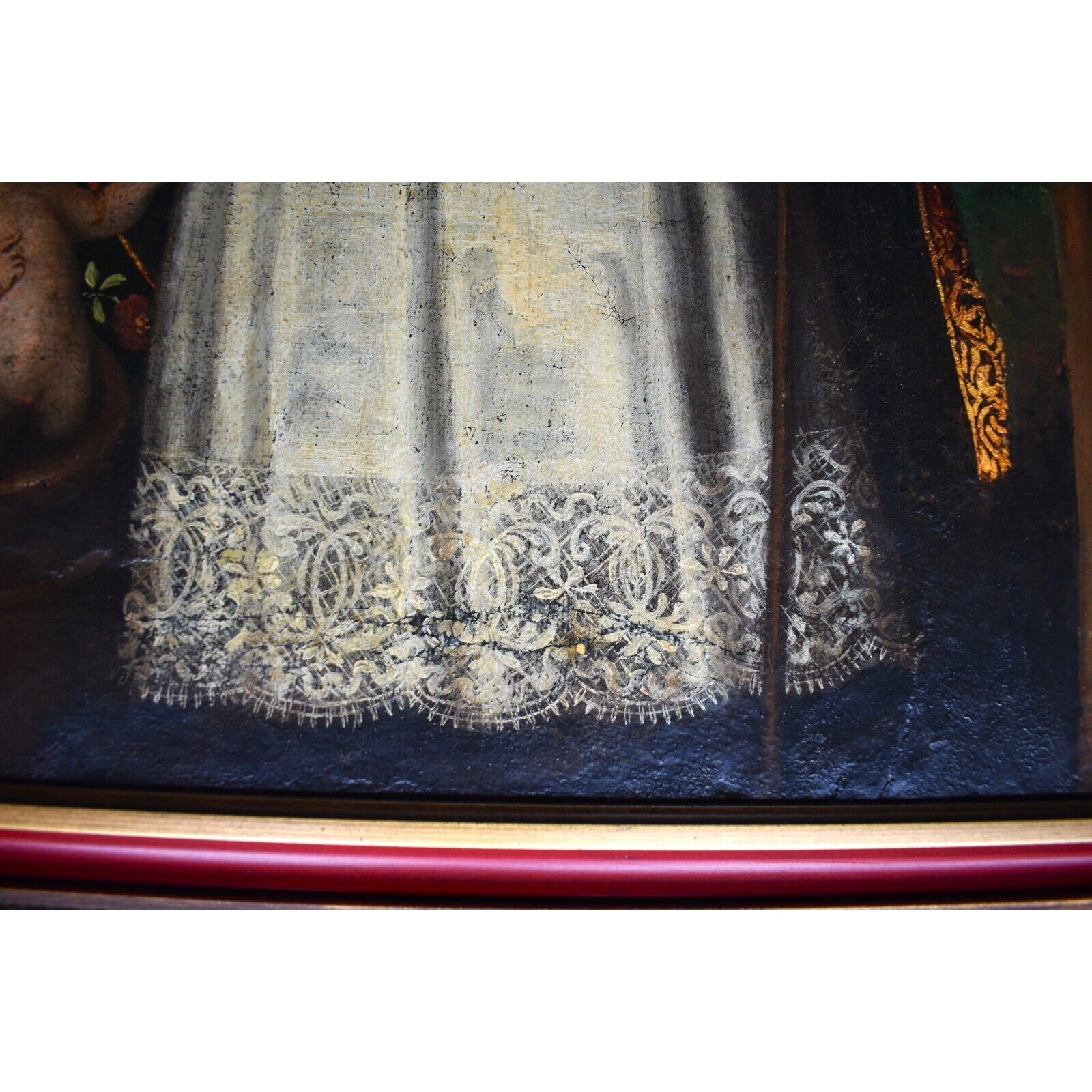
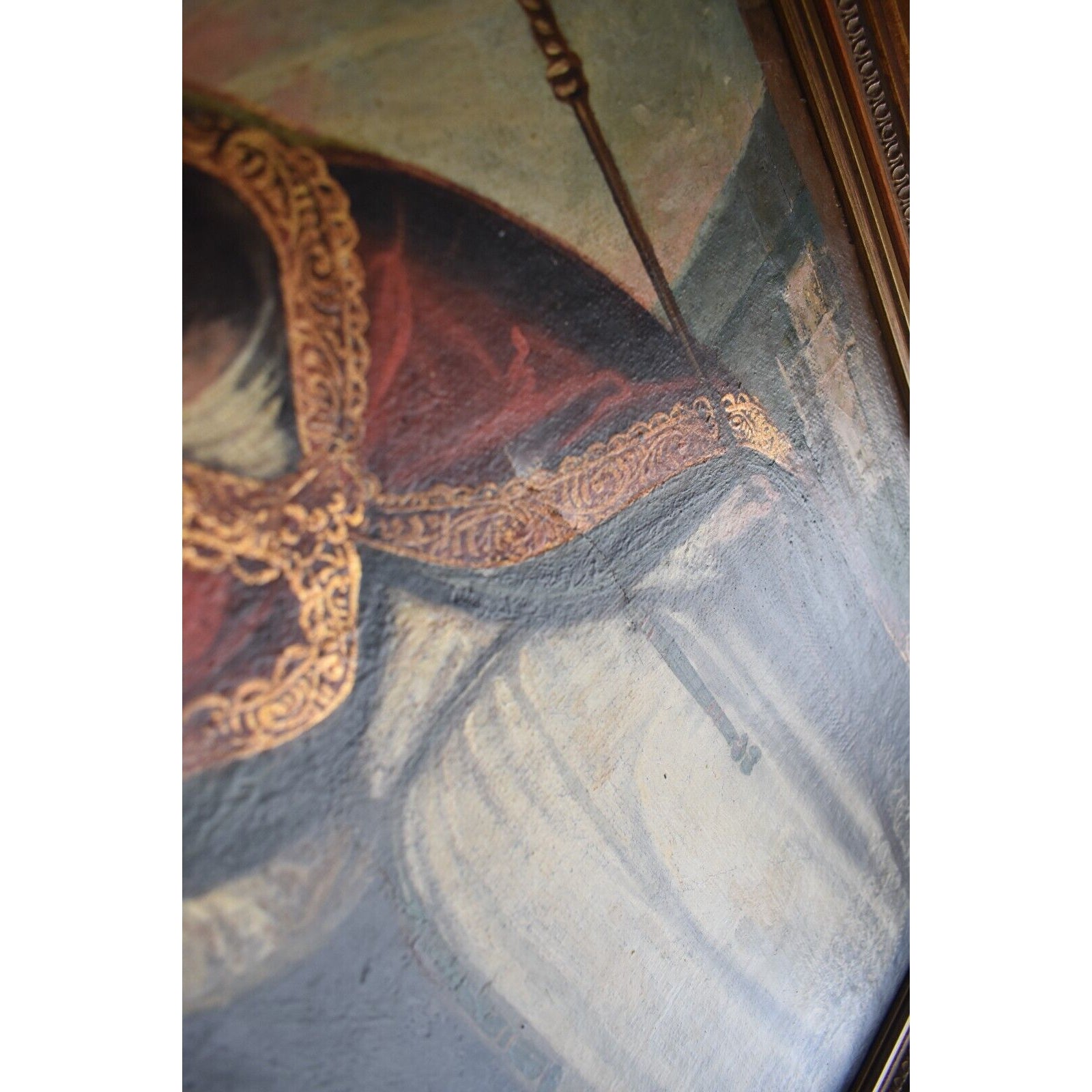
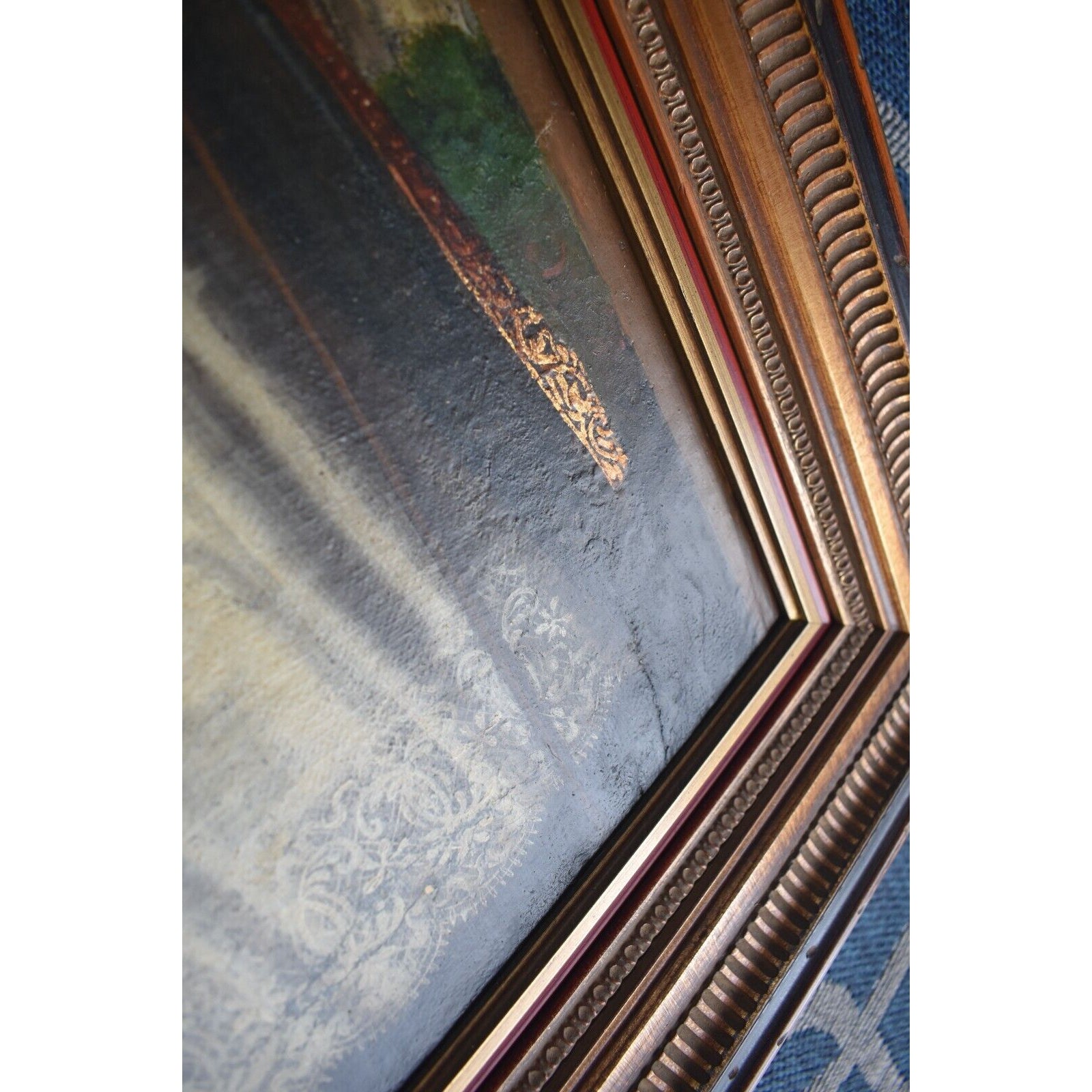
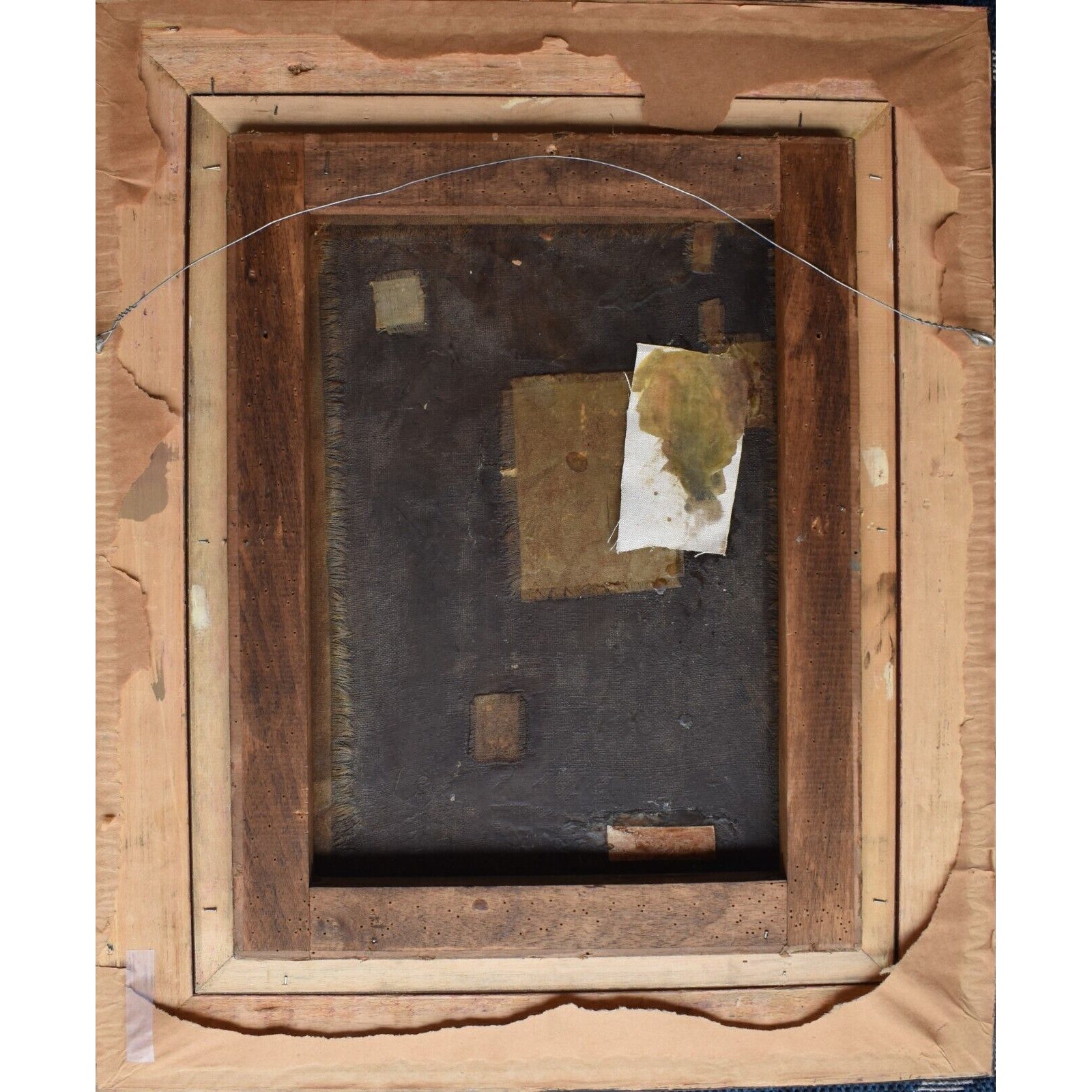
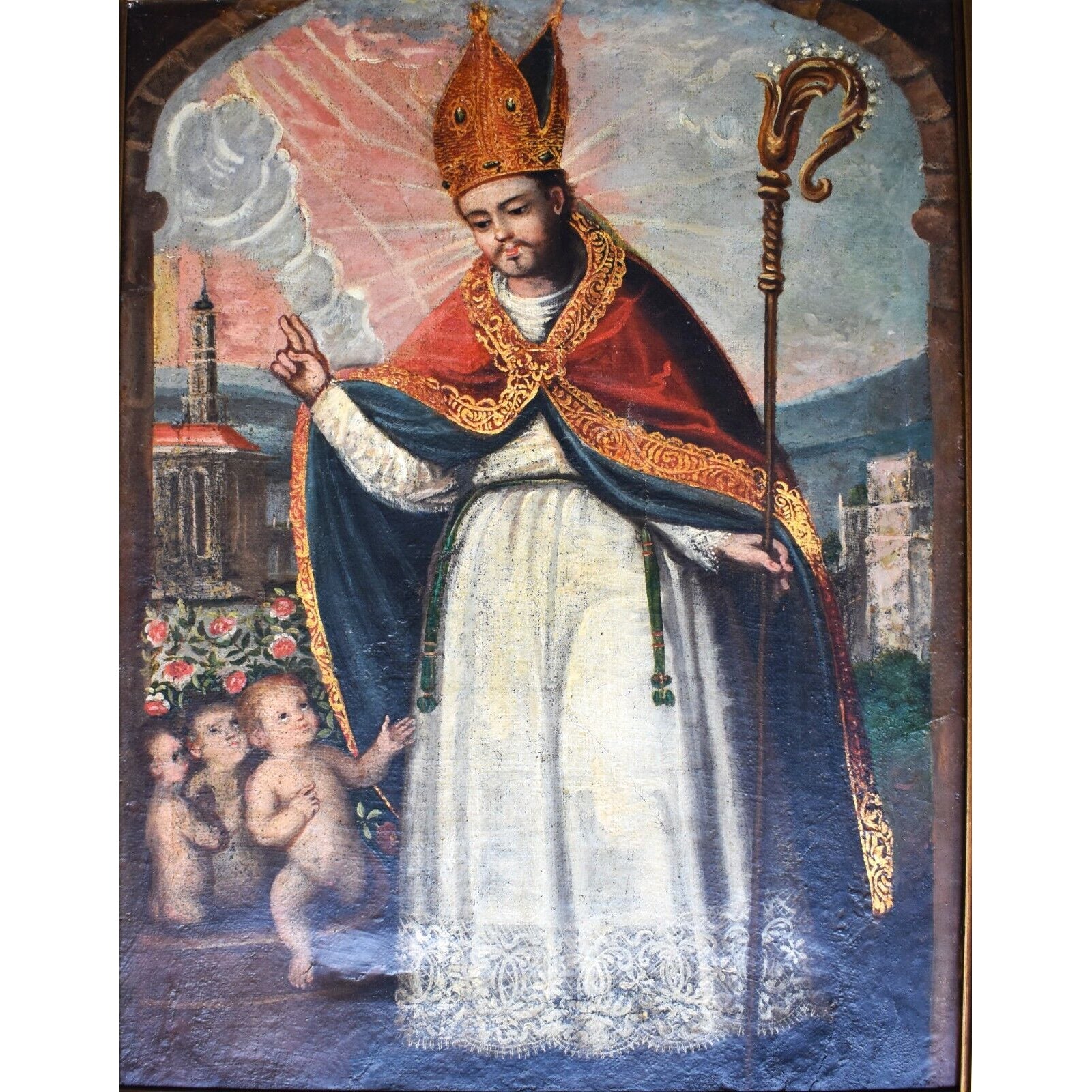
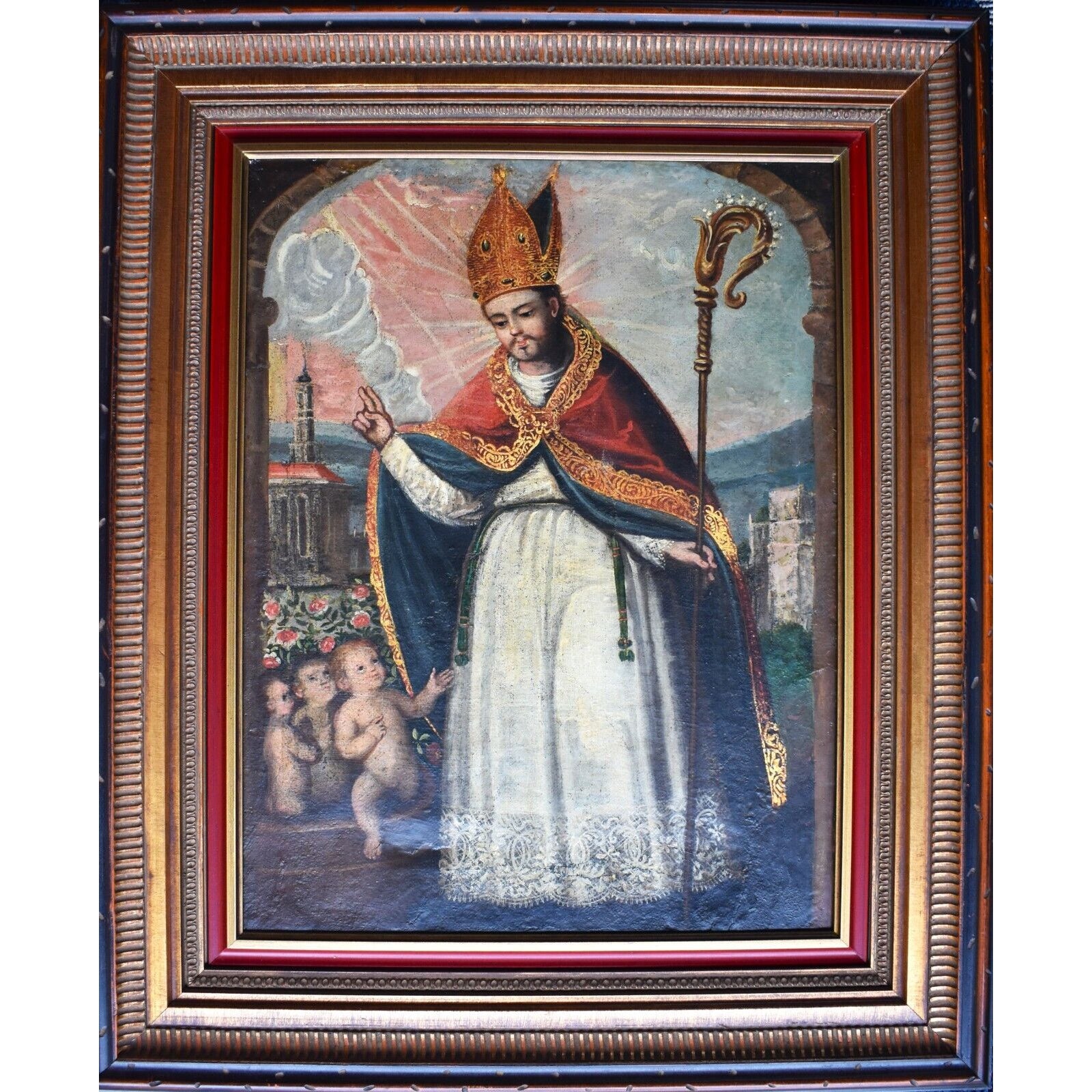
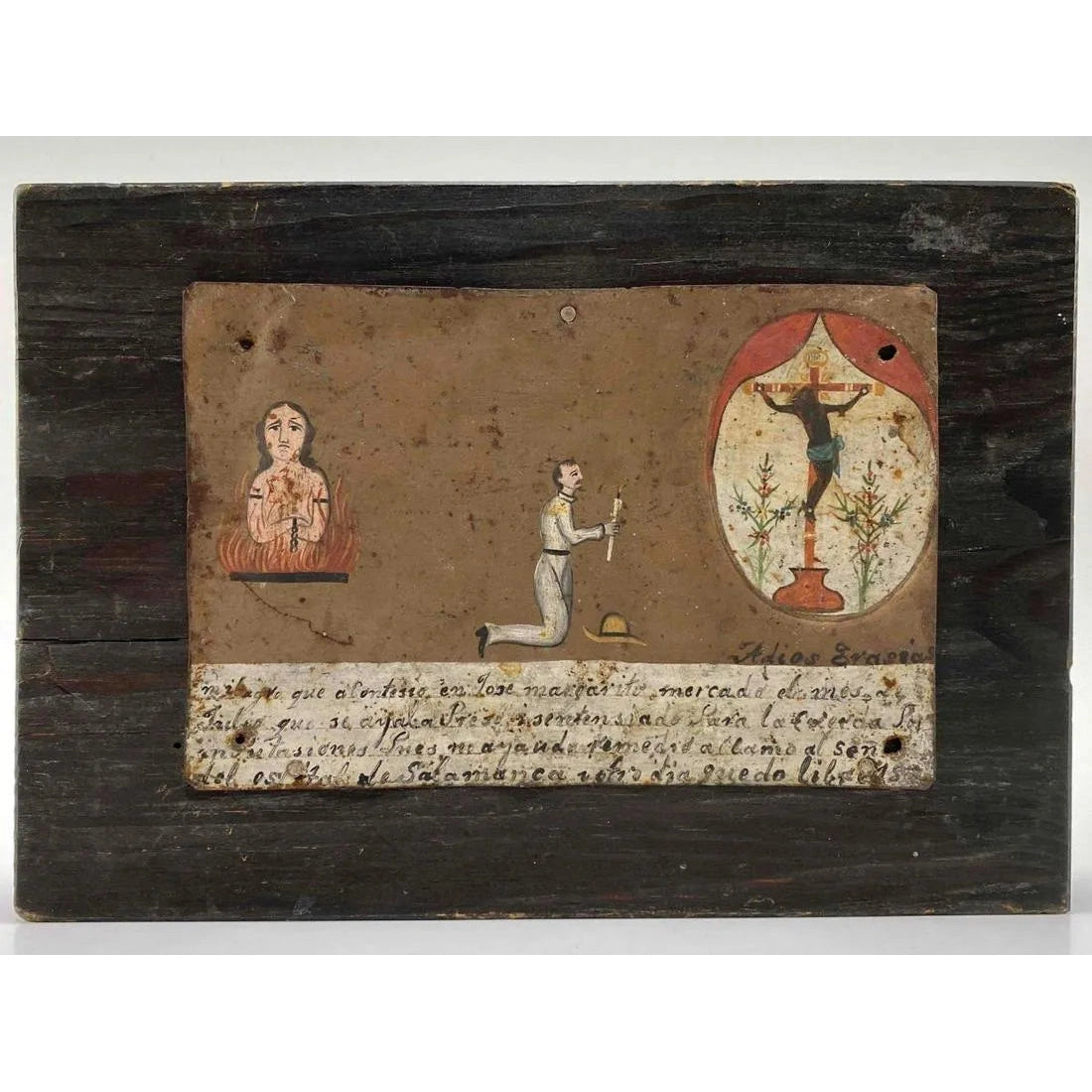
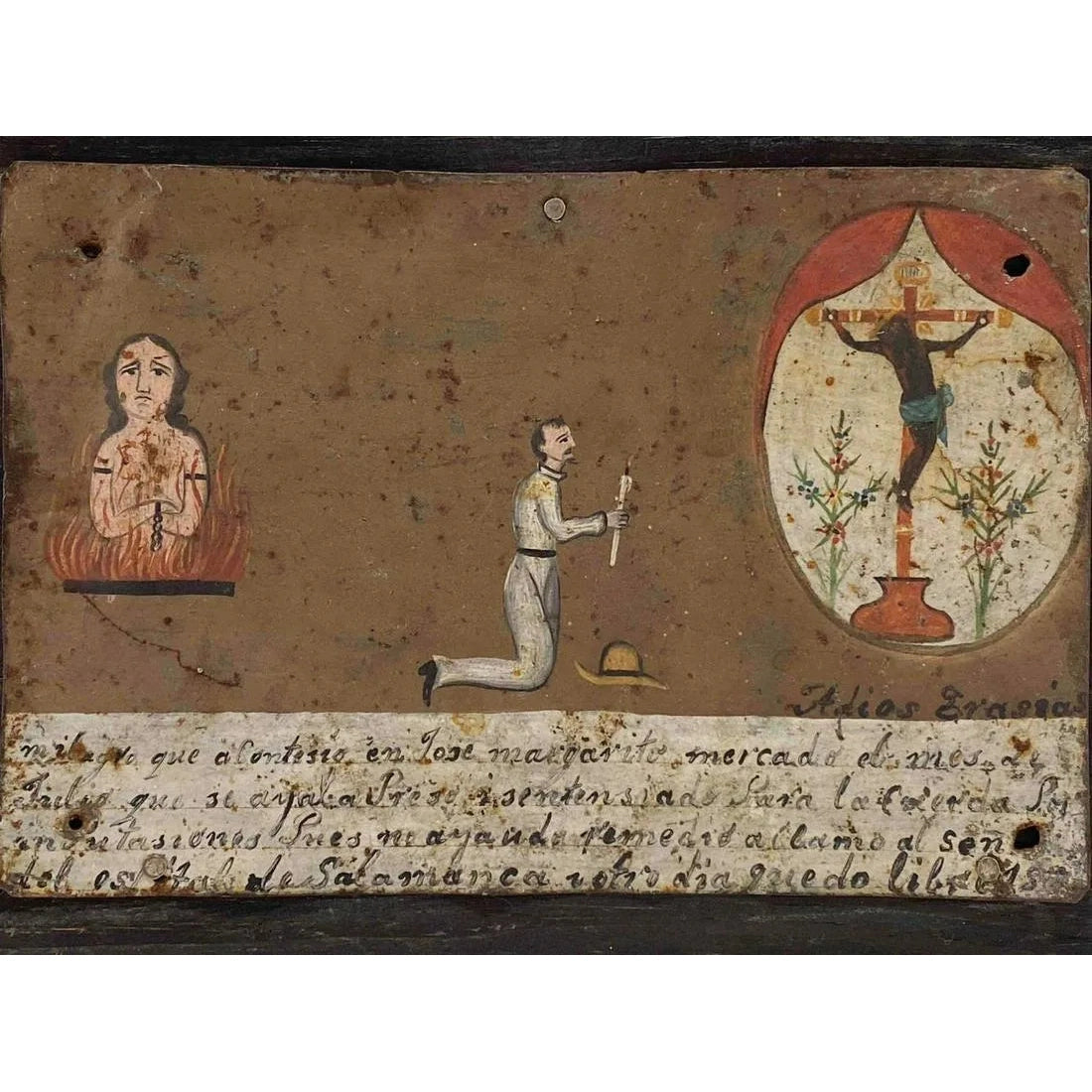
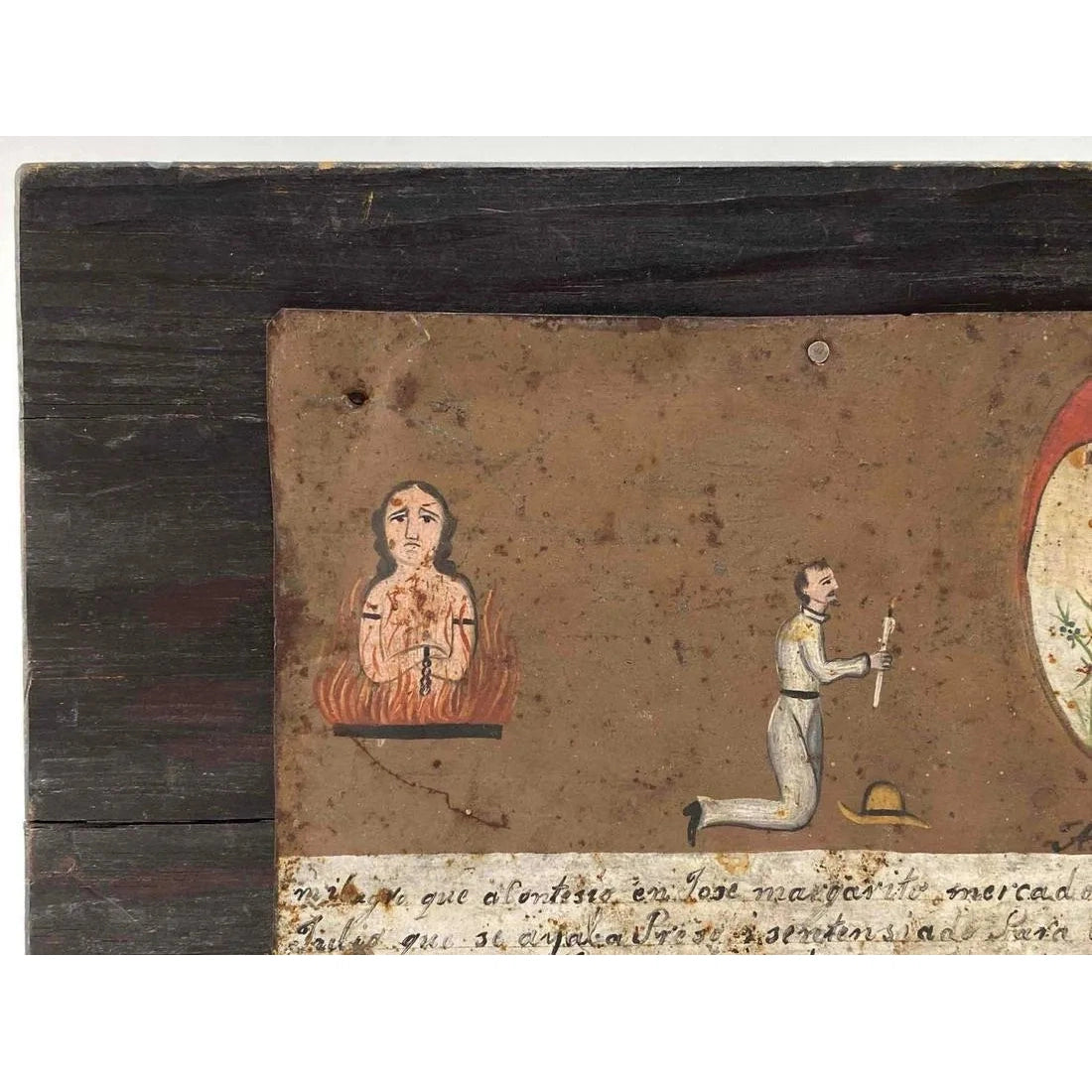
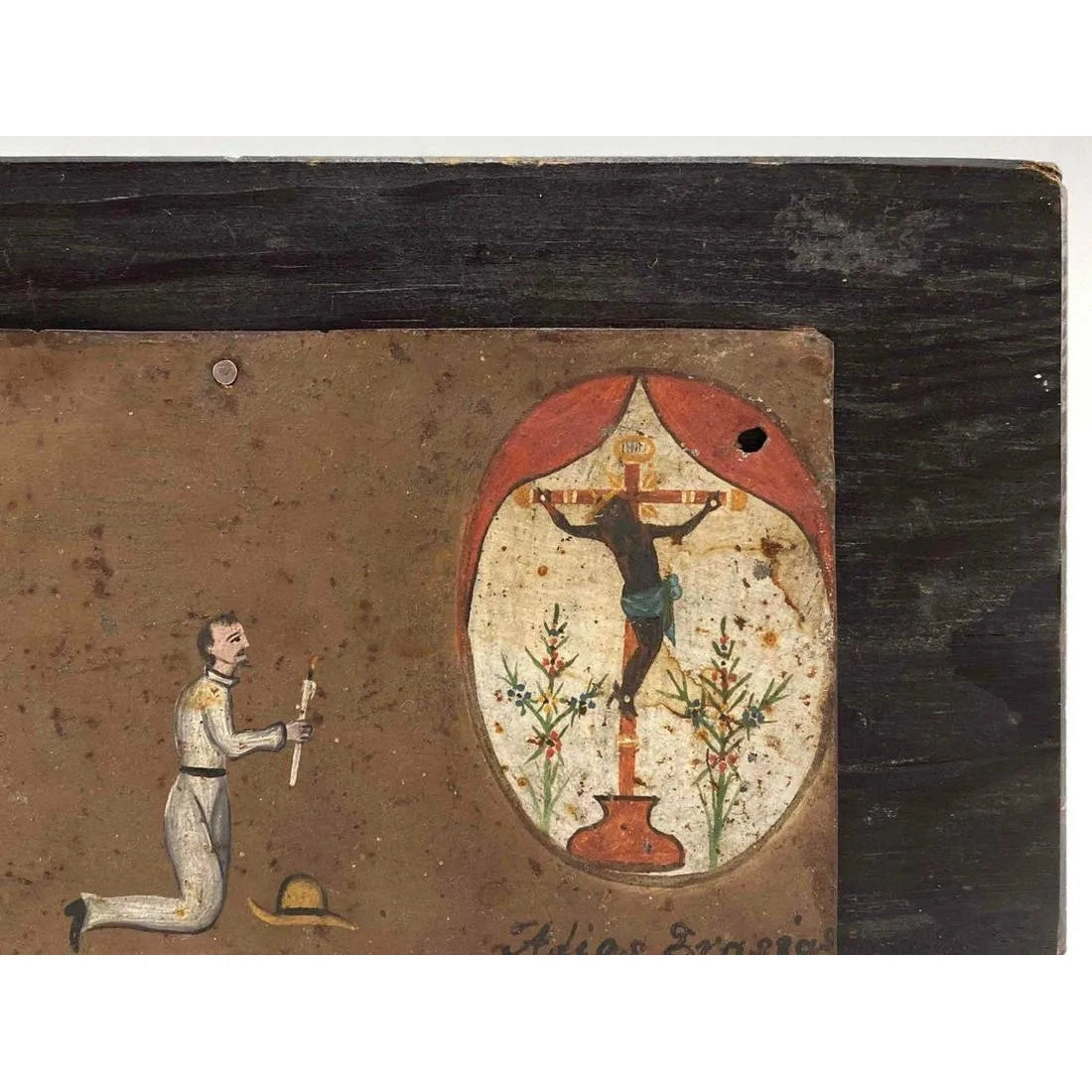
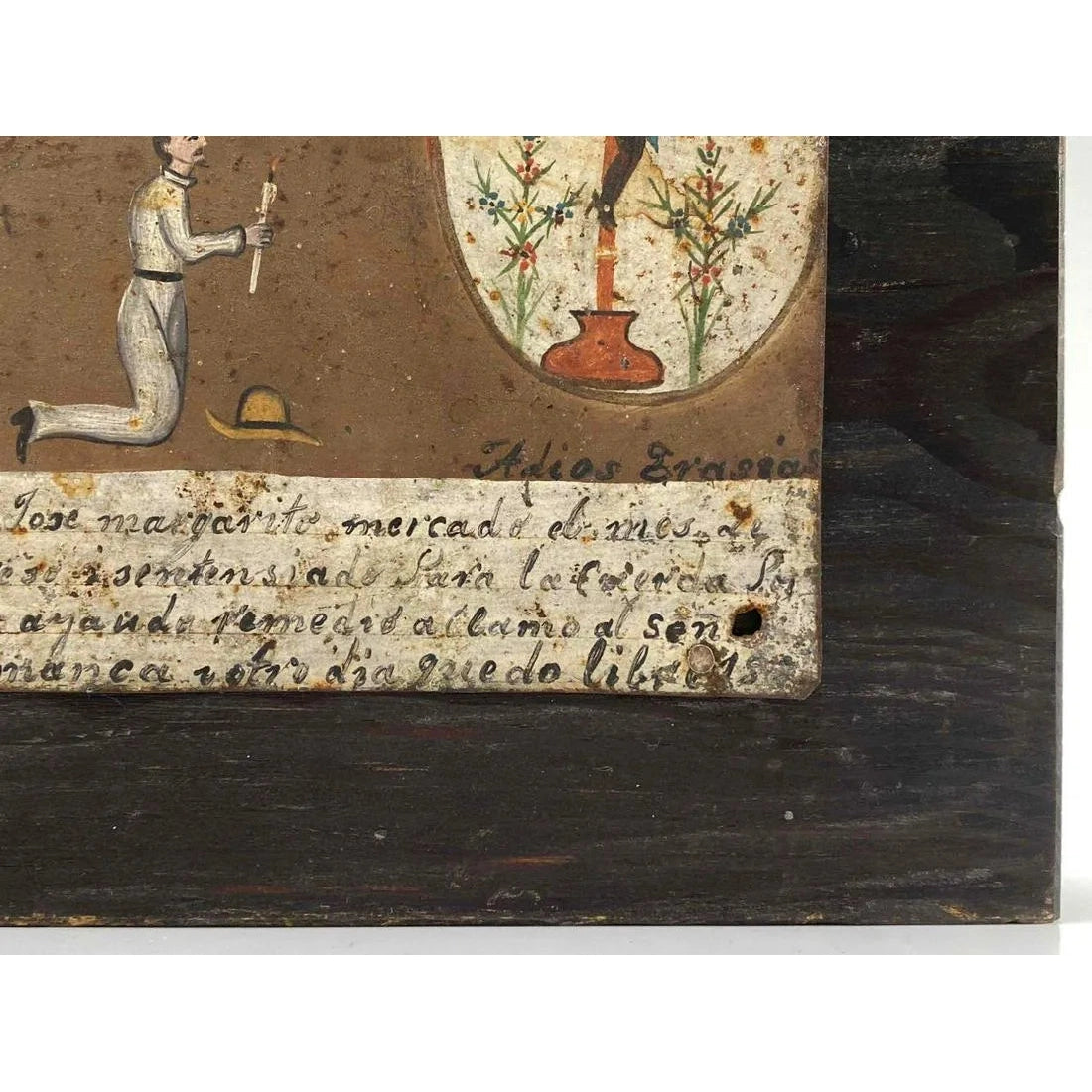
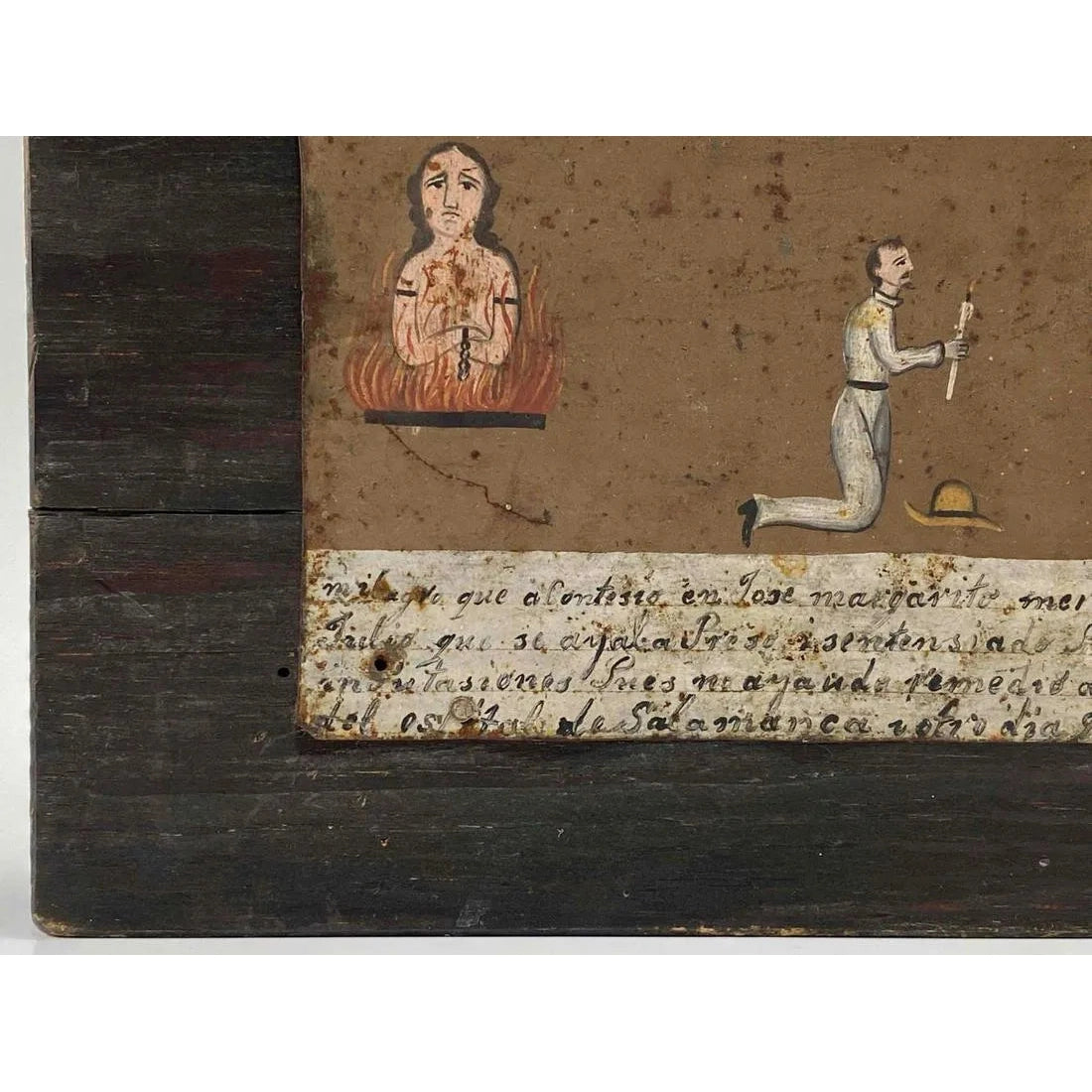
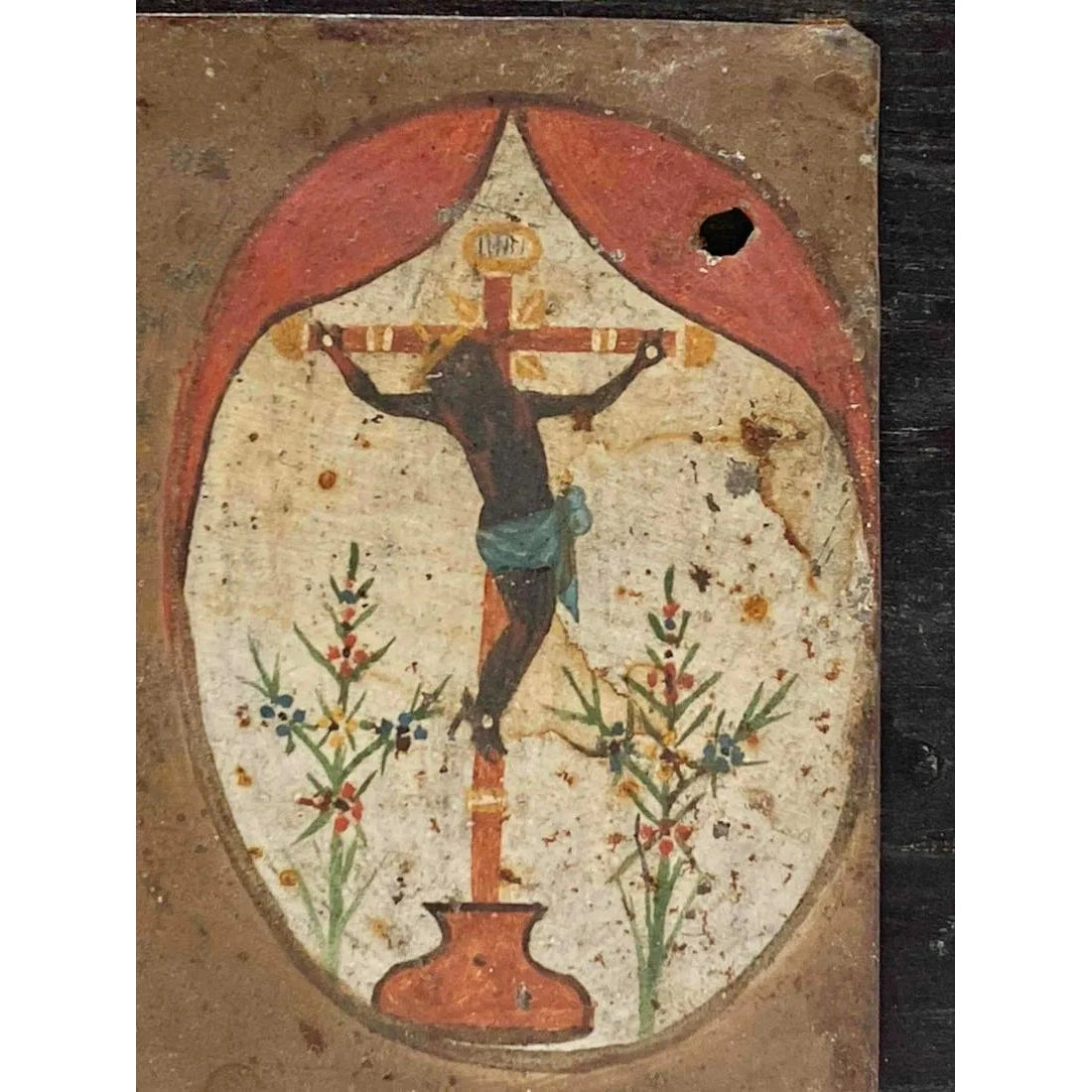
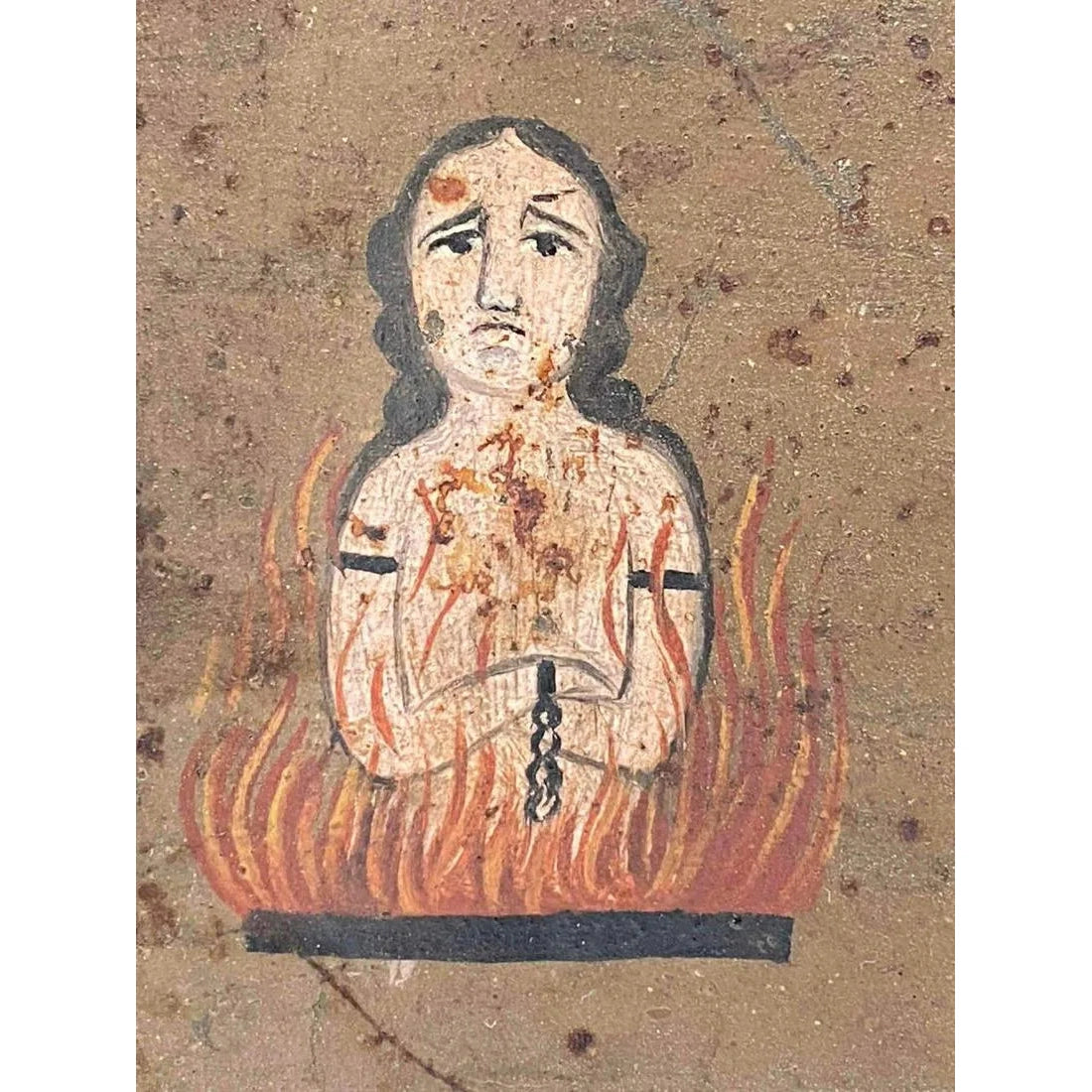
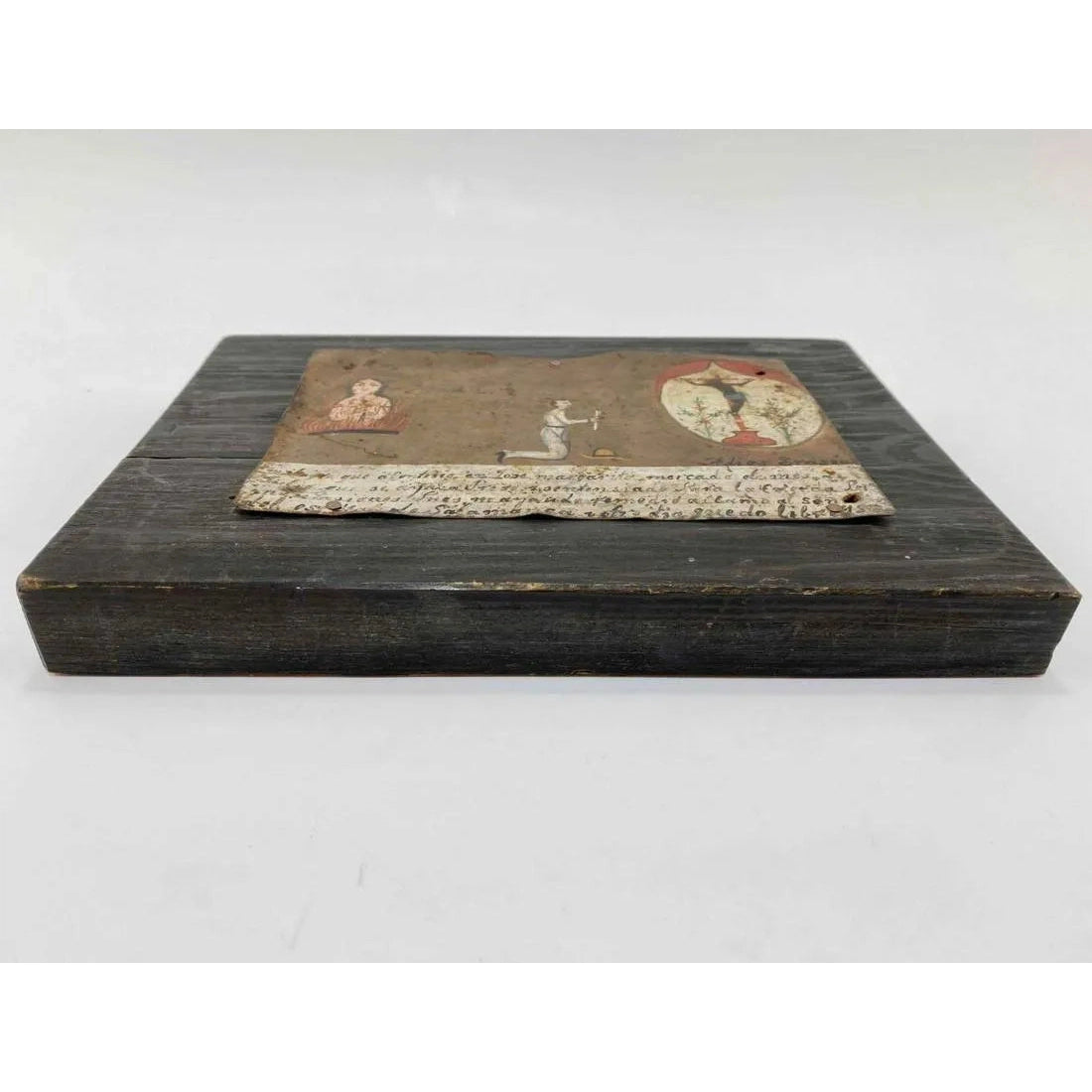
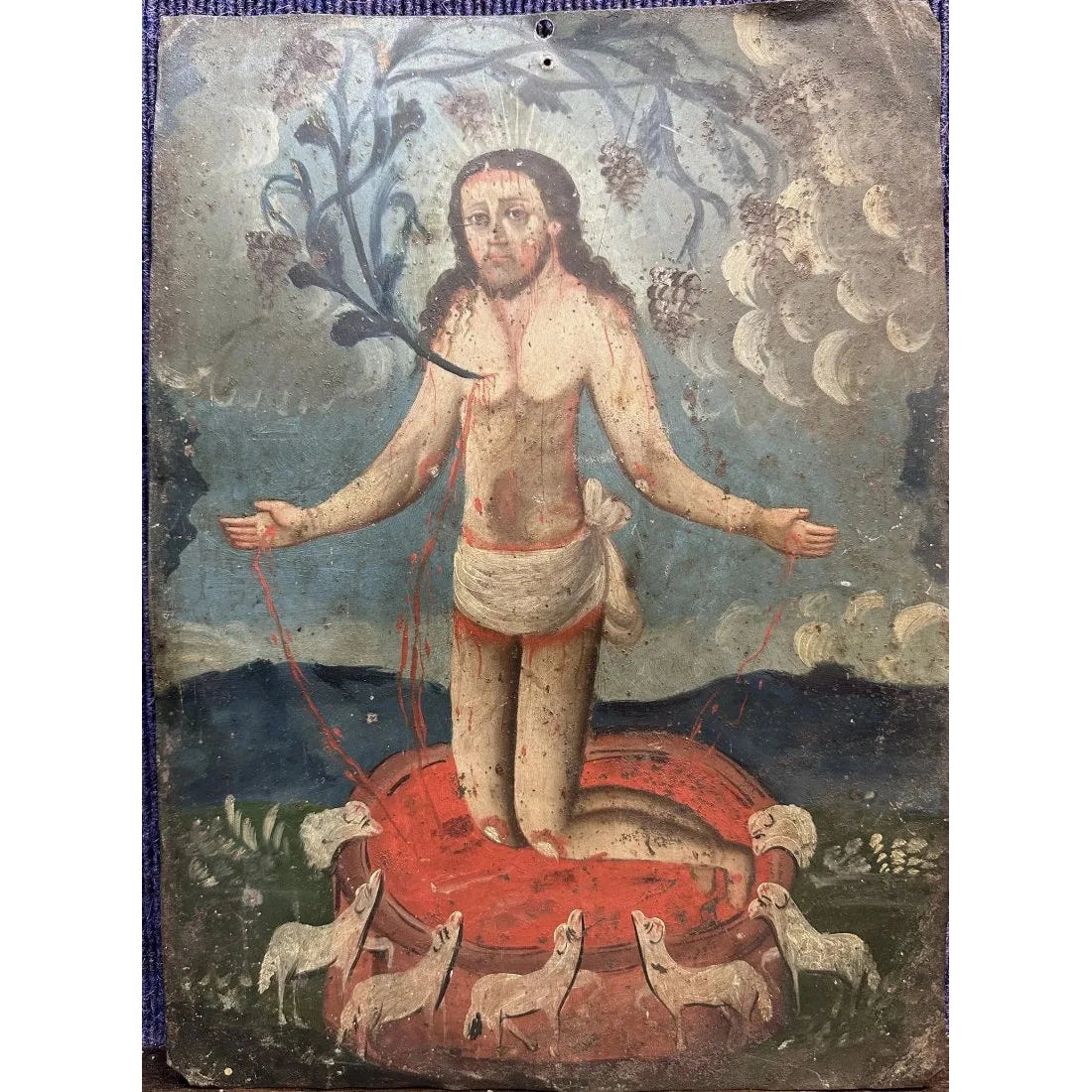
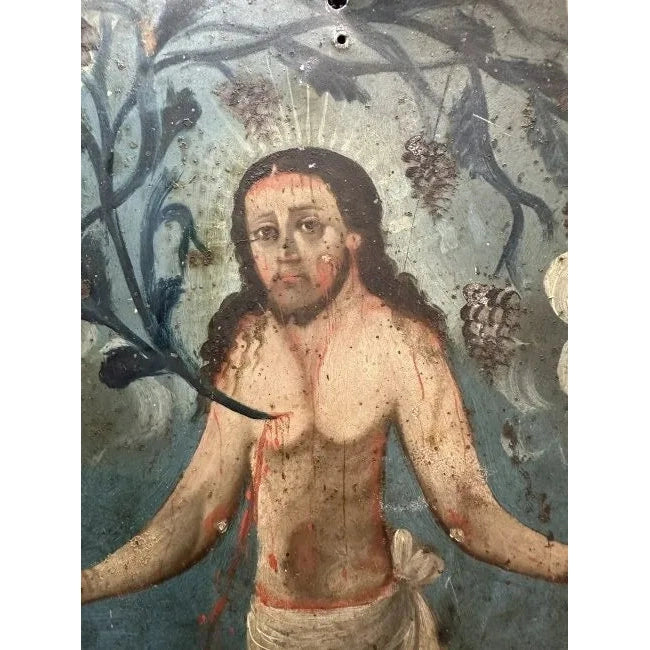
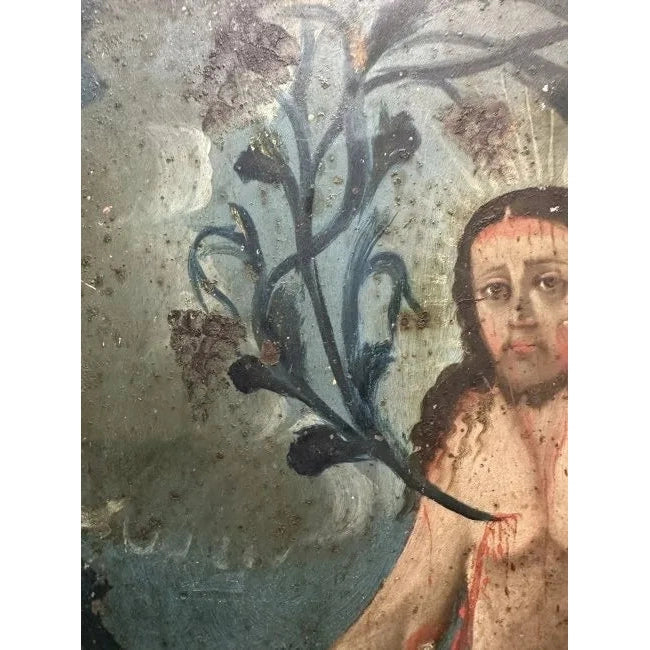
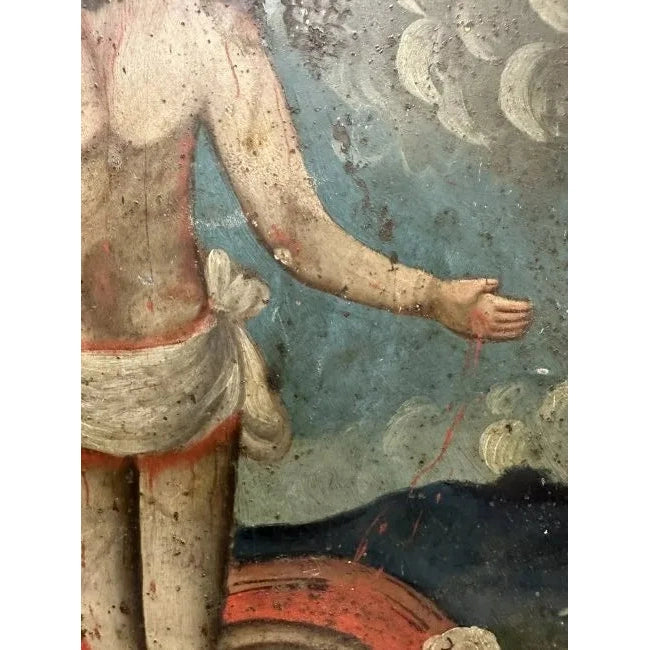
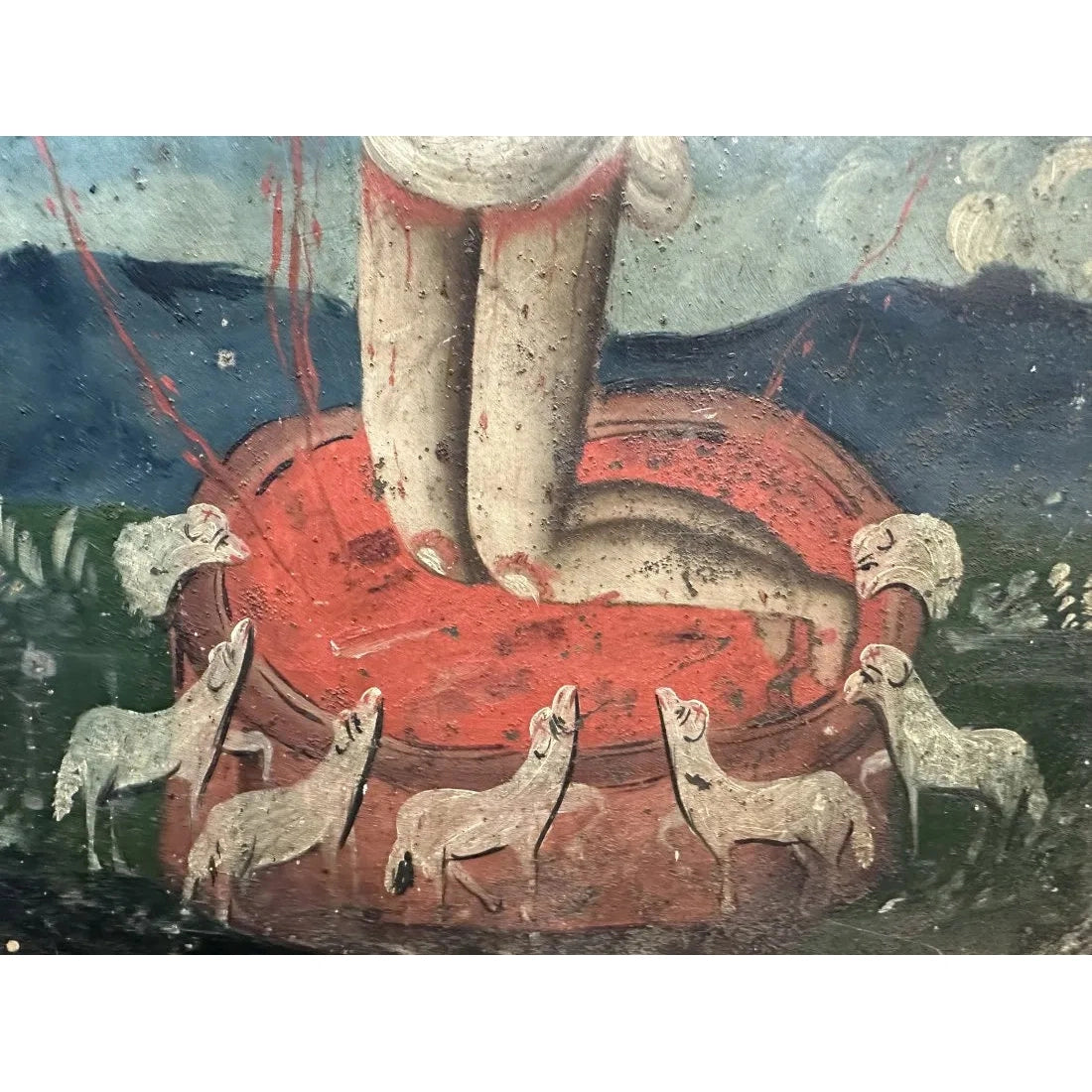
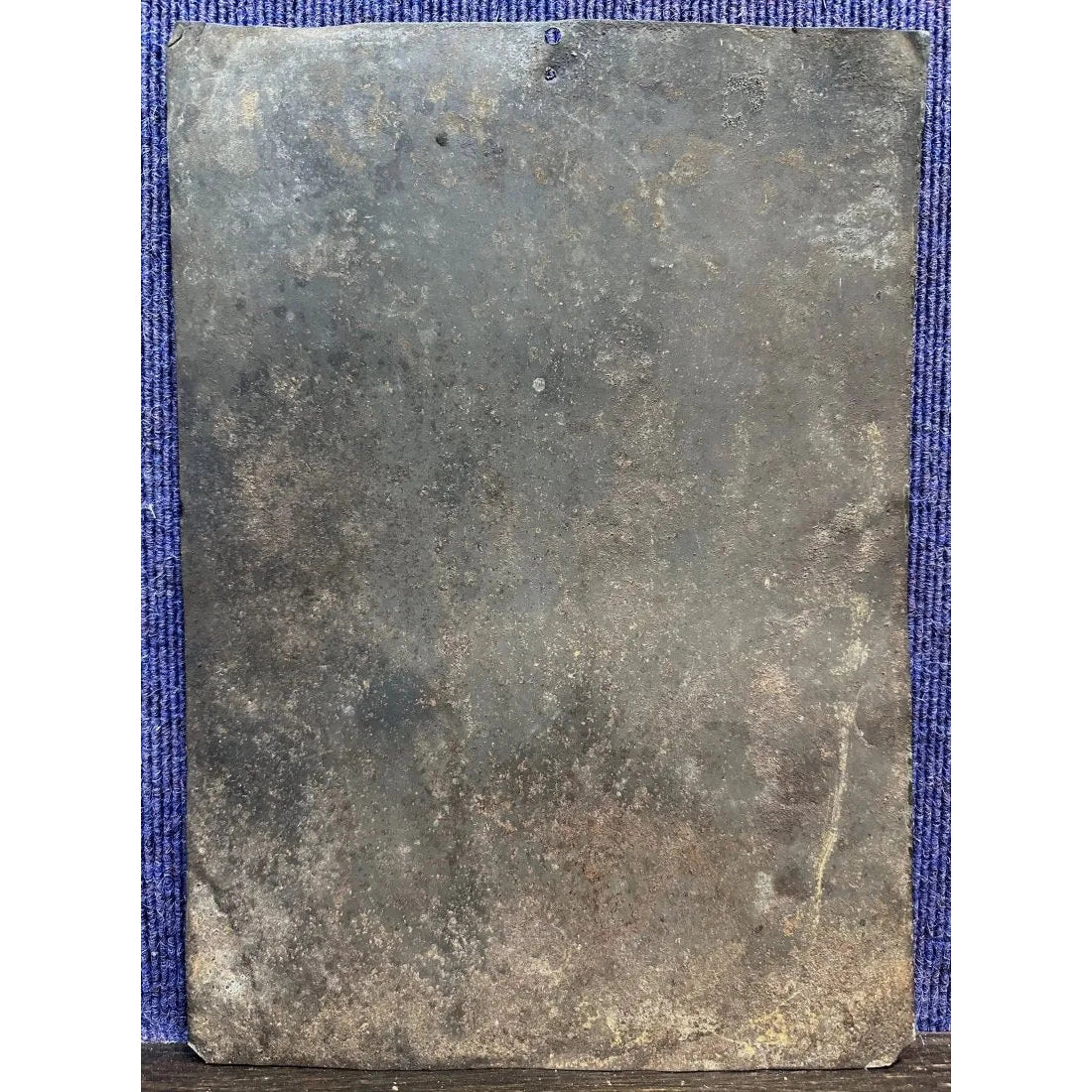
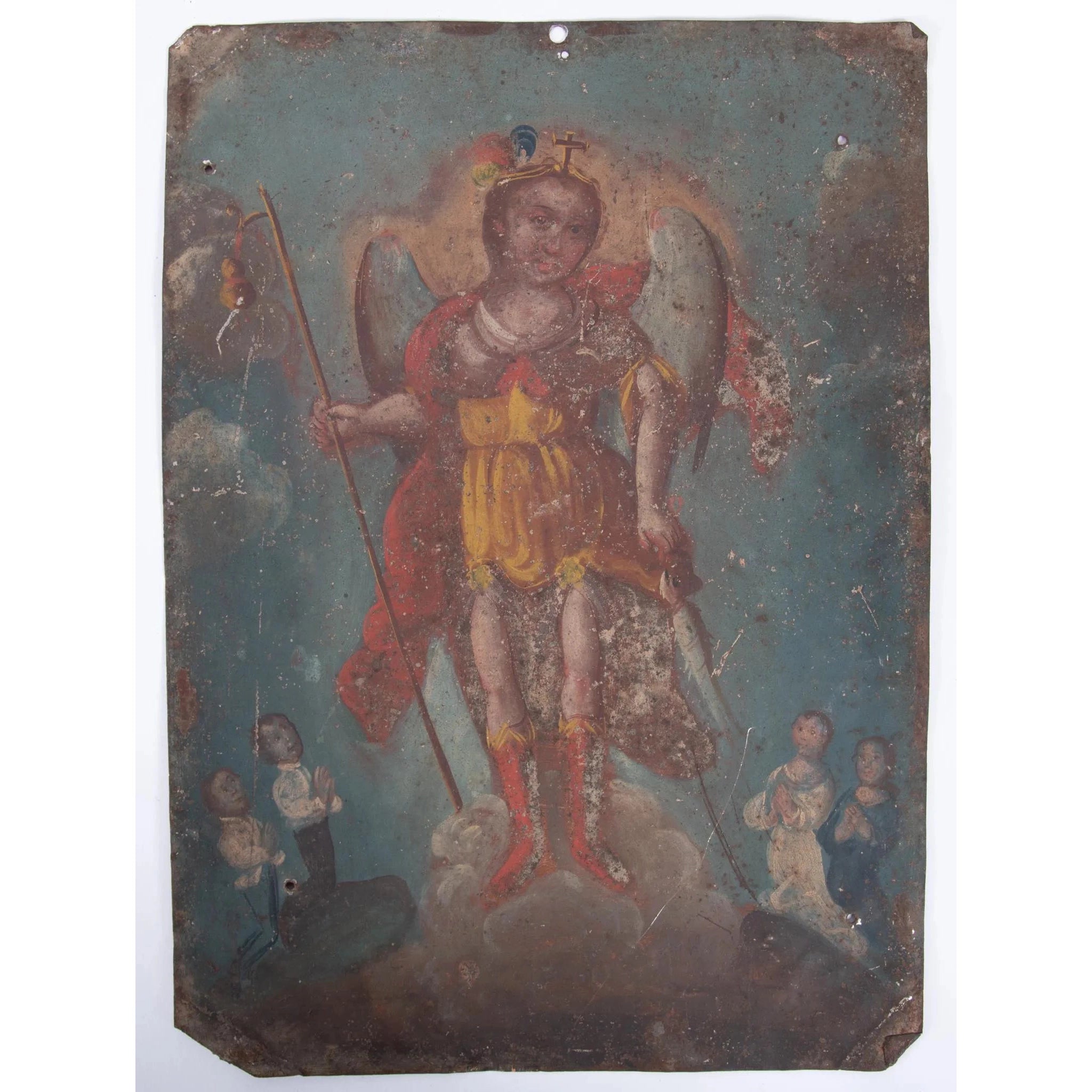
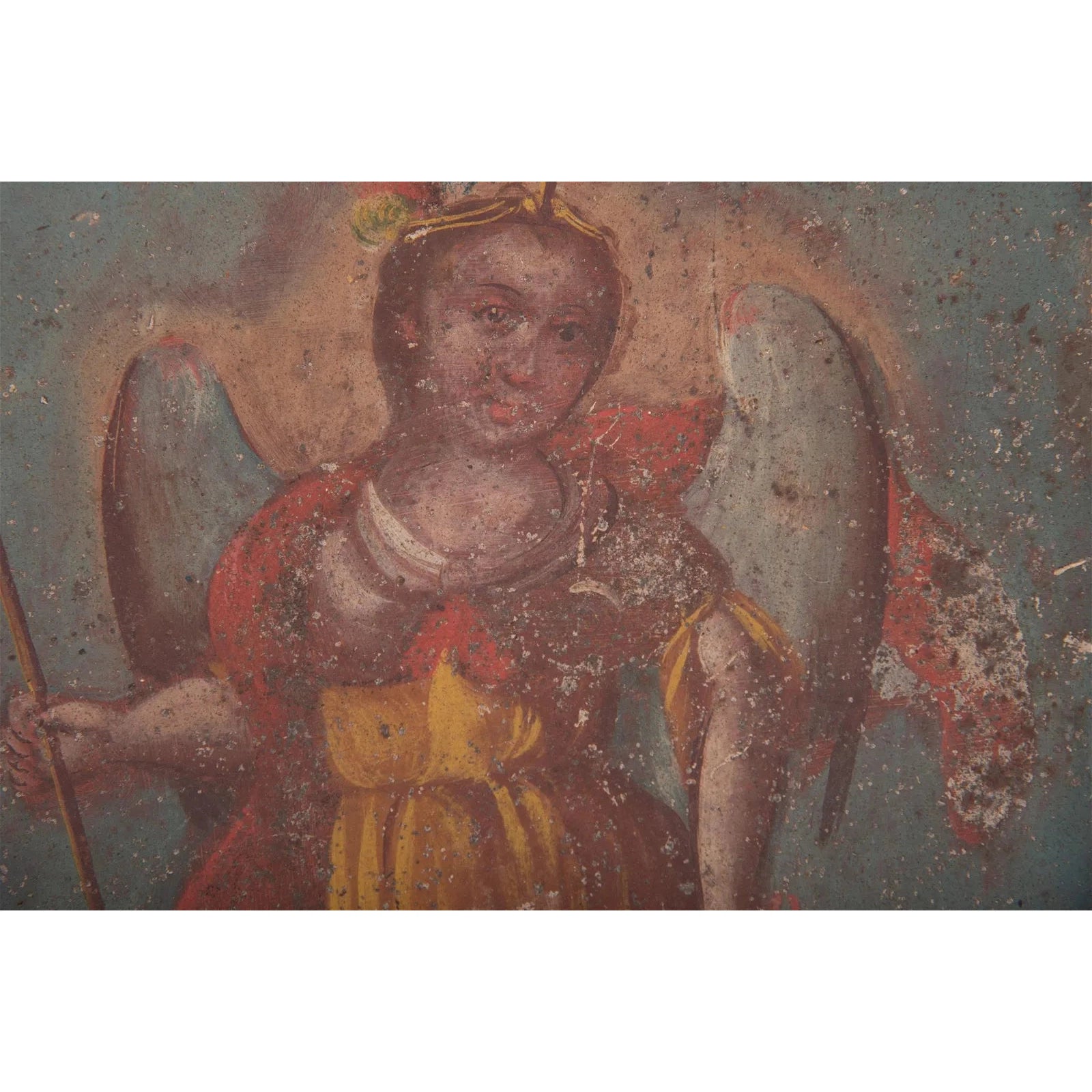
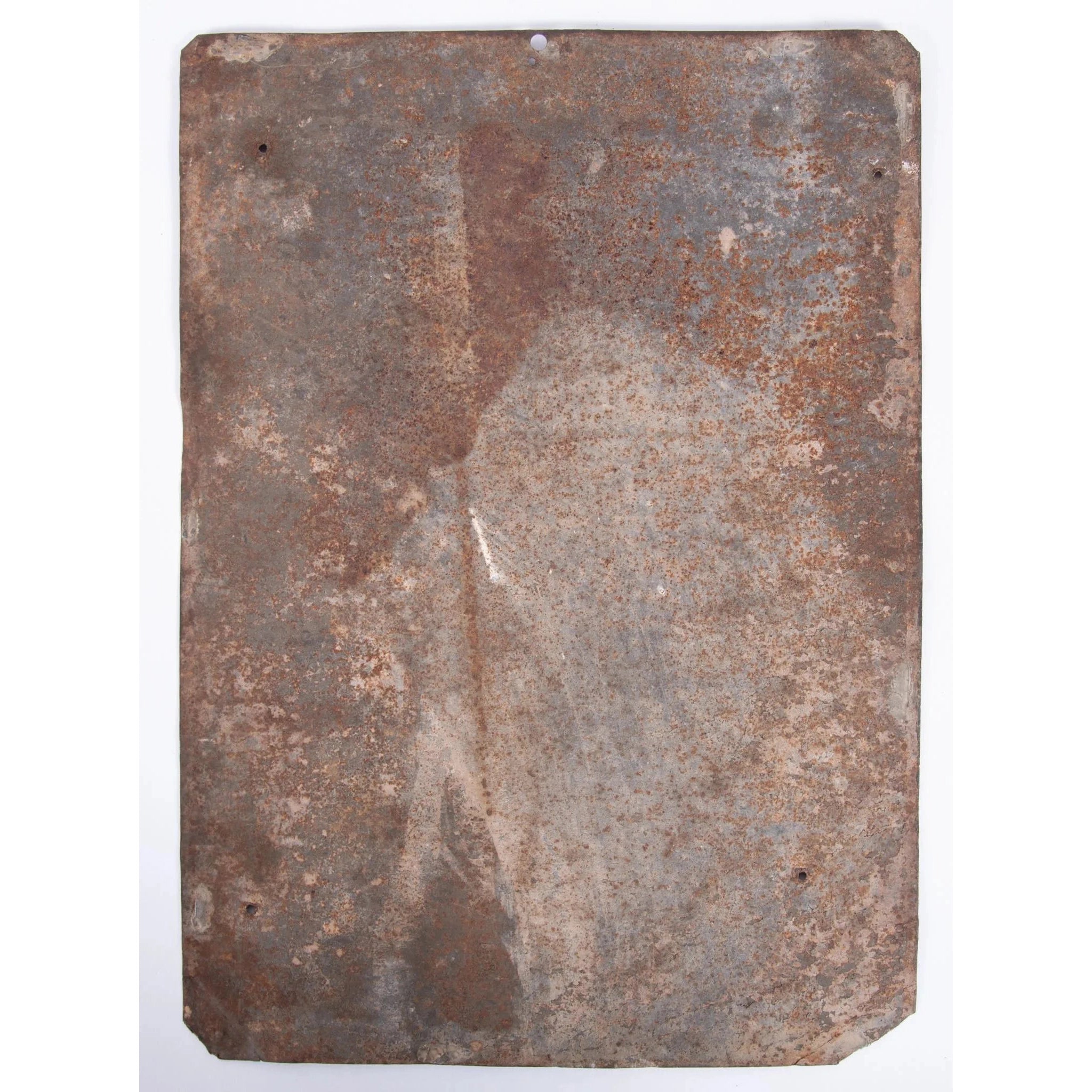
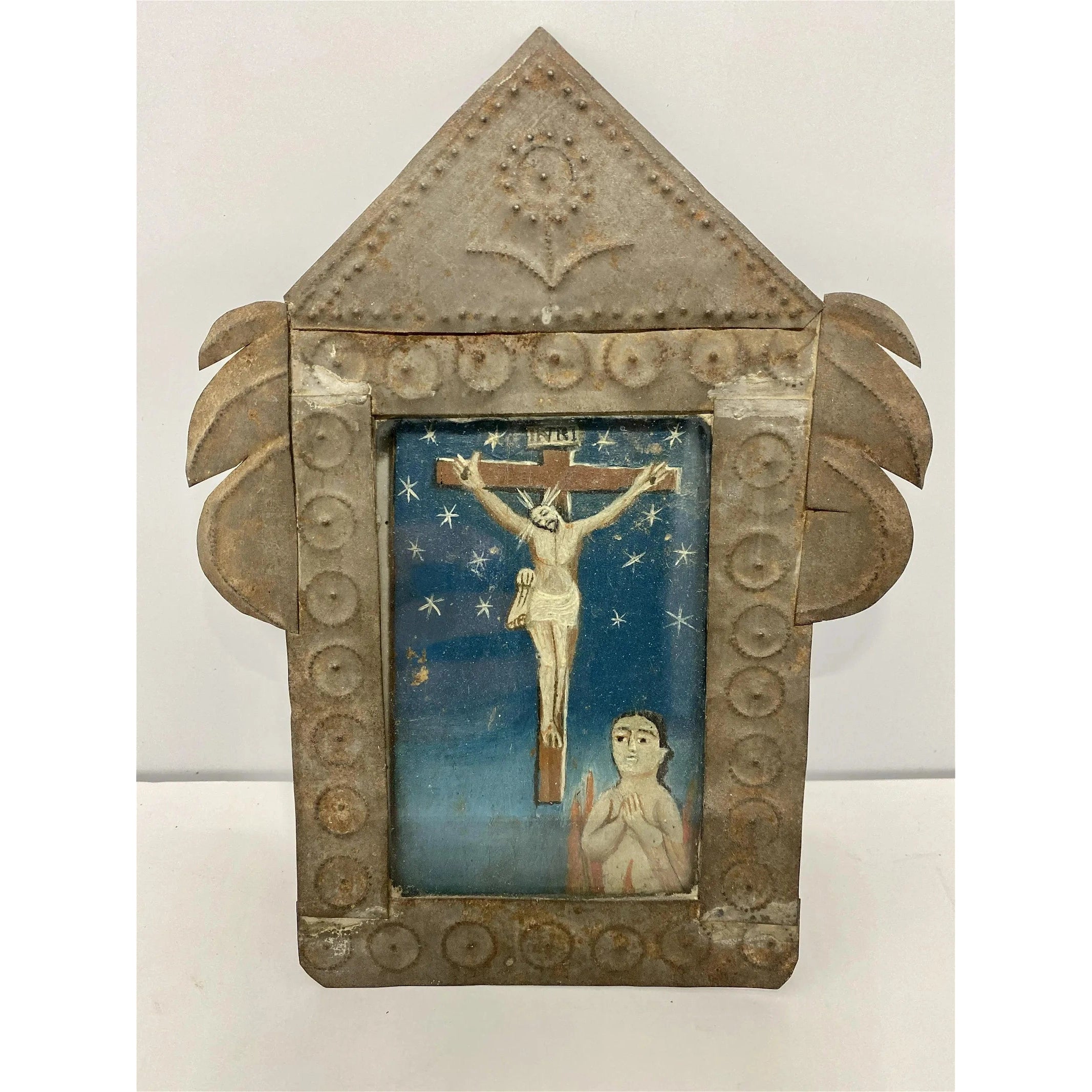
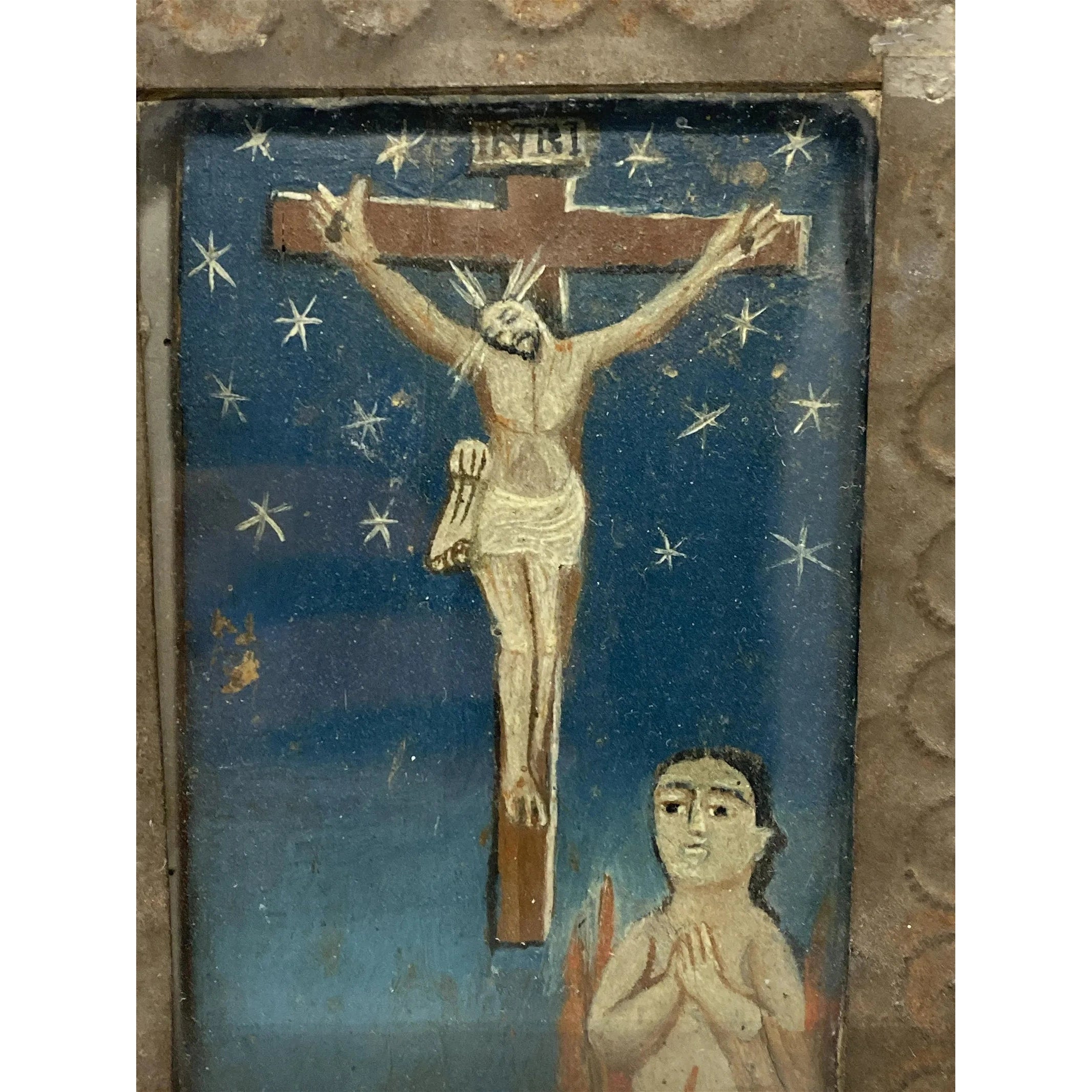
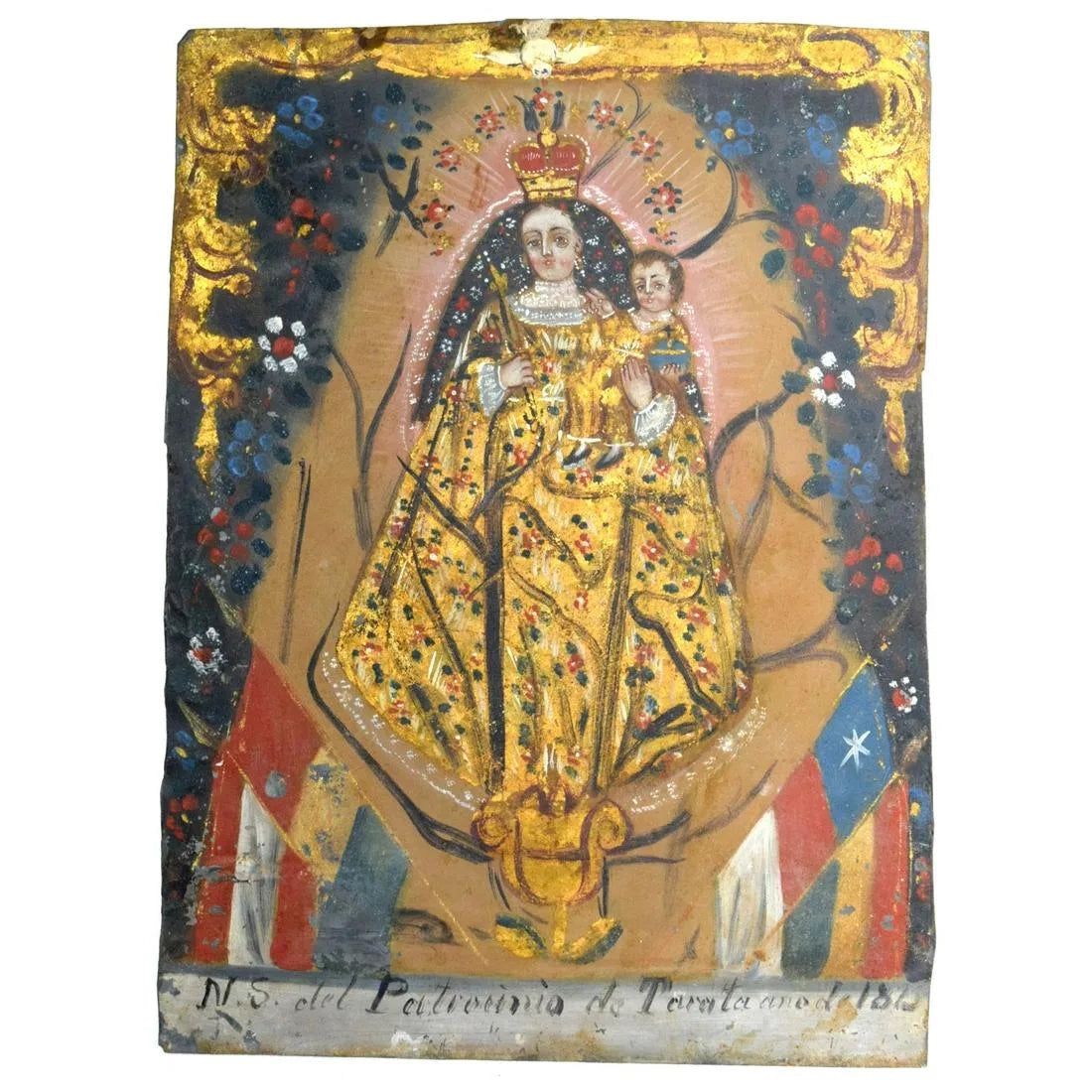
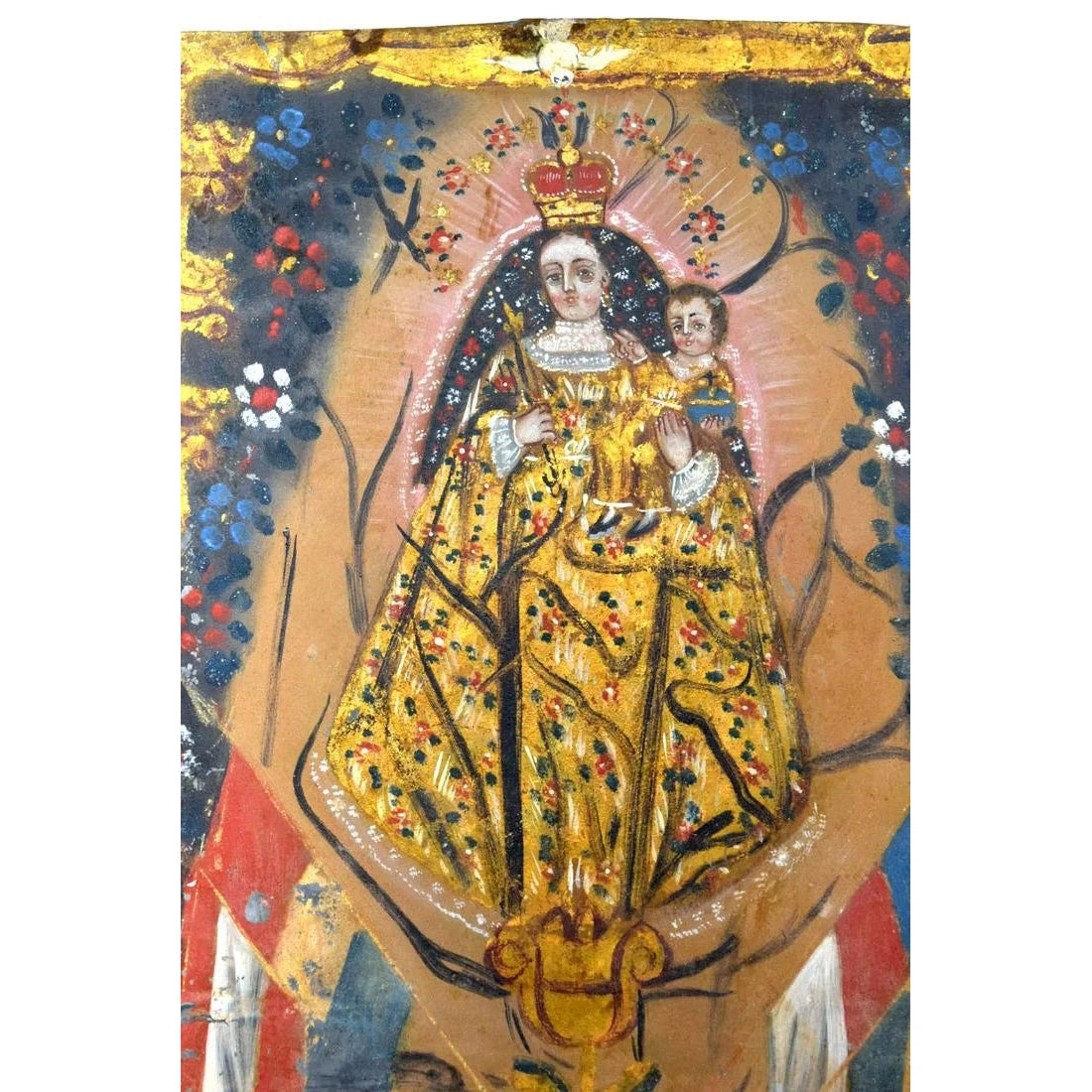
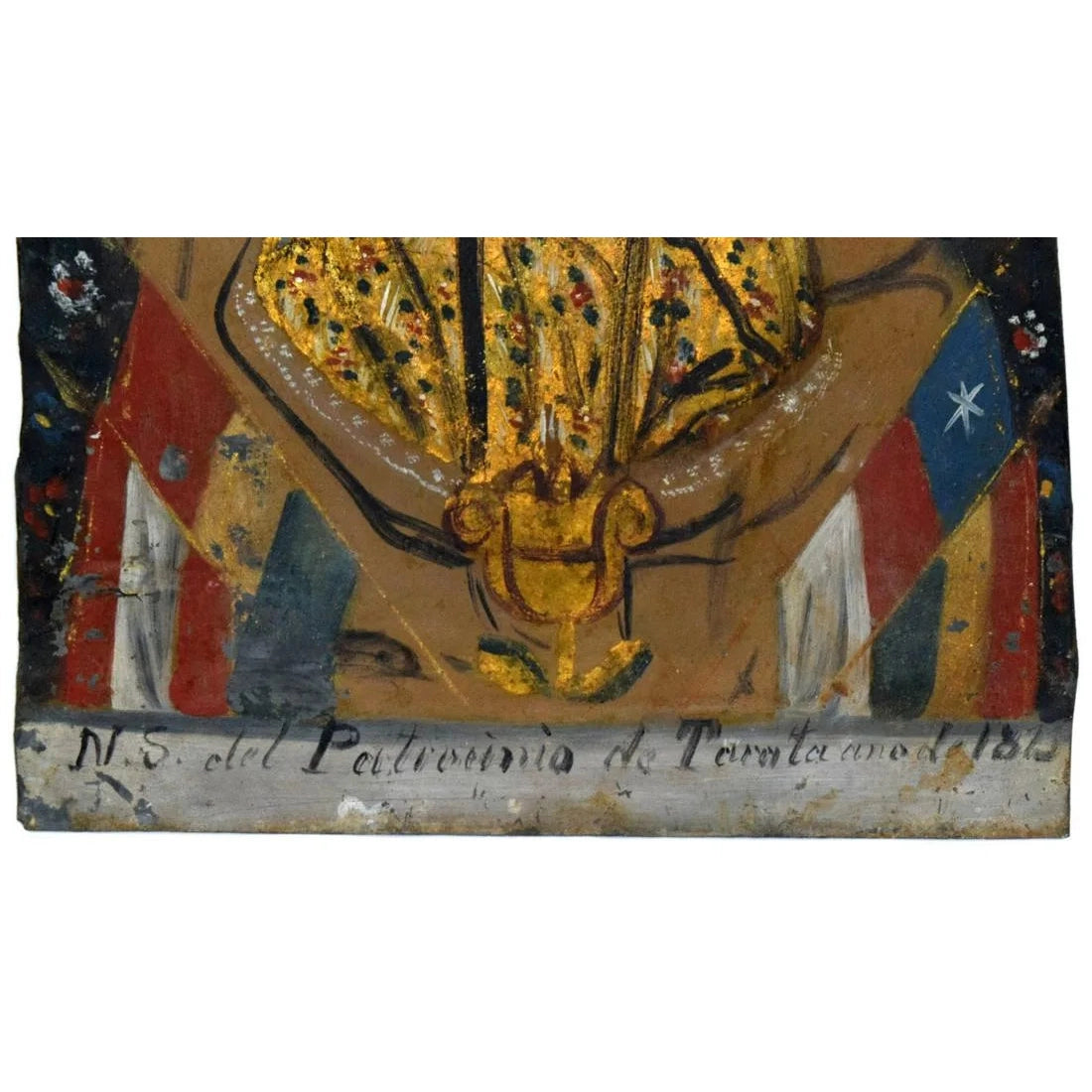
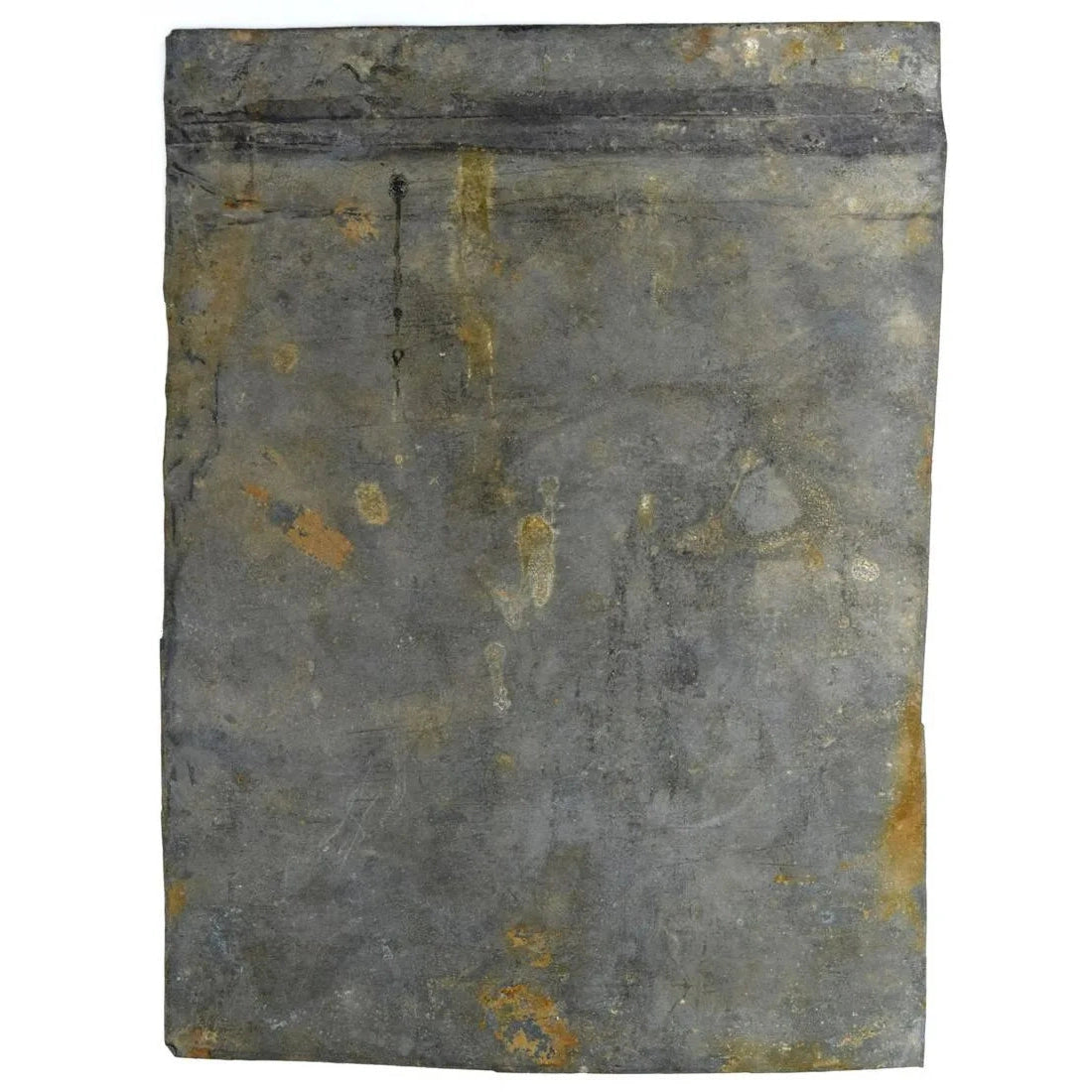
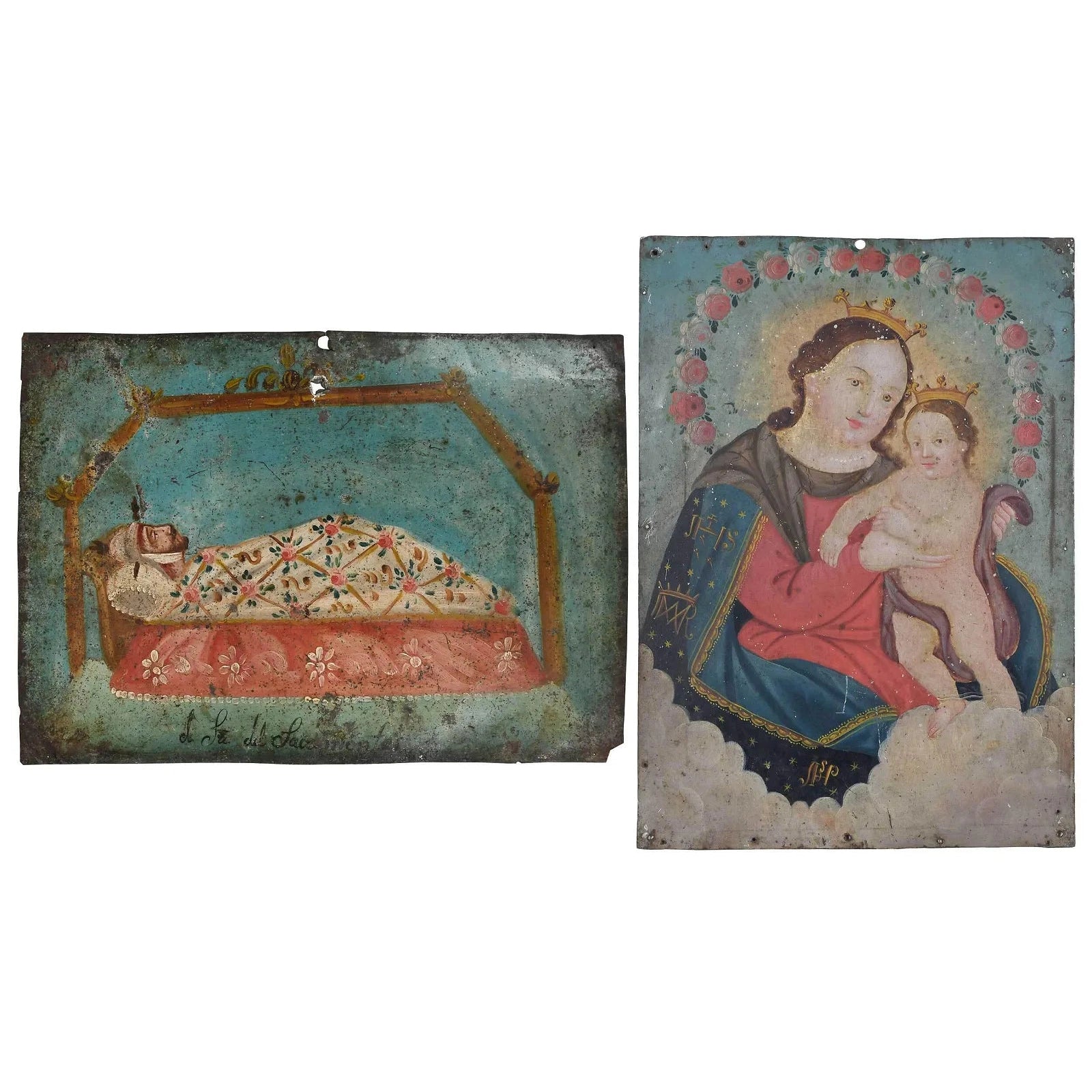
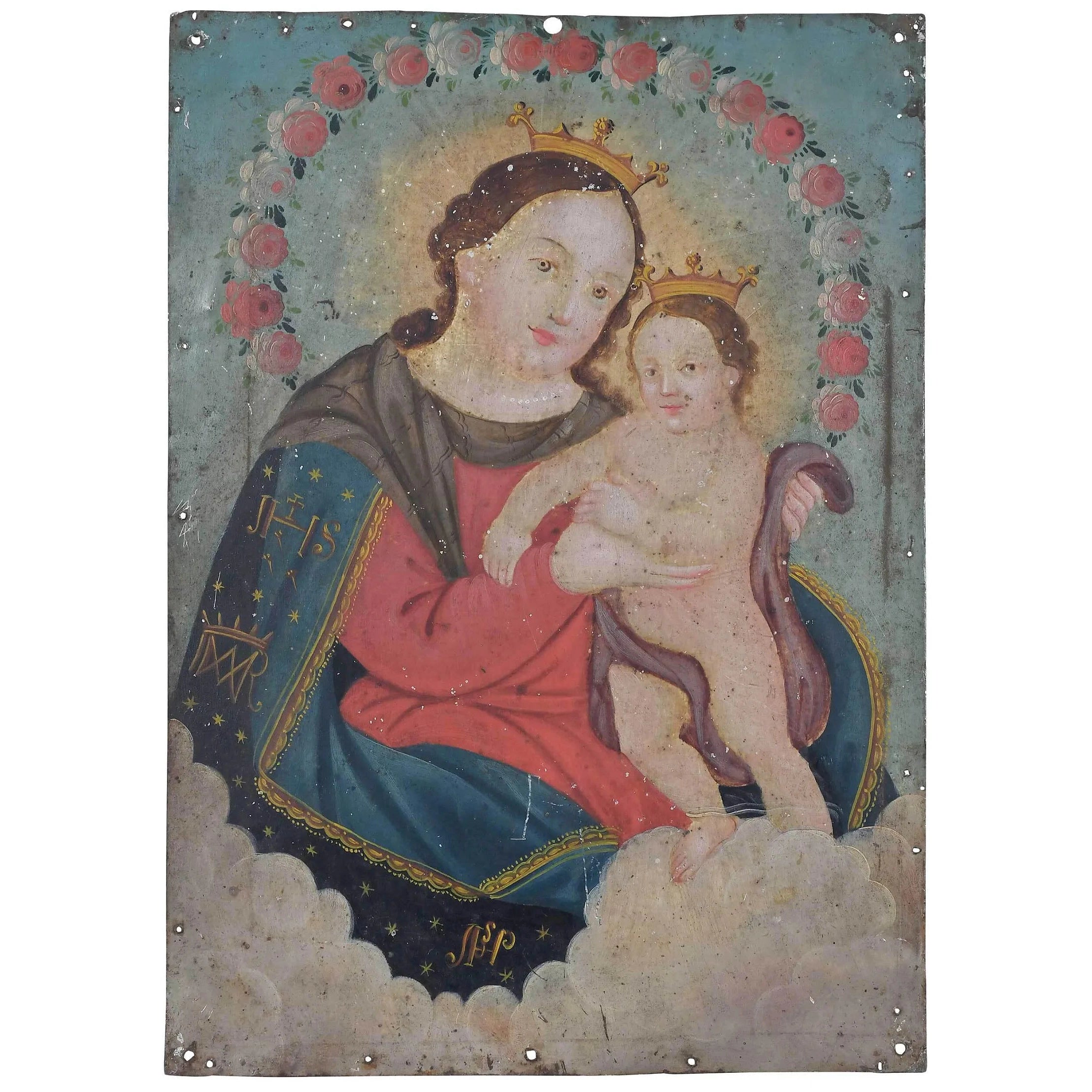
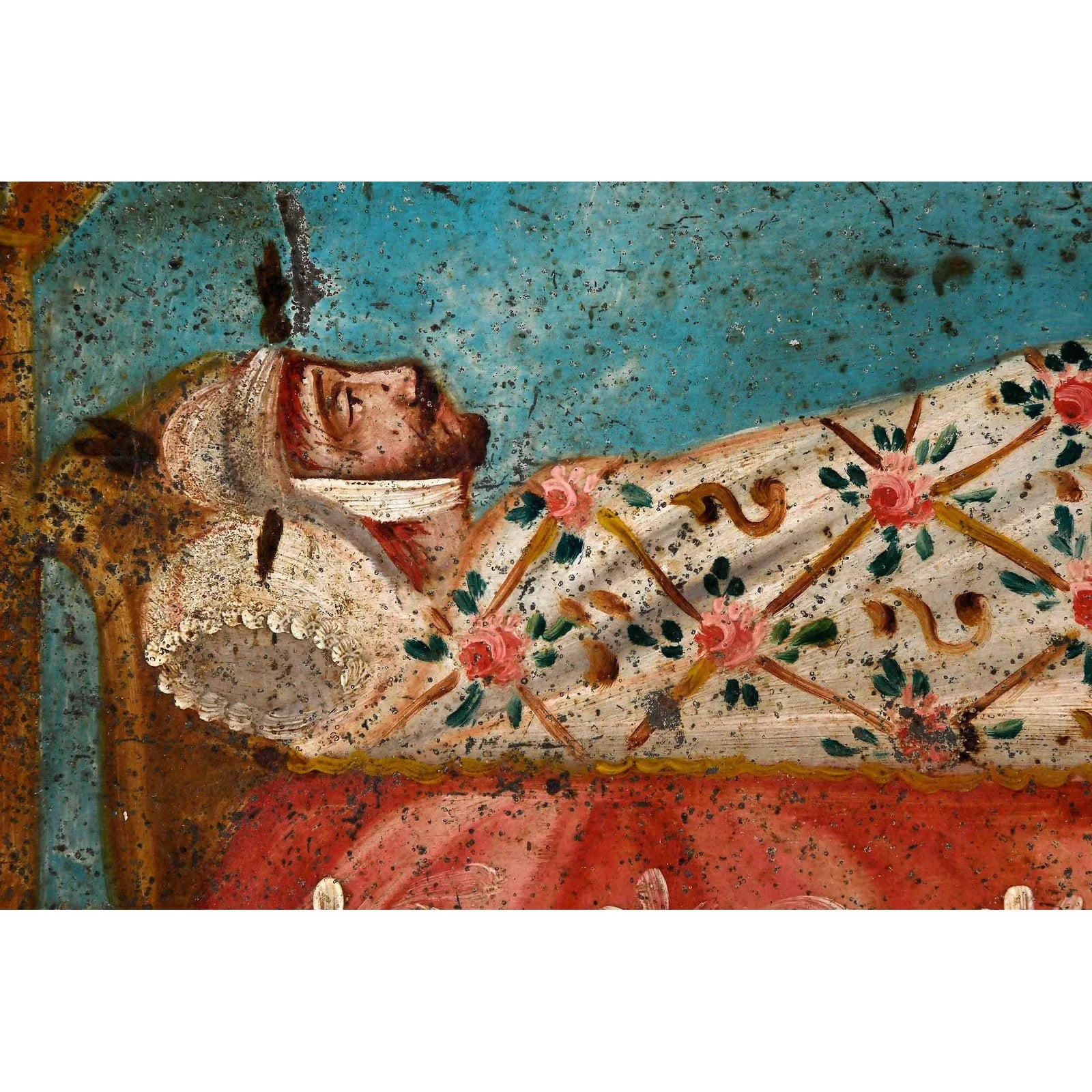
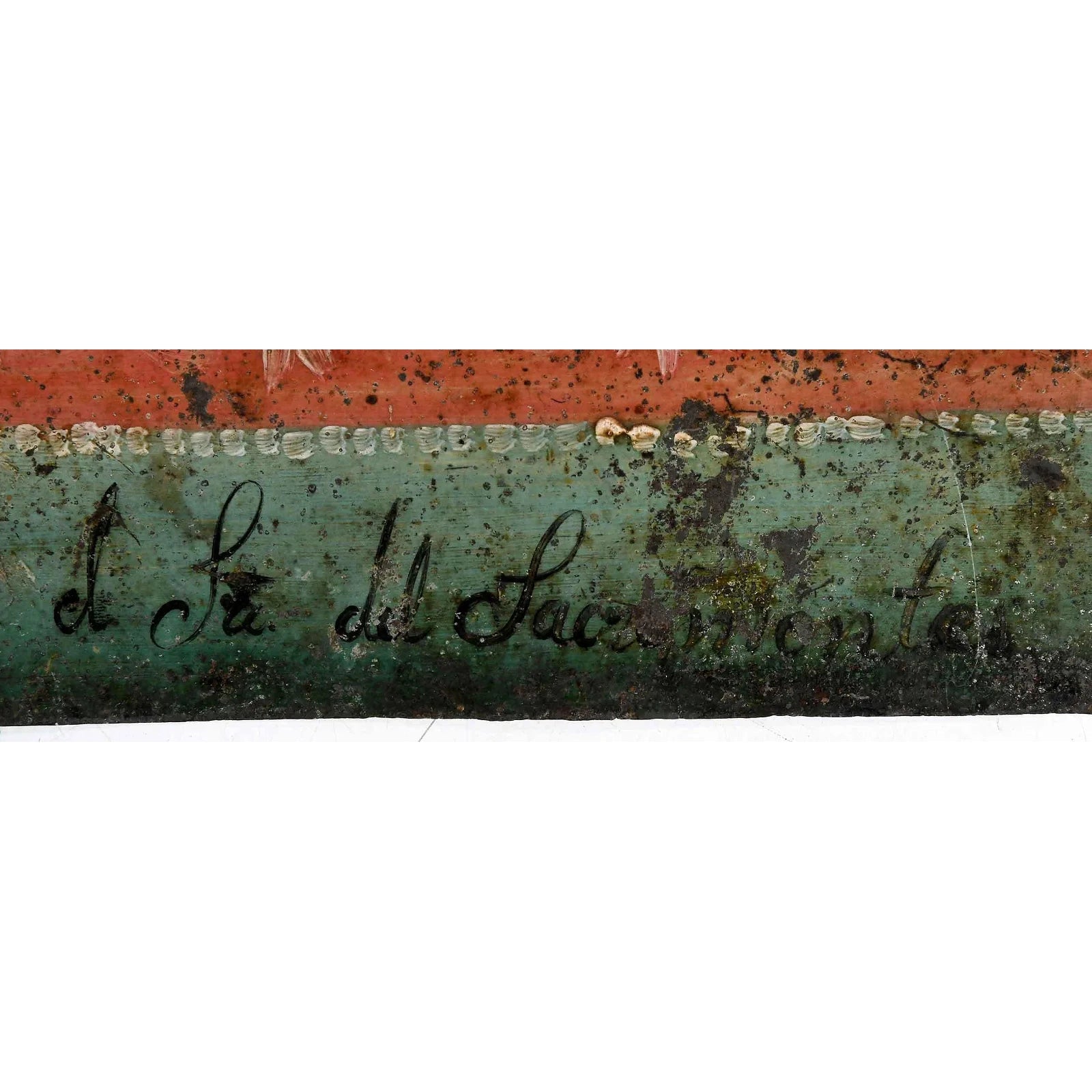
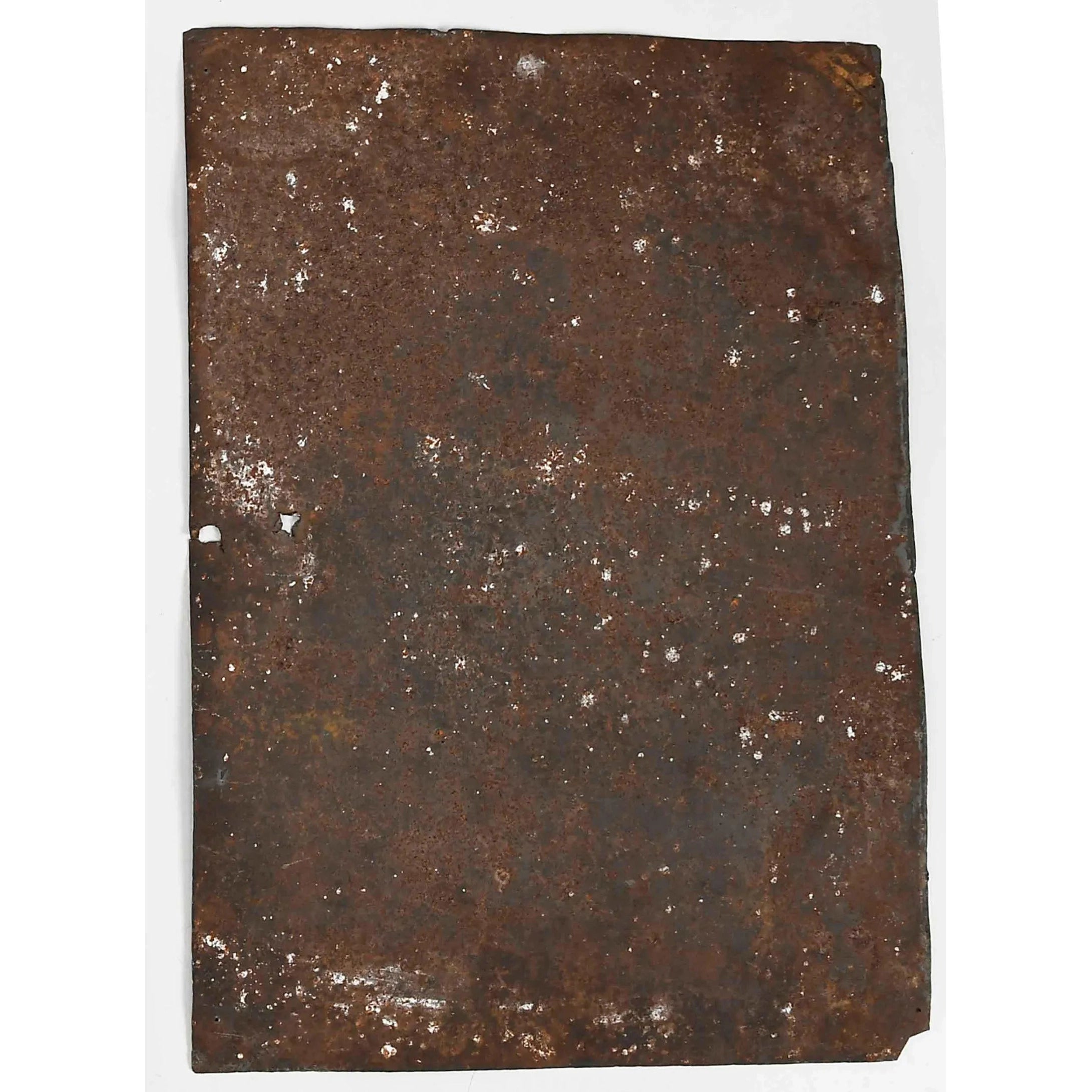
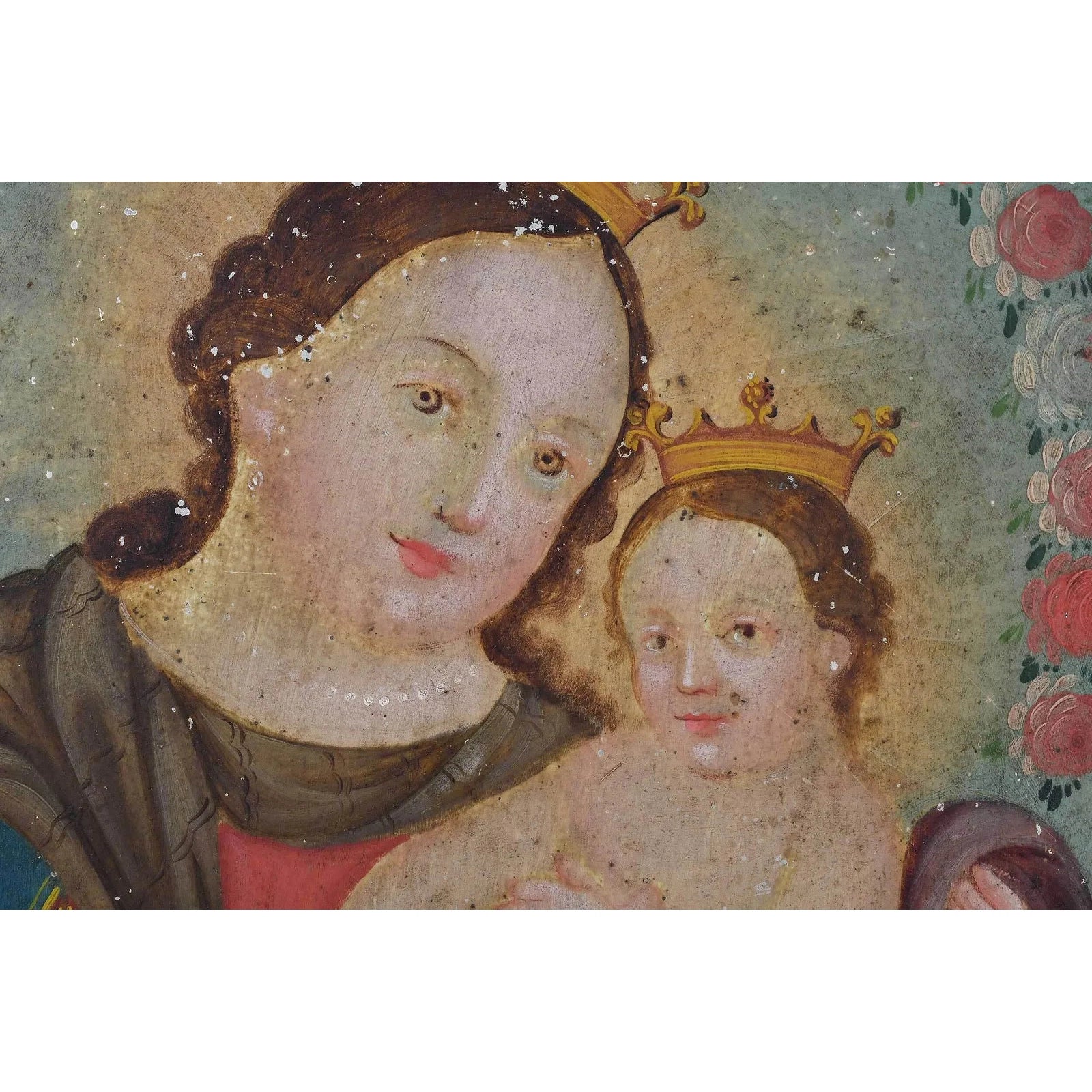
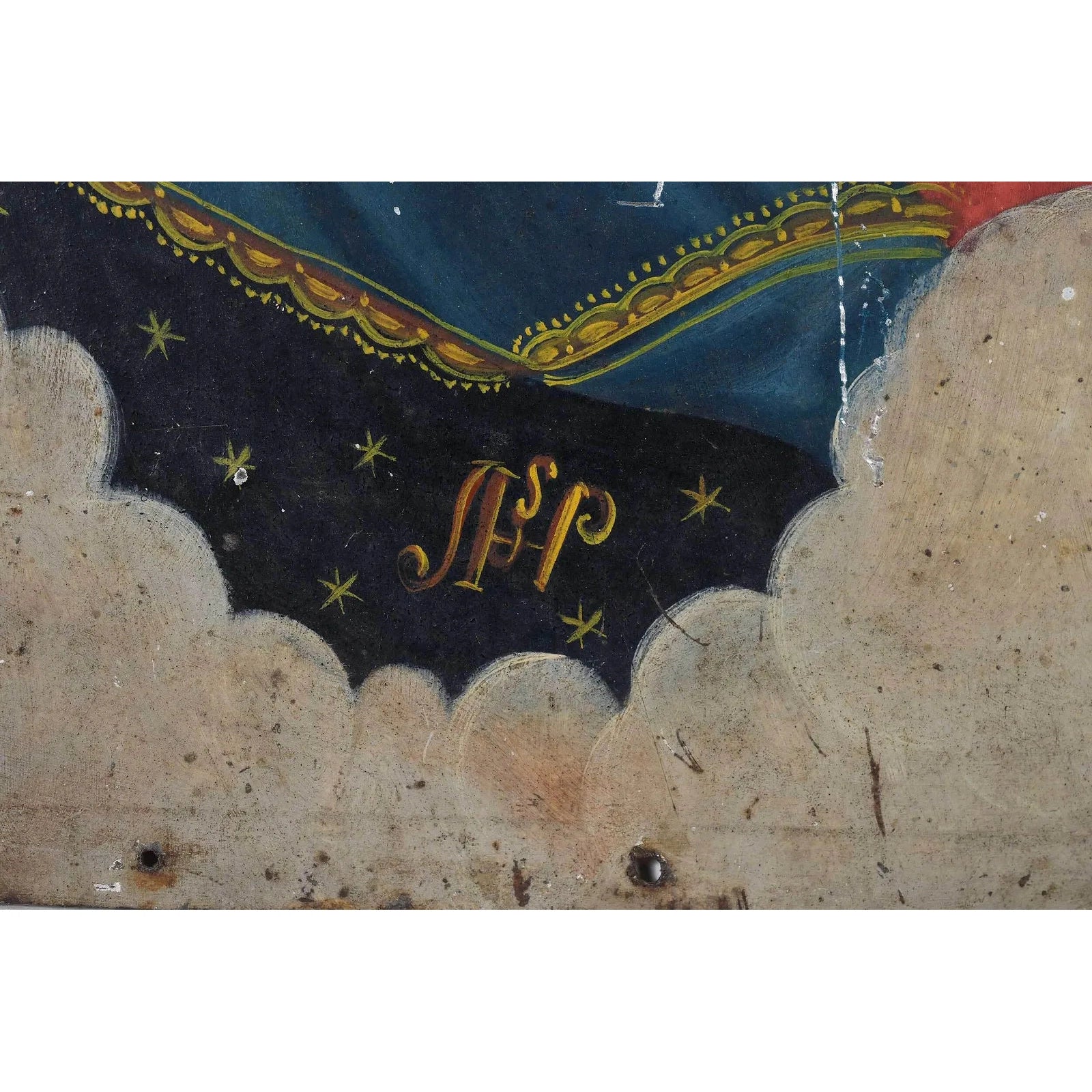
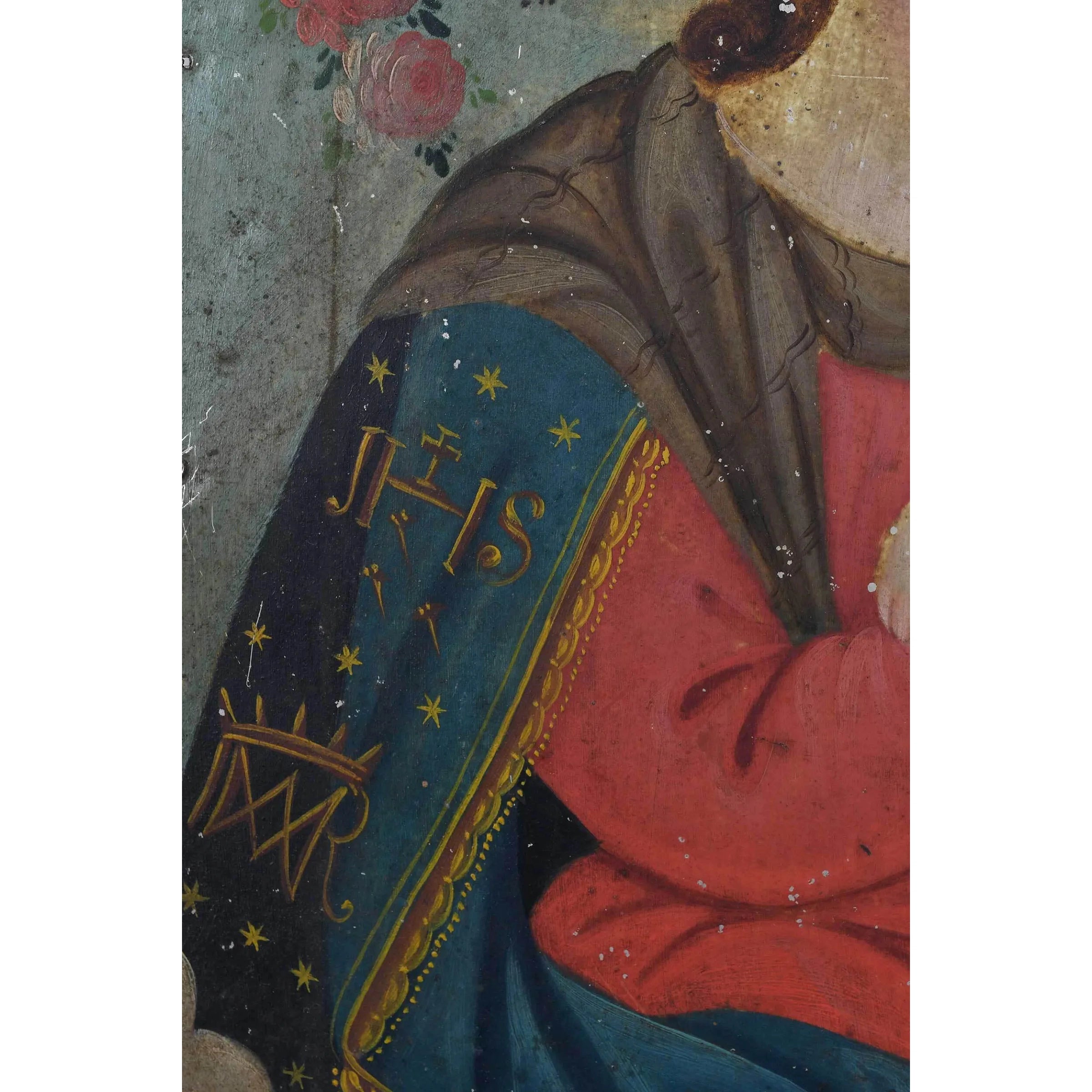
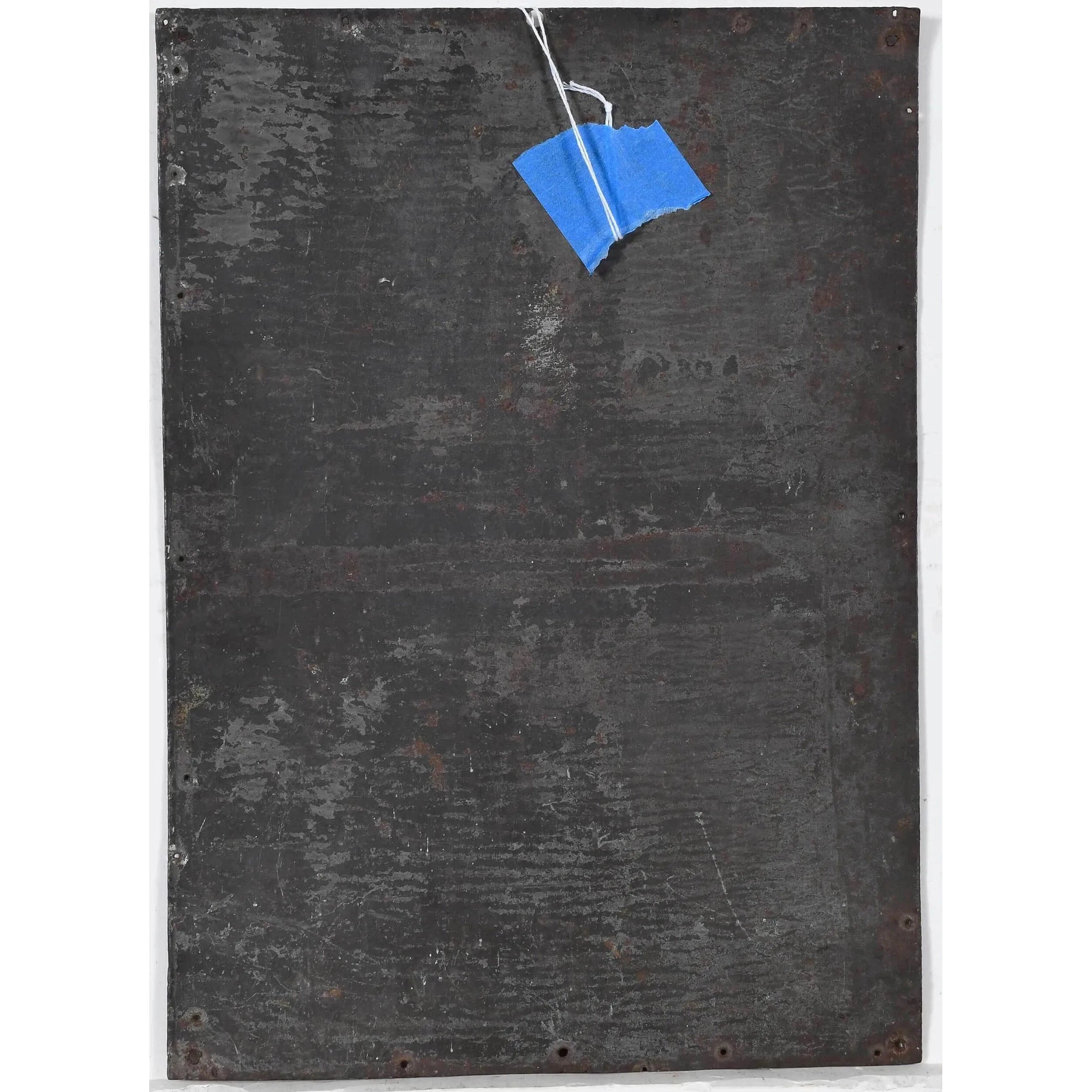
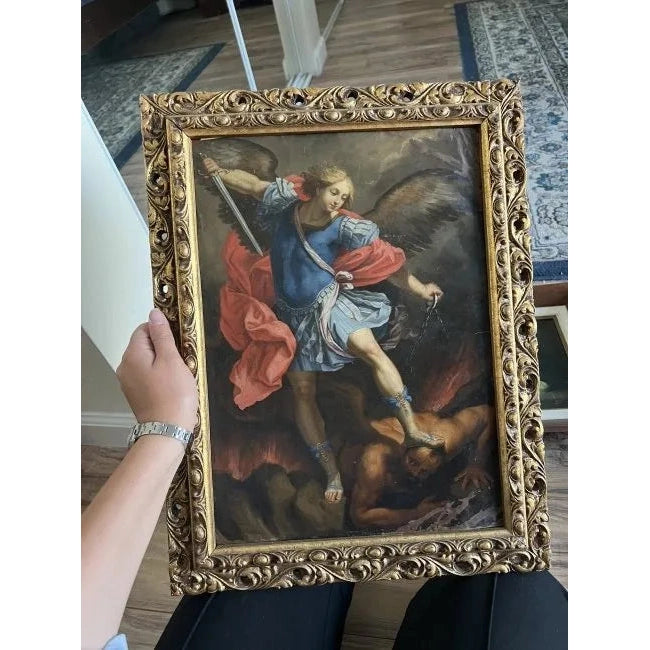
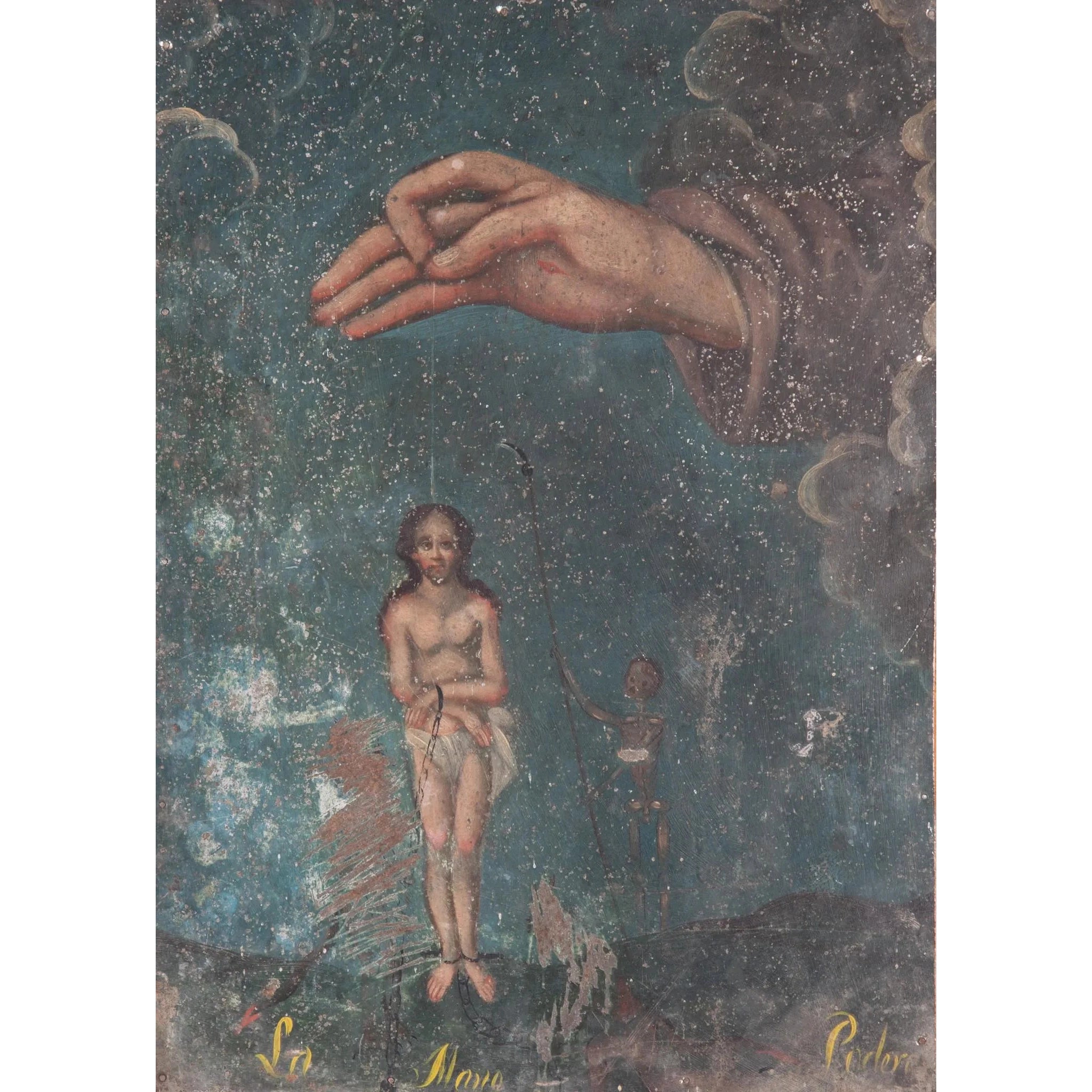
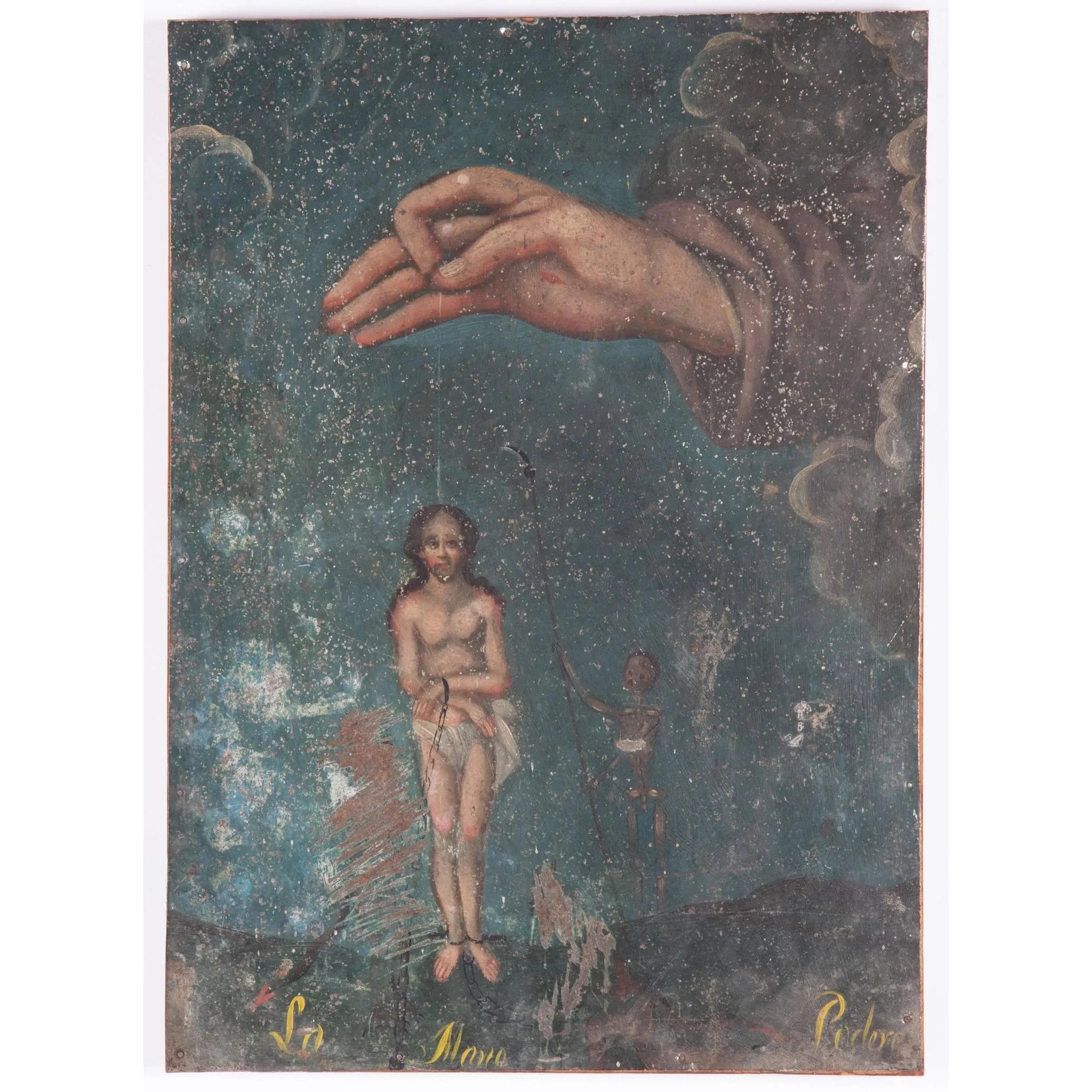
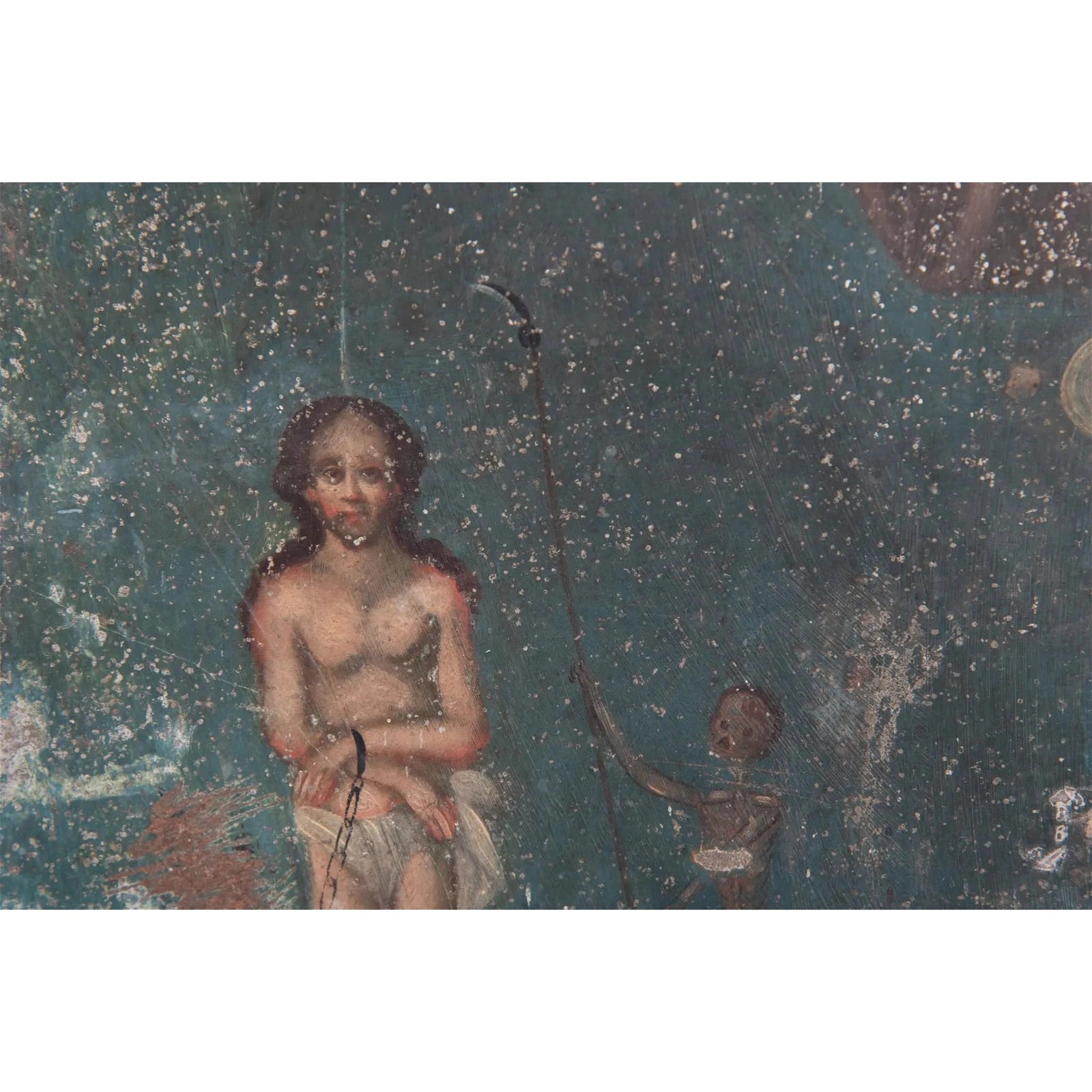
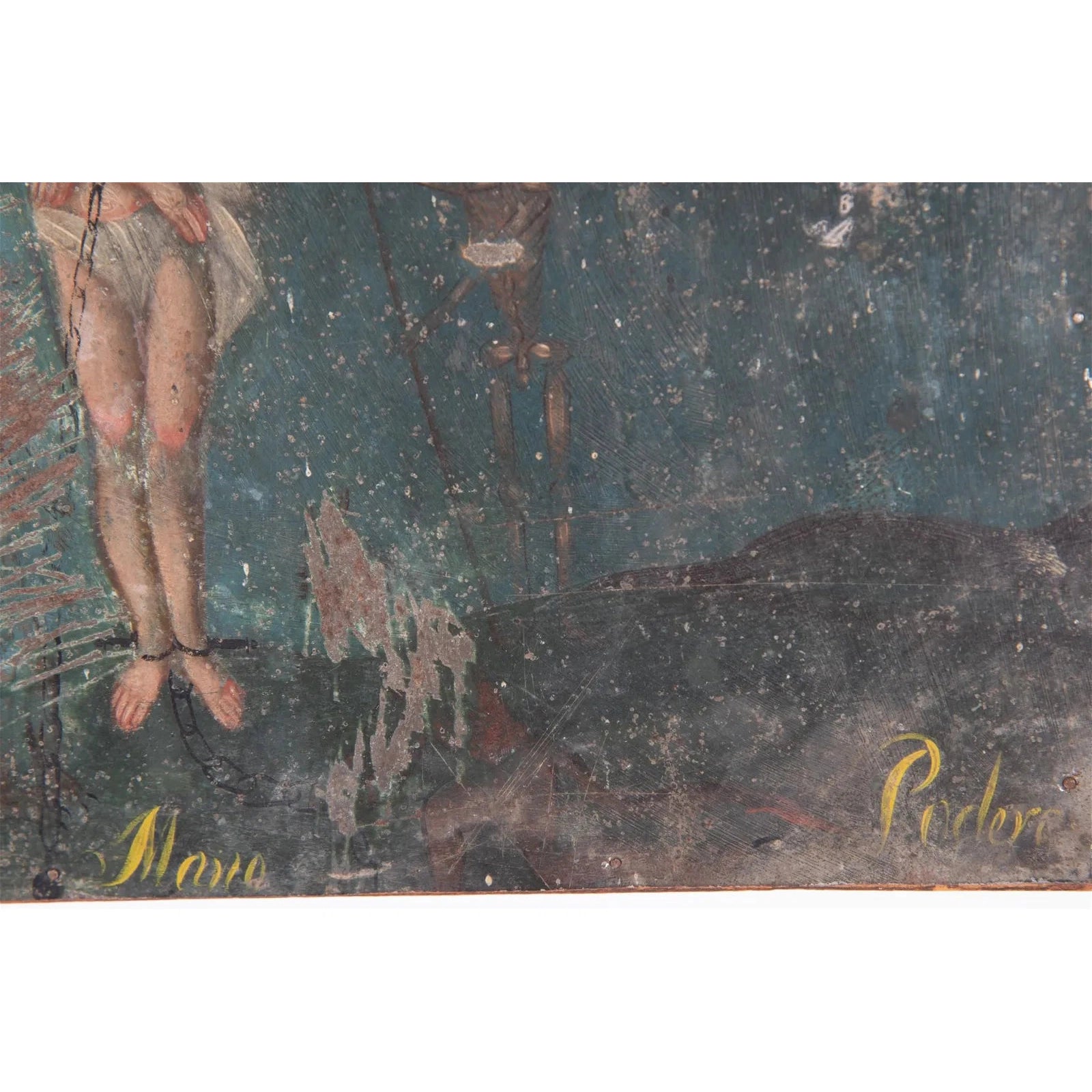
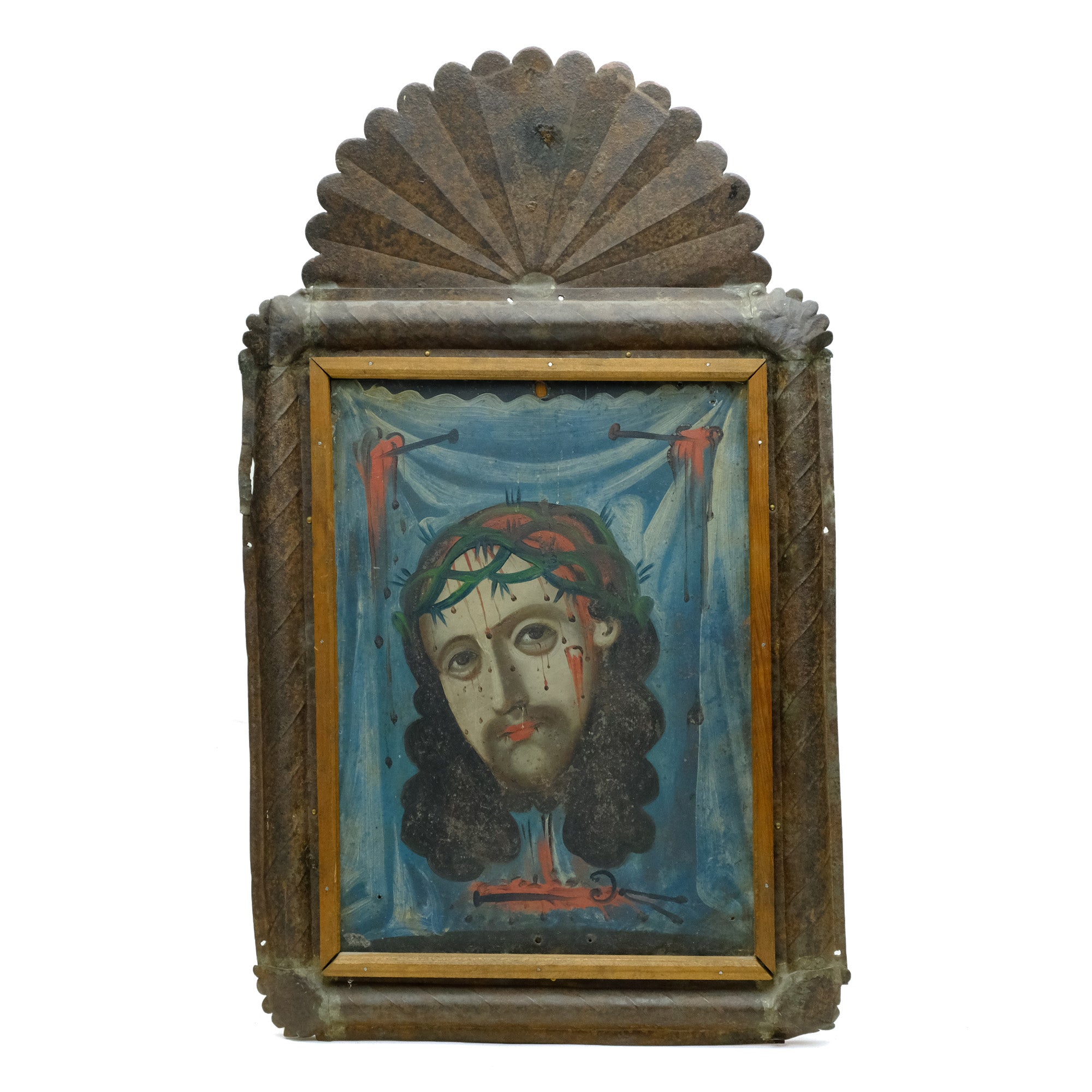
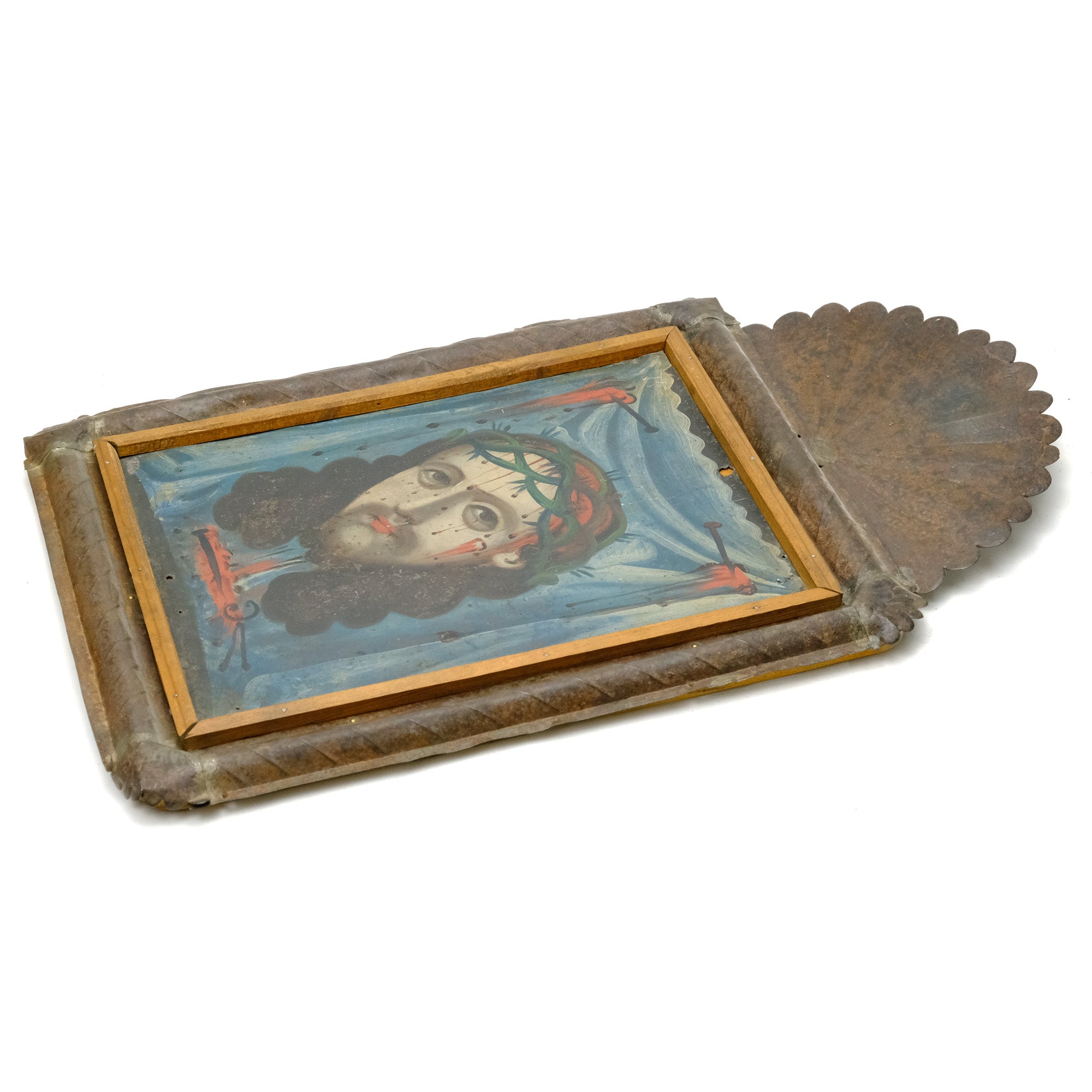
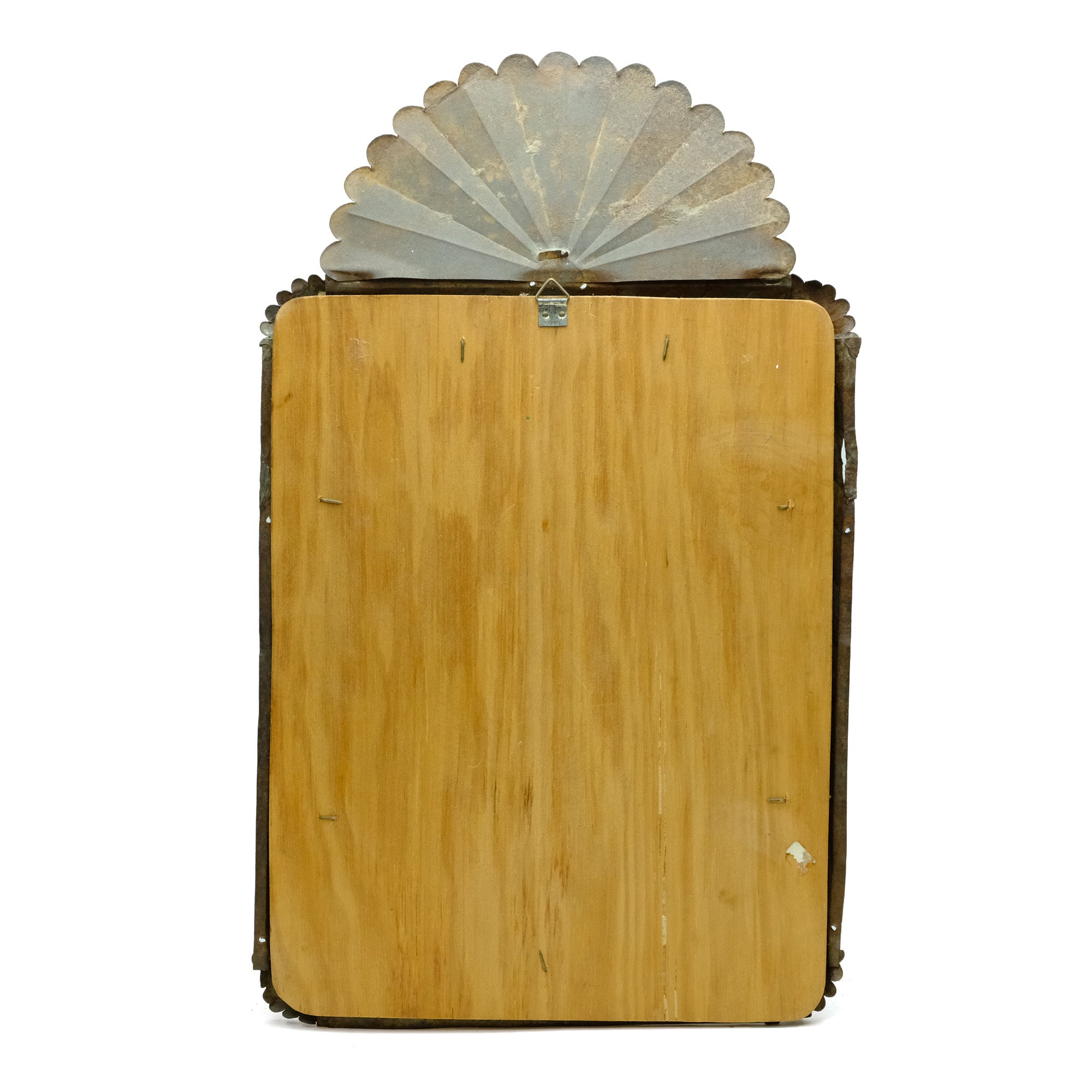
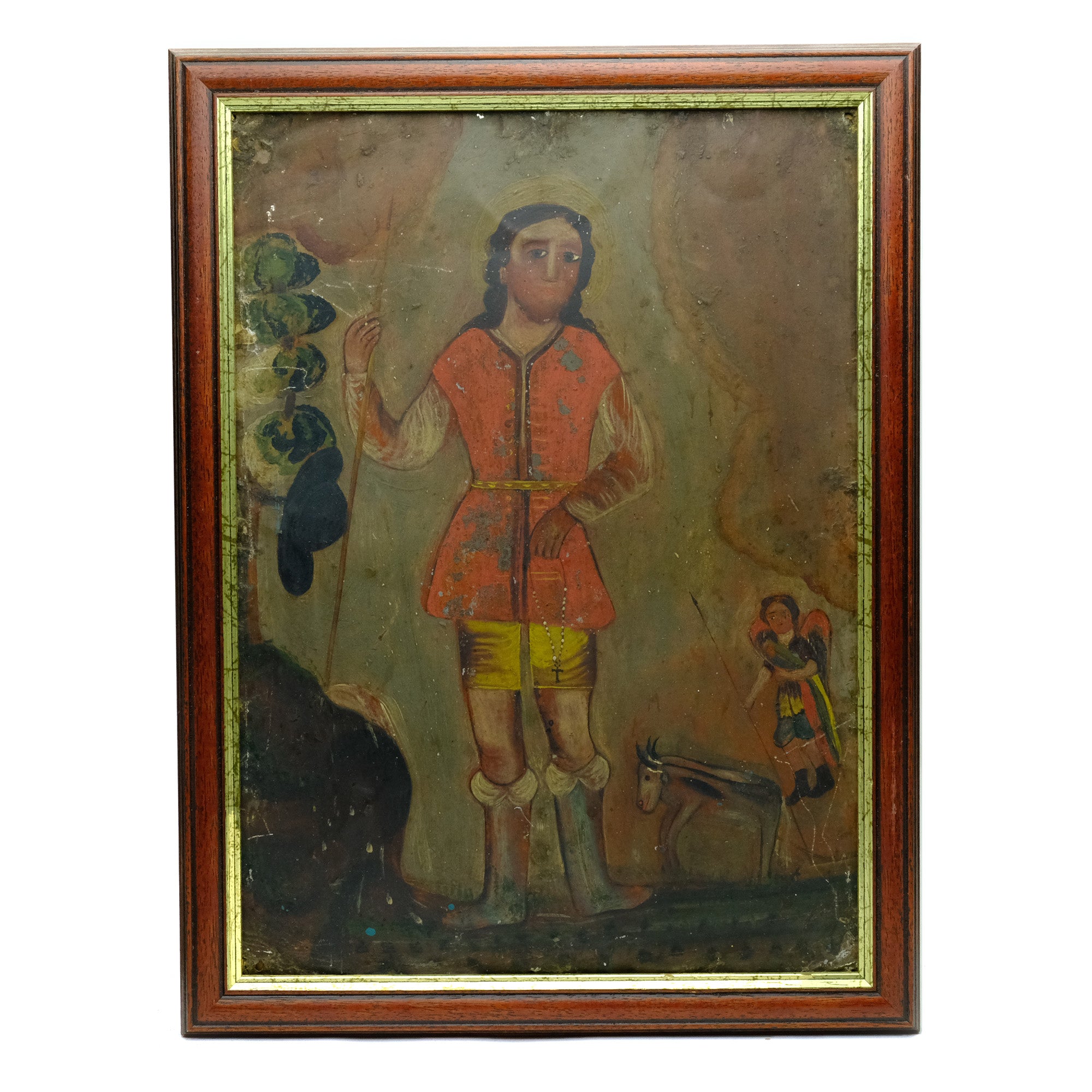
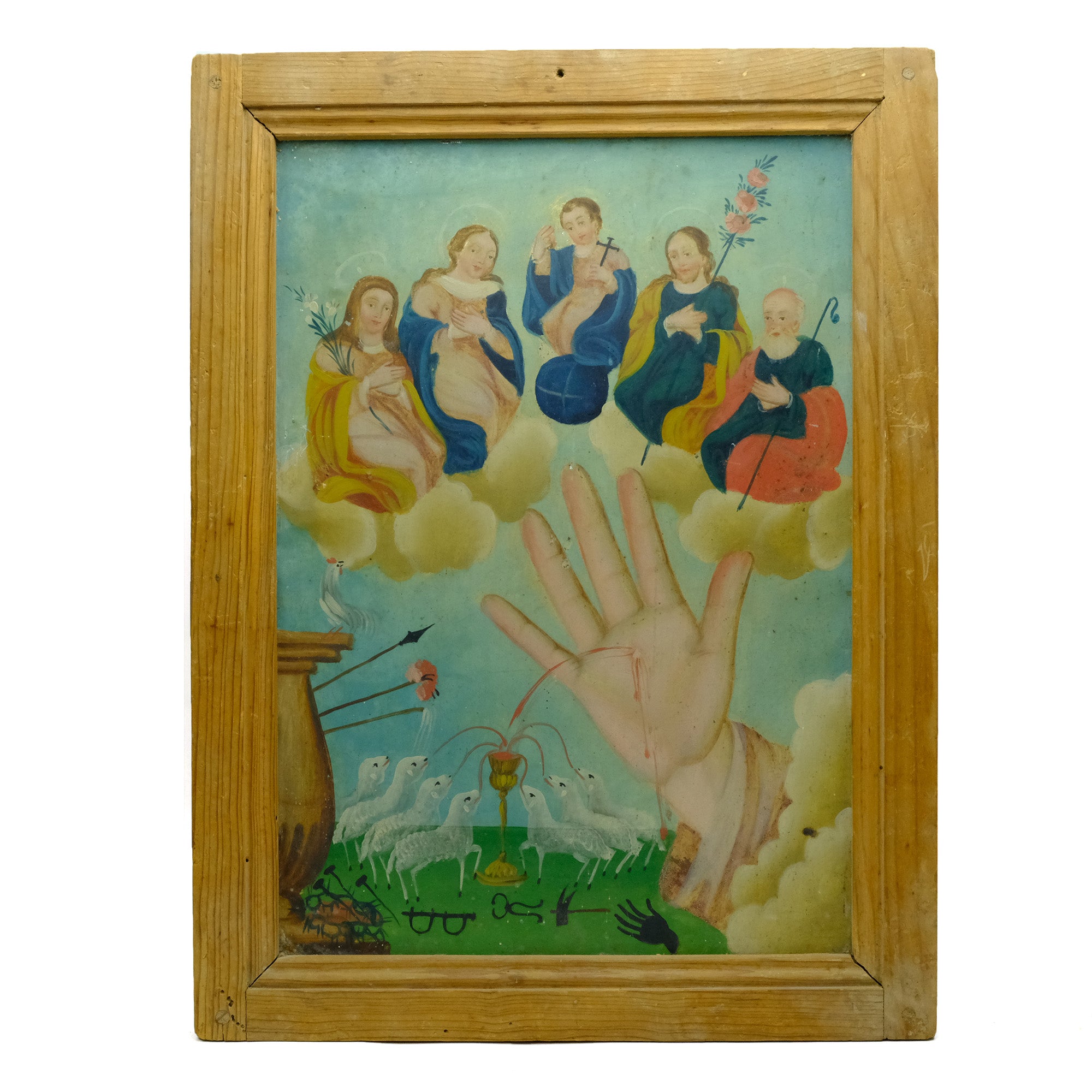
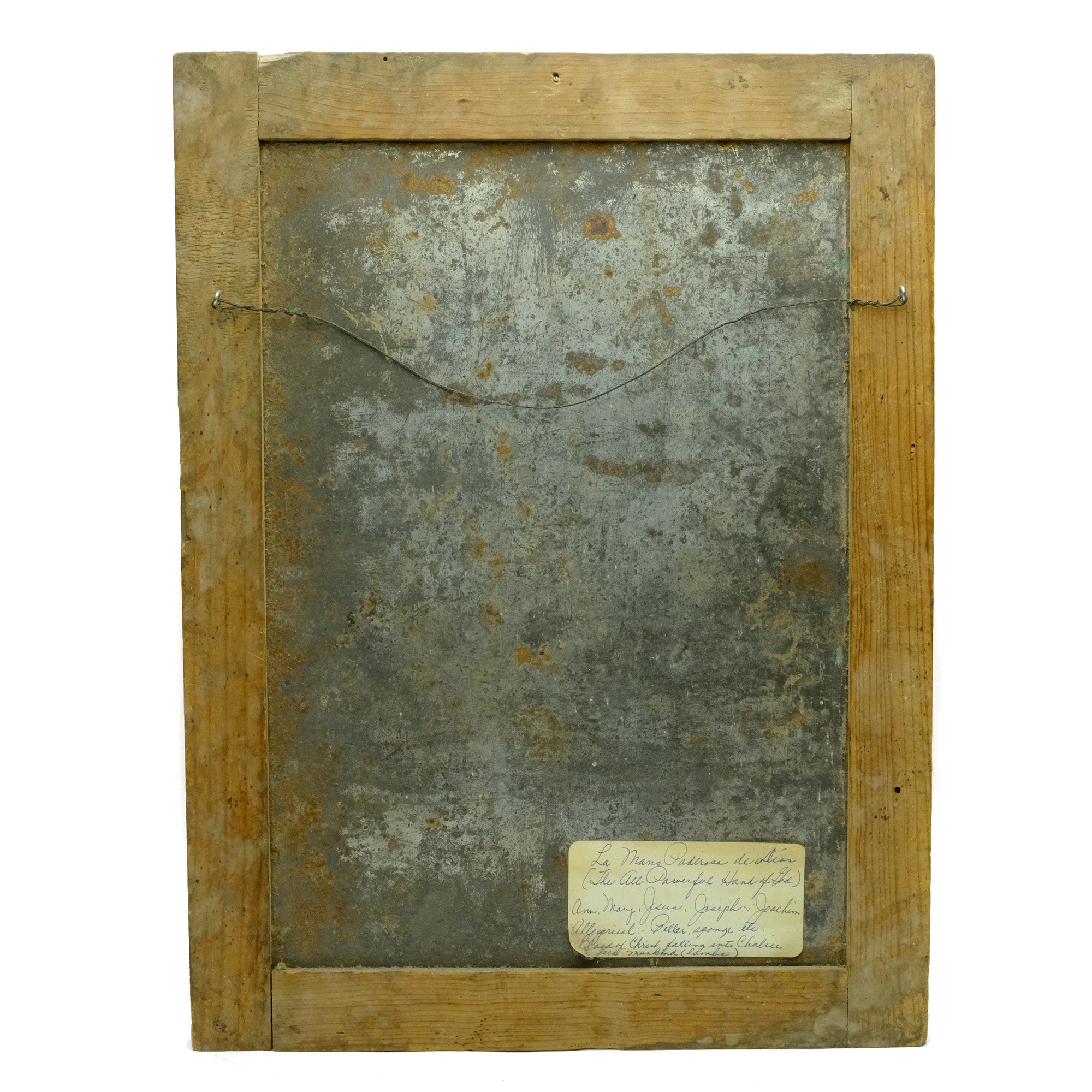
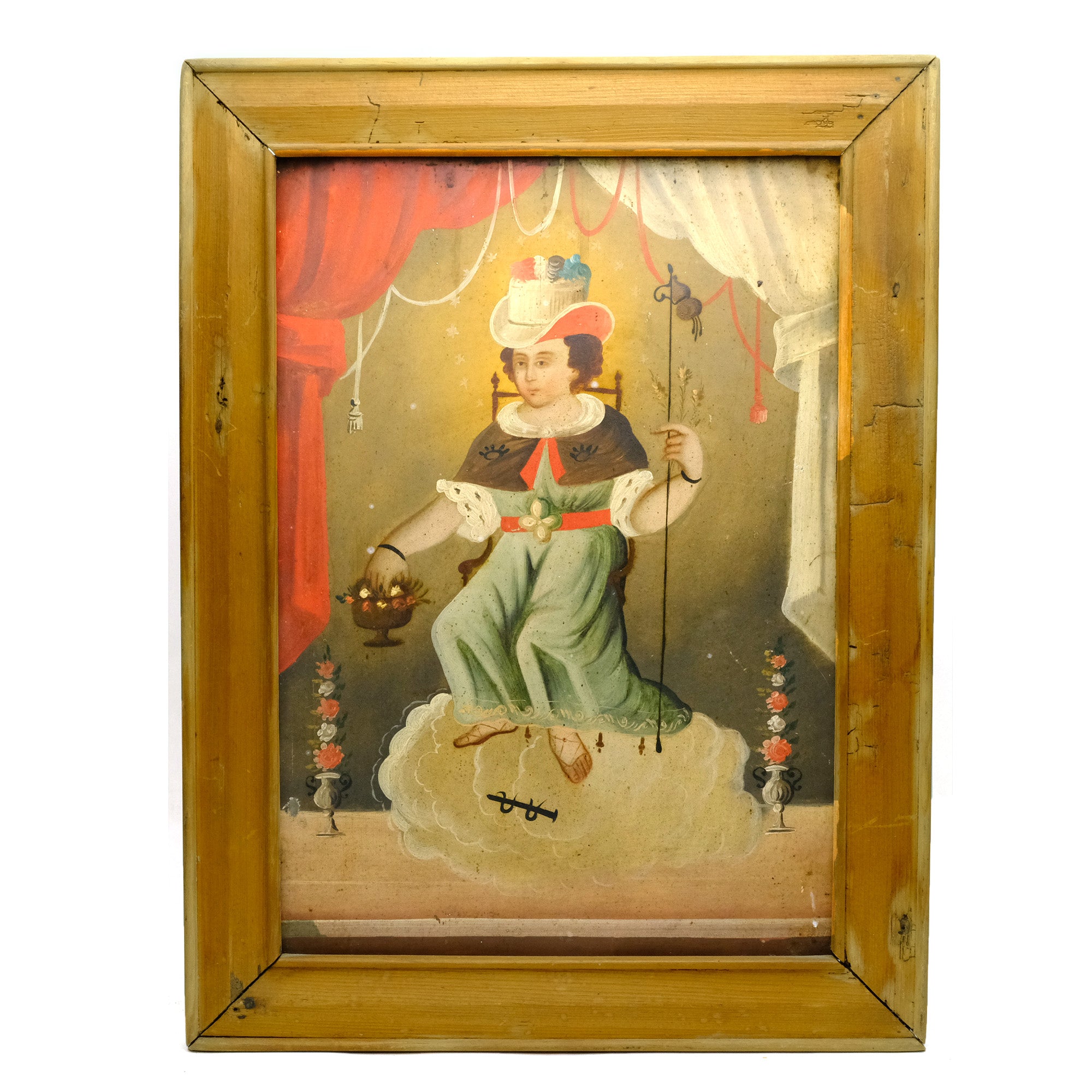
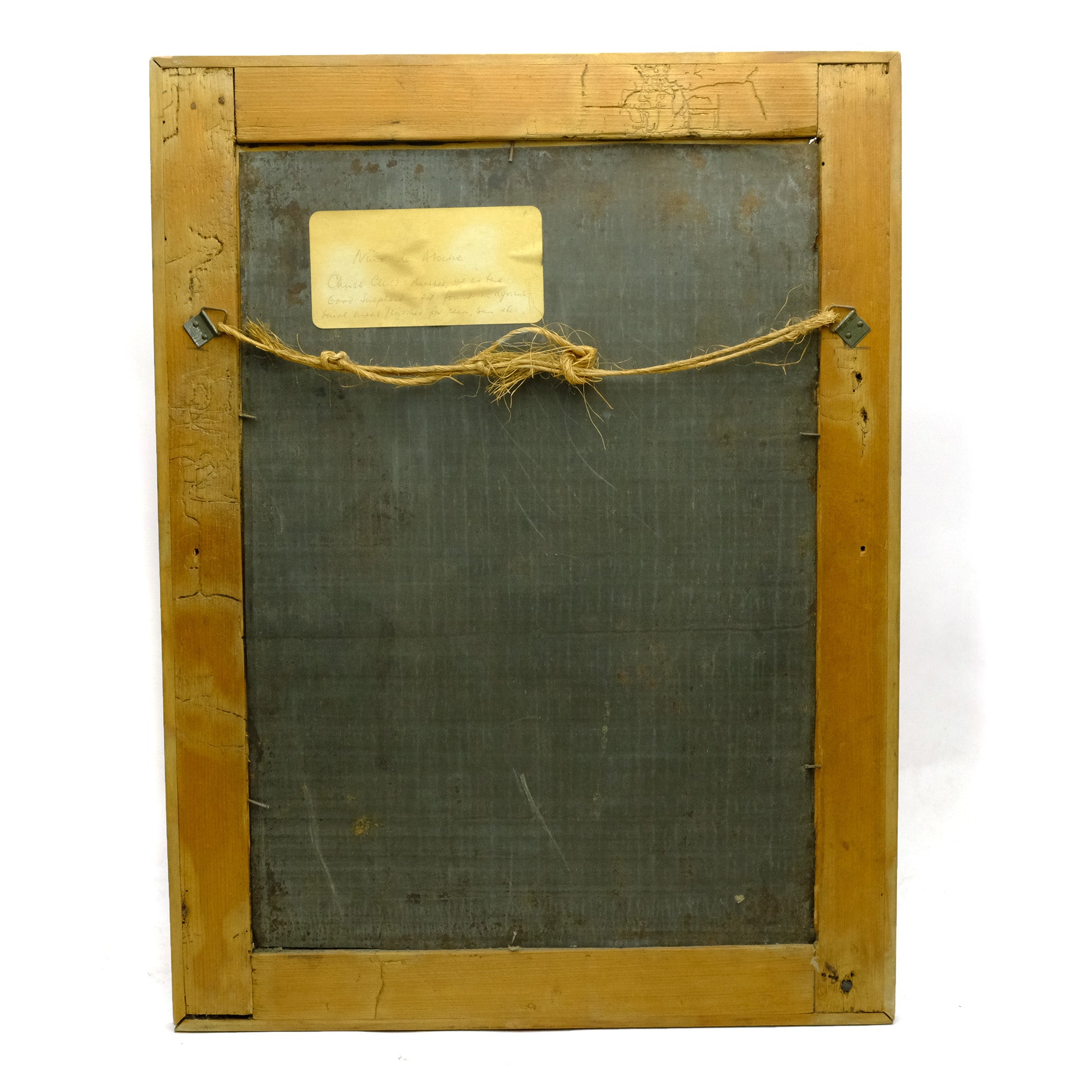
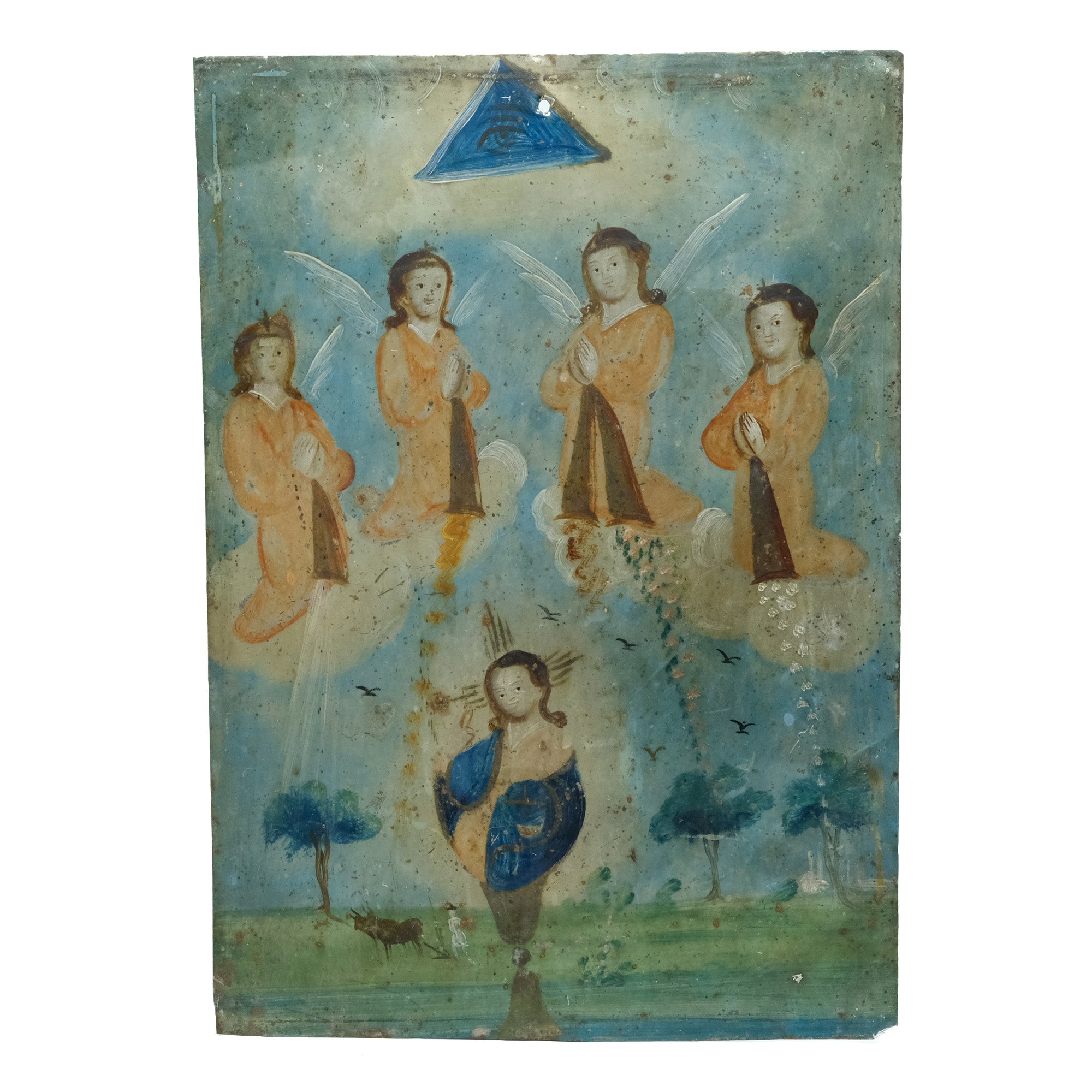
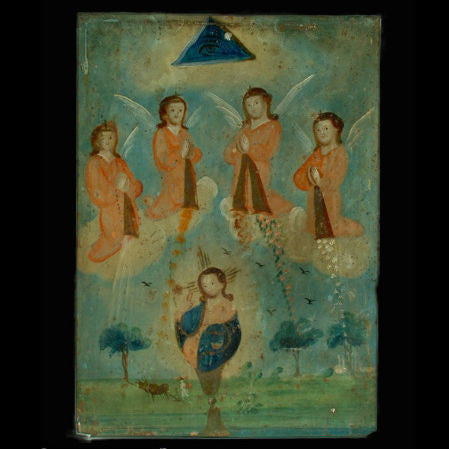
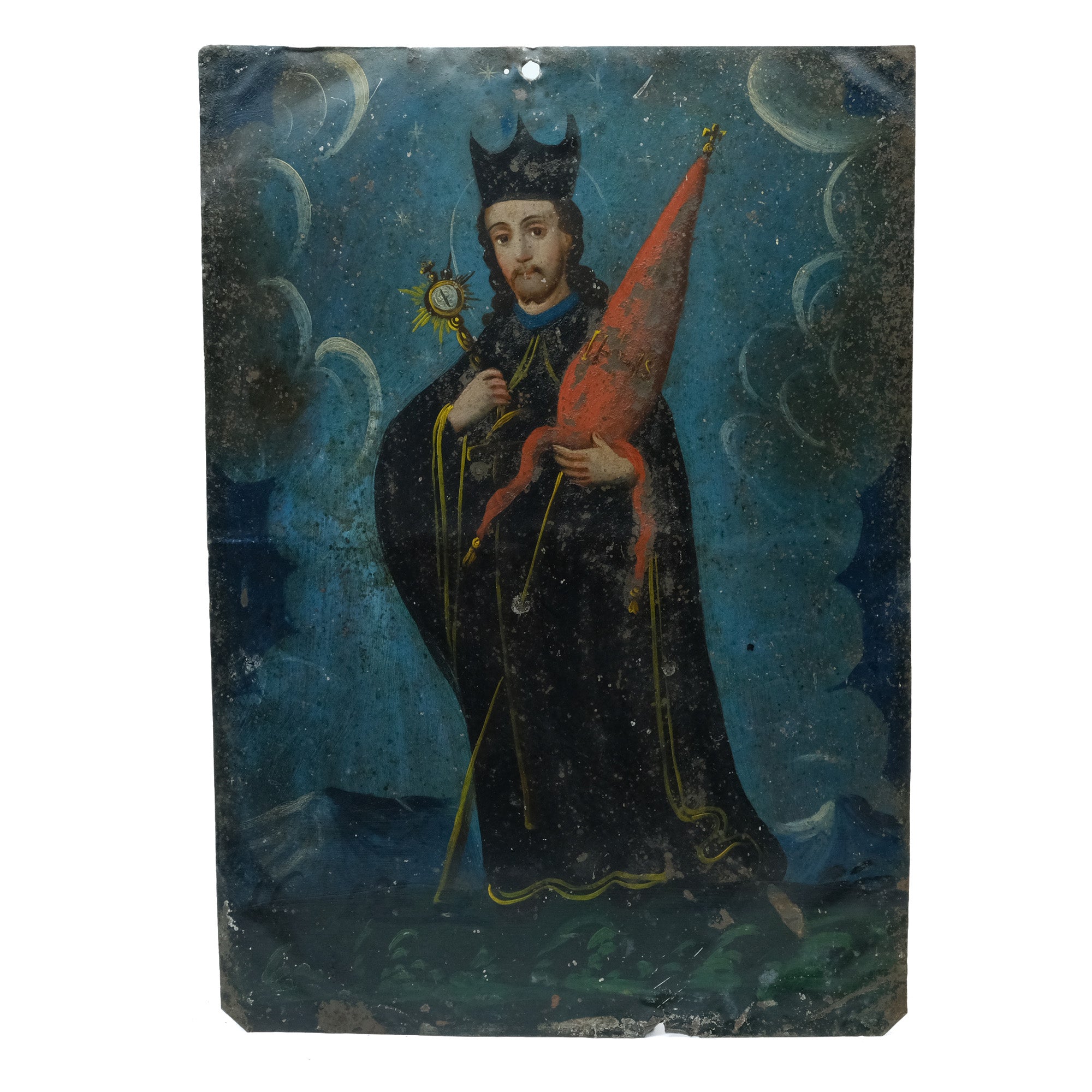
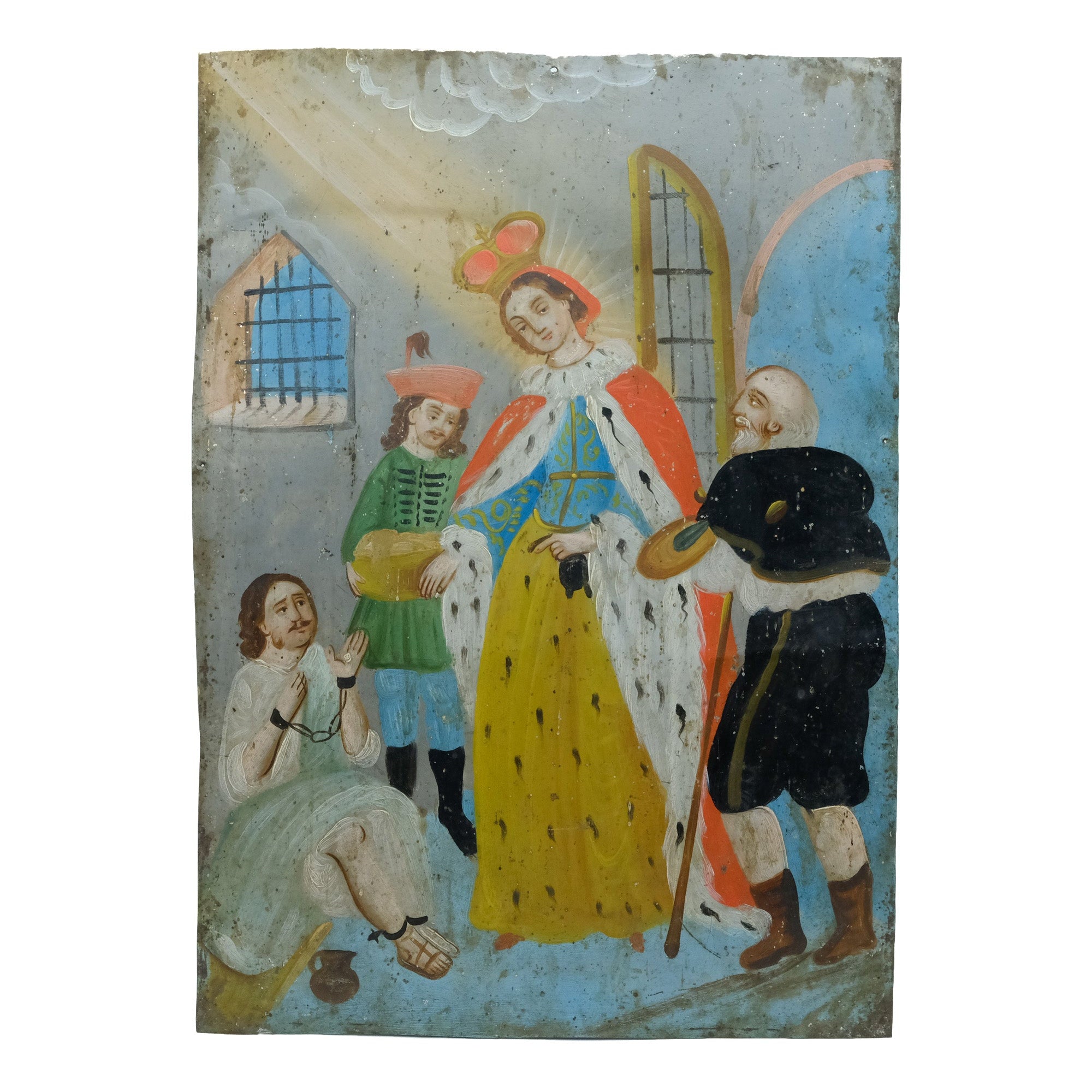
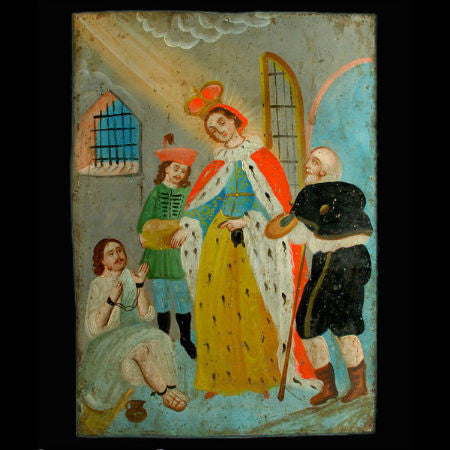
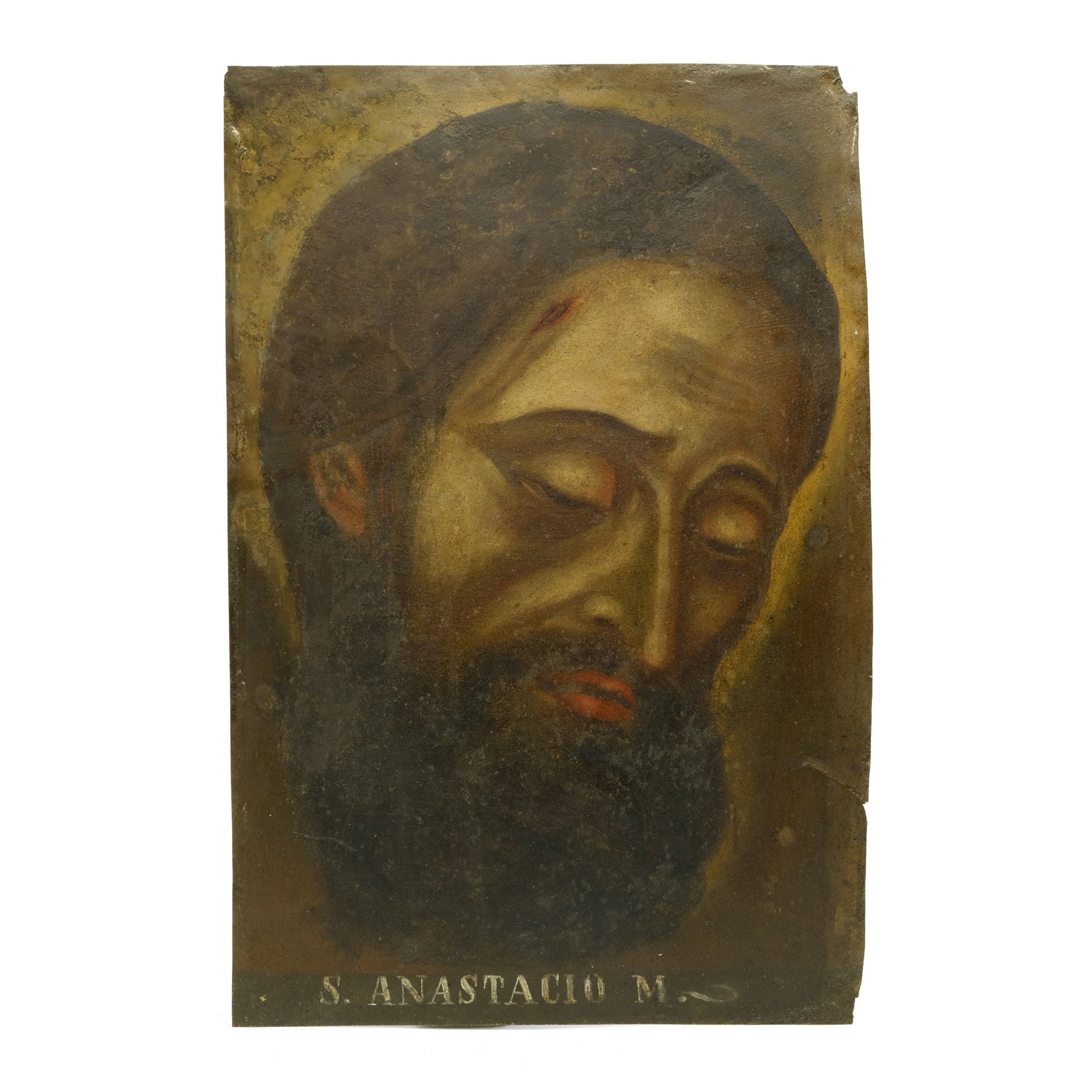
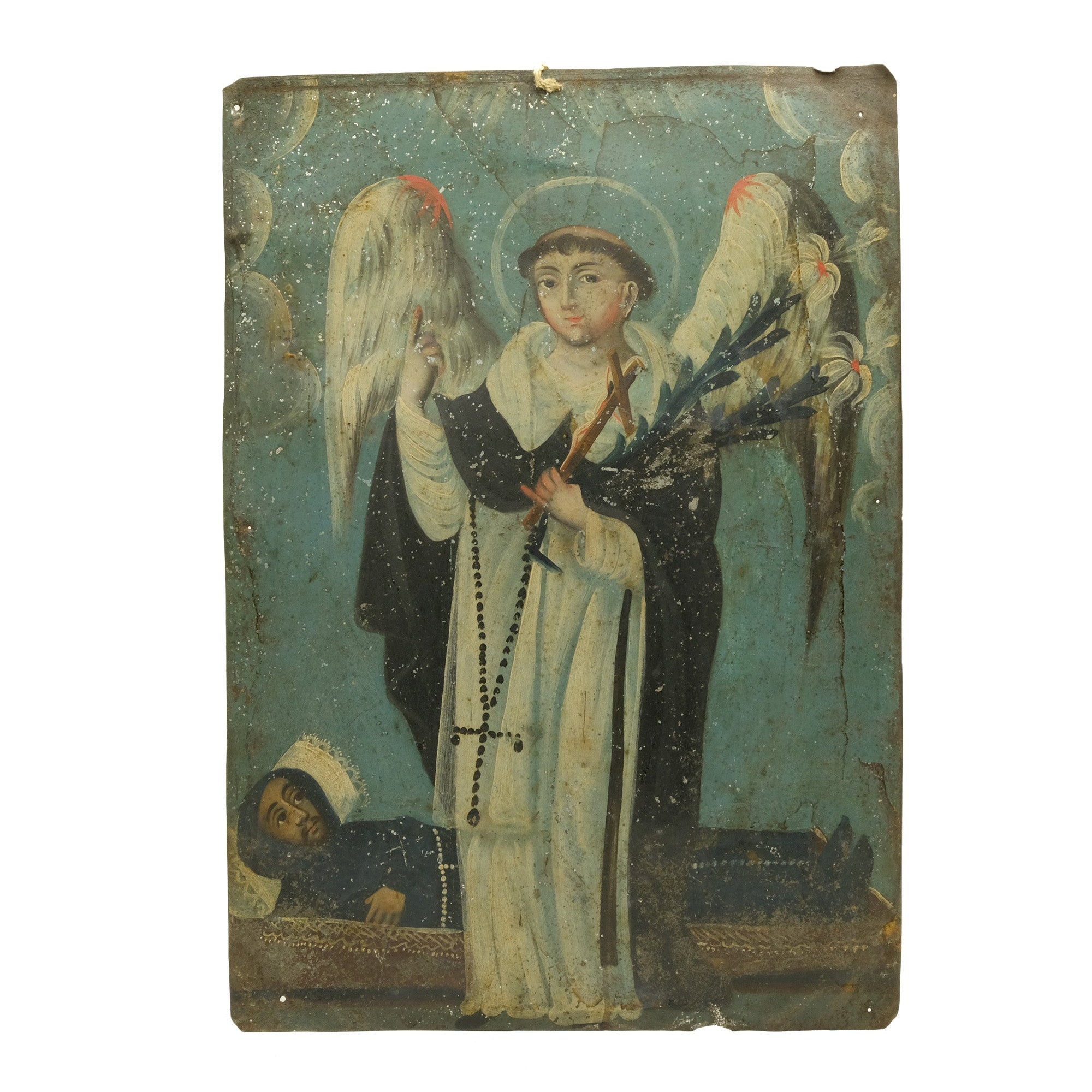
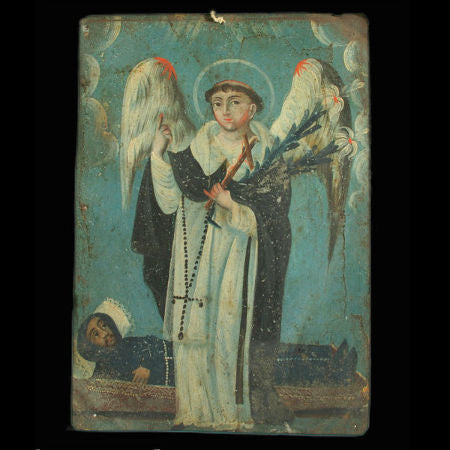
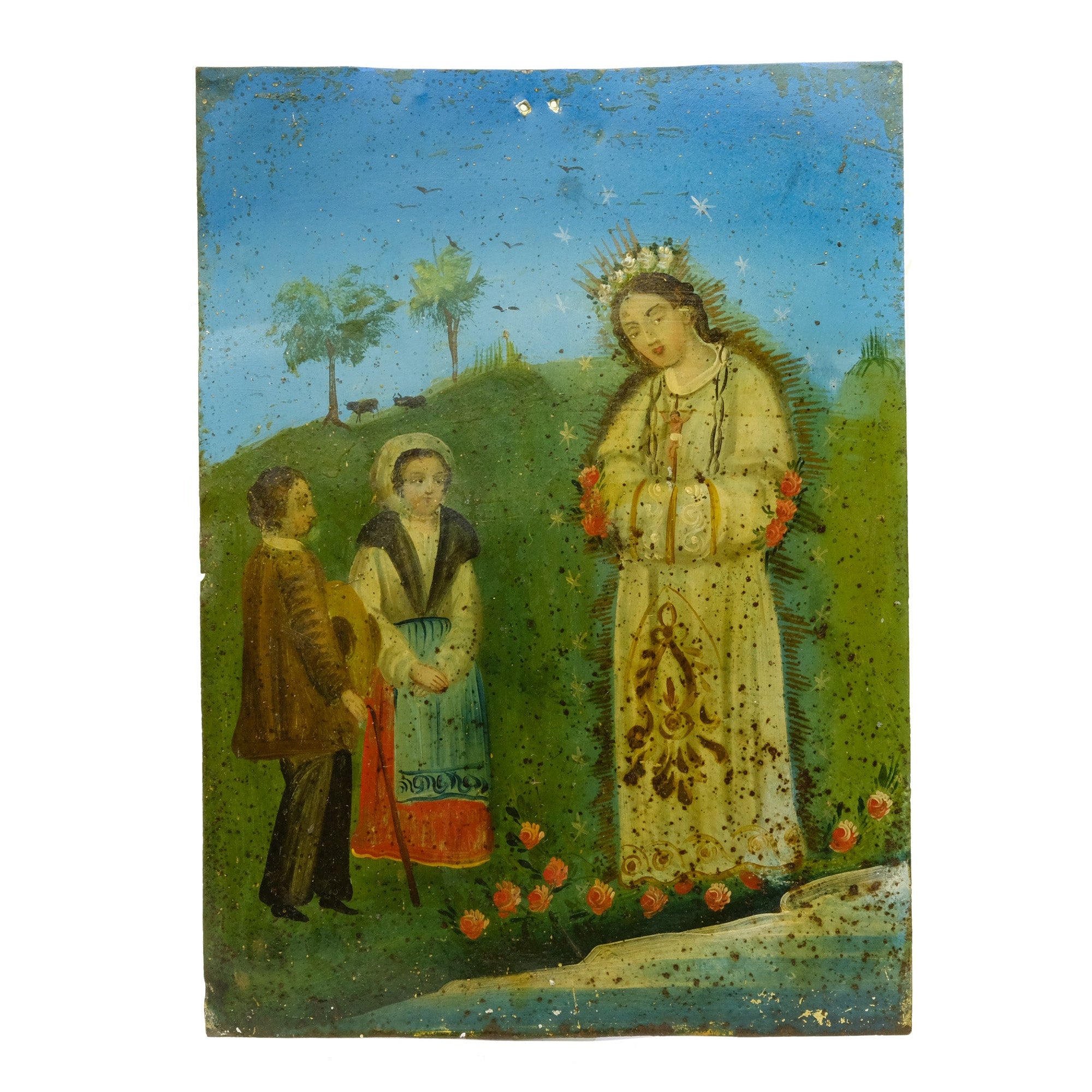
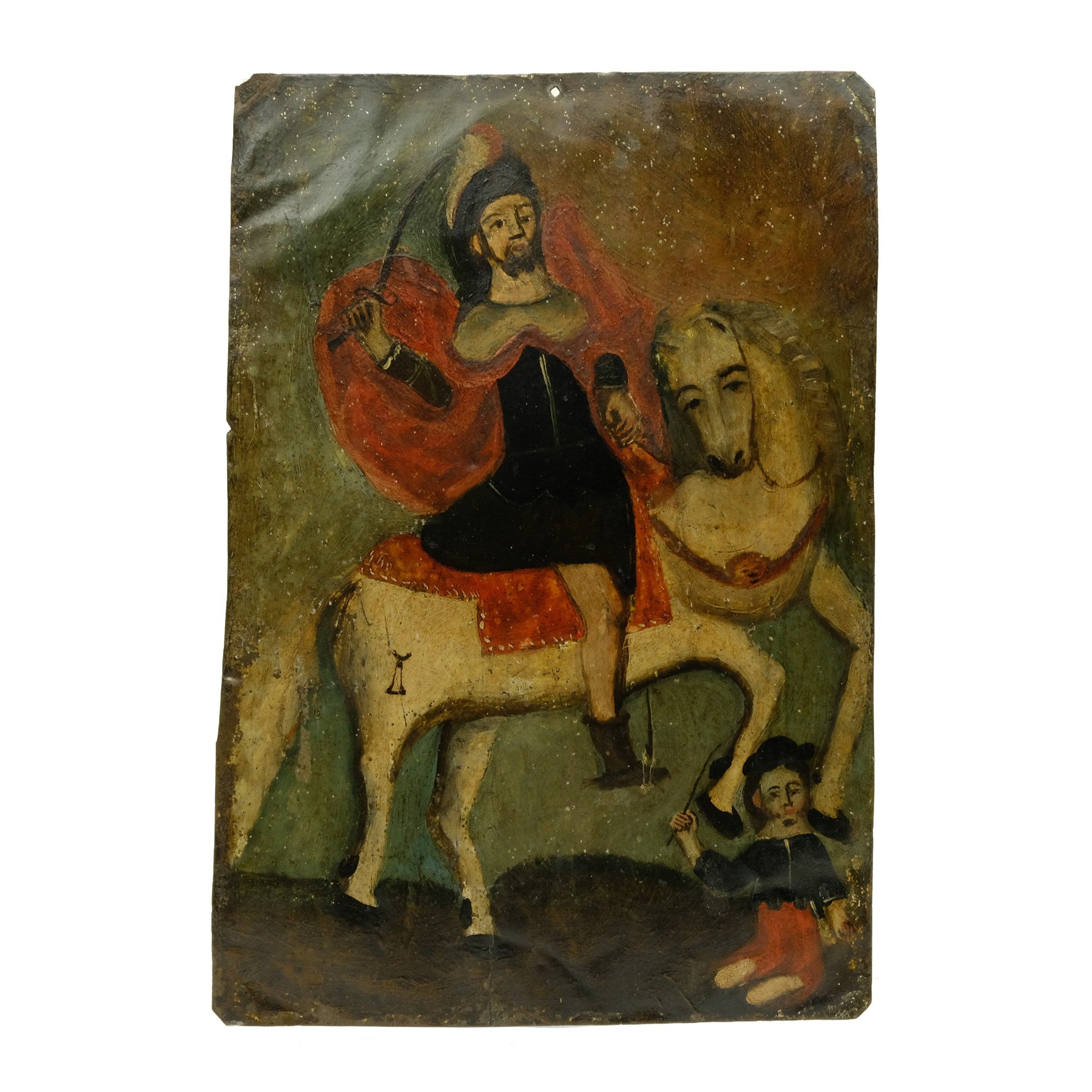
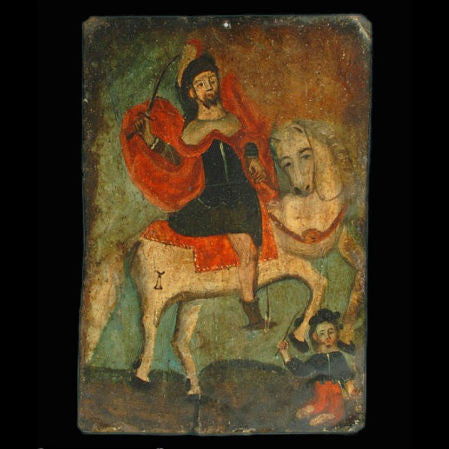
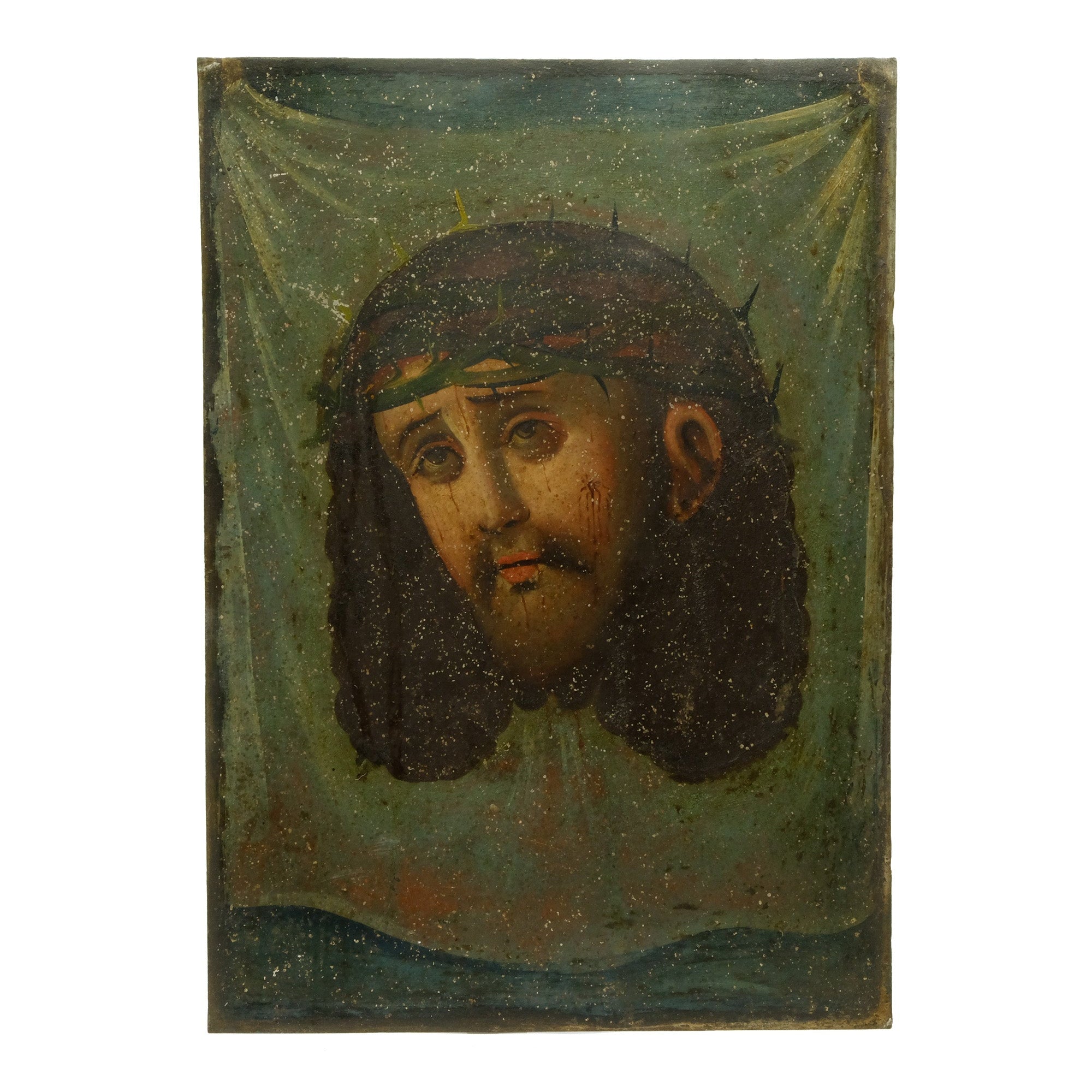
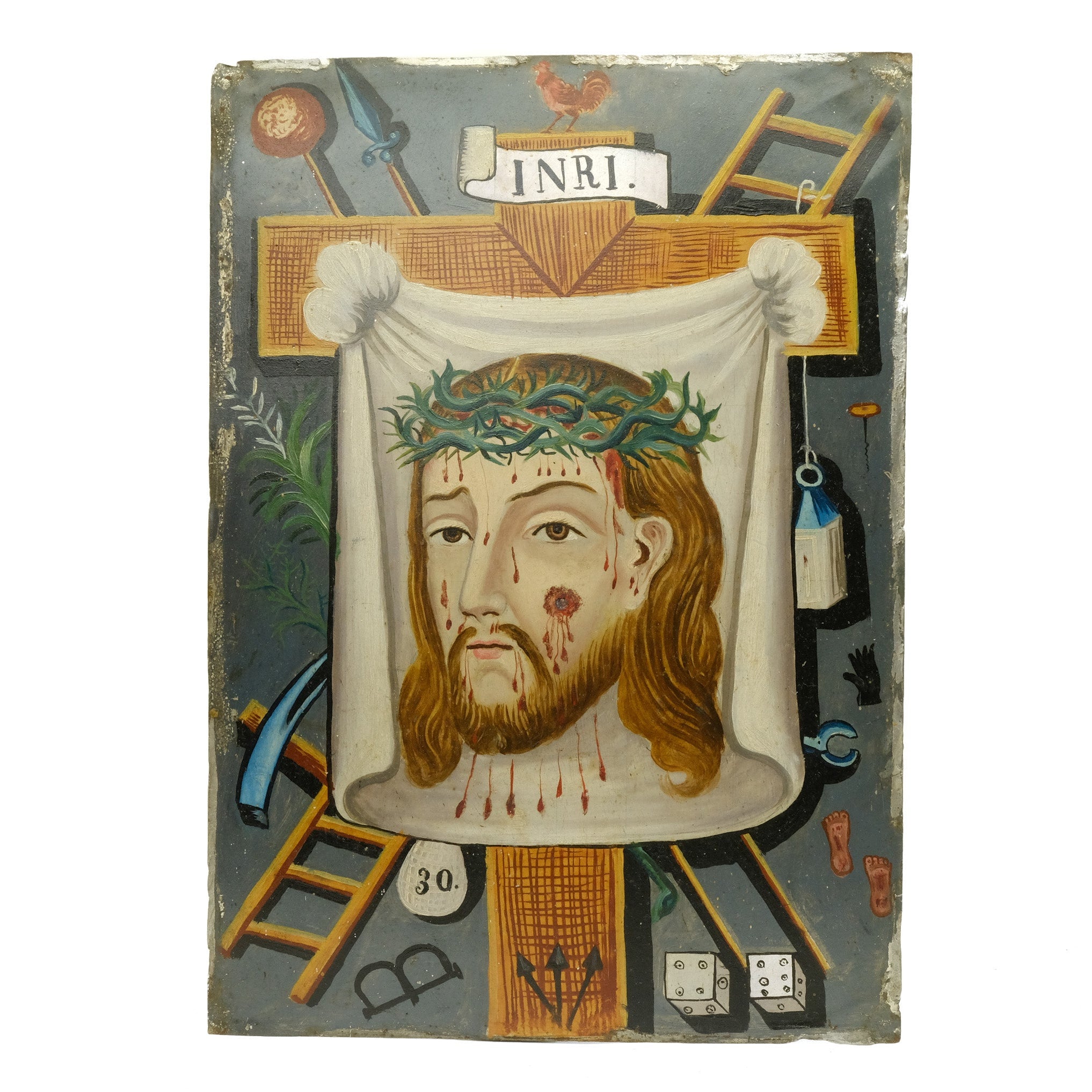
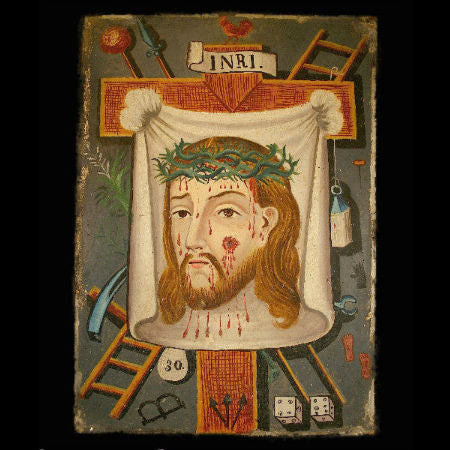
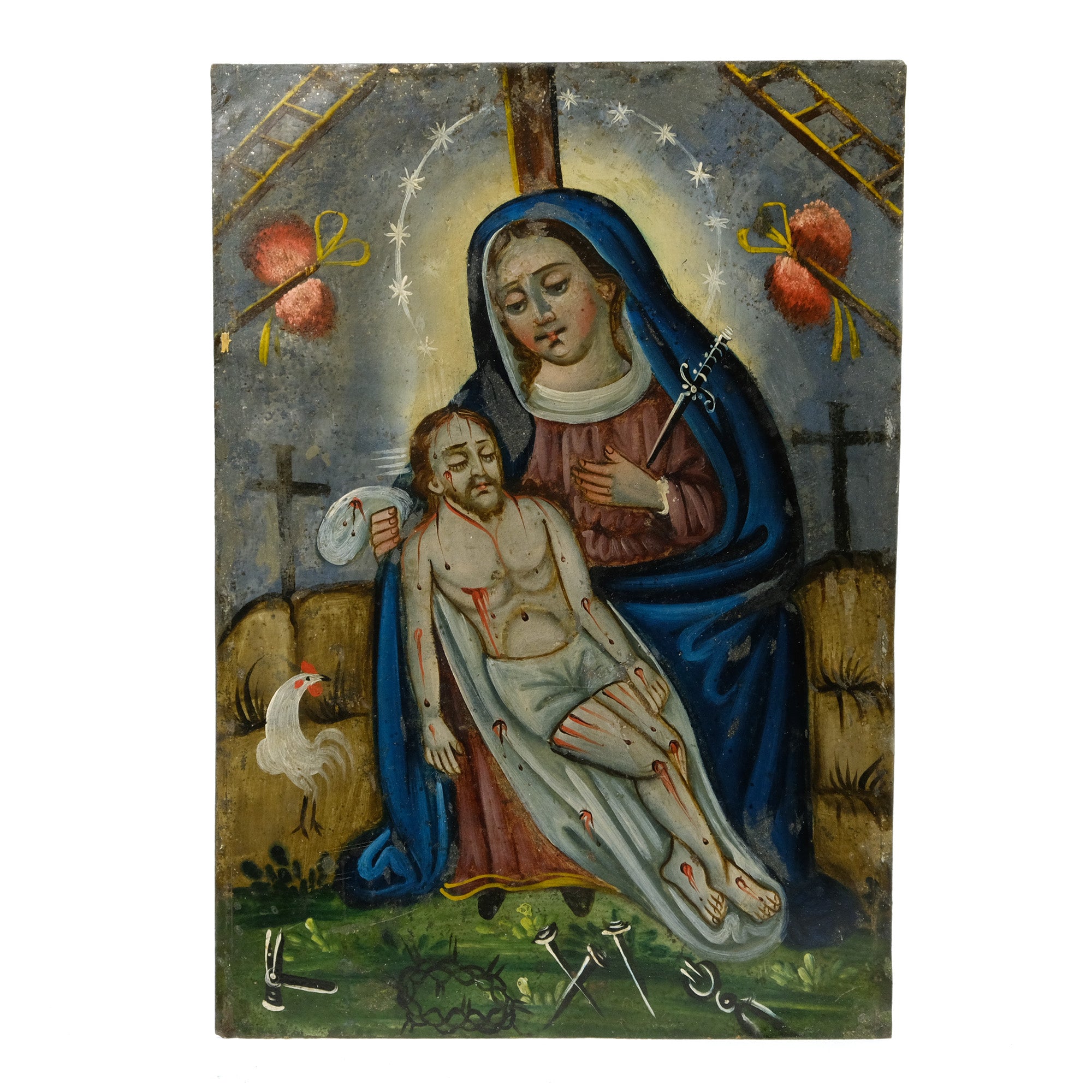
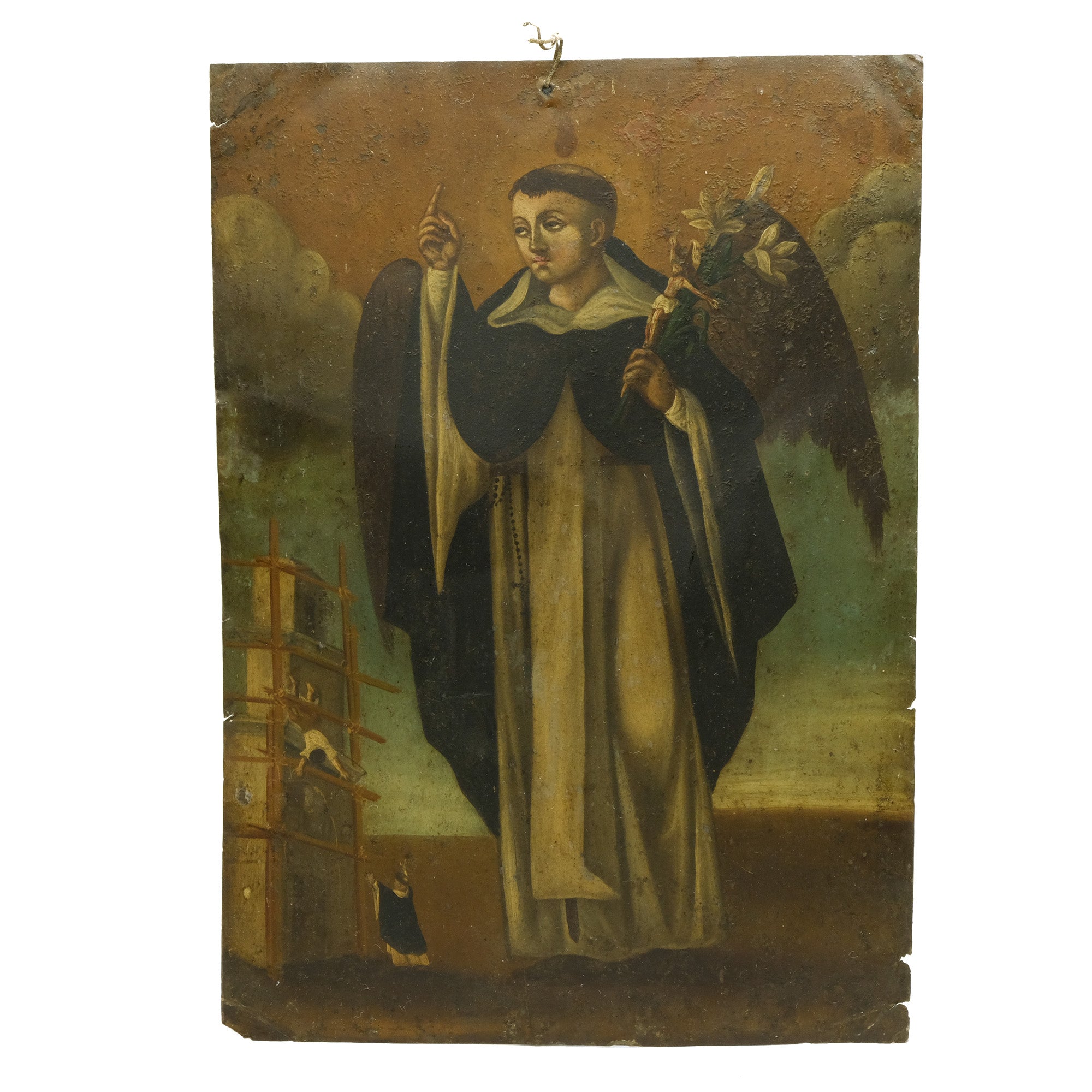
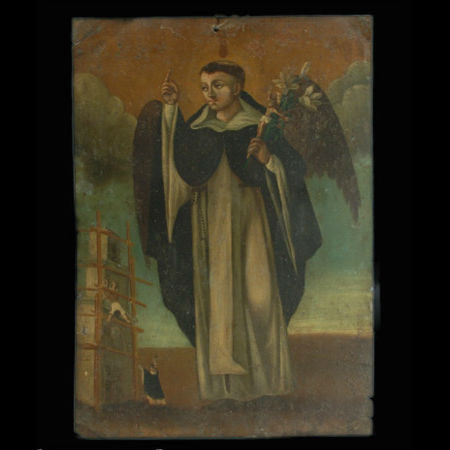
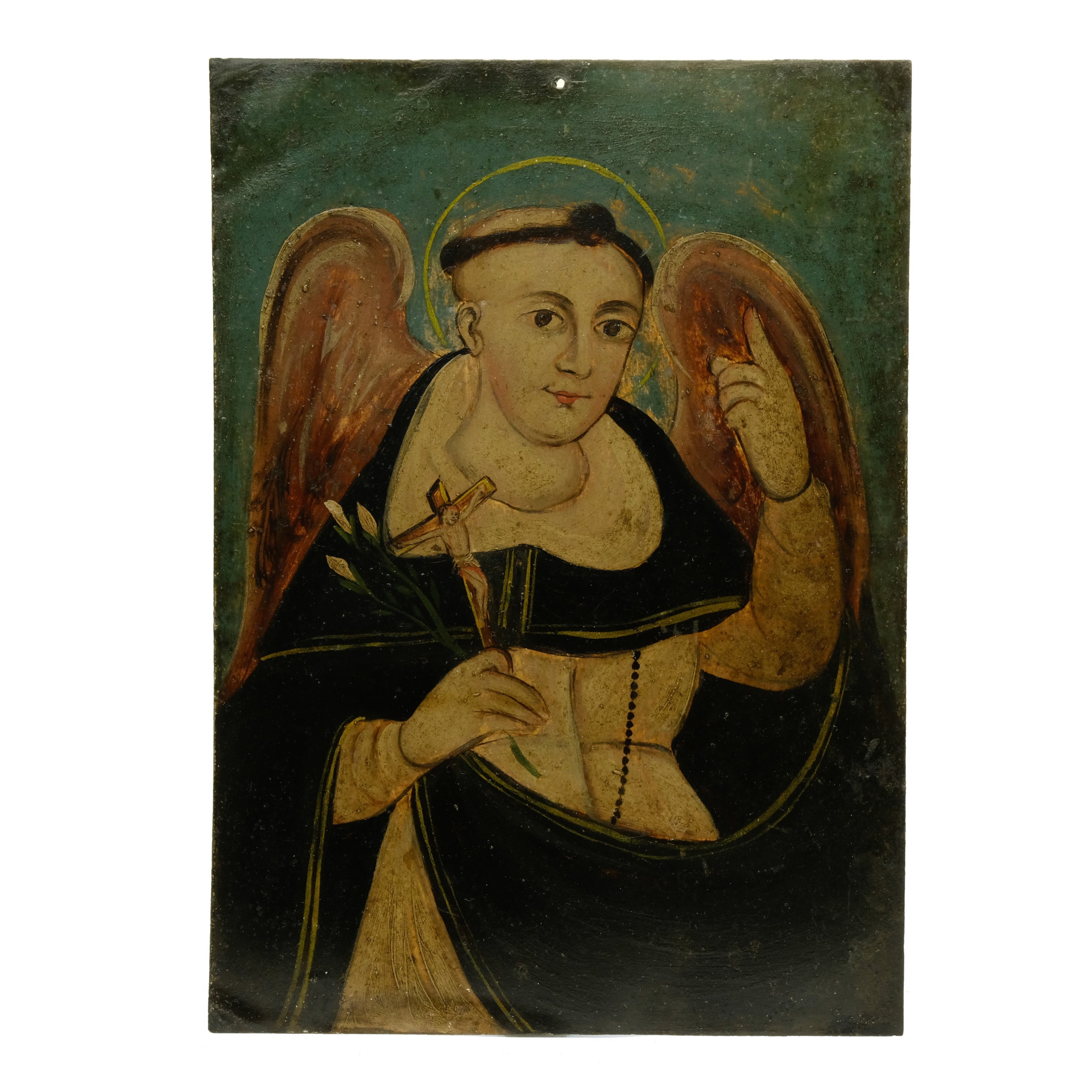
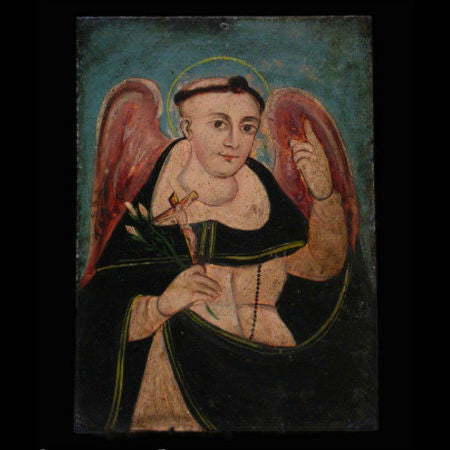
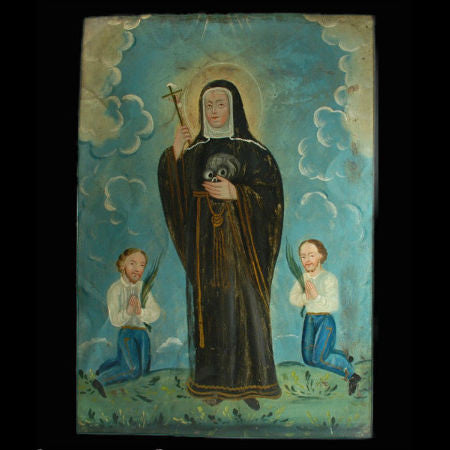
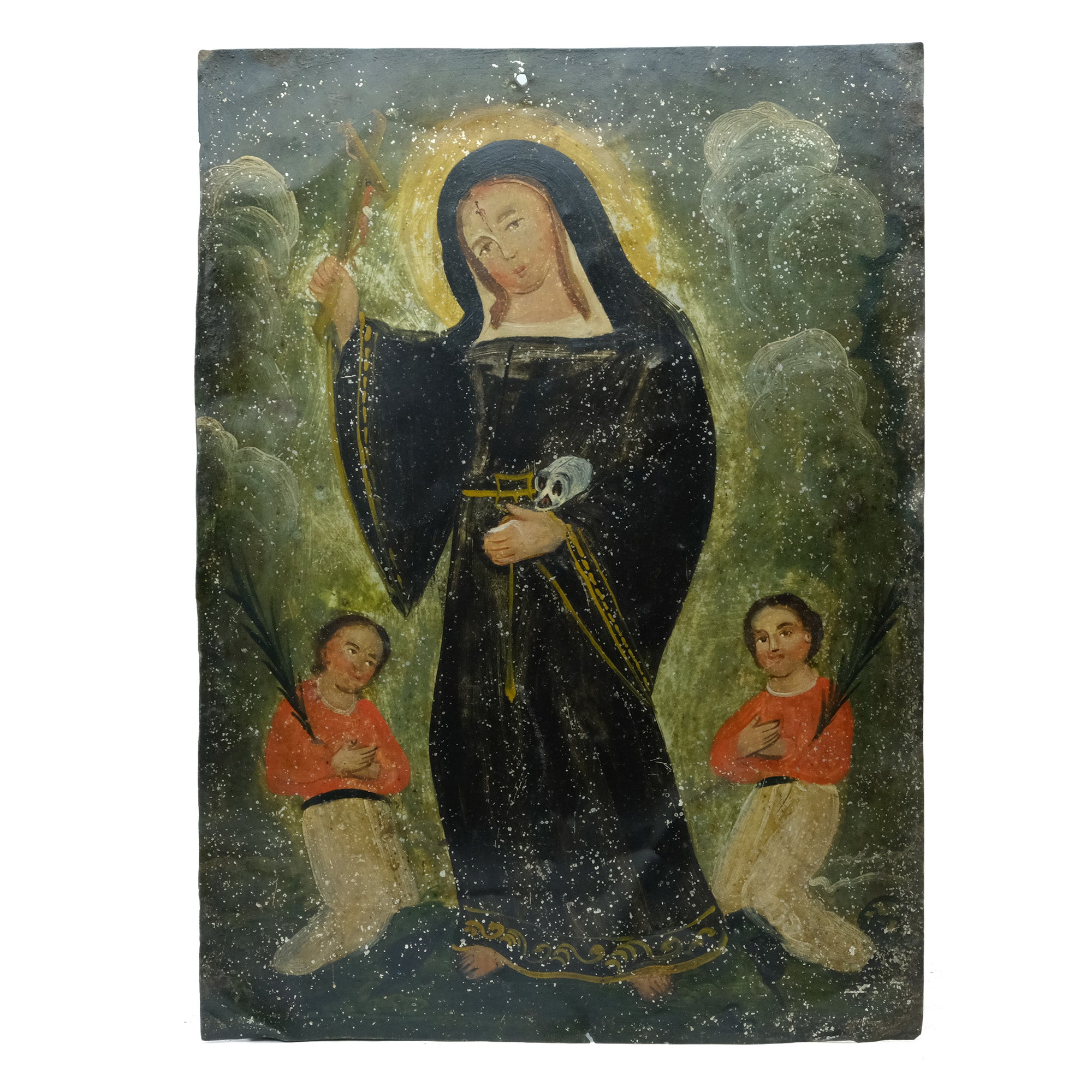
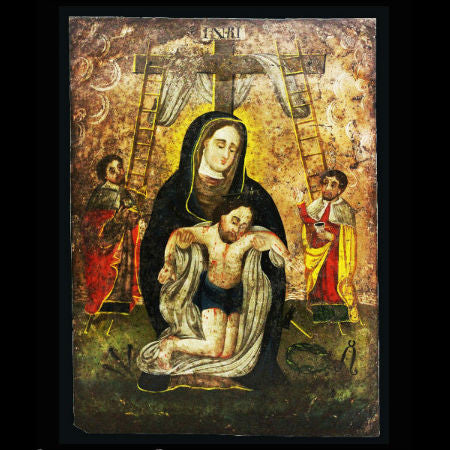
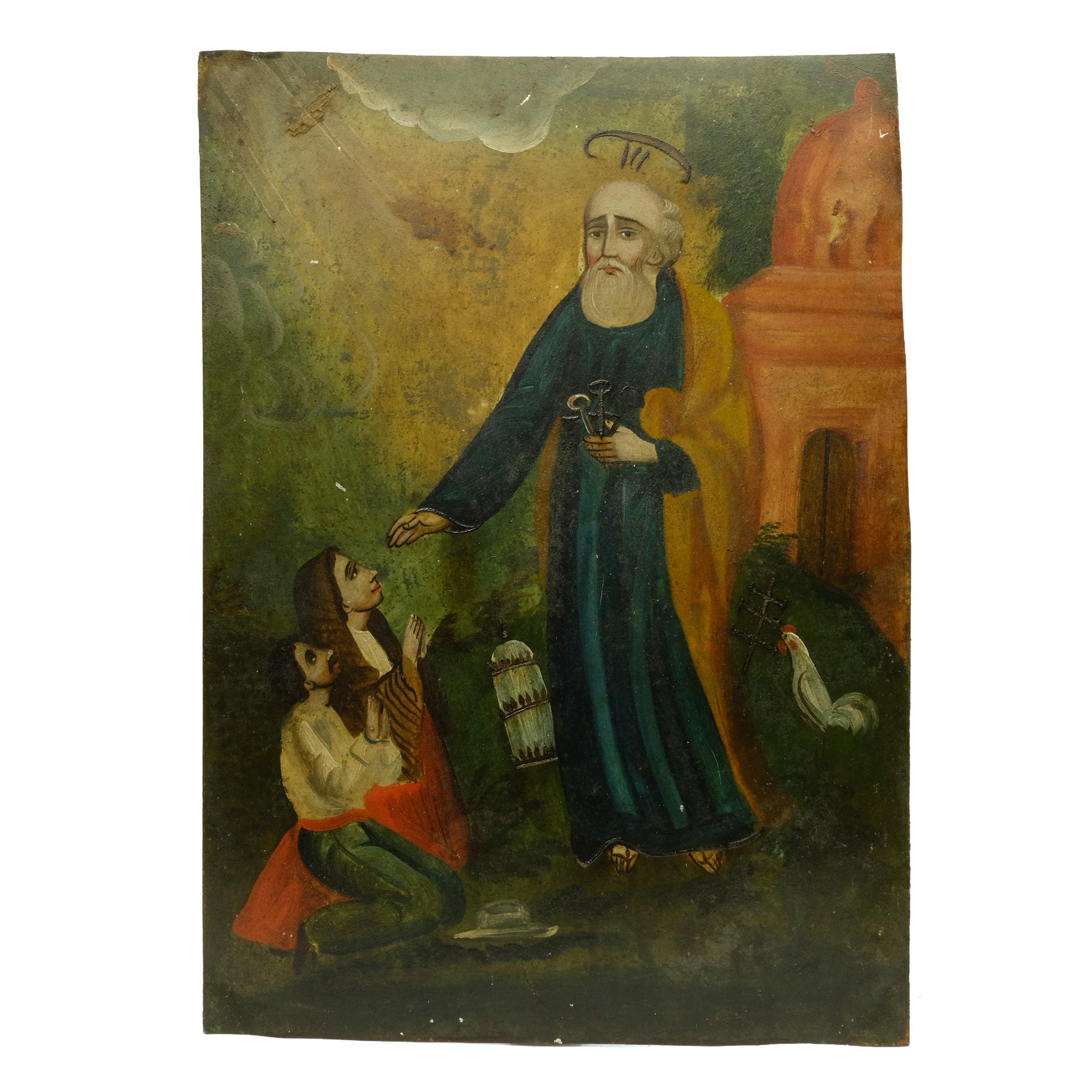
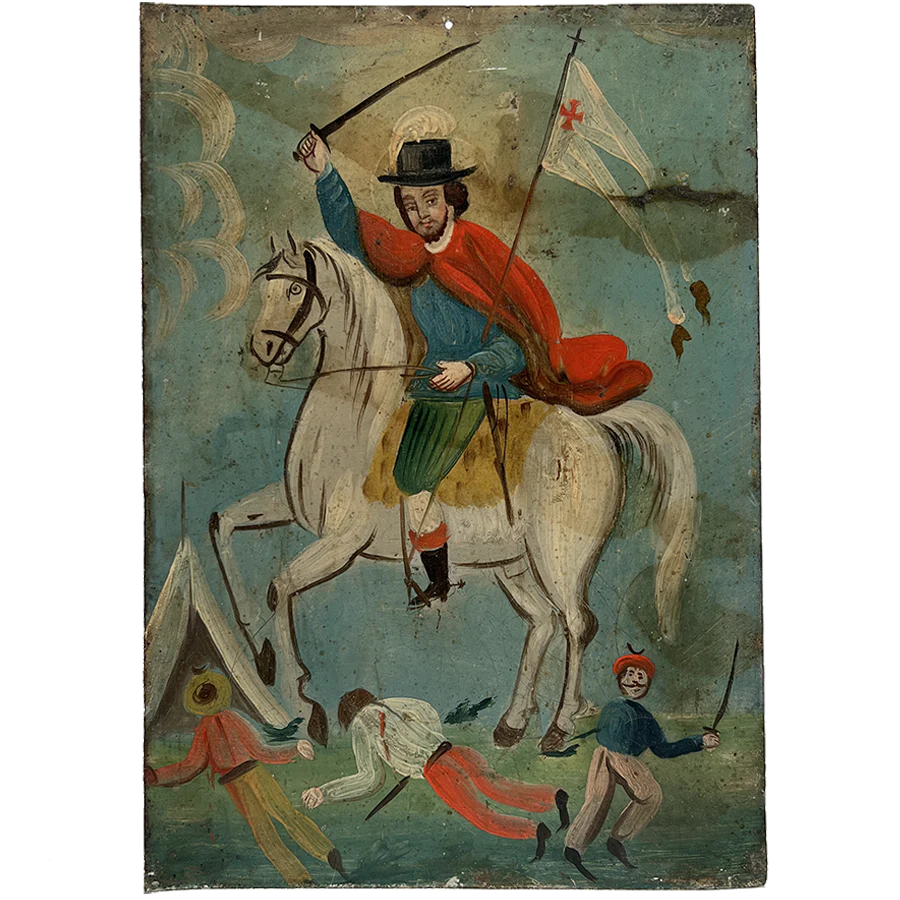
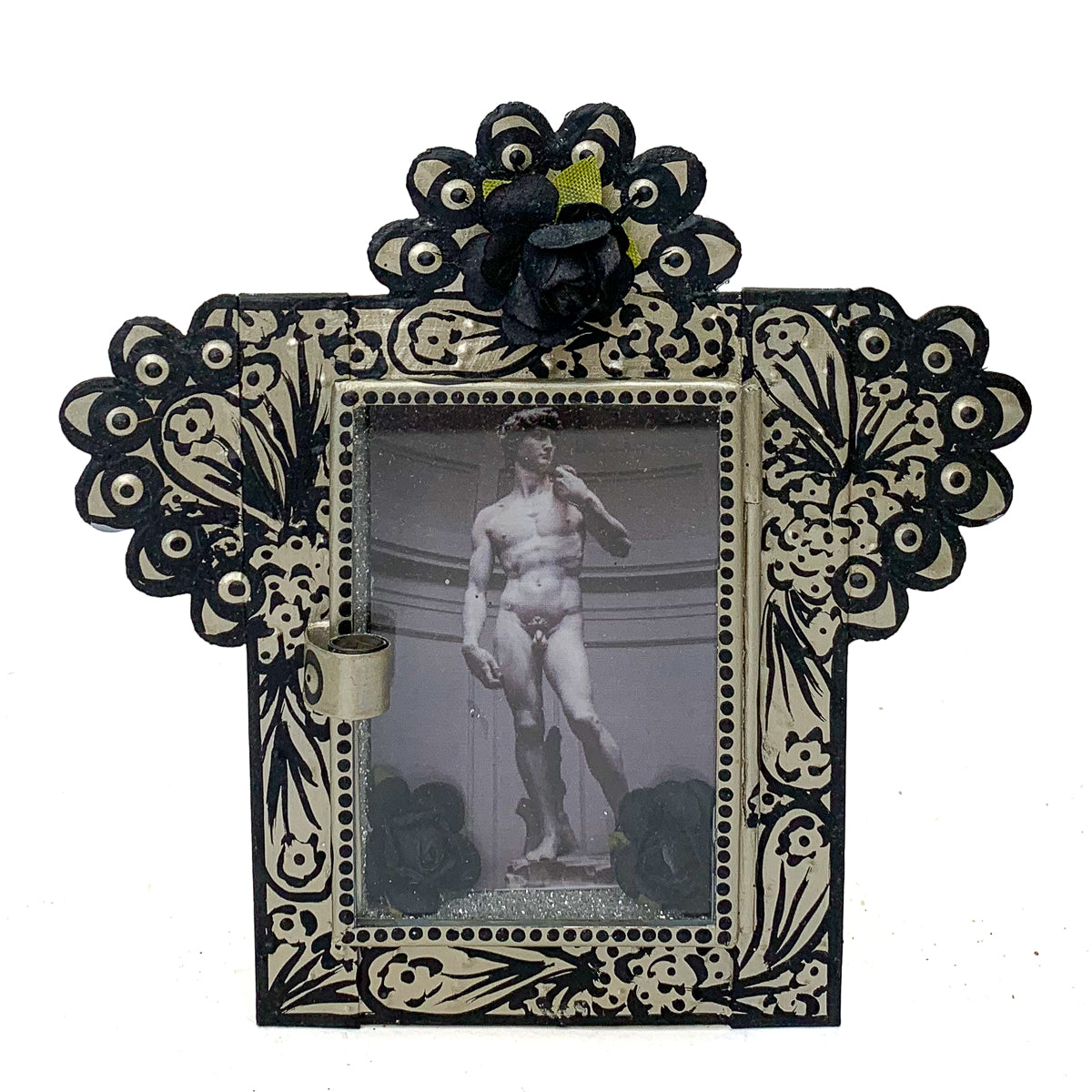
Retablos (also known as láminas) are small oil paintings inspired by traditional Catholic church art depicting Christ, the Virgin Mother, and revered Saints brought to life on tin, wood and occasionally copper. The practice of creating retablos began in Spain hundreds of years ago, and then traveled to the Americas and into Mexico where it was adopted and evolved into an important form of folk art.
Retablo were often displayed in homes of devout believers to honor their Patron Saints and were invoked to aid and remedy any number of situations.
Retablo were often displayed in homes of devout believers to honor their Patron Saints and were invoked to aid and remedy any number of situations.