Elephants are magnificent creatures that played a significant role in many cultures throughout the world, and Indian culture is no exception. The elephant is highly regarded and revered in India, where it represents a symbol of good fortune, longevity, and wisdom. It’s no wonder why the elephant has made its way into numerous Indian myths, stories, and spiritual practices.
The Elephant’s significant role in Indian Culture is not limited to Mythology and Spirituality, either. Even in modern-day India, Elephants continue to have a significant place in society. From being used in battle and as transportation in the ancient times to being trained as working animals in modern agriculture, Elephants have always played an essential part in Indian history and culture.
Understanding the significance of elephants in Indian culture requires delving into the meaning behind the elephant in Indian mythology, architecture, and other everyday aspects of Indian life. The elephant as a symbol in India is multifaceted and holds various meanings, depending on the context. In this article, we will explore the elephant’s role in Indian culture and how it has come to represent a diverse range of things over time. So, let’s dive in!
Elephant symbolism in Hindu mythology
The elephant is a revered symbol in Hindu mythology and plays a prominent role in many stories and legends. It is associated with several powerful gods and goddesses and is seen as a symbol of strength, wisdom, and prosperity. Here are some of the key ways that elephants are represented in Hindu mythology:
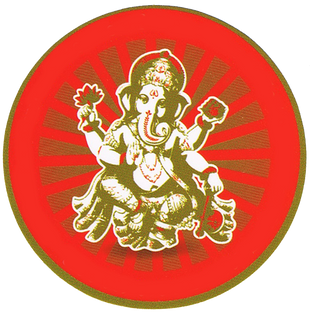
Ganesha: Perhaps the best-known elephant figure in Hindu mythology is Ganesha, the elephant-headed god who is revered as the remover of obstacles and the lord of new beginnings. According to legend, Ganesha was created by his mother Parvati out of clay and brought to life, only to be beheaded by his father Shiva. In order to make amends, Shiva replaced Ganesha’s head with that of an elephant, and he has been worshipped ever since.
Airavata: Airavata is a mythological elephant who is said to be the king of all elephants. According to legend, he was created by the Hindu god Indra to be his personal mount, and he is said to have four tusks and seven trunks. Airavata is also associated with rain and storms, and it is said that he can create rain by flapping his ears.
The Vahana: In Hindu mythology, many gods and goddesses are depicted riding on the backs of various animals, known as Vahanas. The elephant is a popular choice as a Vahana, and several deities are associated with elephant mounts. For example, the goddess Durga is often depicted riding a lion or a tiger, but in some depictions, she is shown riding an elephant.
Elephant as a Sacred Animal in India
The elephant is an animal that is highly revered in Indian culture. It is considered a sacred animal and is known for its intelligence, strength, and durability. The elephant is also associated with good luck, wisdom, and the Hindu god Ganesha.
The elephant is a symbol of strength and power in India. It is often portrayed in Hindu mythology as a mount for deities such as Ganesha, the god of wisdom and good fortune.
Elephants are also used in religious ceremonies and festivals in India. They are adorned with colorful drapes and are paraded through the streets during these celebrations.
Elephants have also been used in Indian warfare and are known for their fearless and unwavering loyalty. They were often used as a means of transportation for soldiers and were a symbol of power and strength on the battlefield.
The elephant also plays a significant role in Indian art and culture. It has been depicted in various forms, such as paintings, sculptures, and jewelry, as a symbol of good luck, strength, and prosperity. The ivory tusks of elephants have also been considered a precious commodity, used in the making of intricate carvings and jewelry.
However, the elephant population in India has declined over the years due to poaching, habitat loss, and human-wildlife conflict. Conservation efforts are now being undertaken to protect these majestic animals and their habitats, and to ensure their survival for future generations.
Elephant Symbolism Meaning
Strength and Power The elephant is a symbol of strength and power in Indian culture and is often associated with deities and royalty.
Good Luck Elephants are considered a symbol of good luck in Indian culture and are often used in religious ceremonies and festivals.
Wisdom and Intelligence The elephant is known for its intelligence and wisdom, and is a favored animal in Hindu mythology and folklore.
In conclusion, the elephant is a sacred animal in Indian culture and has played an important role in the country’s history, art, and religion. It symbolizes strength, power, intelligence, and good luck, and is an important part of Indian identity and heritage. Conserving the elephant population in India is crucial to maintaining the rich cultural heritage and biodiversity of the country.
Elephant-headed deity Ganesha and his significance
One of the most well-known and beloved Hindu deities is Ganesha, the elephant-headed god. Ganesha is recognized as the patron of arts, sciences, and wisdom, and his presence is invoked at the beginning of new endeavors. His significance in Indian culture is vast, with many interpretations and symbolisms associated with him.
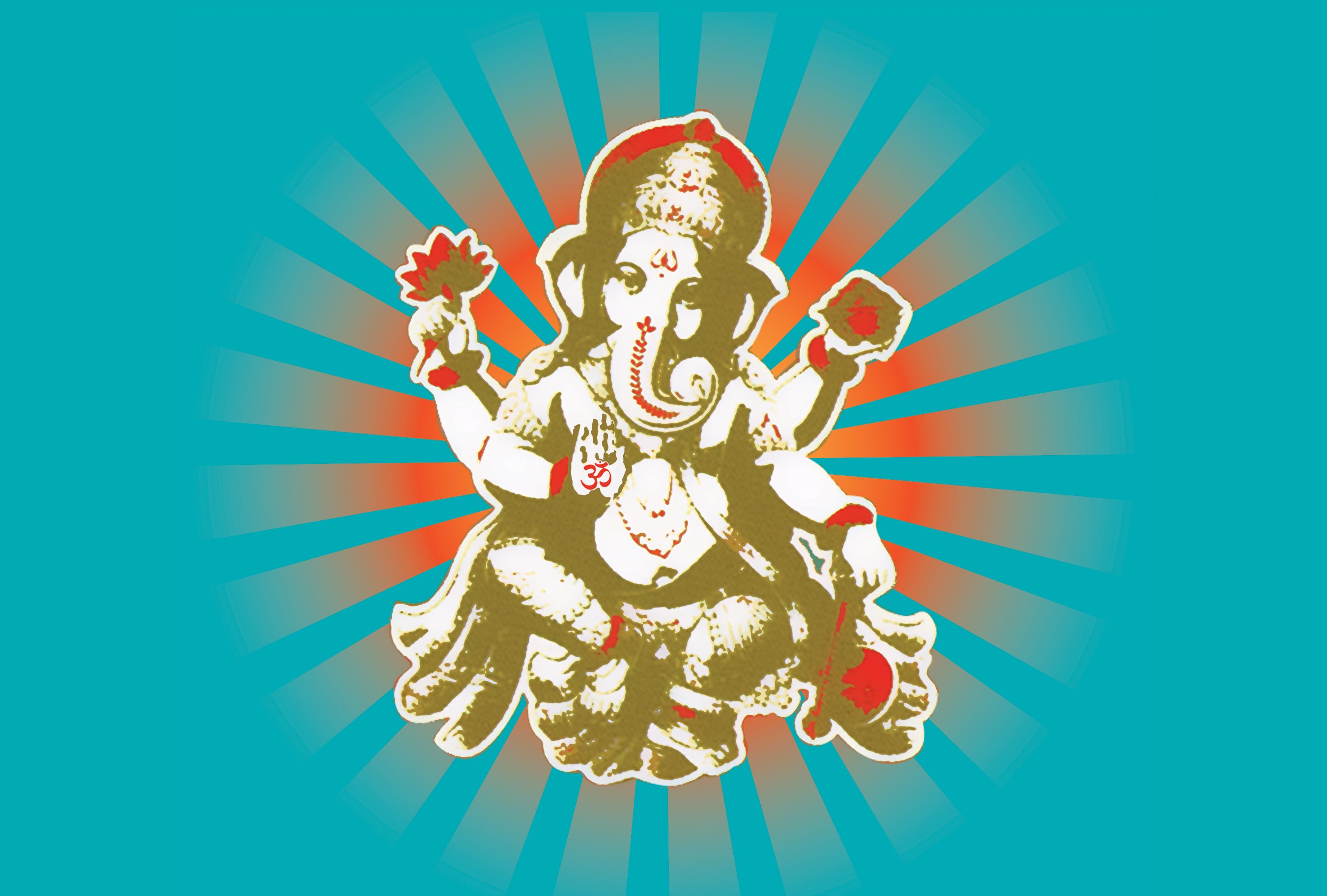
Ganesha is traditionally depicted with an elephant head and a plump human body. The elephant head represents wisdom, and the human body represents the realization of human potential.
He is typically shown with four arms, each holding symbolic objects such as a lotus flower, an axe, or a bowl of sweets. These objects represent wealth, power, and spiritual attainment.
Ganesha is also commonly associated with the removal of obstacles, as well as the prevention of new ones. His elephant head is said to be a powerful symbol of intelligence and foresight, enabling him to see beyond the surface level and anticipate potential problems before they arise.
Many Hindus recognize Ganesha as a gentle and playful deity, with a lighthearted demeanor that is often depicted through his appearance. His chubby figure and elephant head are often interpreted as a representation of the joys of life, and his playful nature is considered to be infectious.
In addition to his more spiritual associations, Ganesha is also a popular cultural figure who is celebrated in festivals and holidays throughout India. The most famous of these is Ganesh Chaturthi, a 10-day festival during which statues of Ganesha are paraded through the streets and then submerged in bodies of water. This festival is recognized as one of the most significant cultural events in India, and it draws millions of tourists and participants each year.