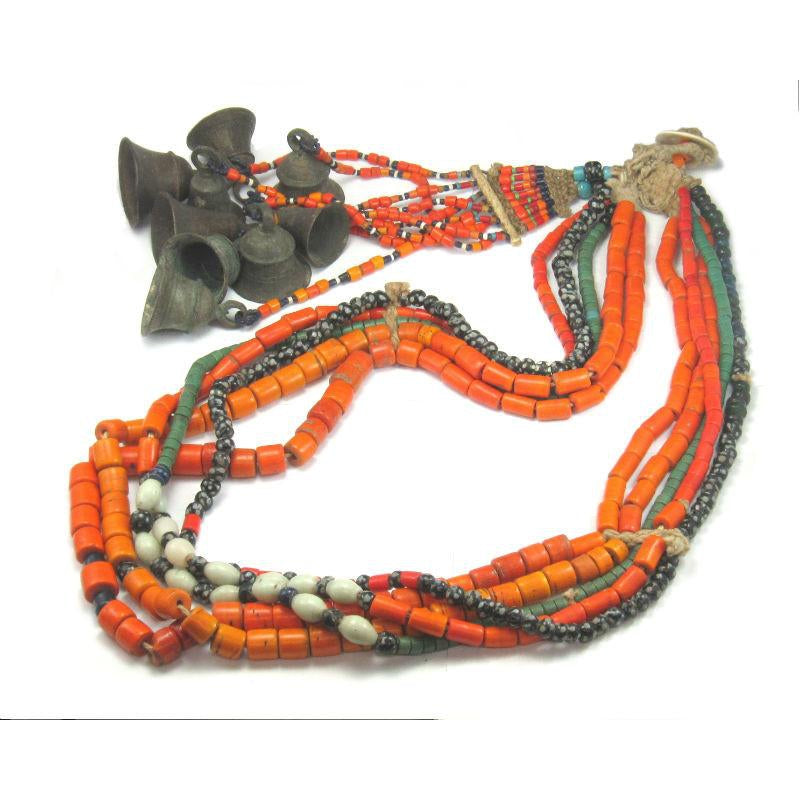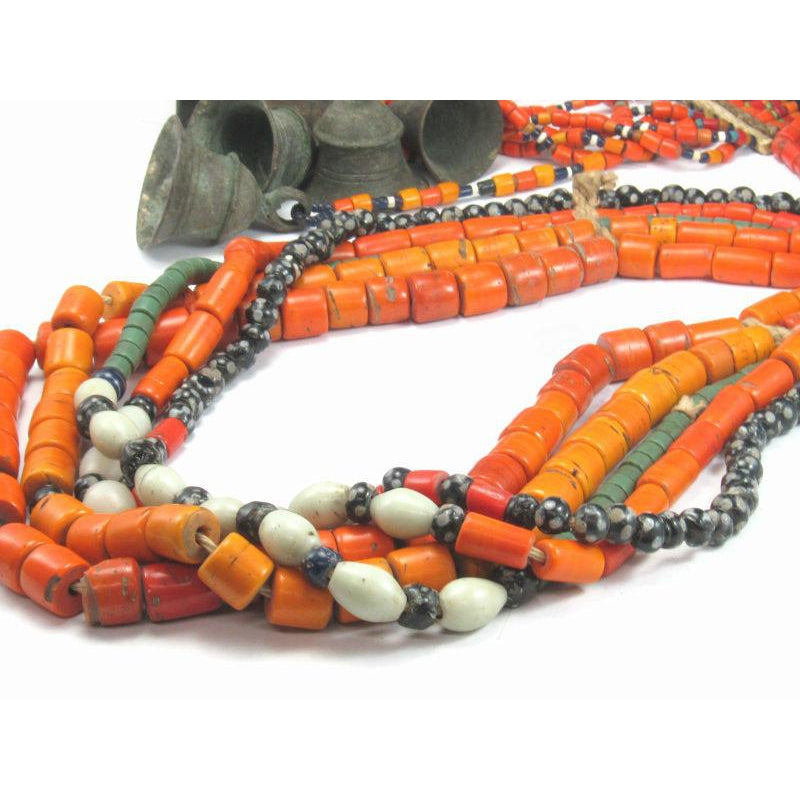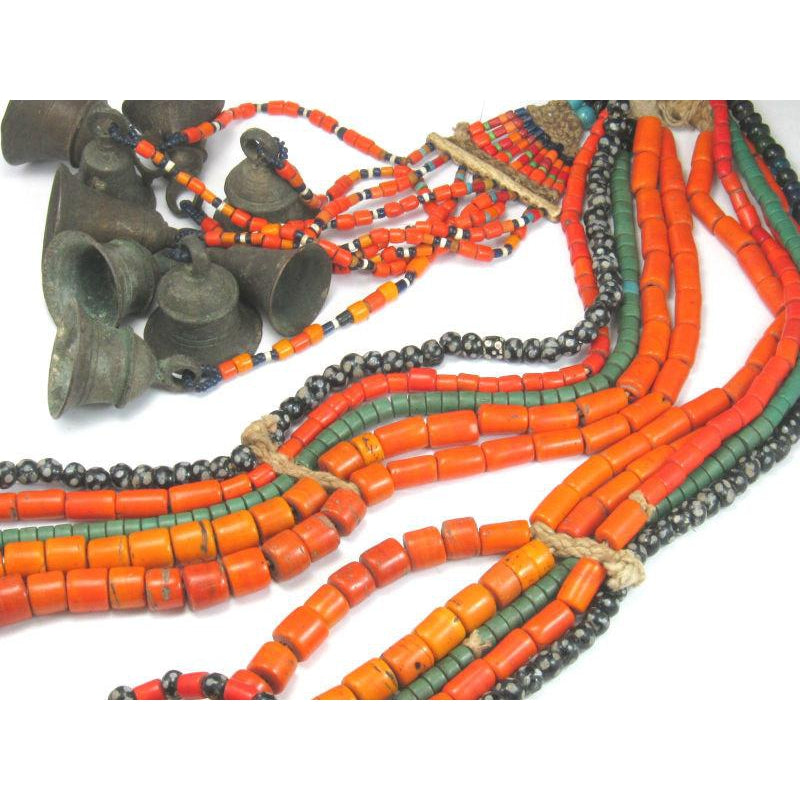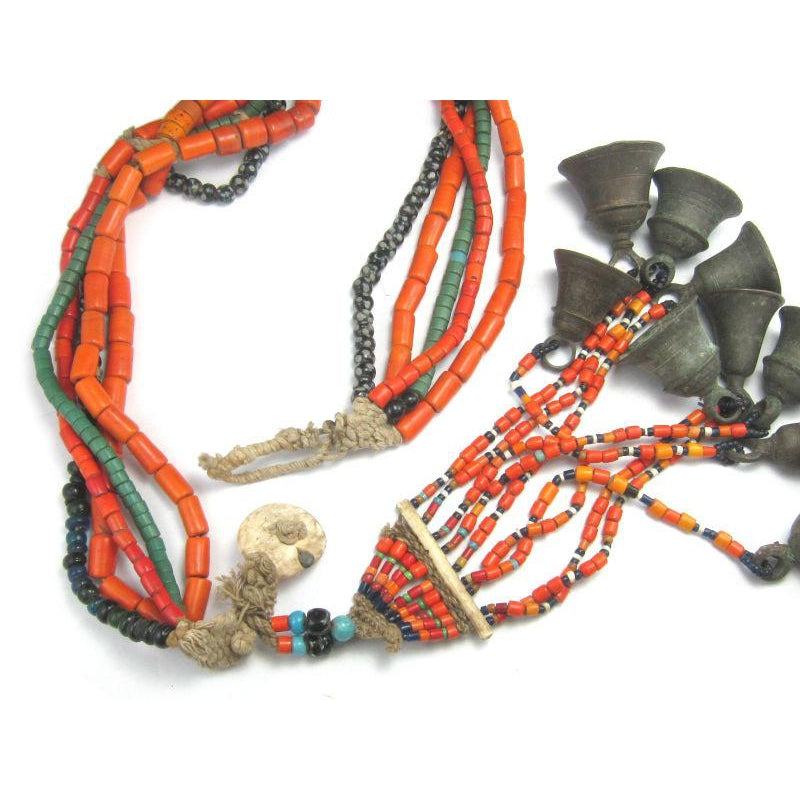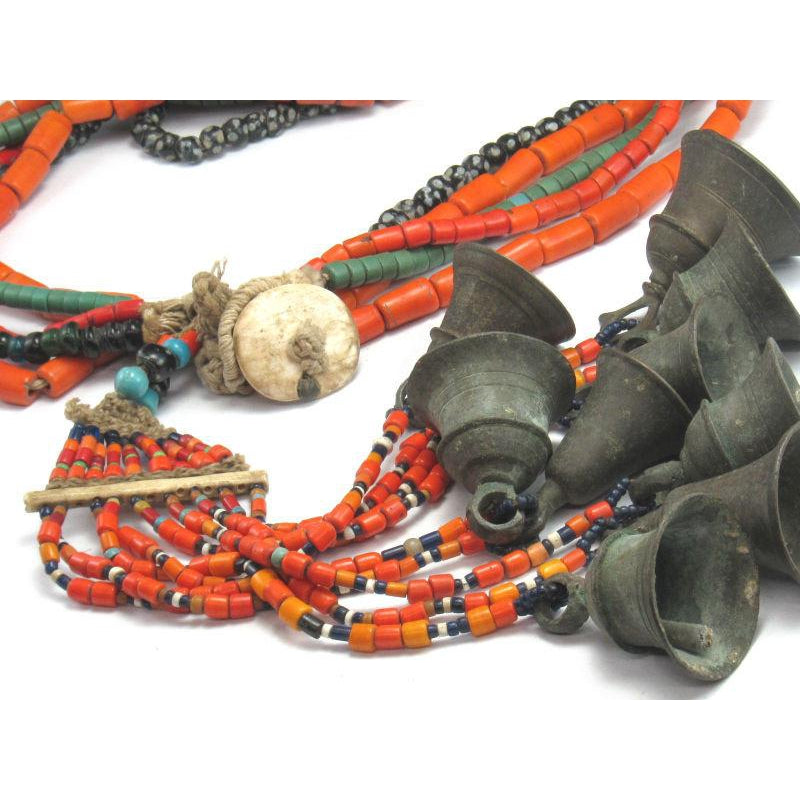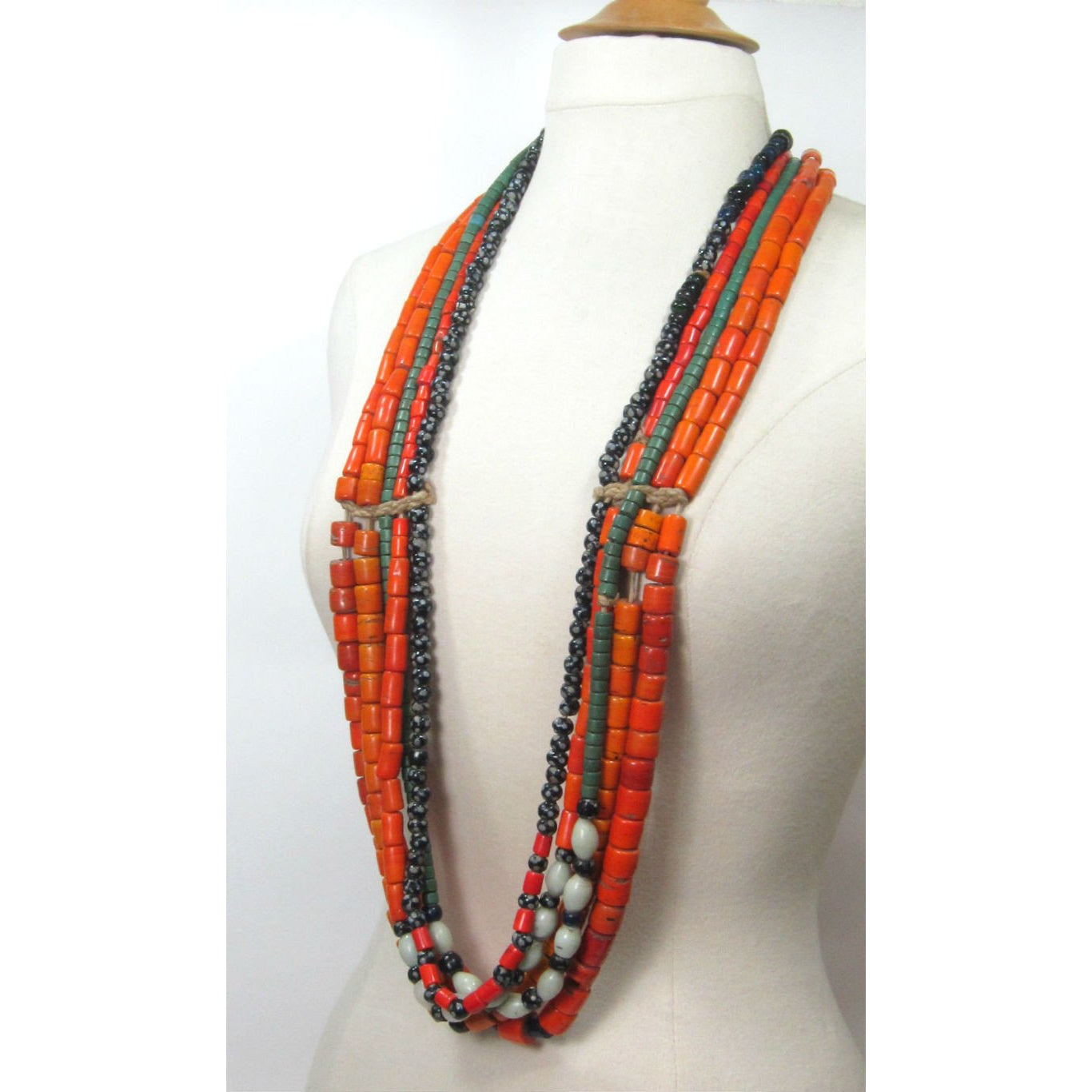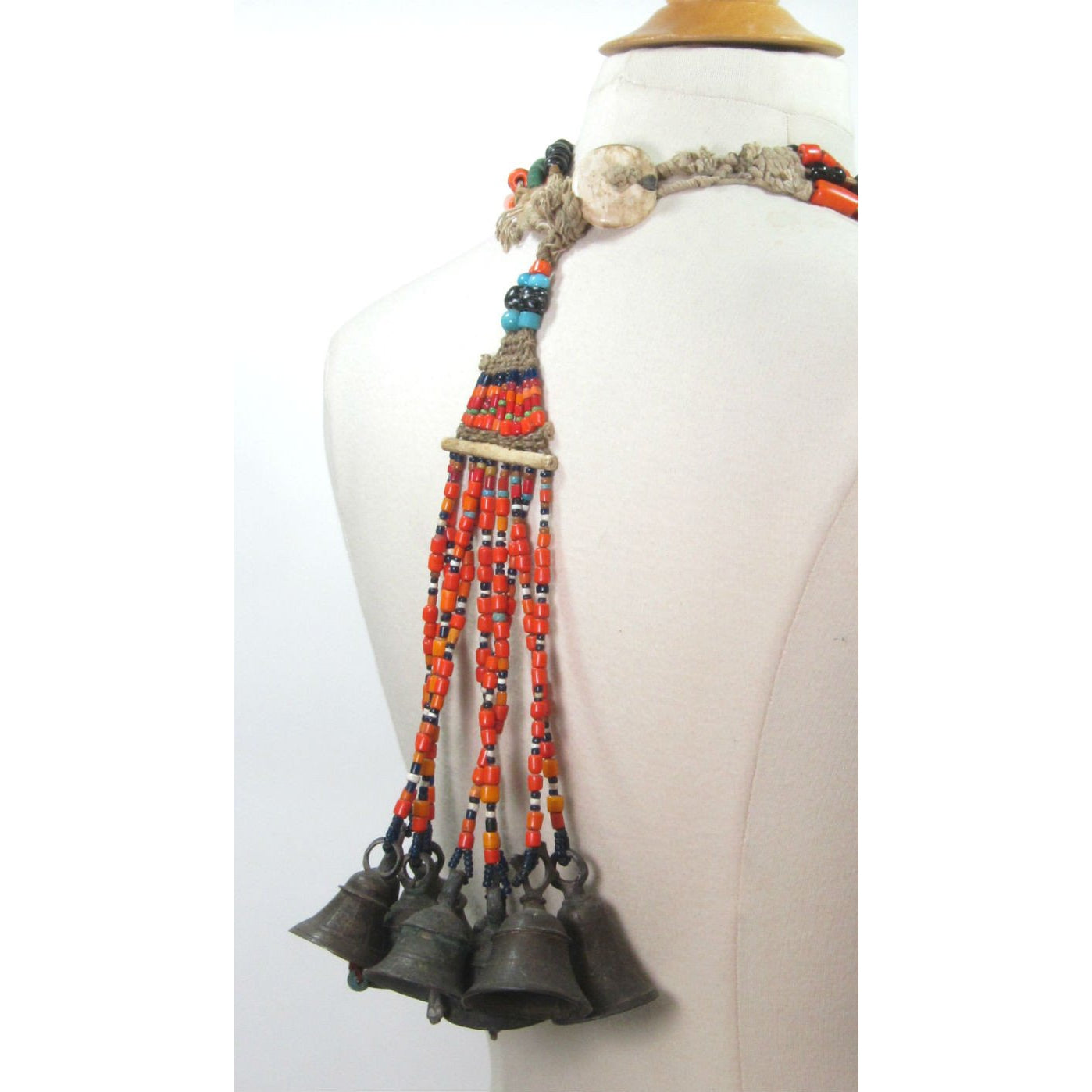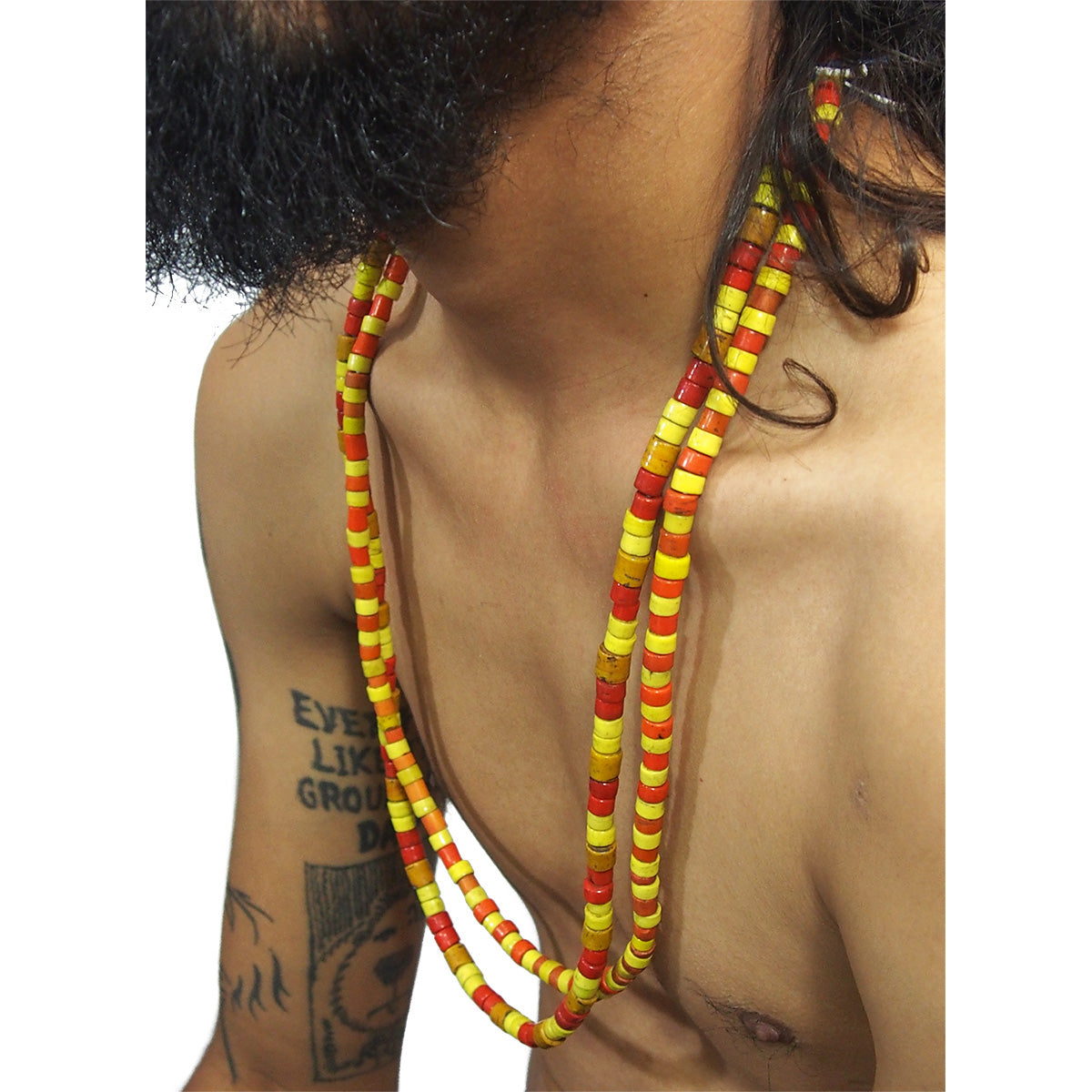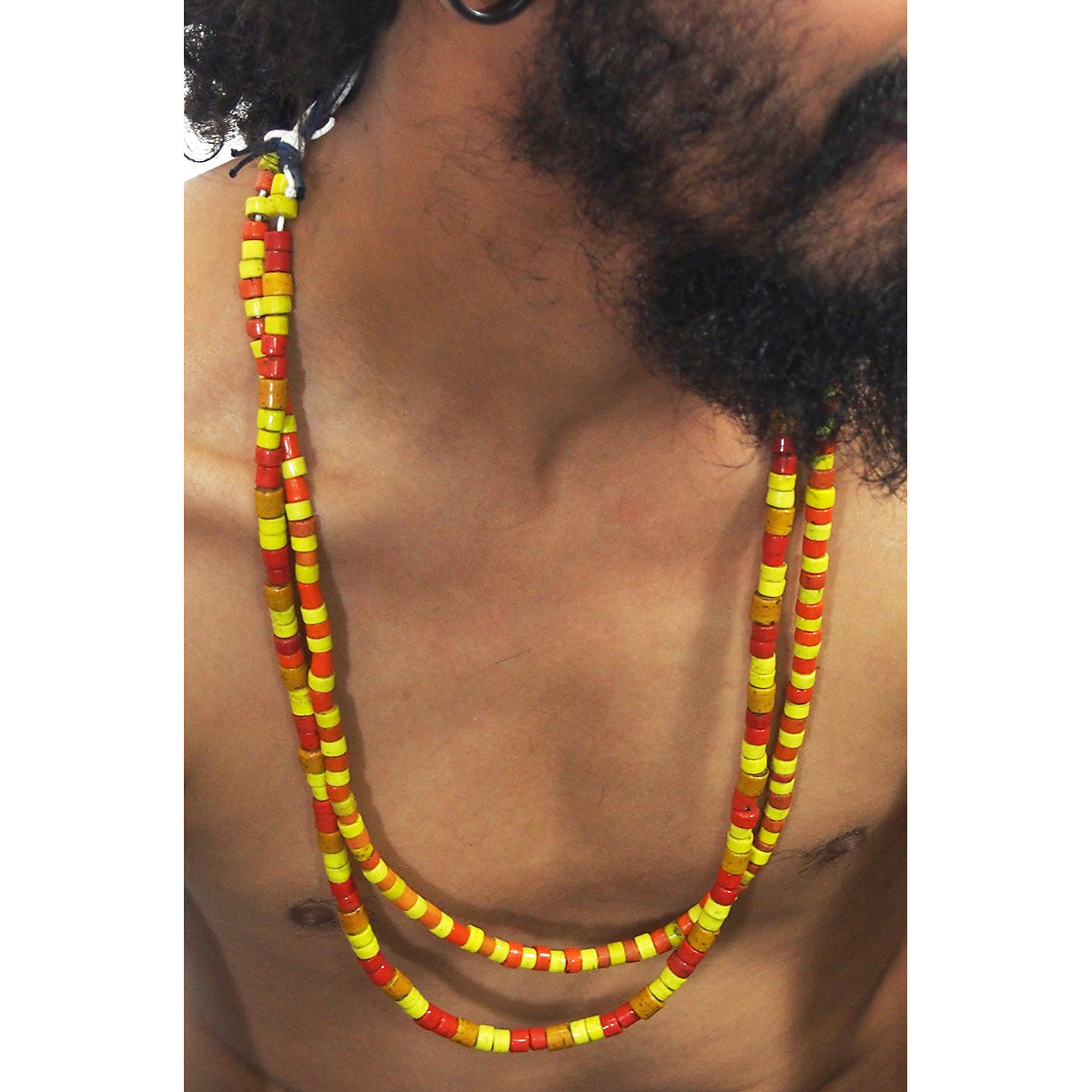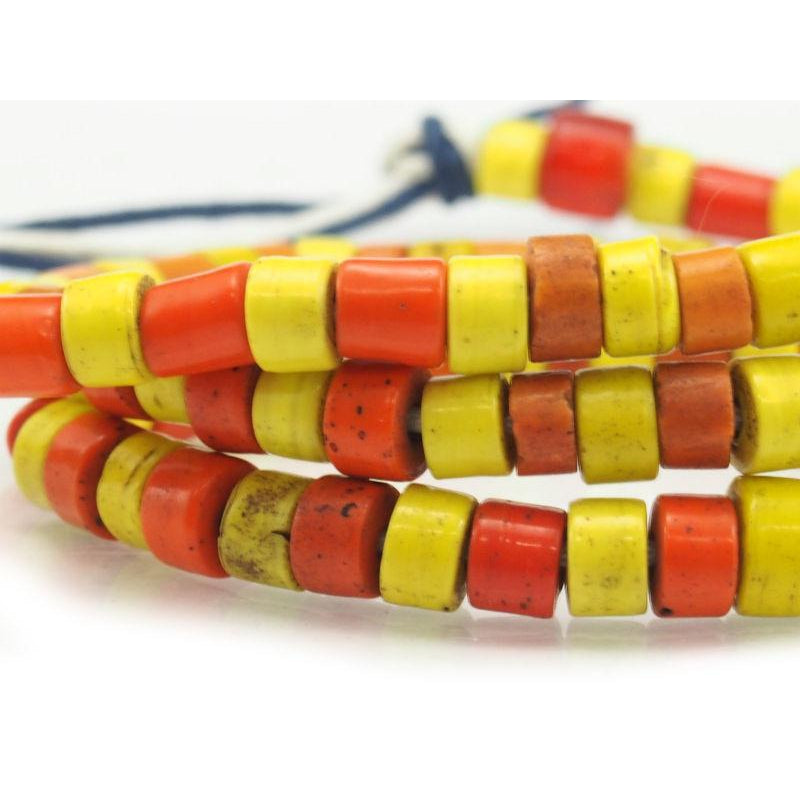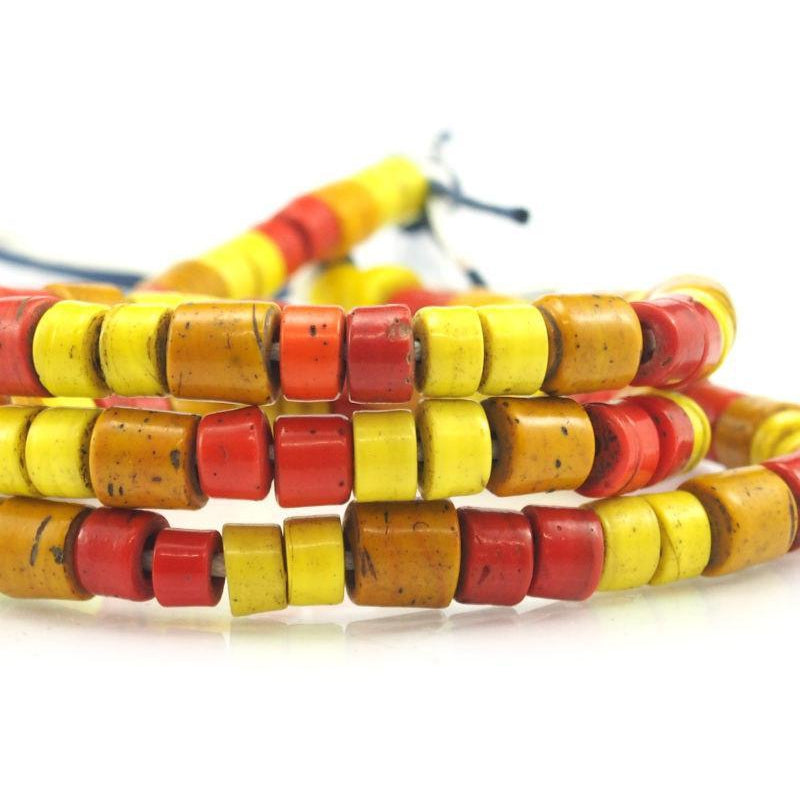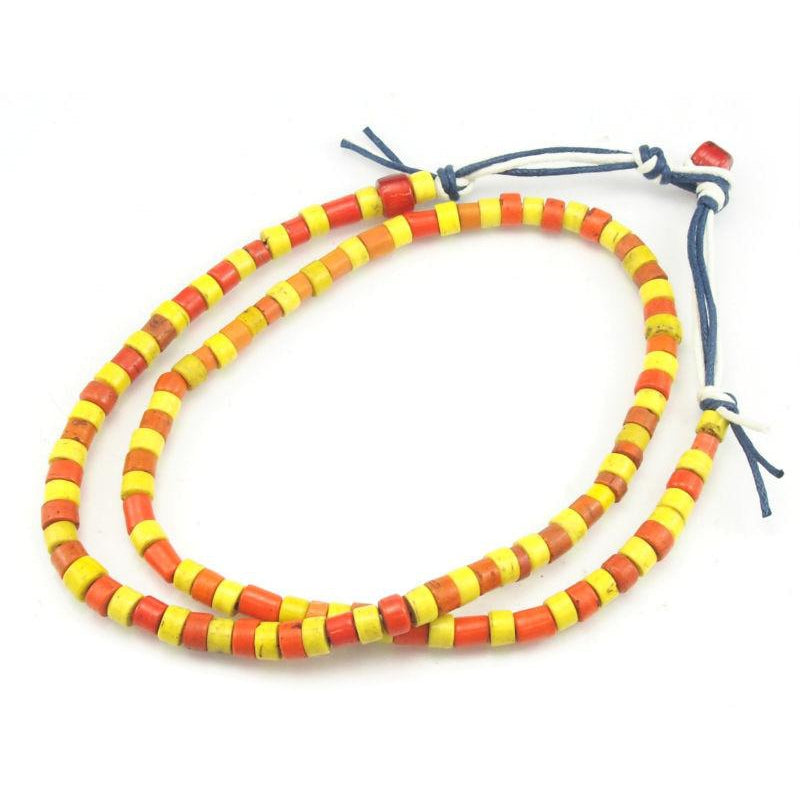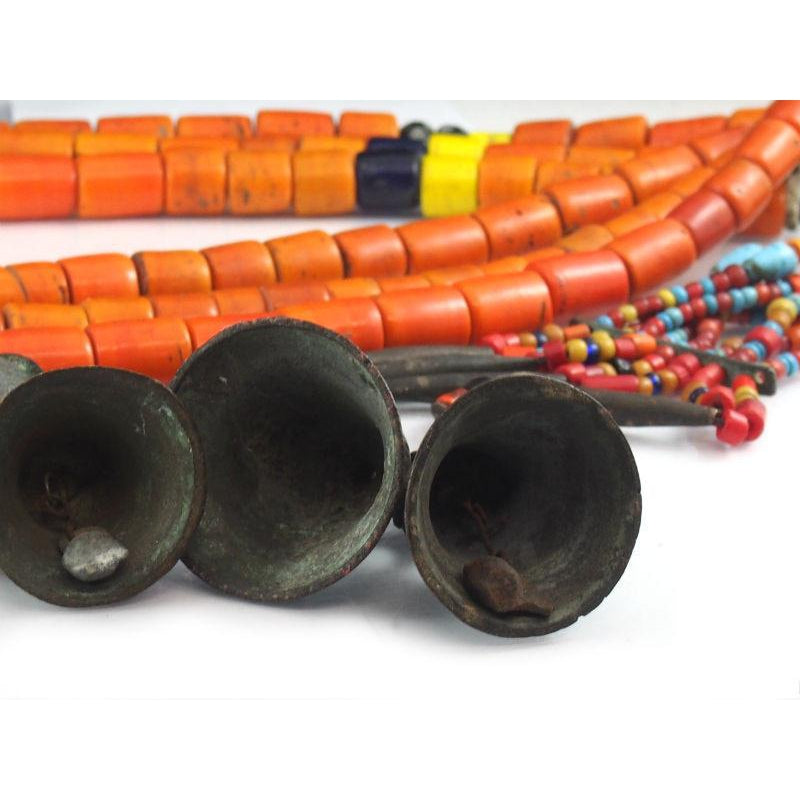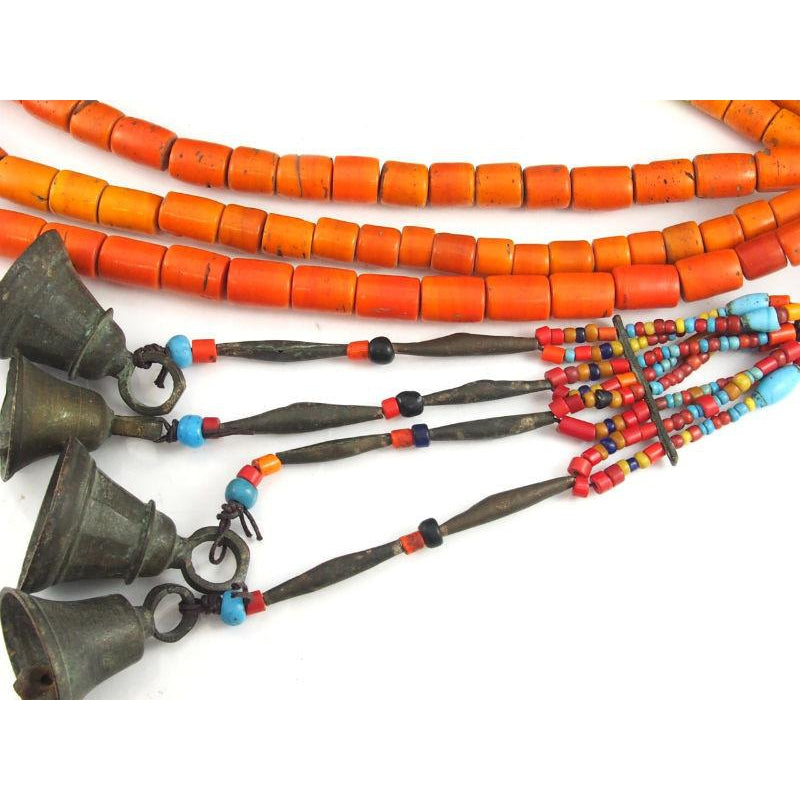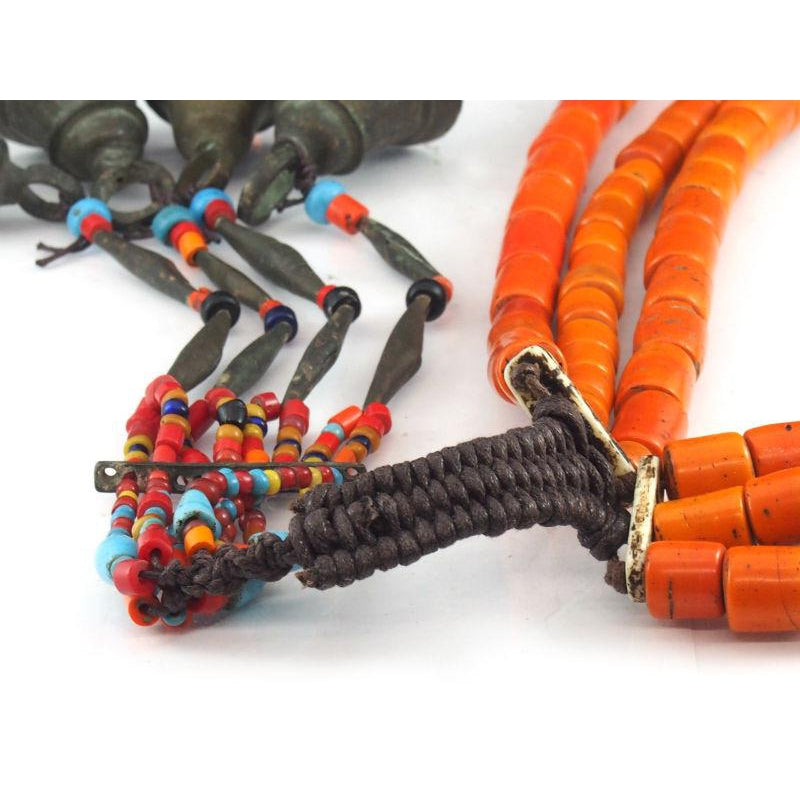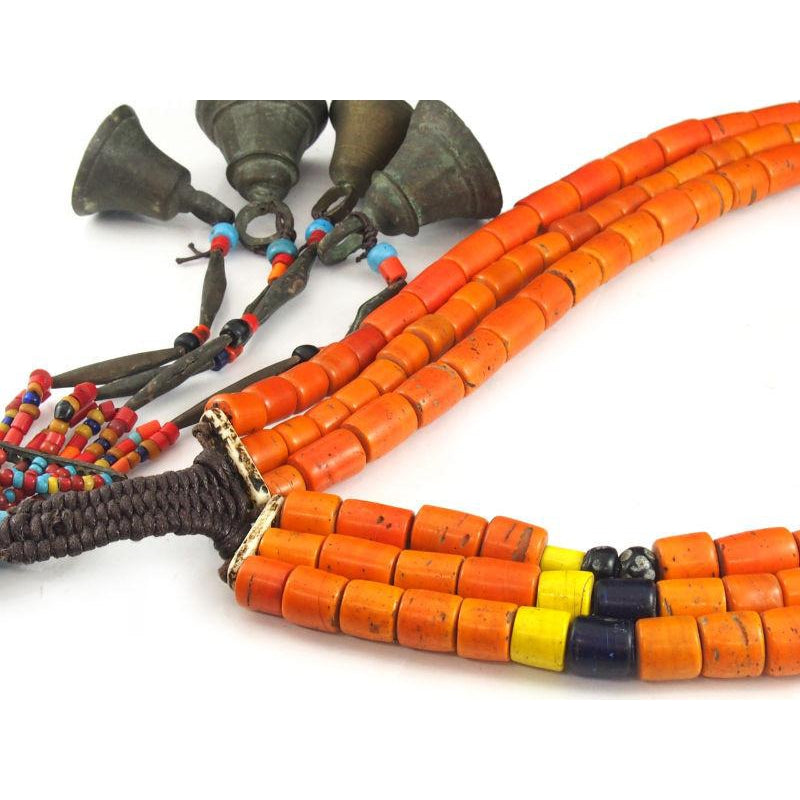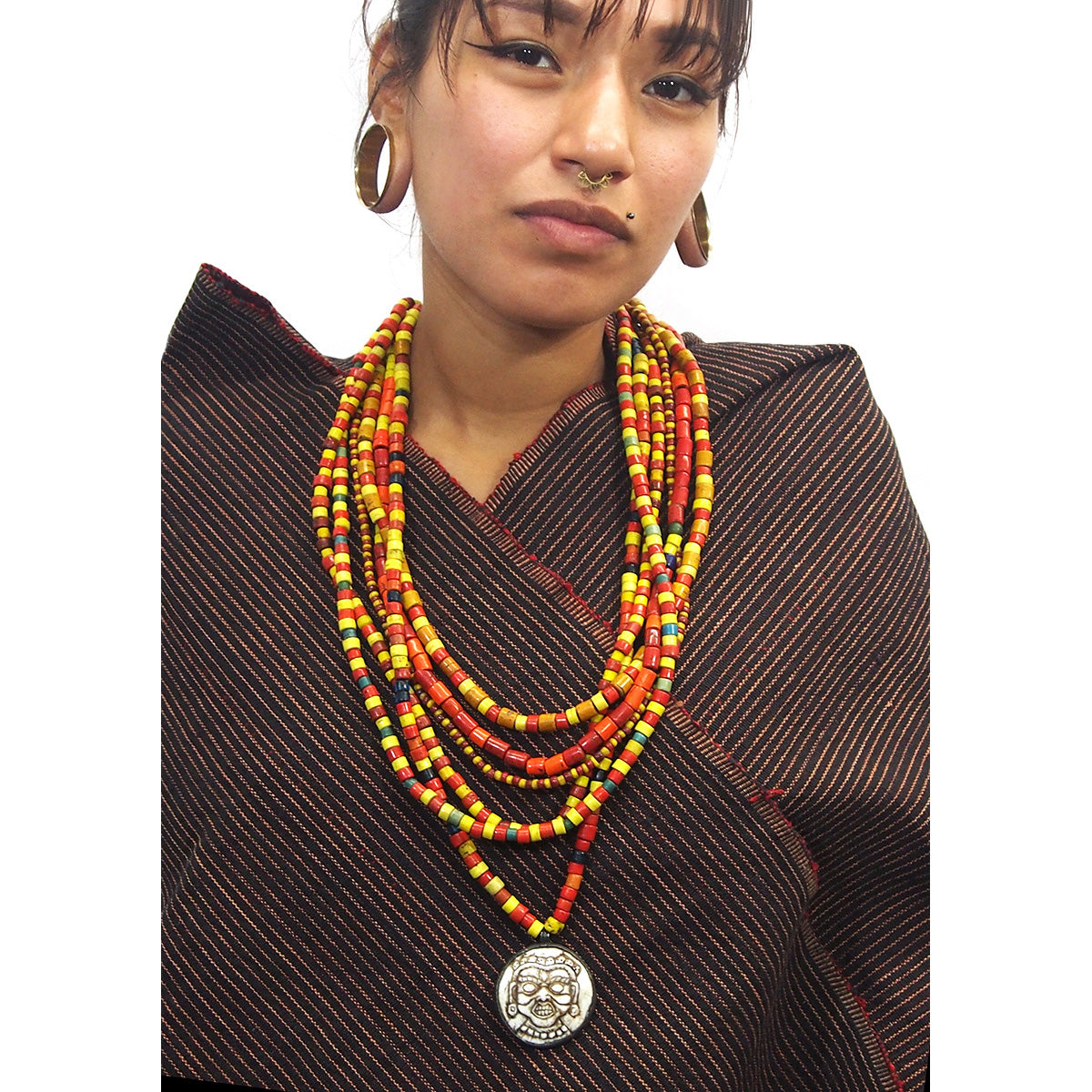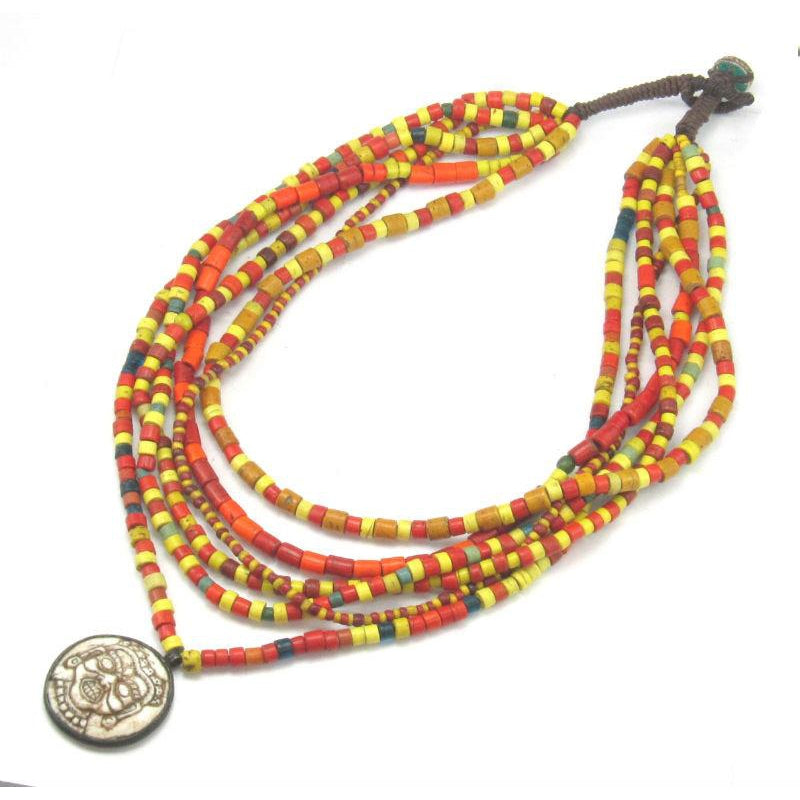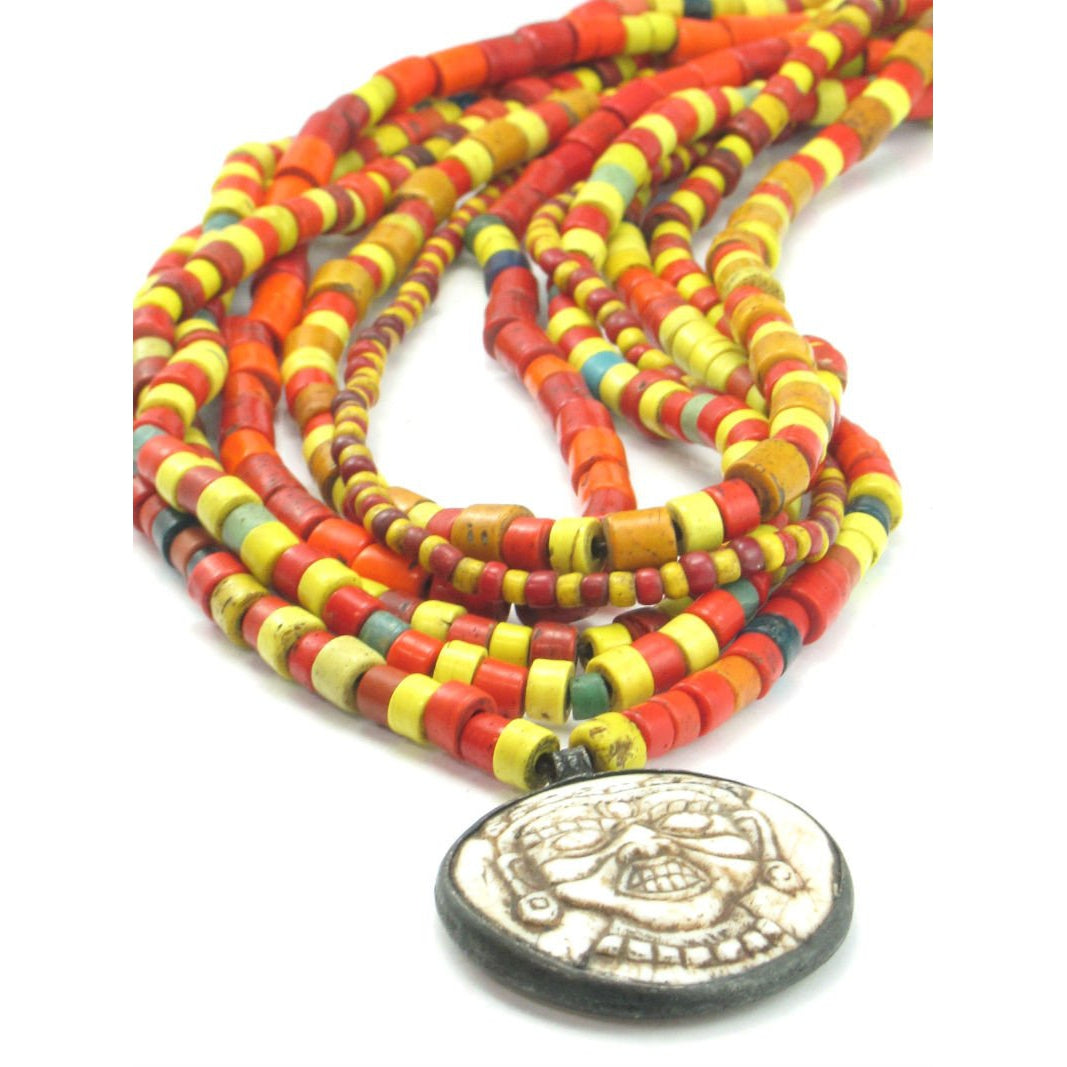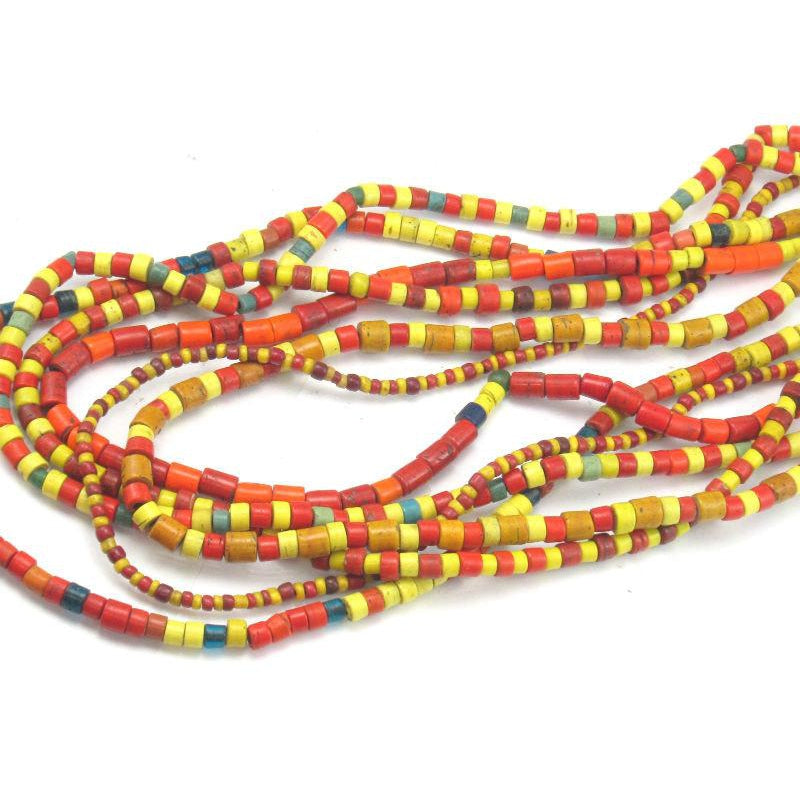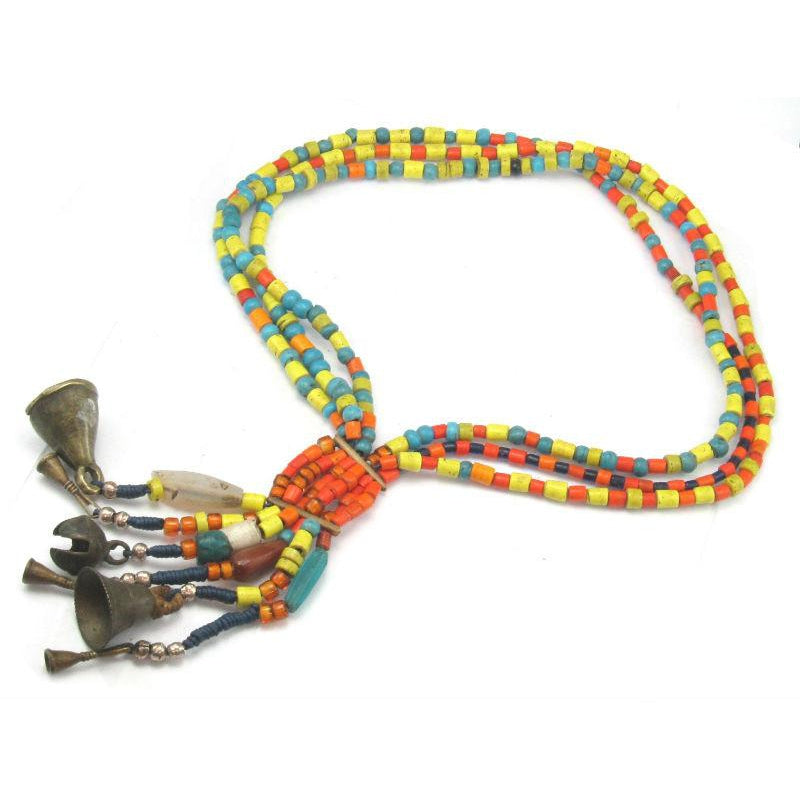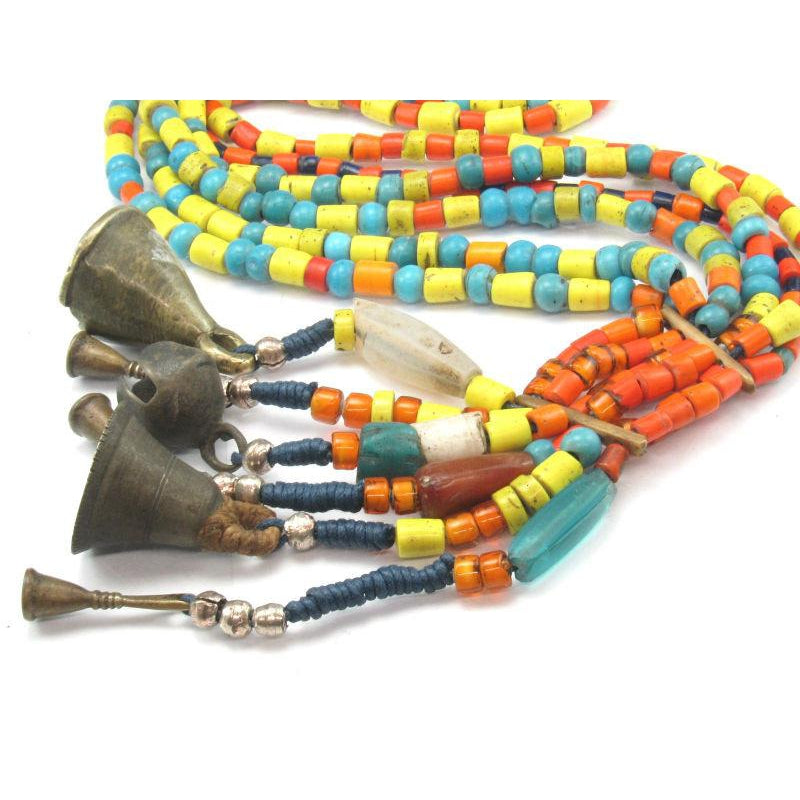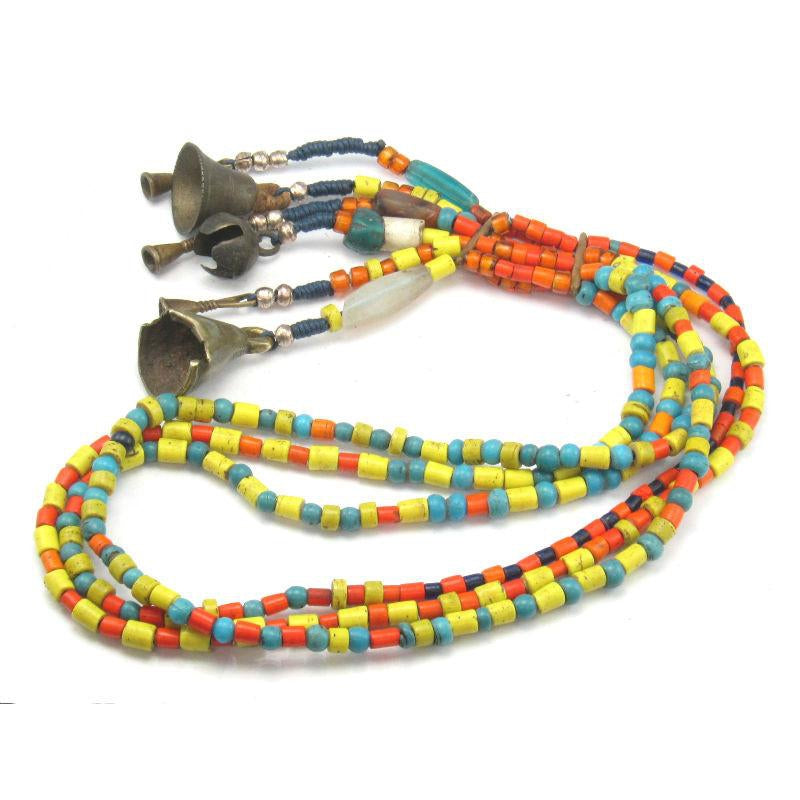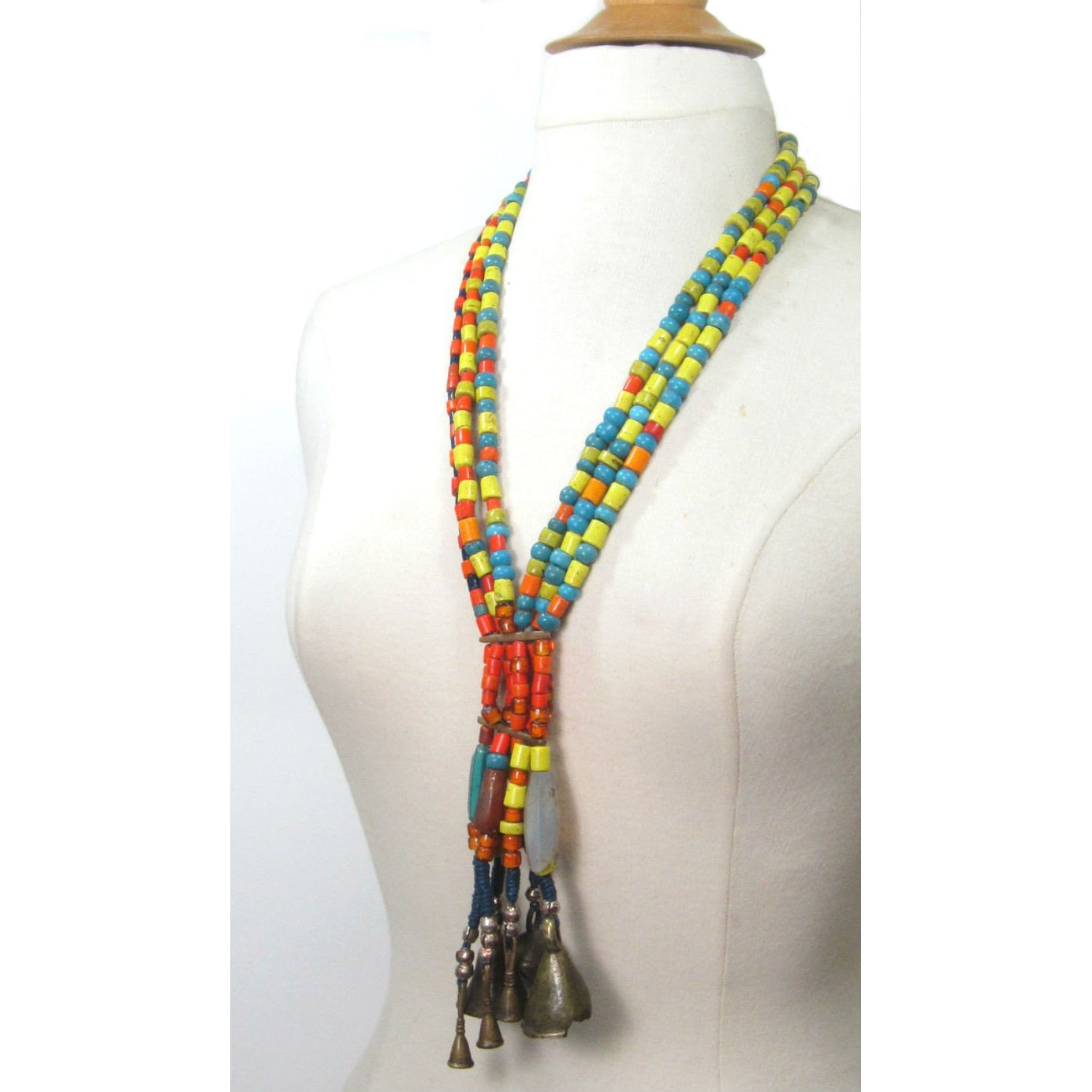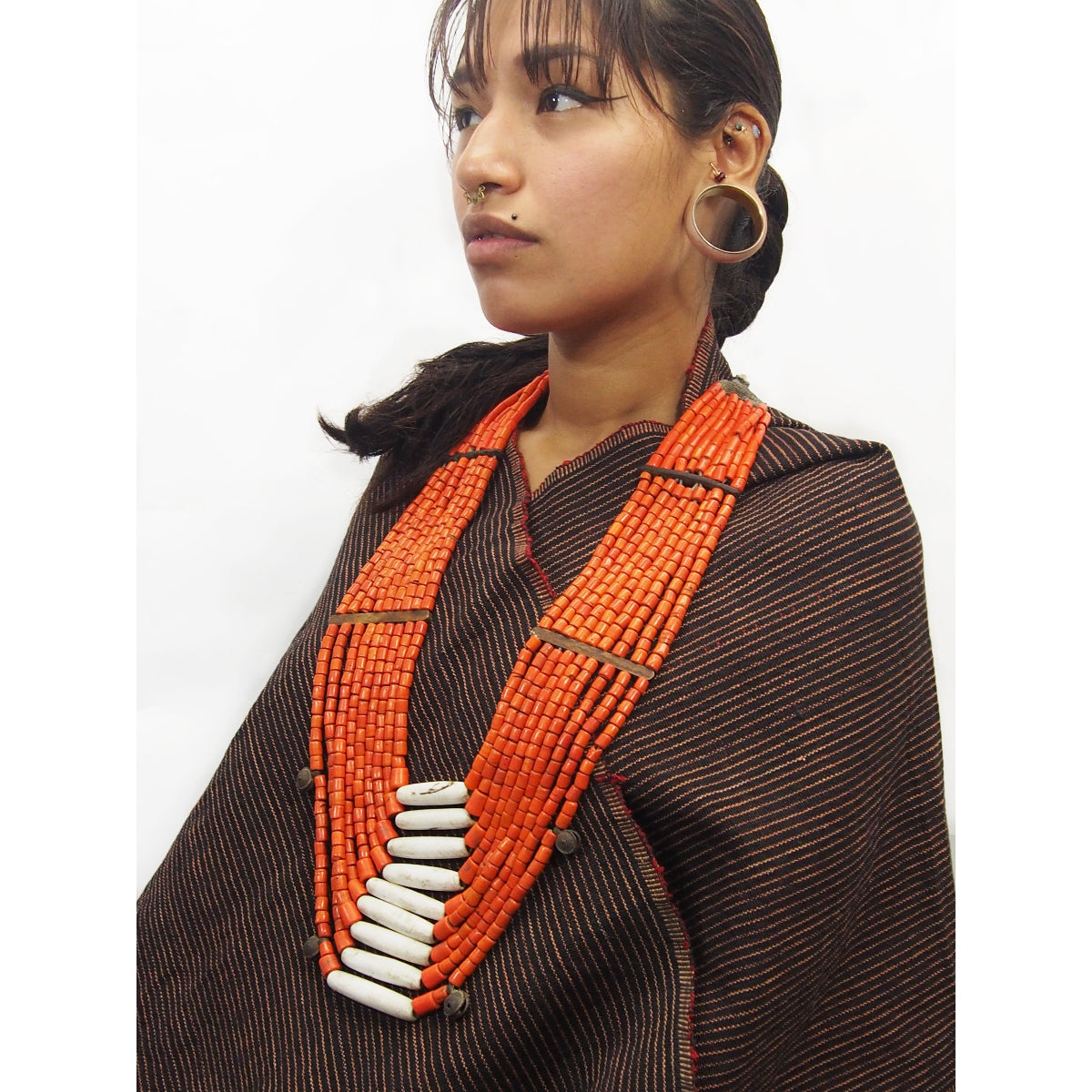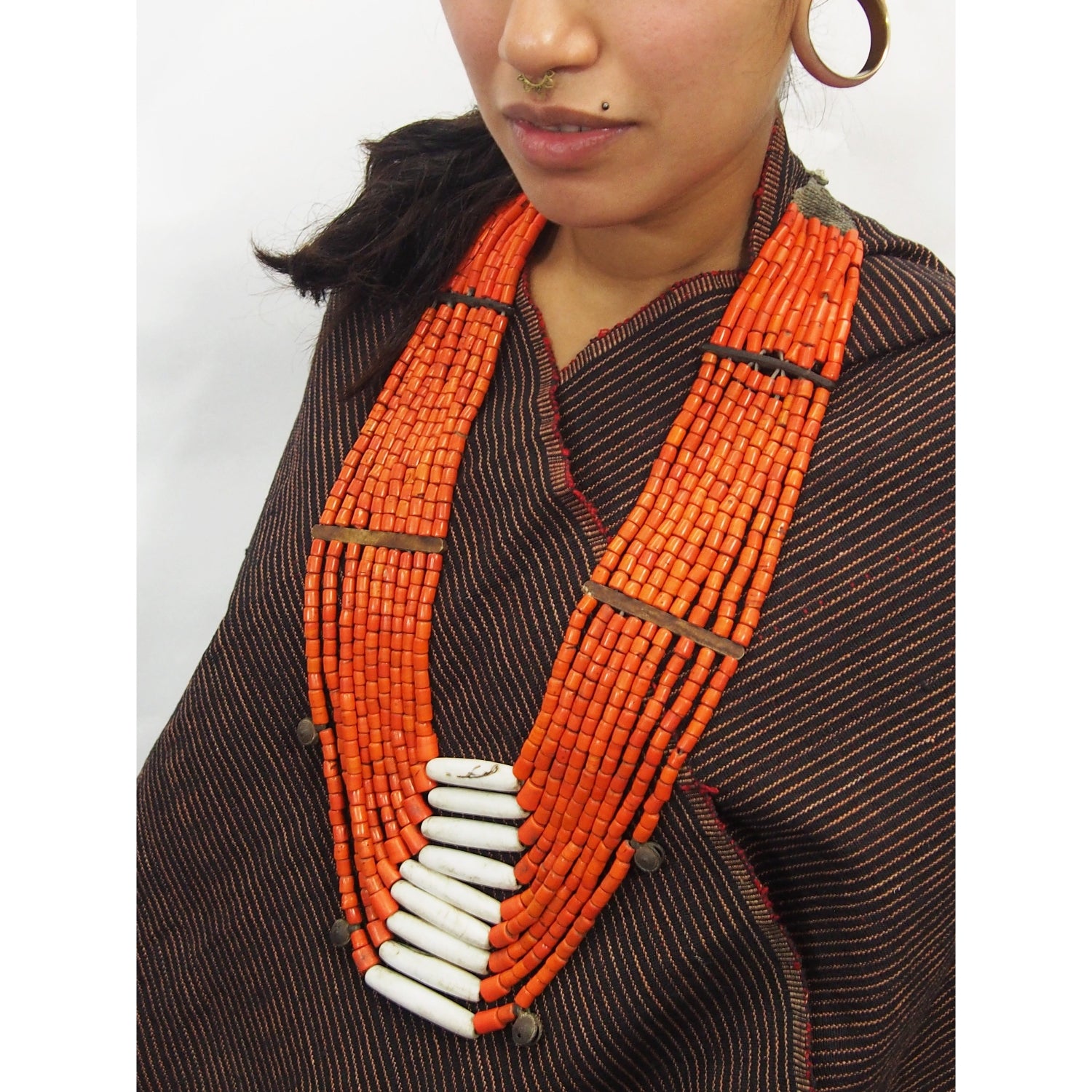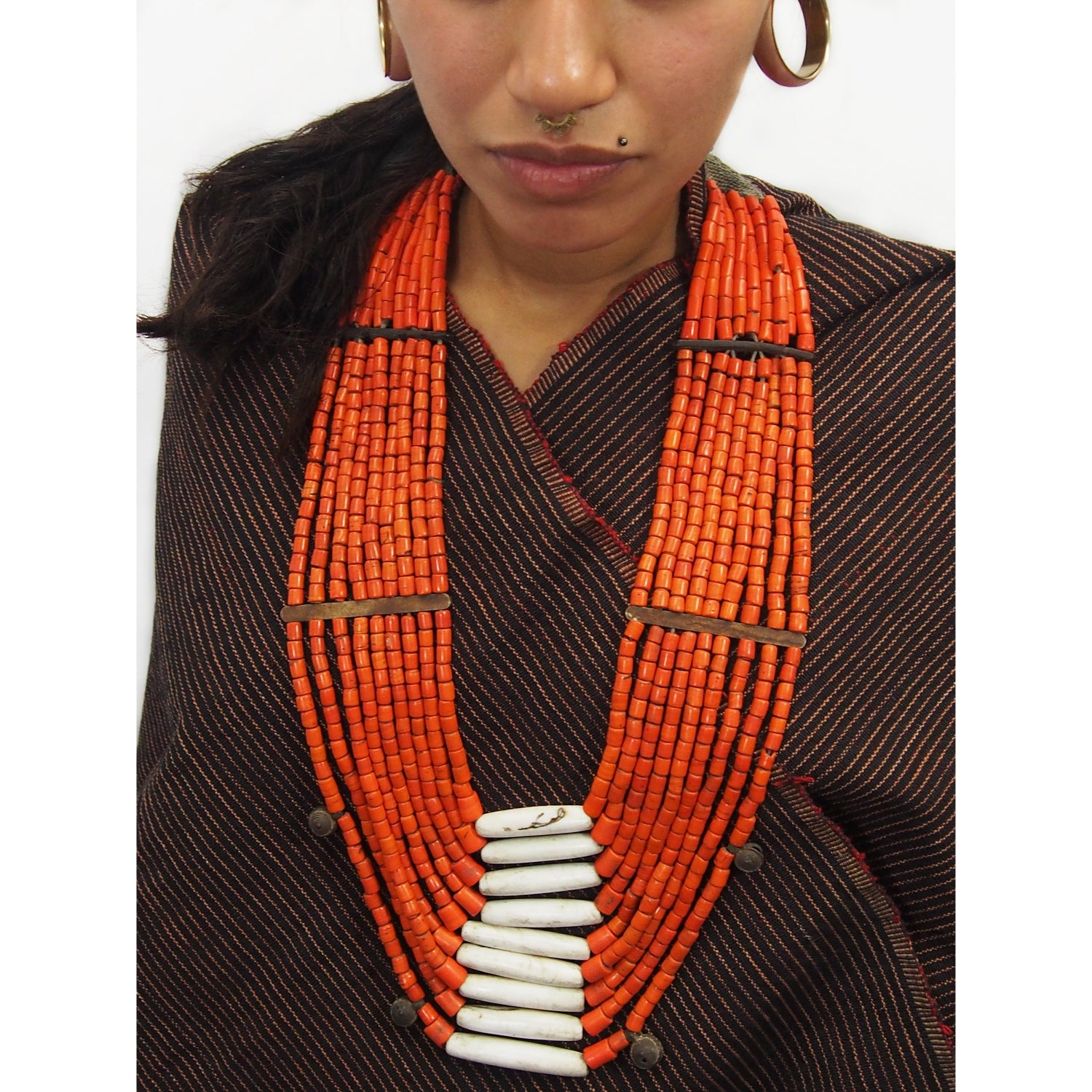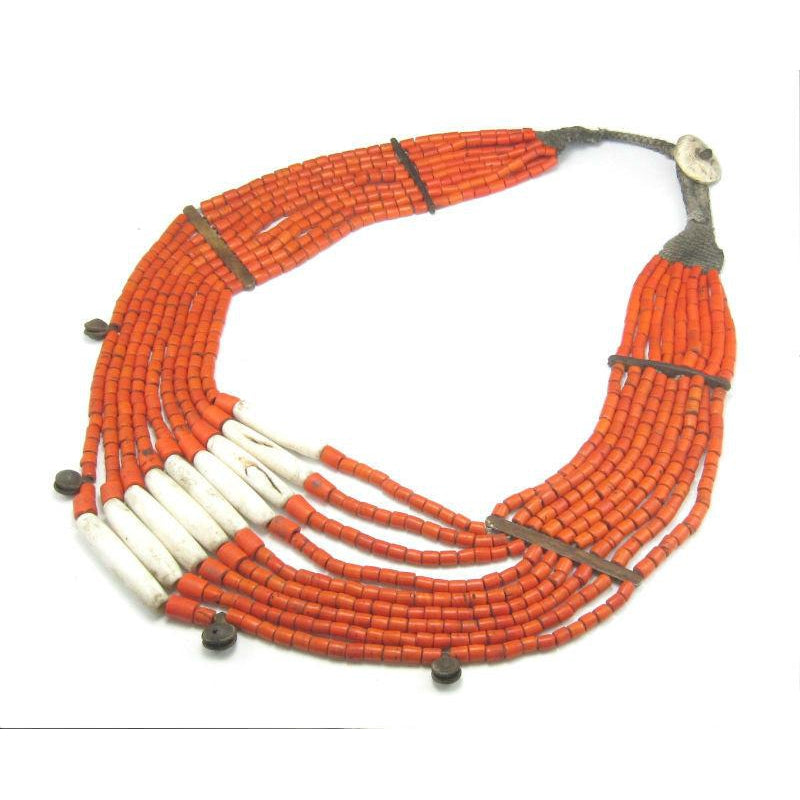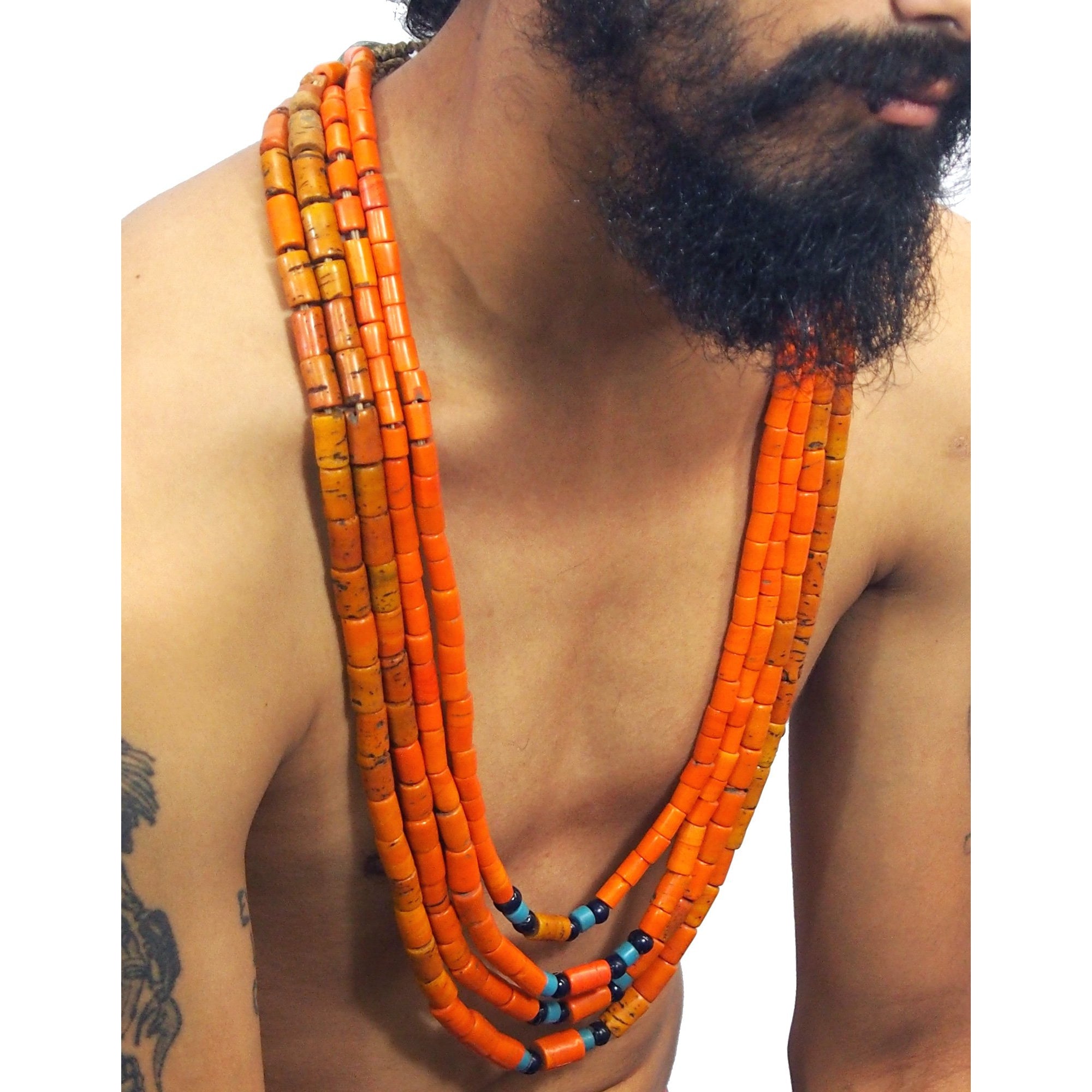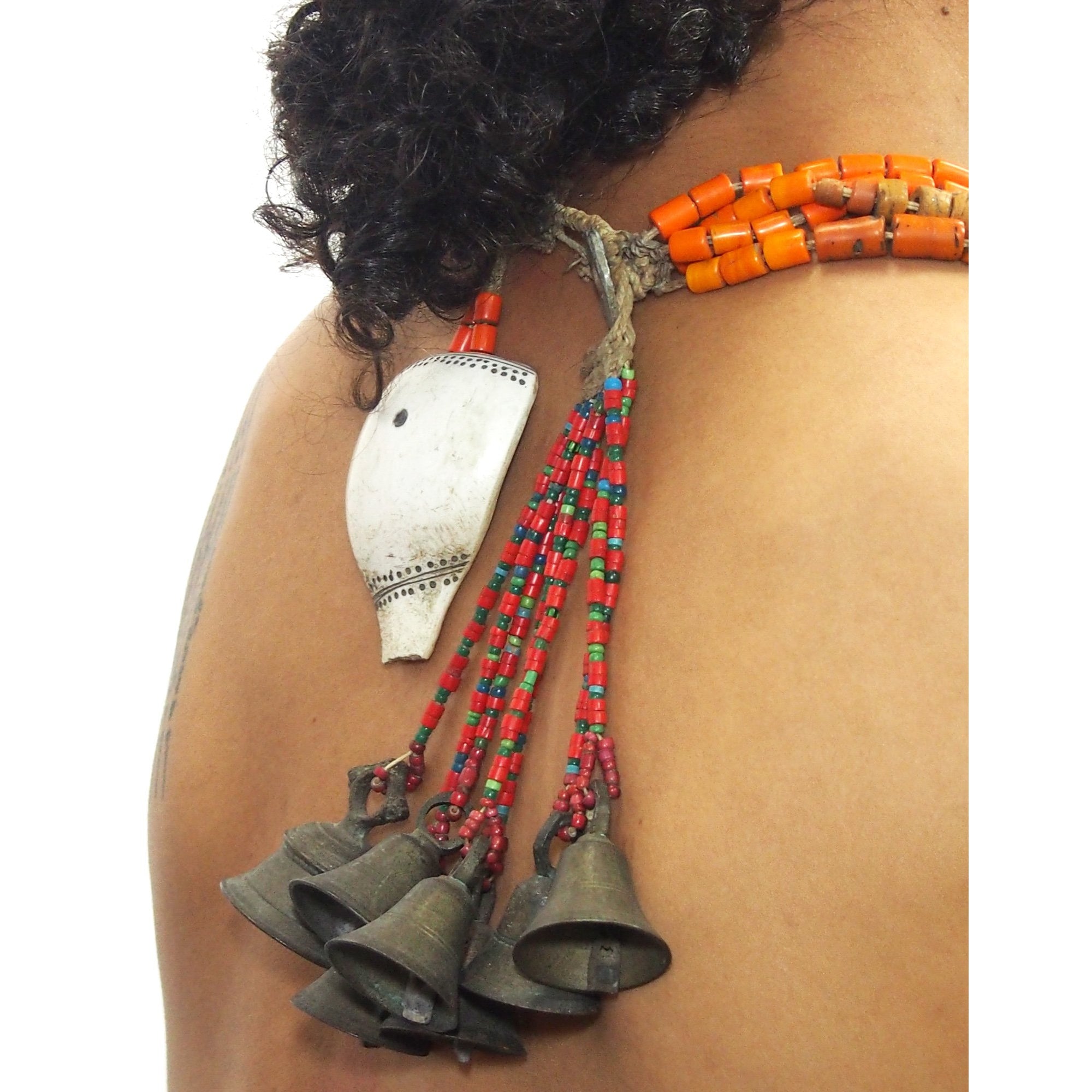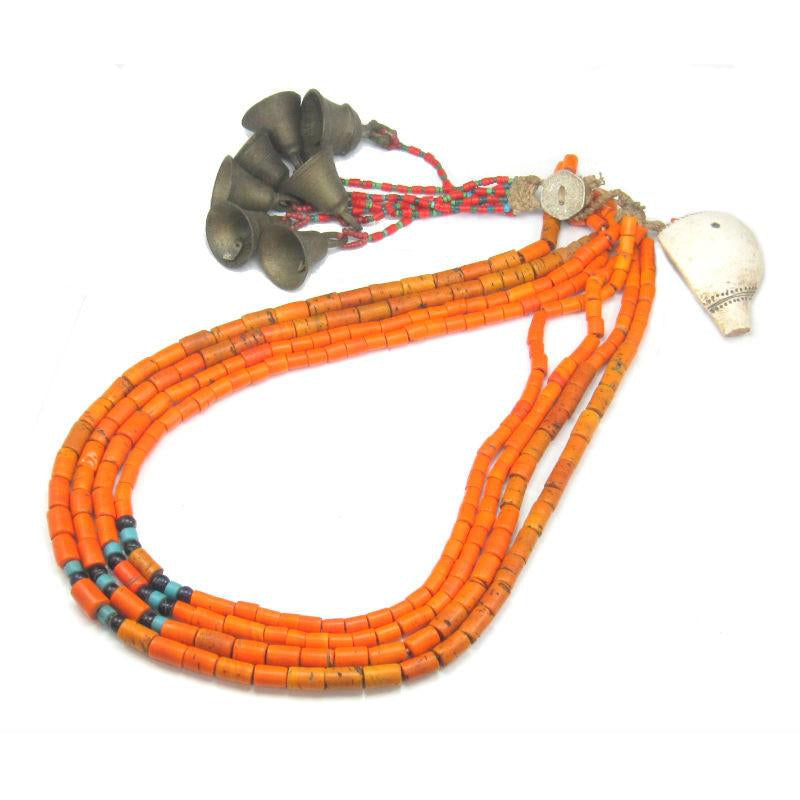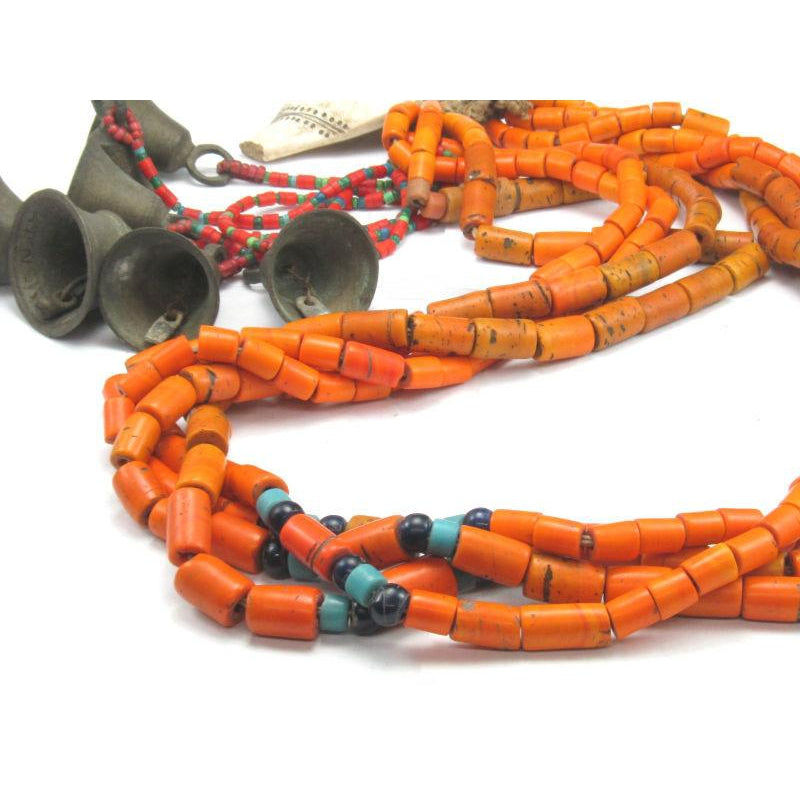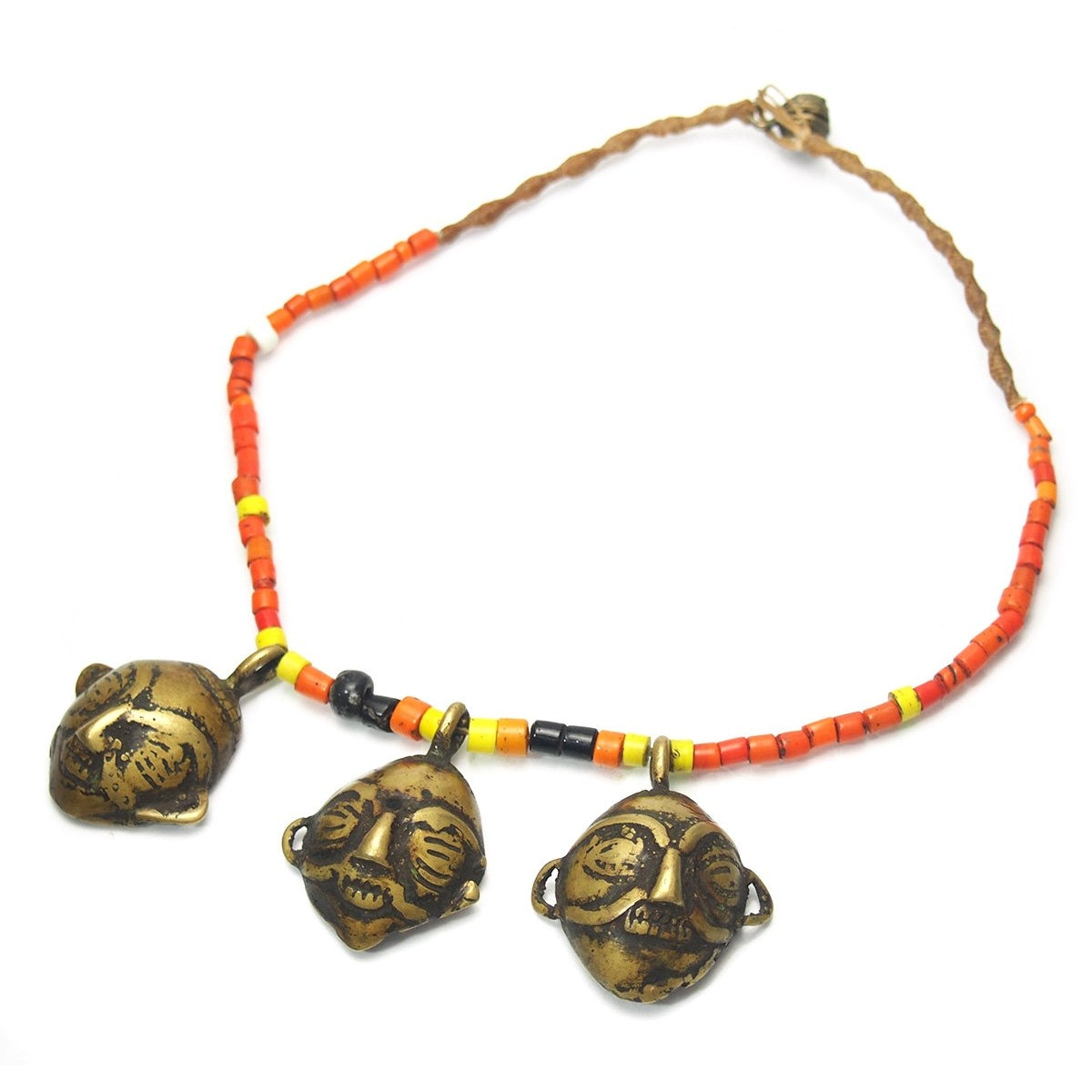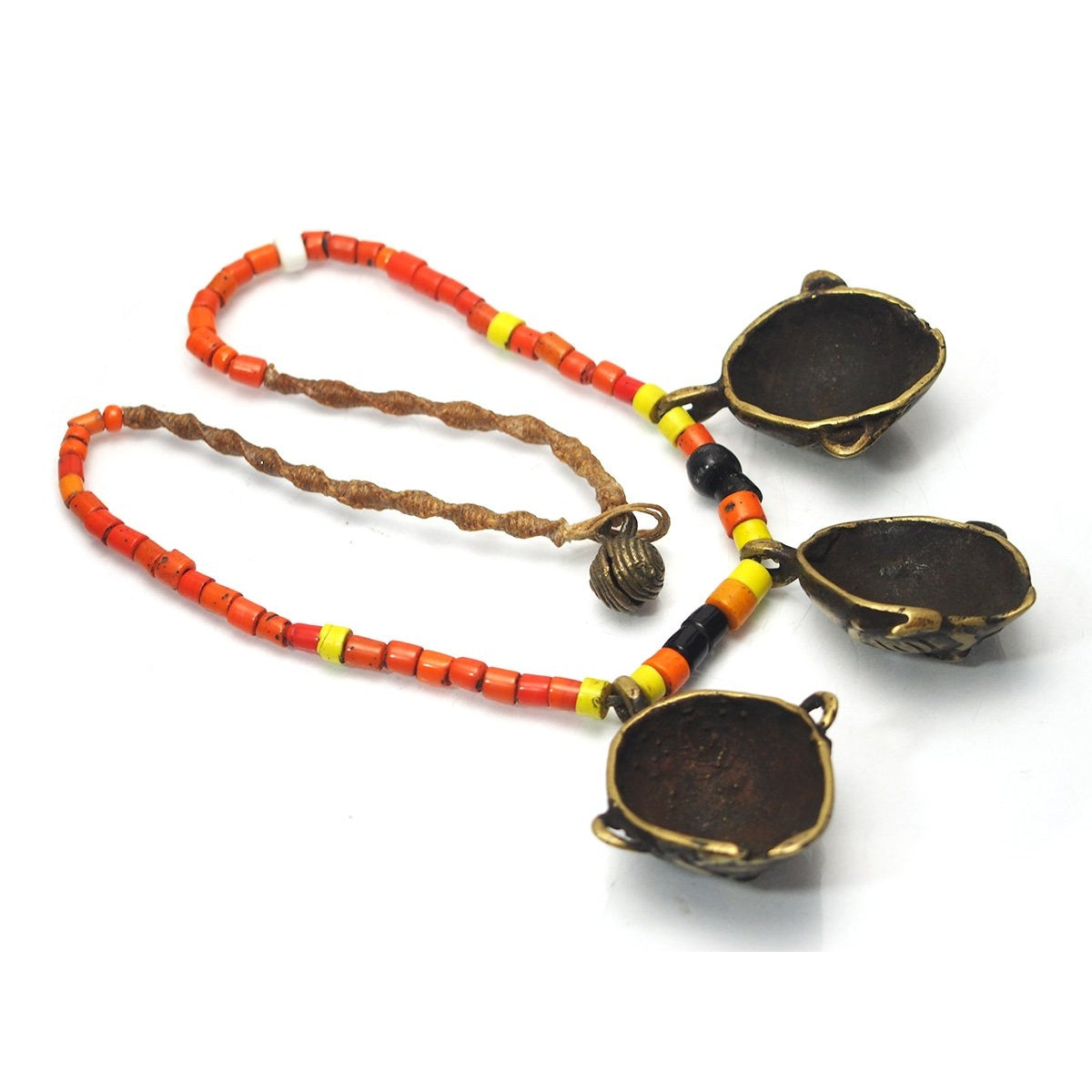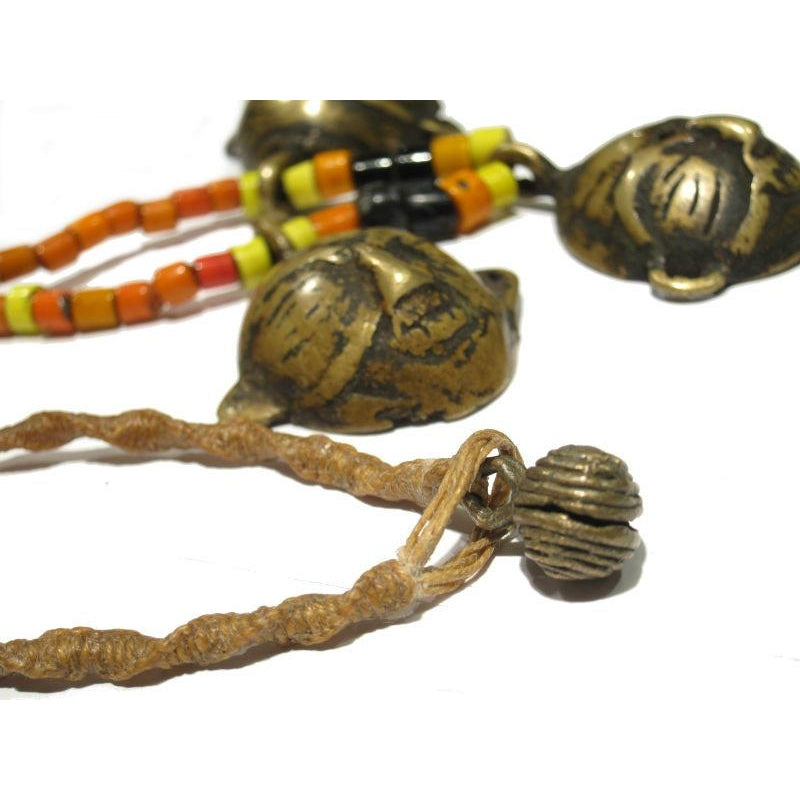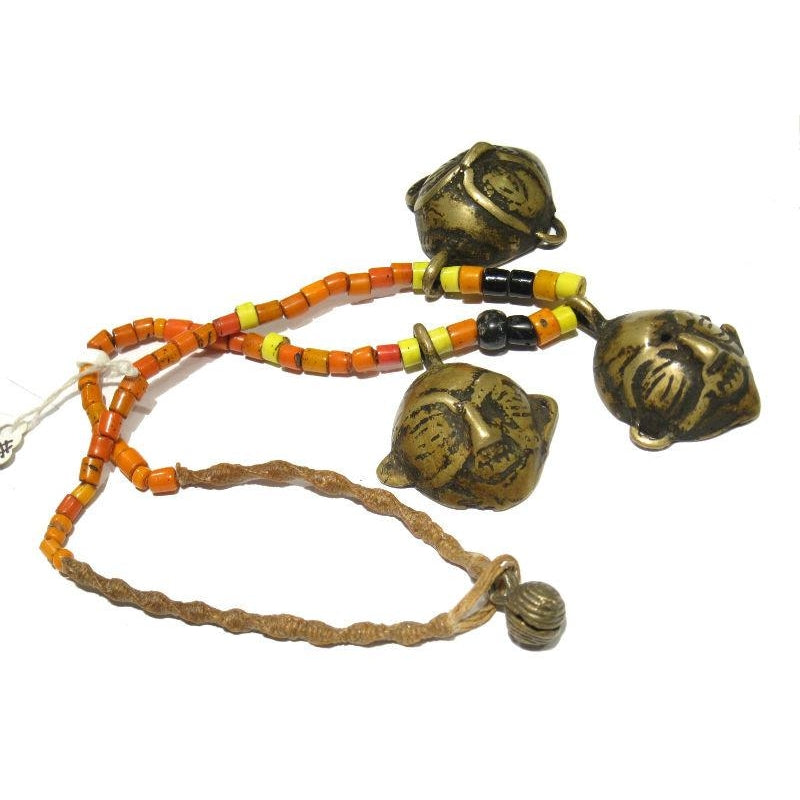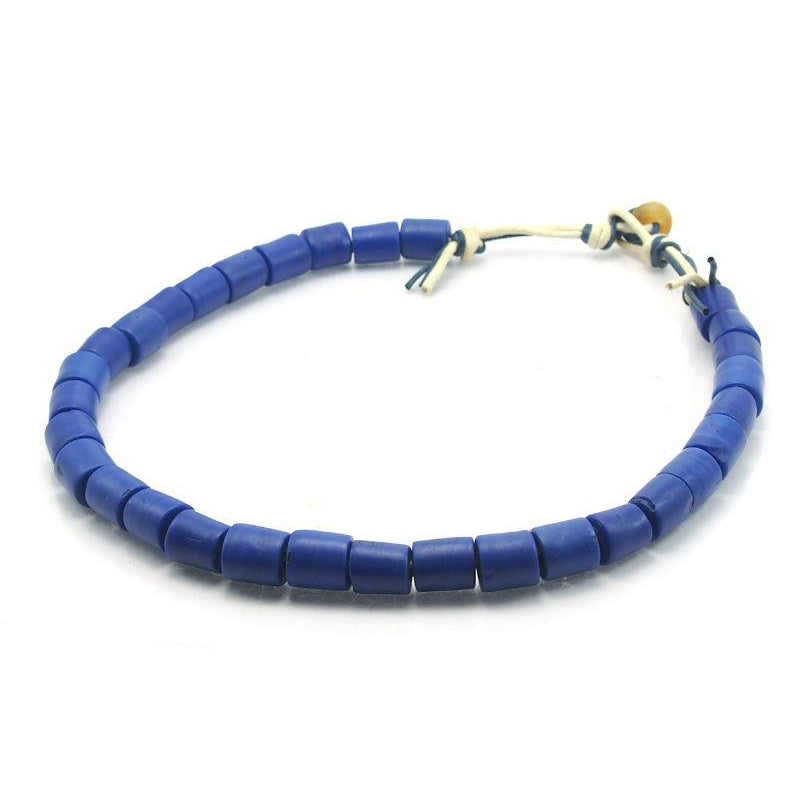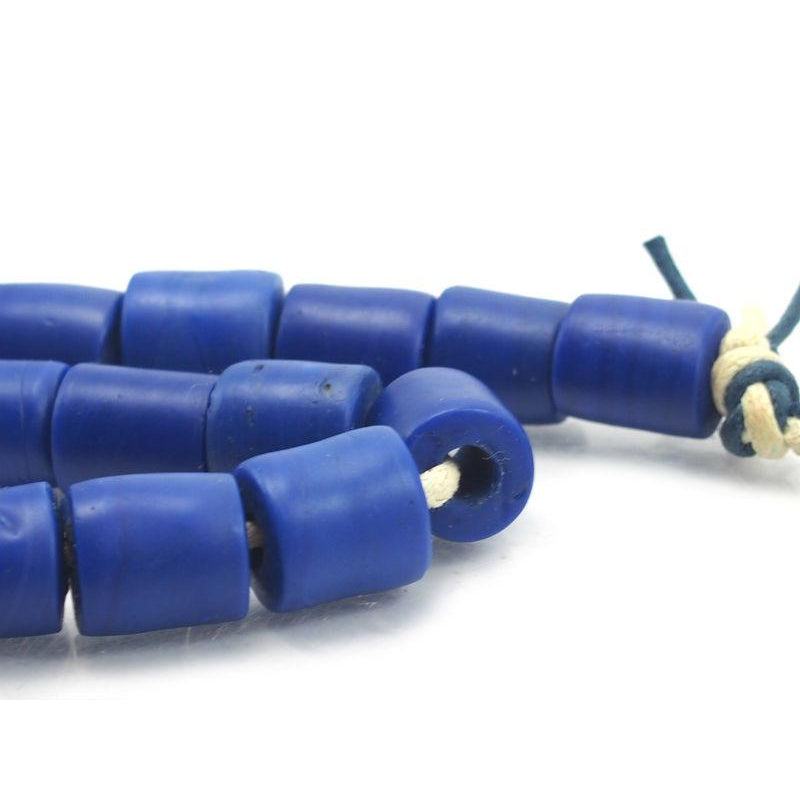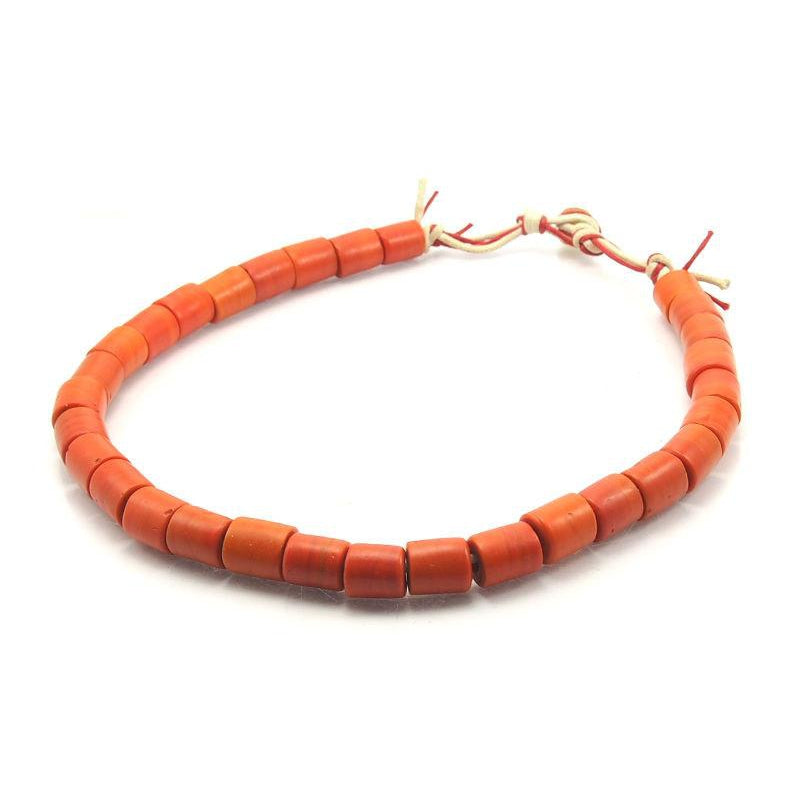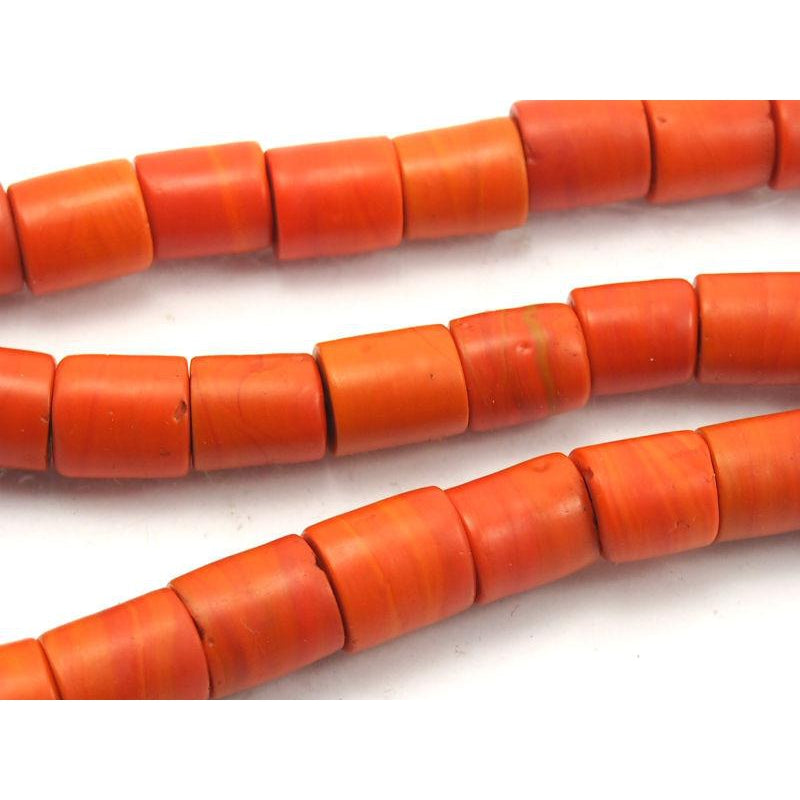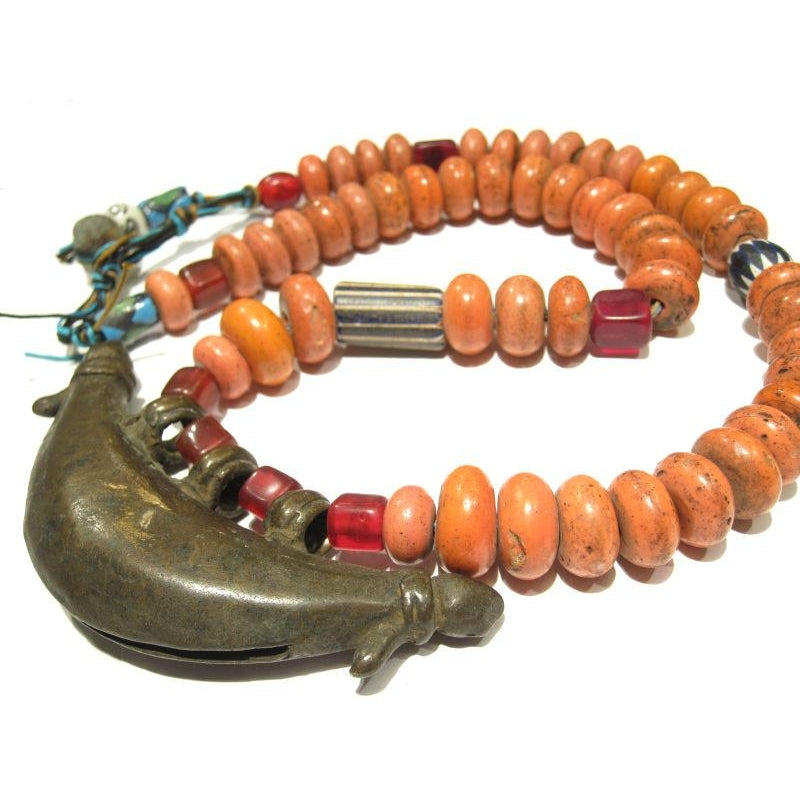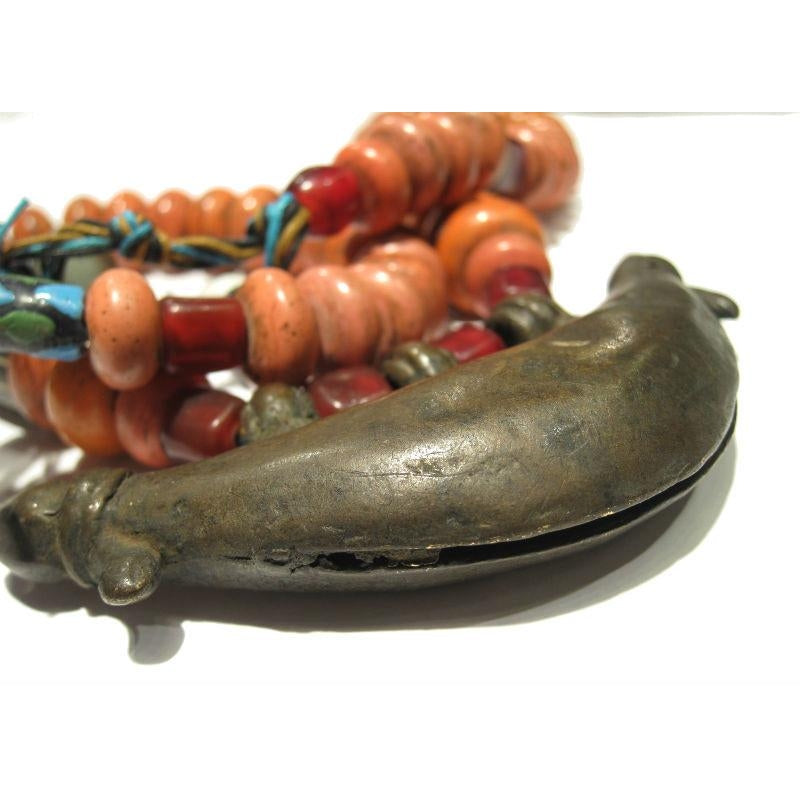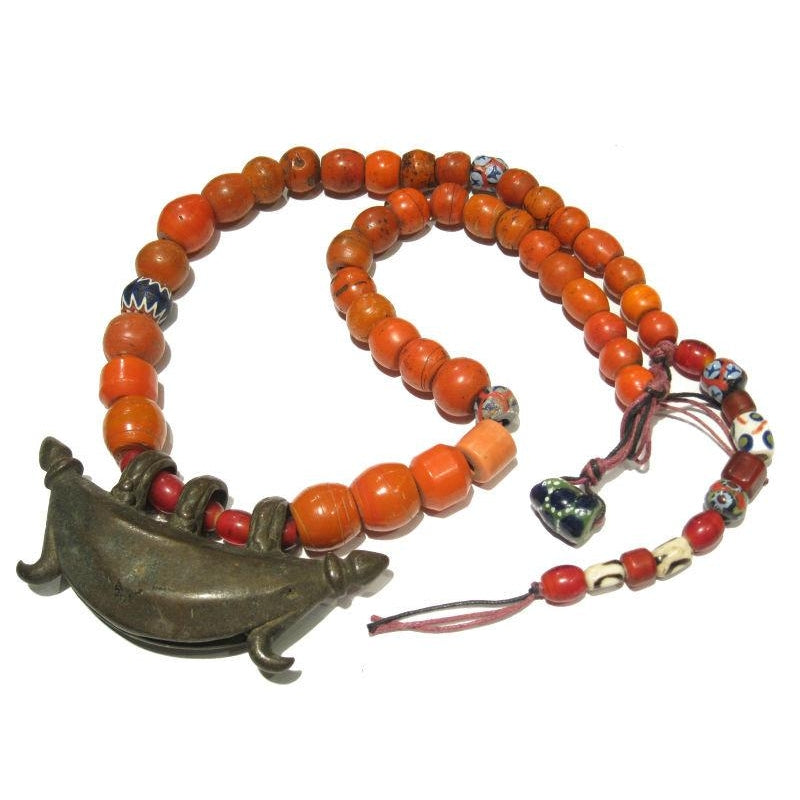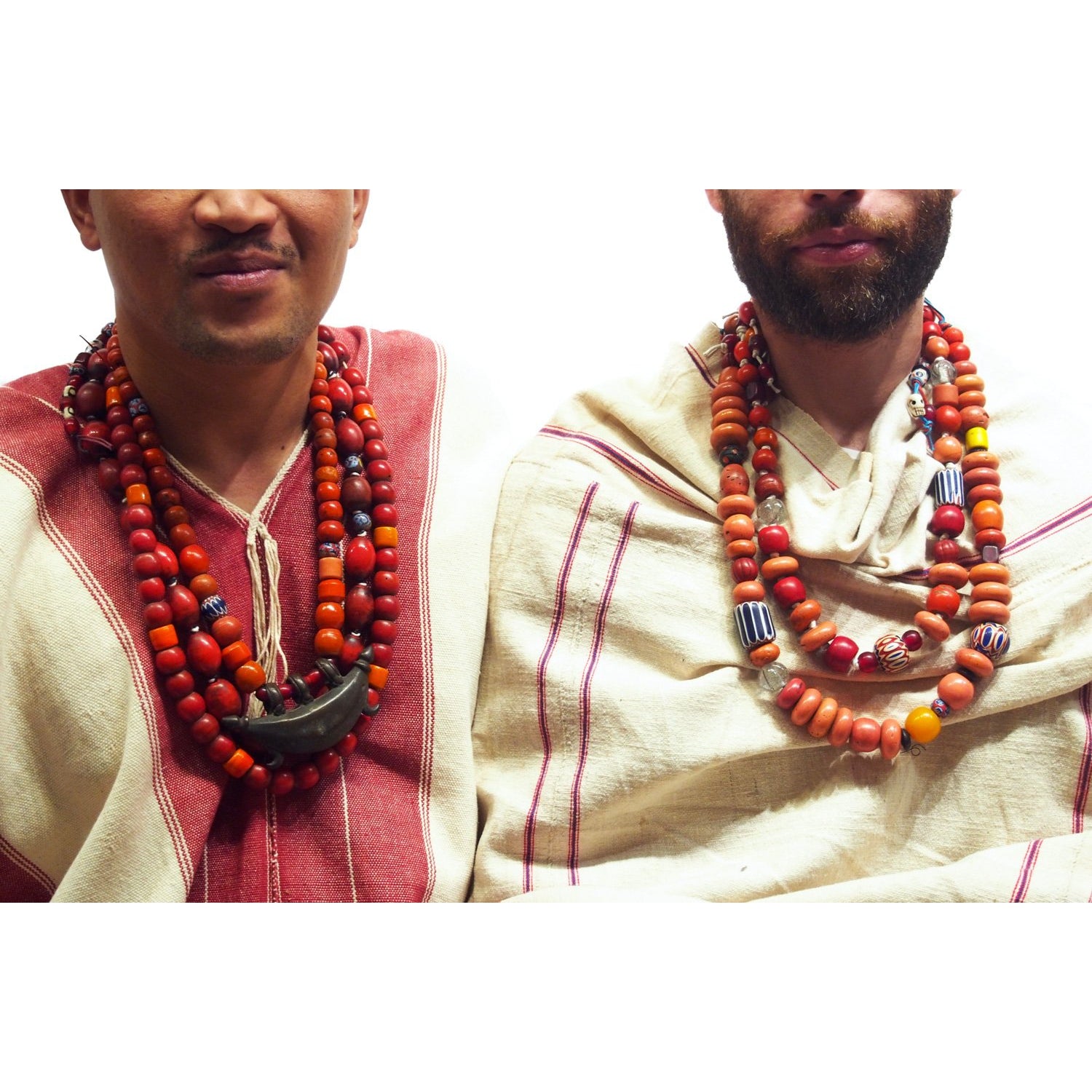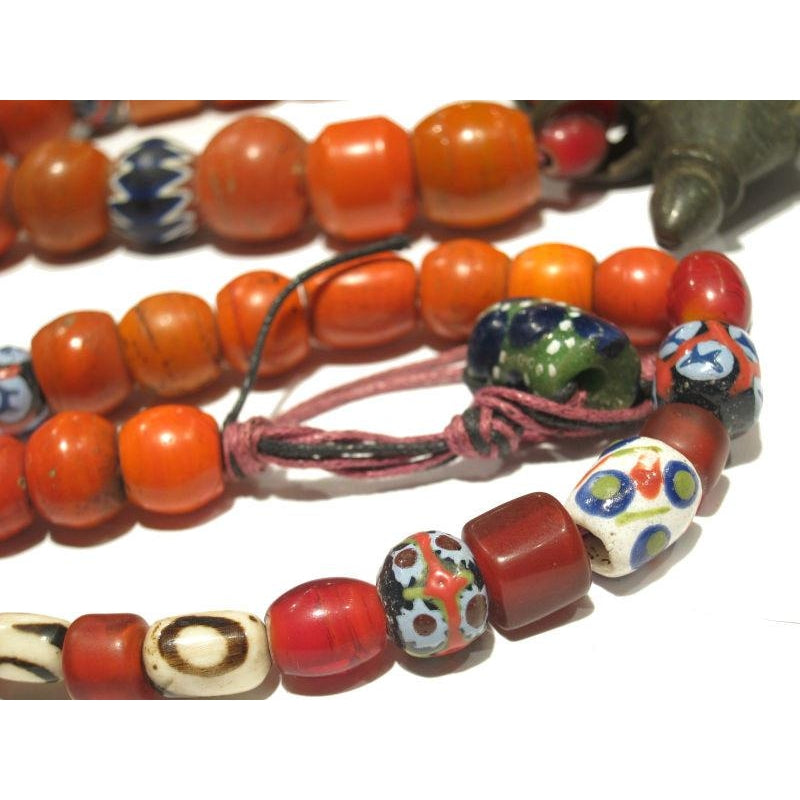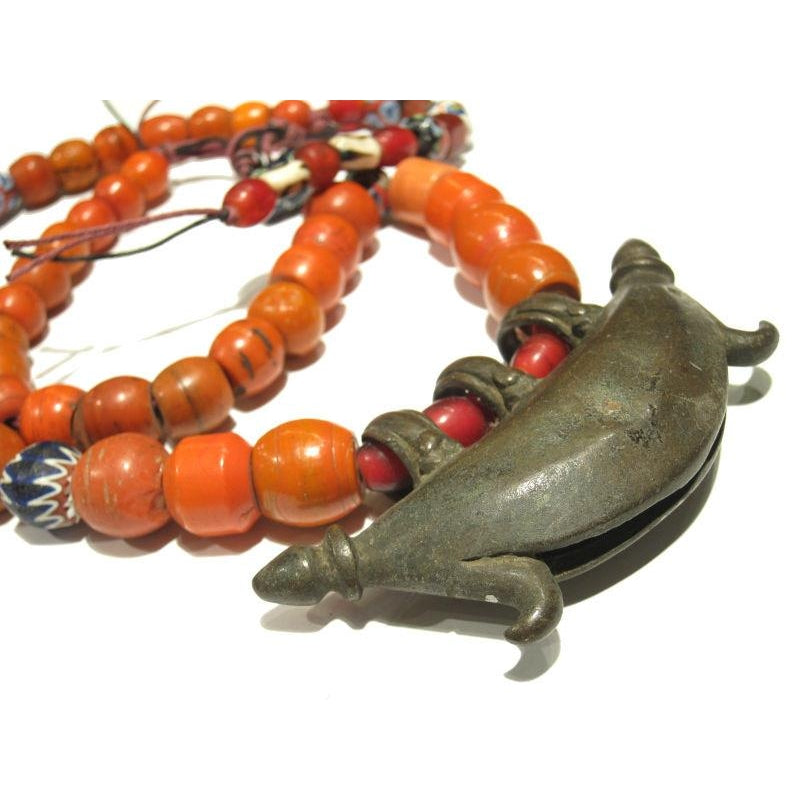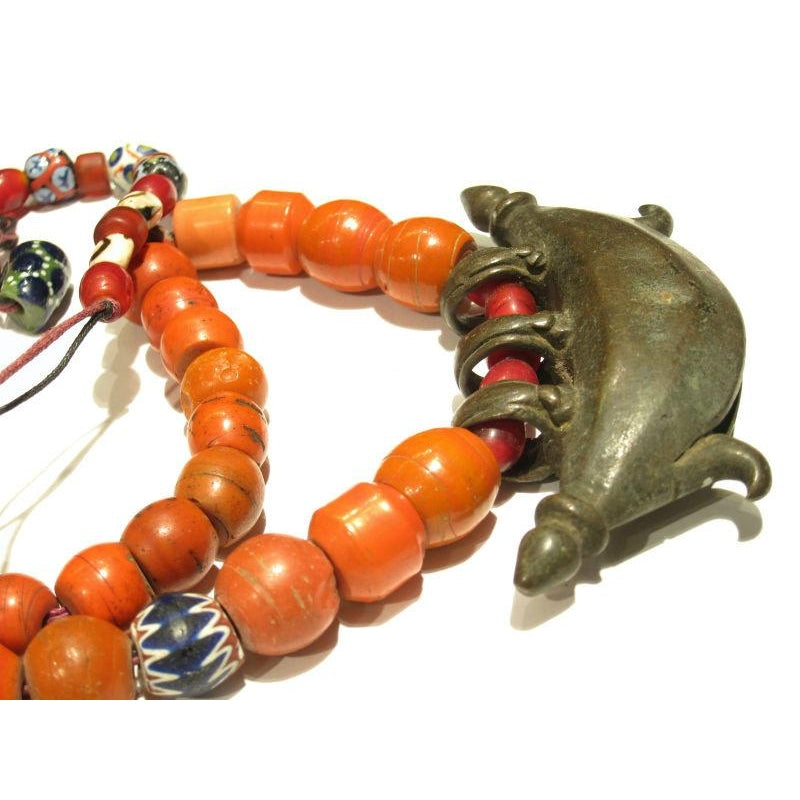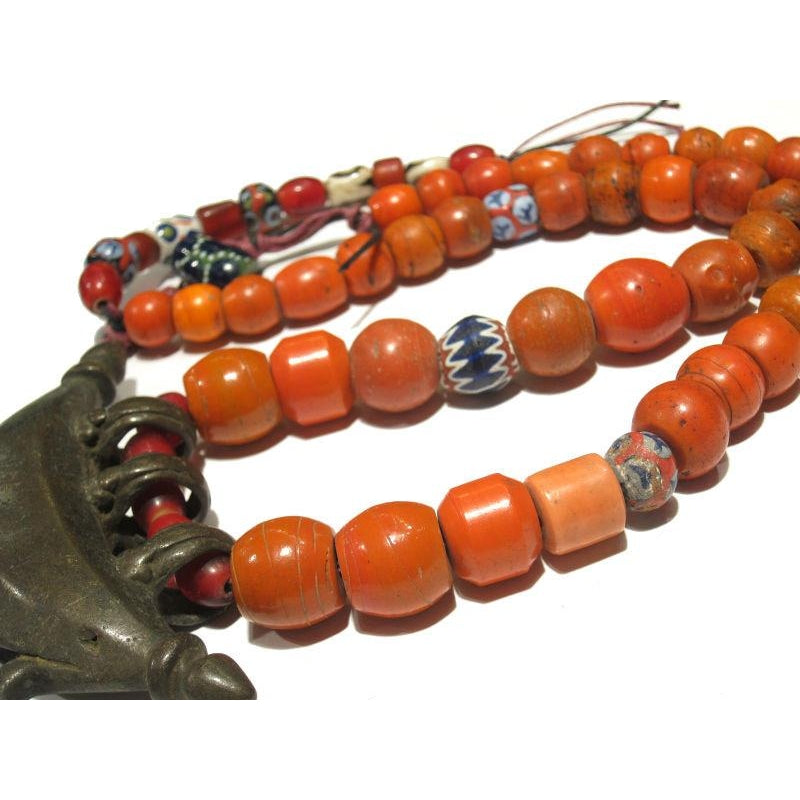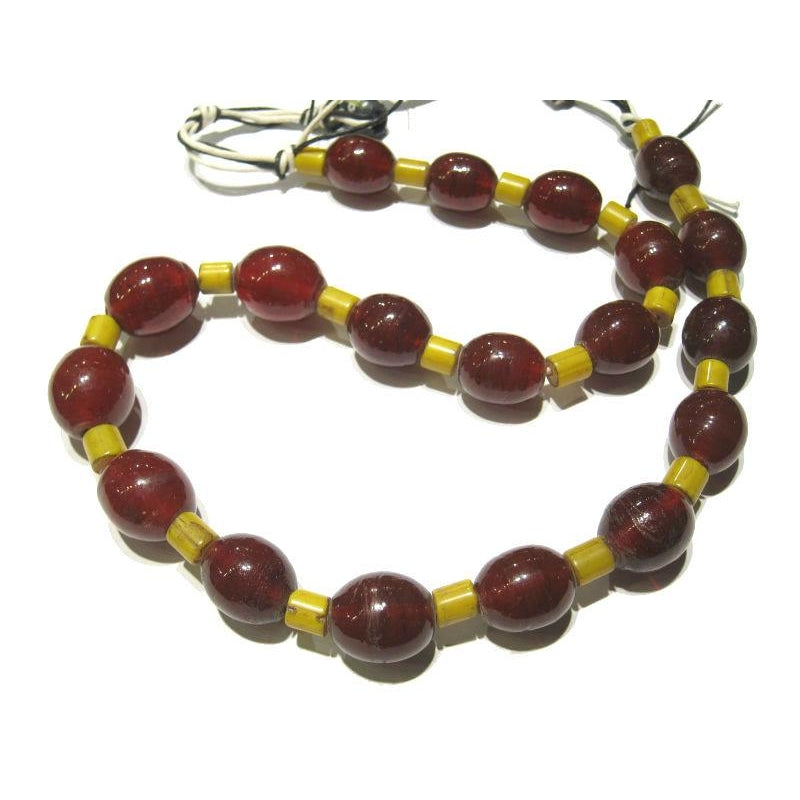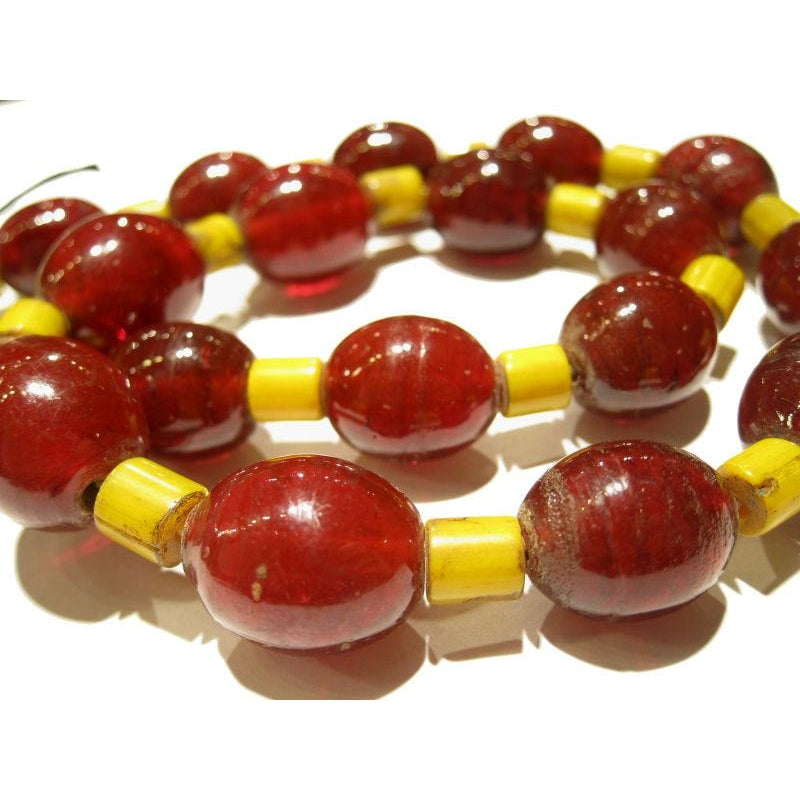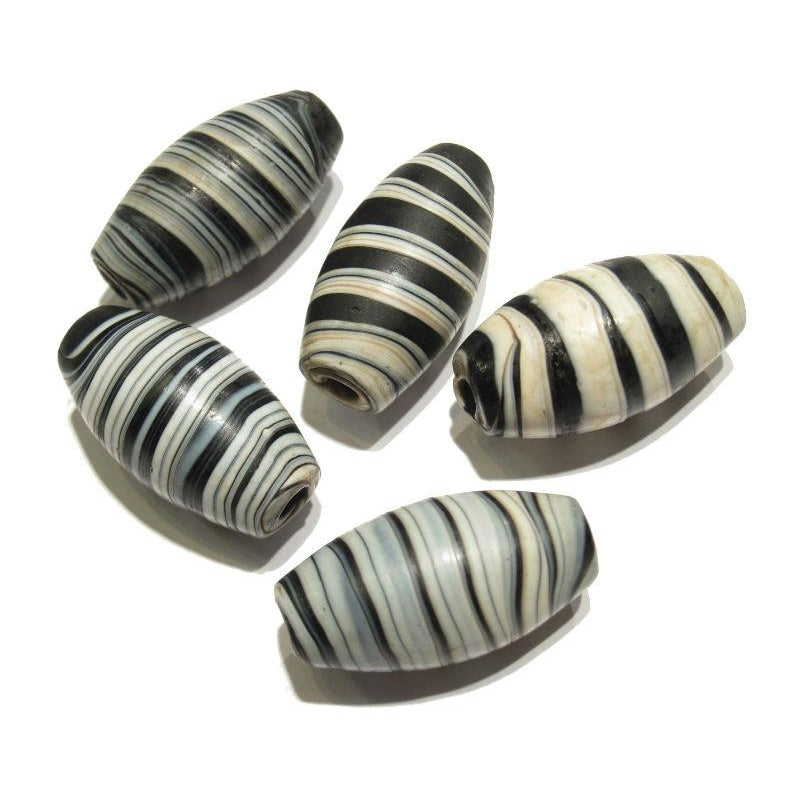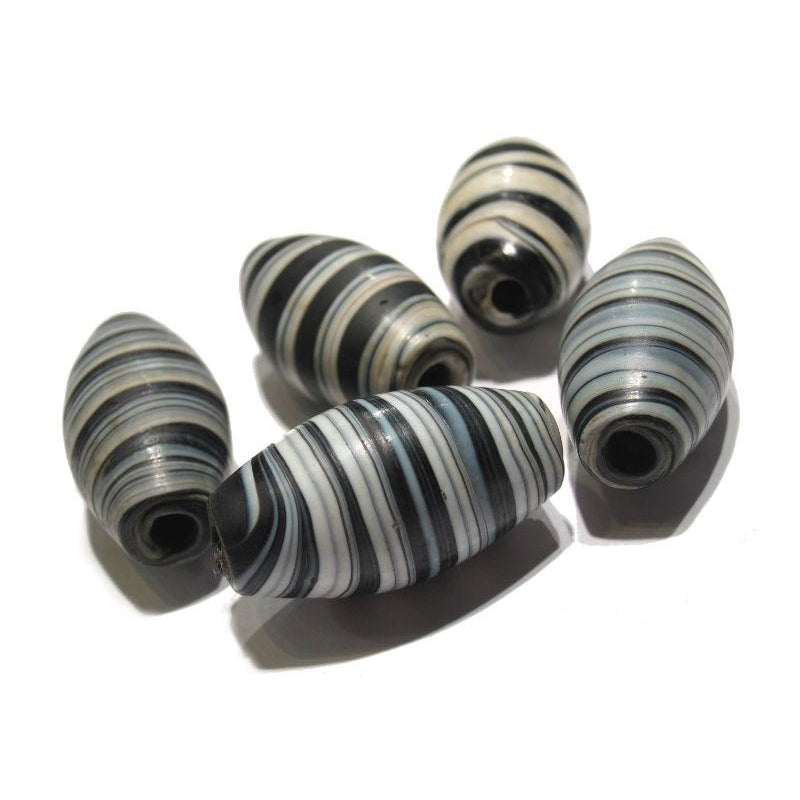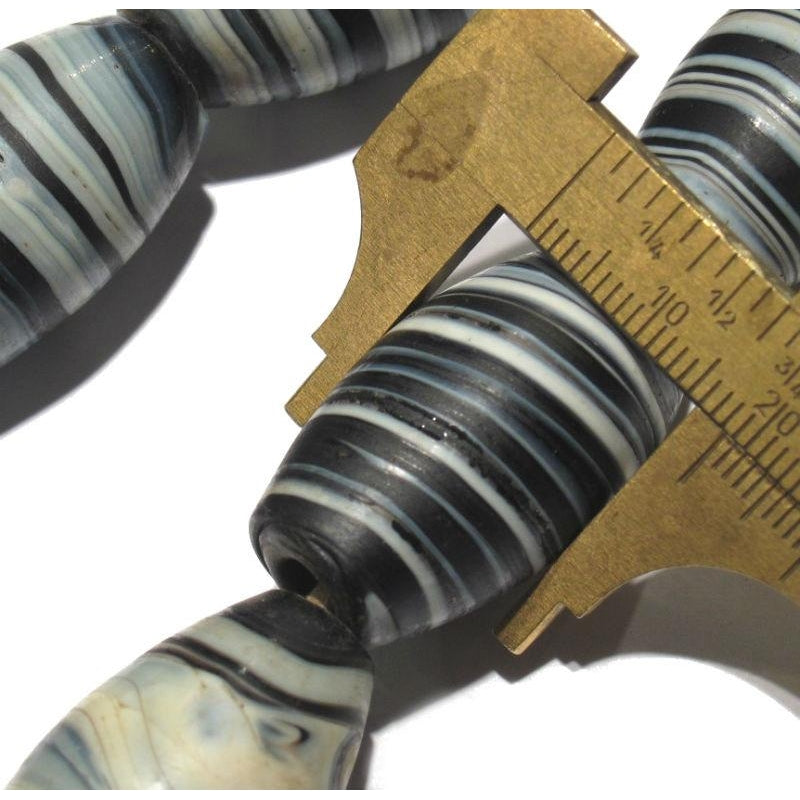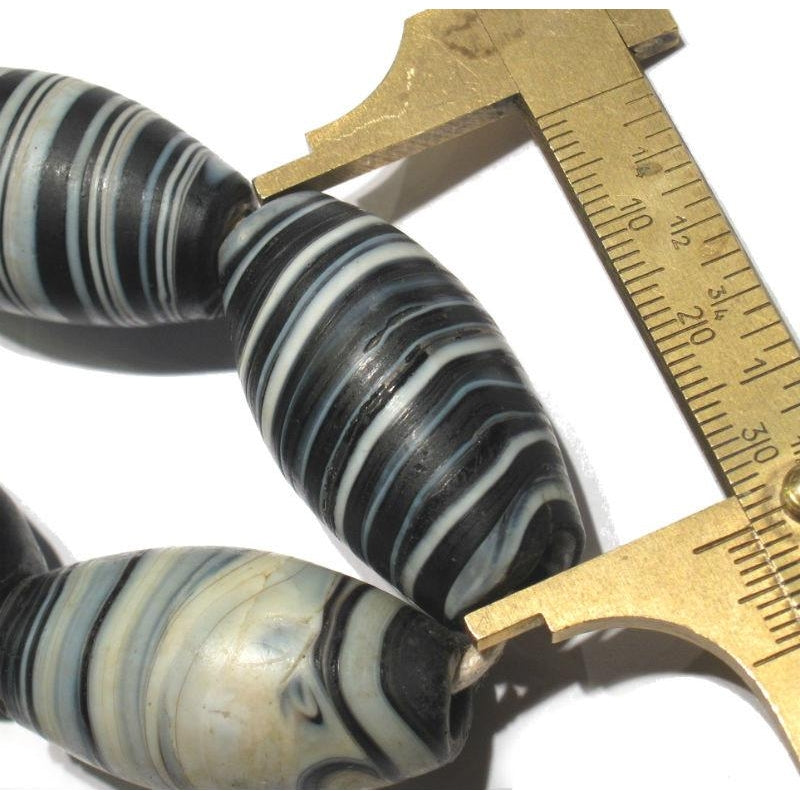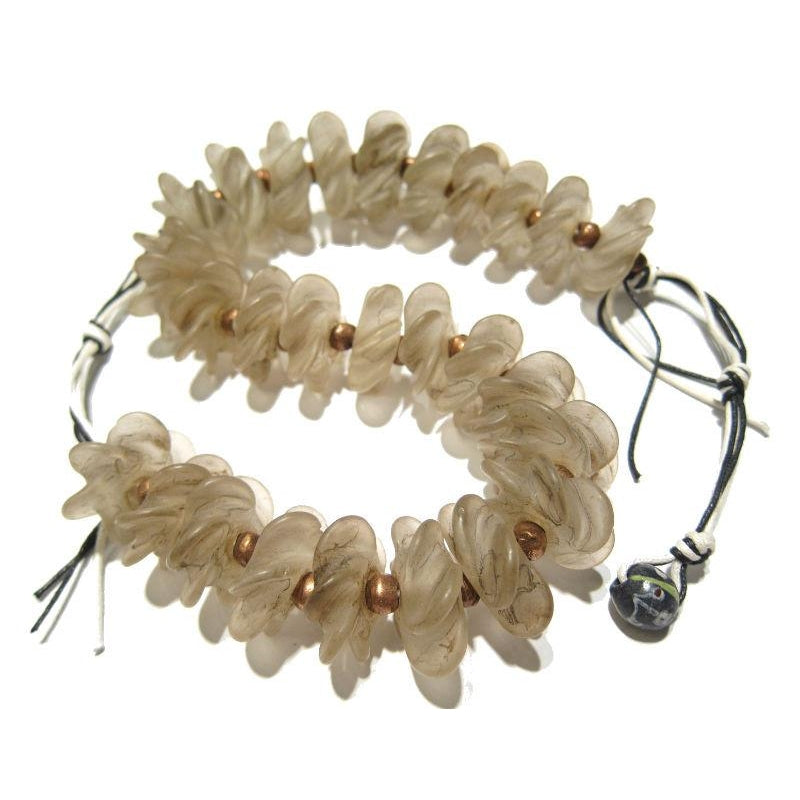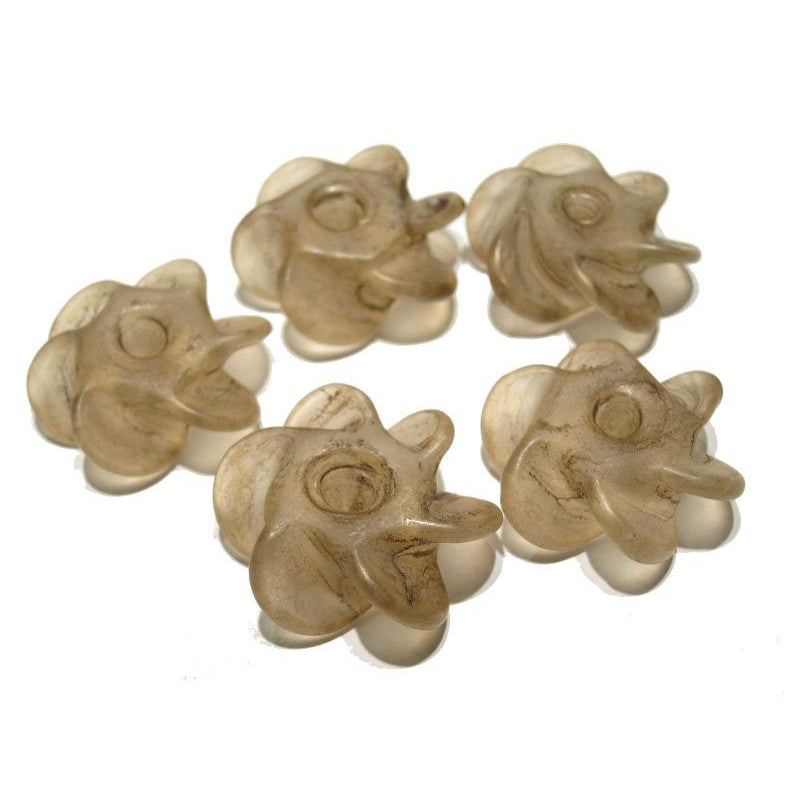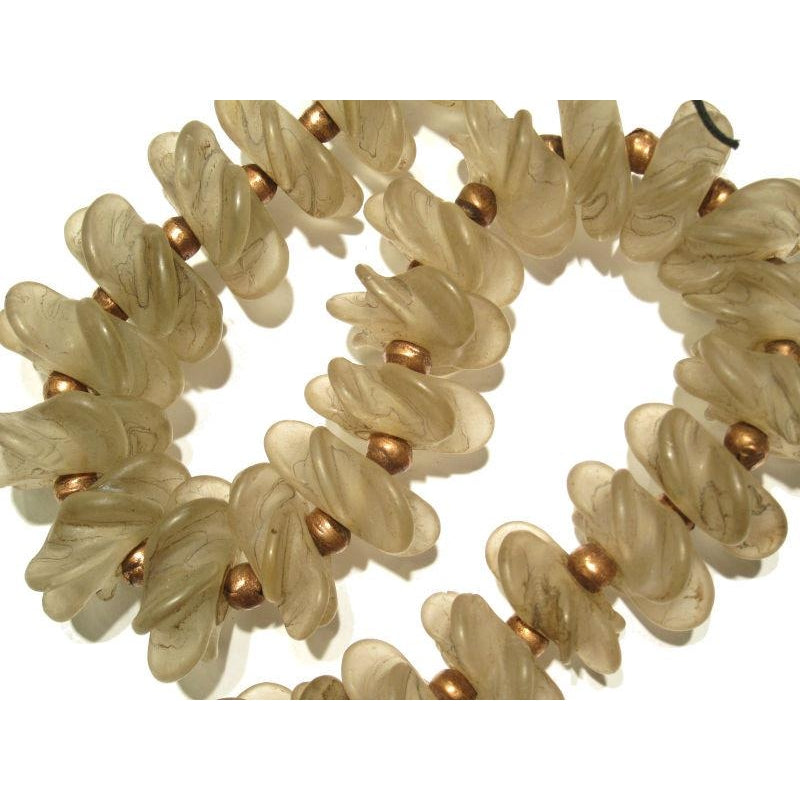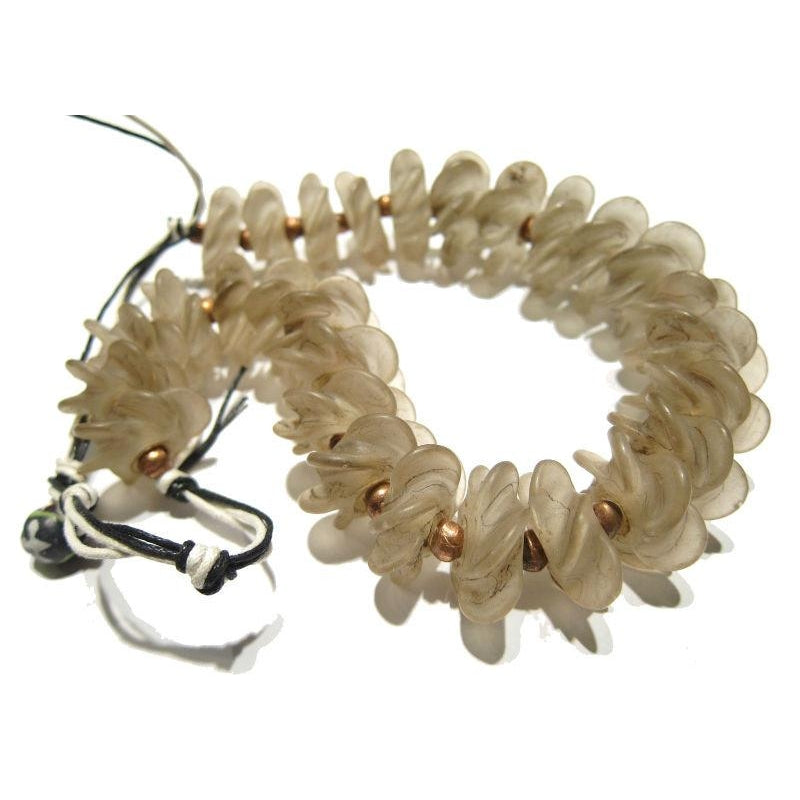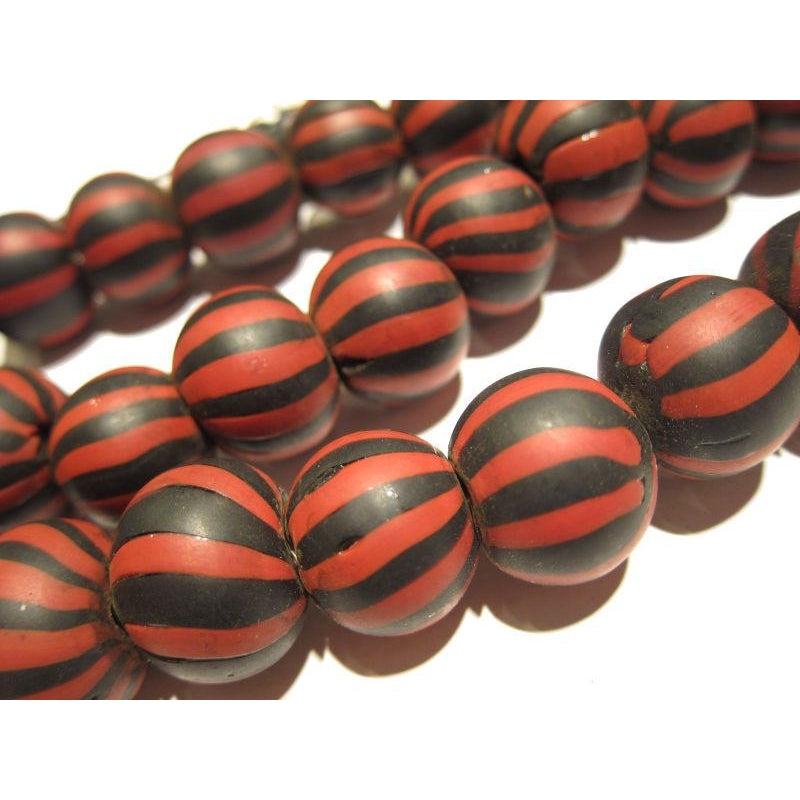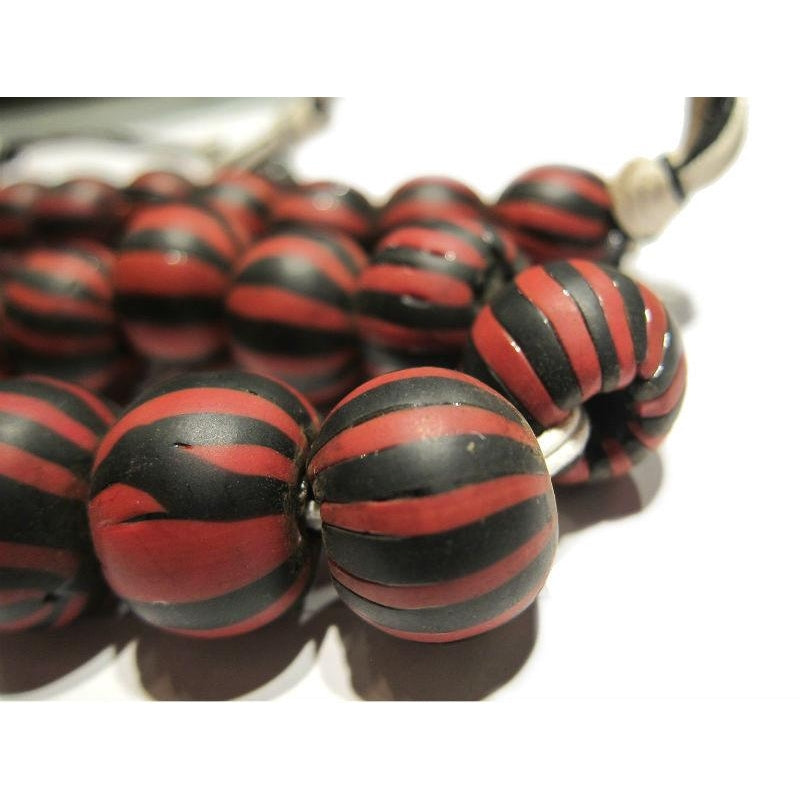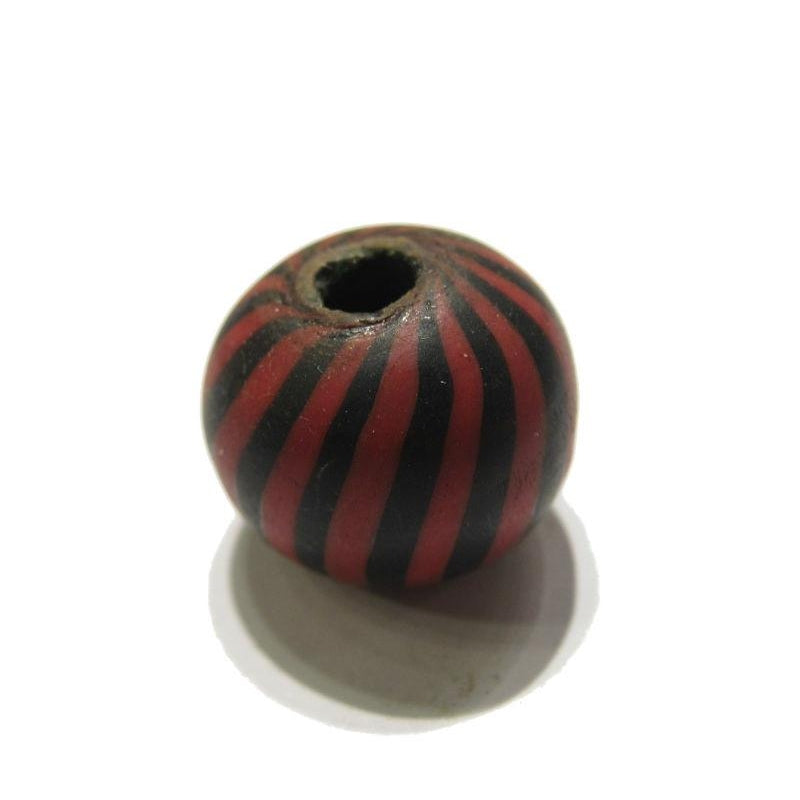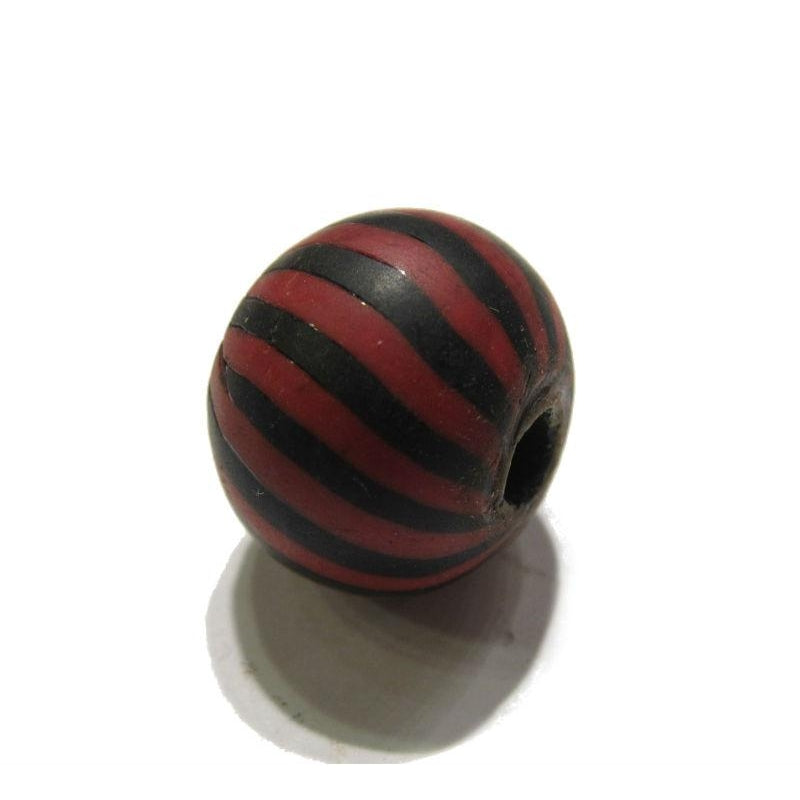









Naga Beads & Jewelry
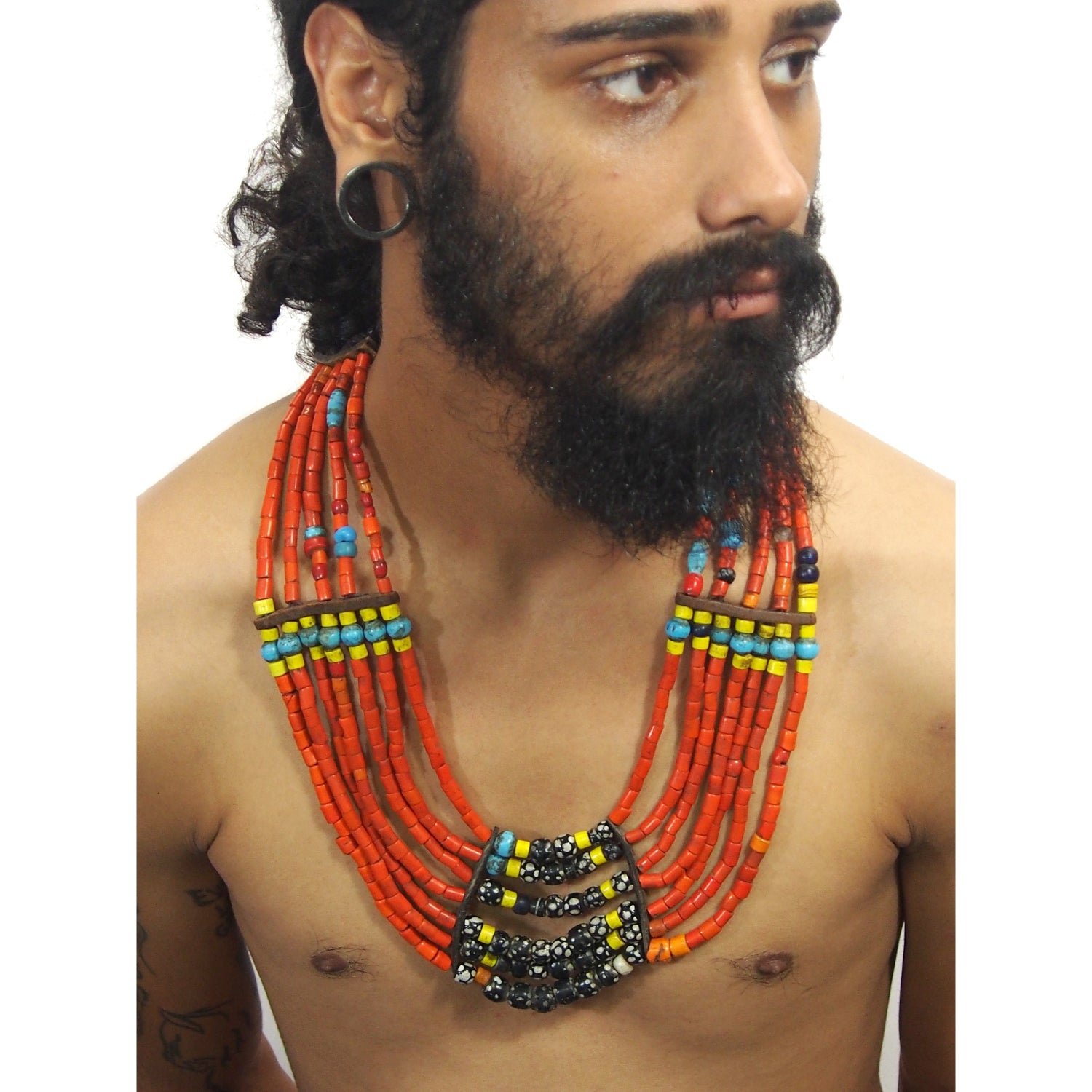
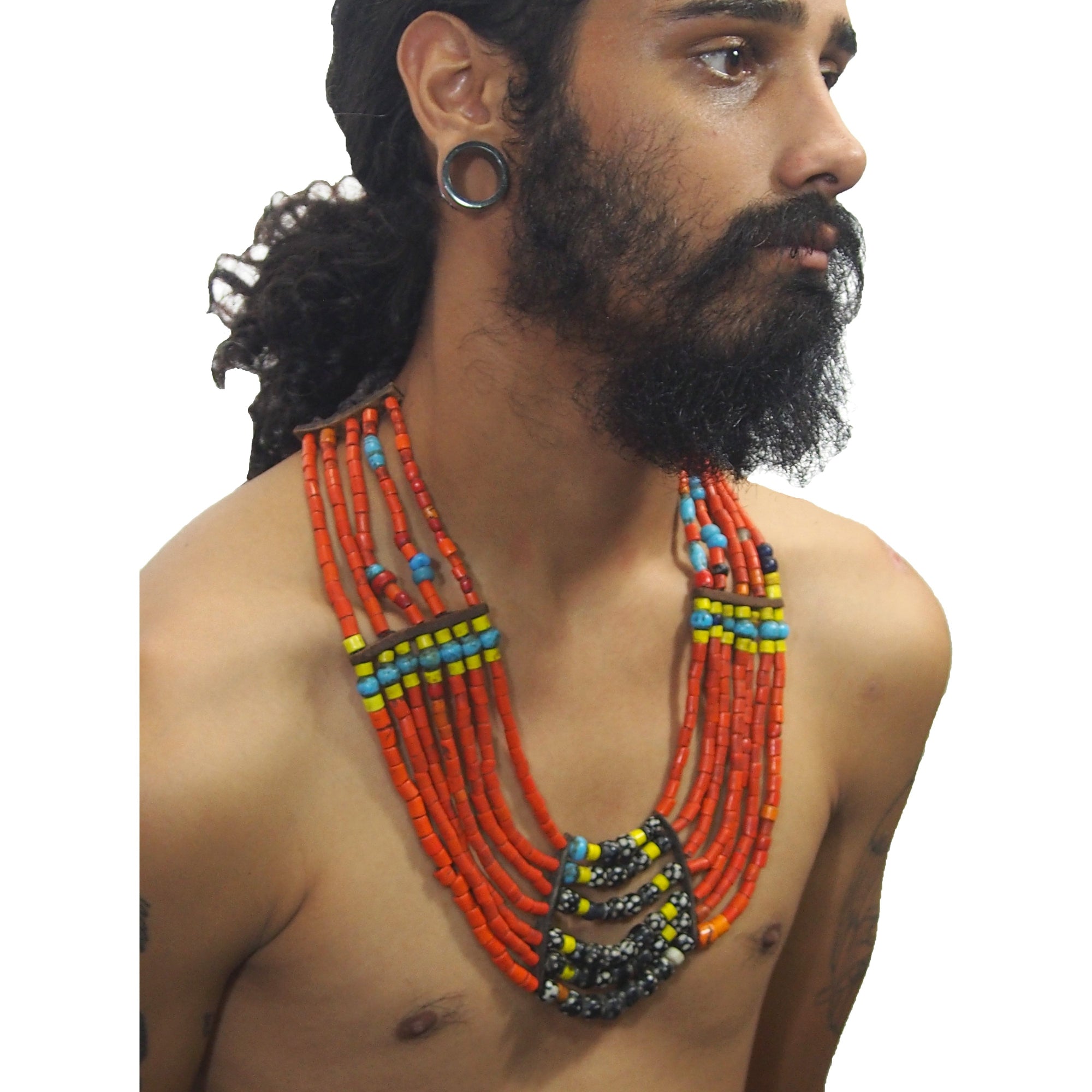
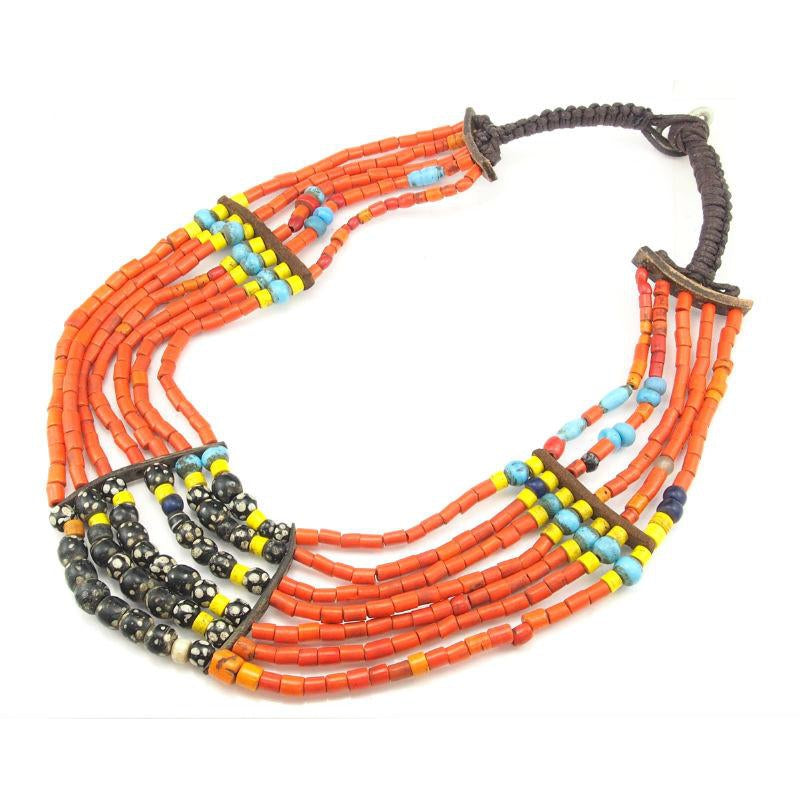
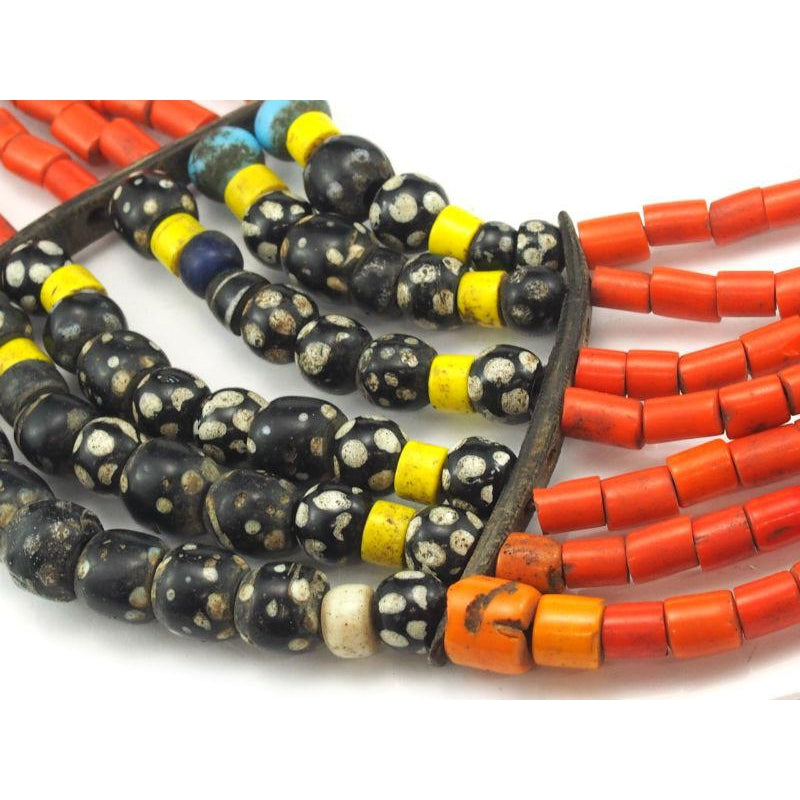
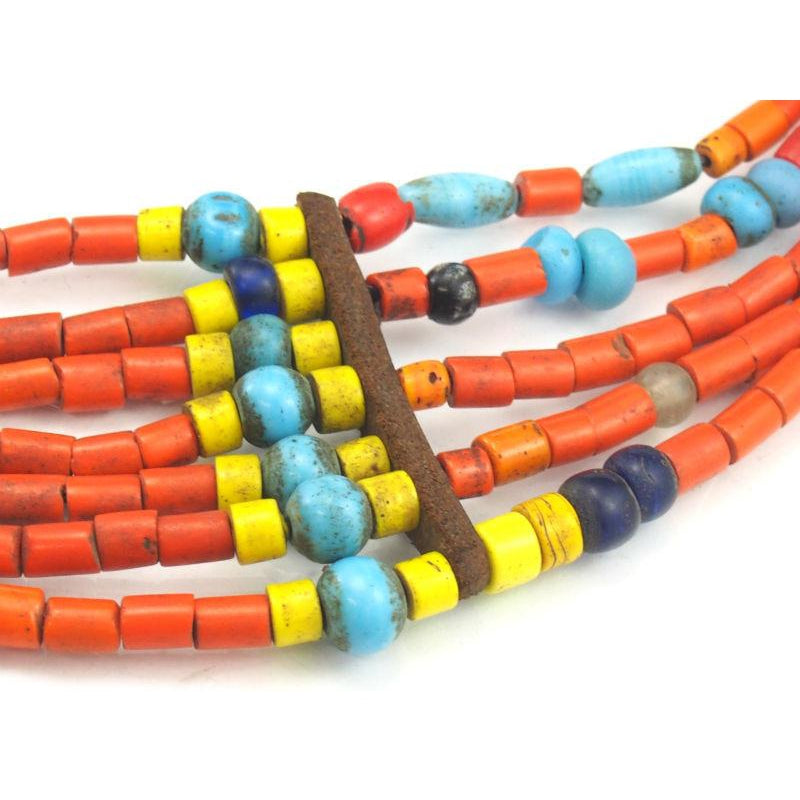
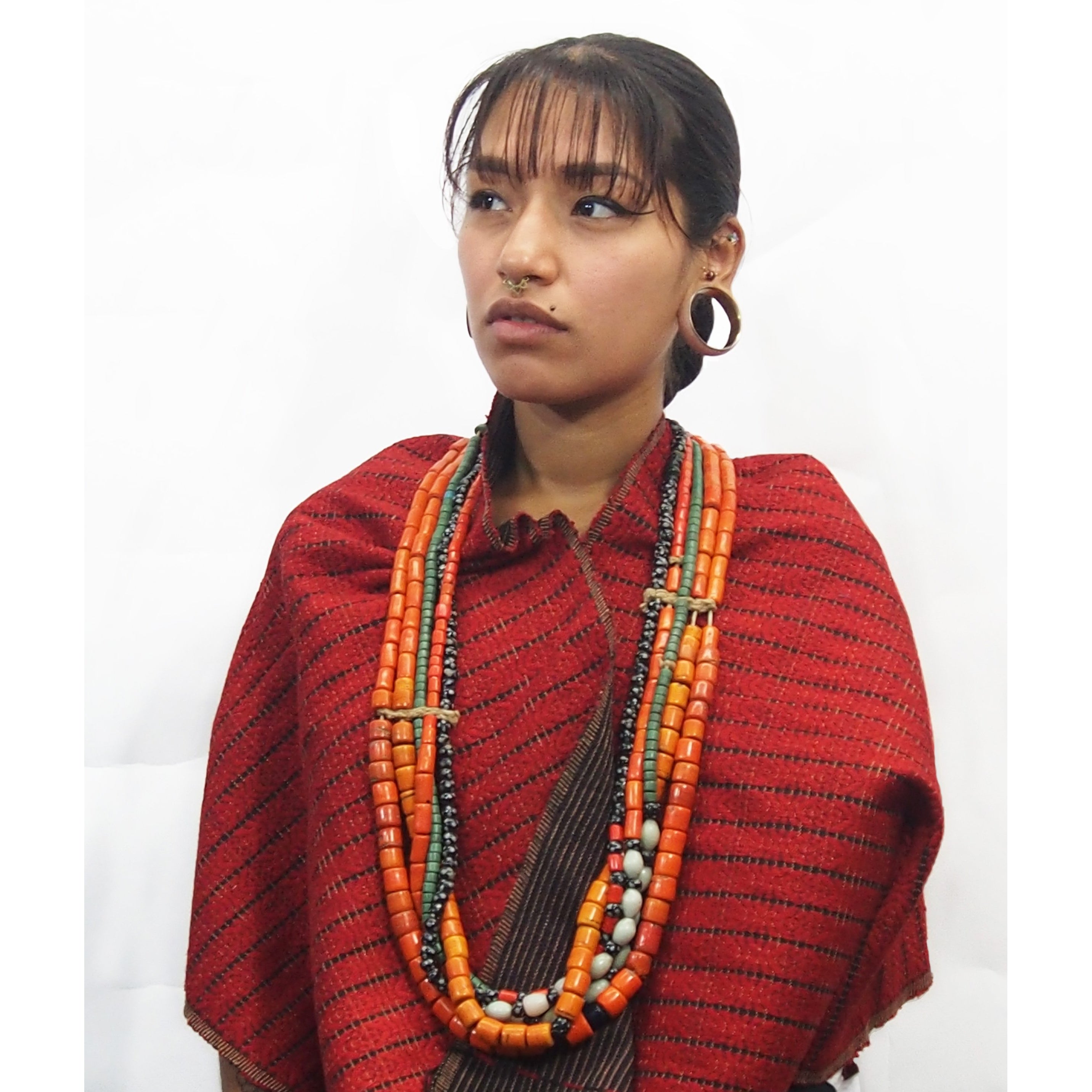
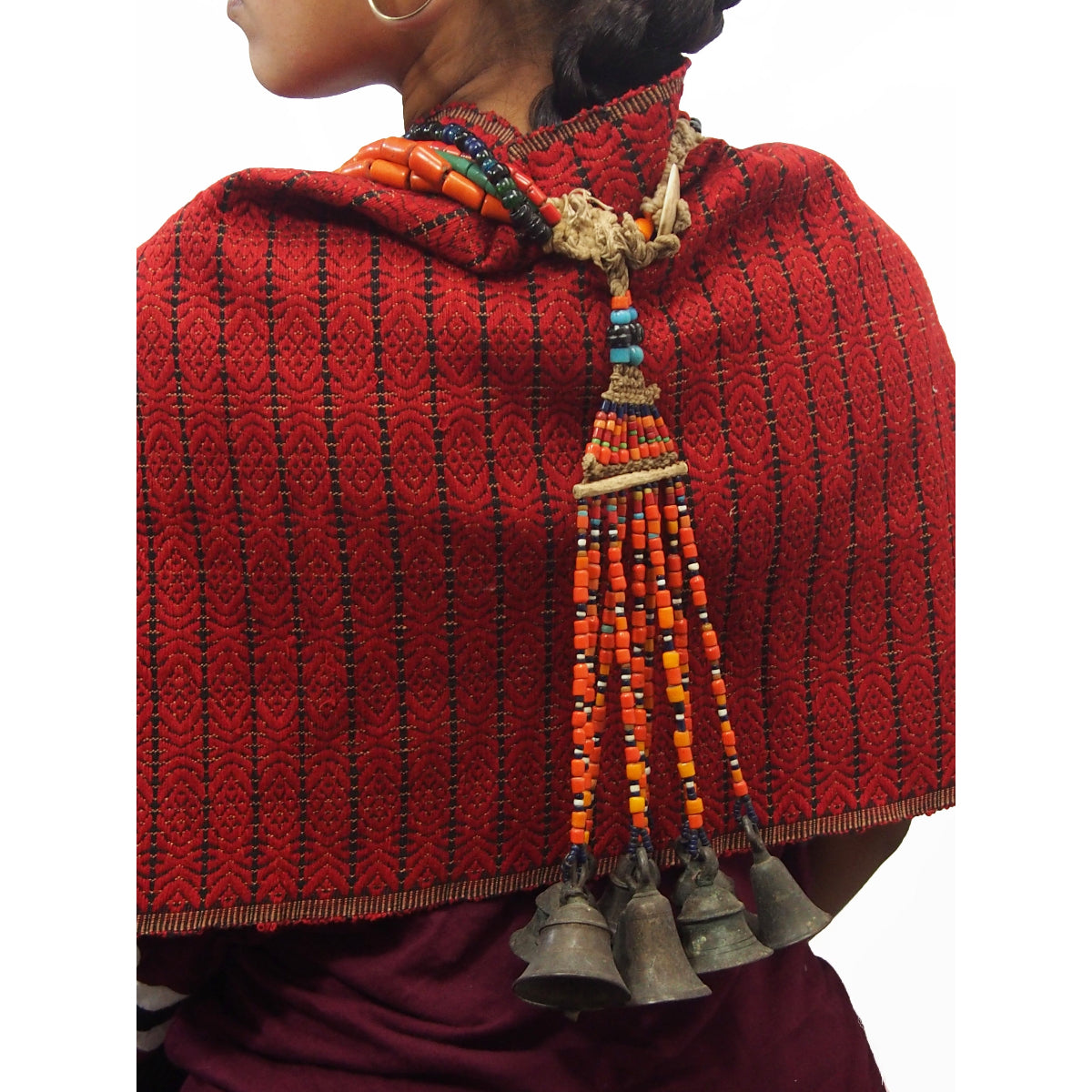
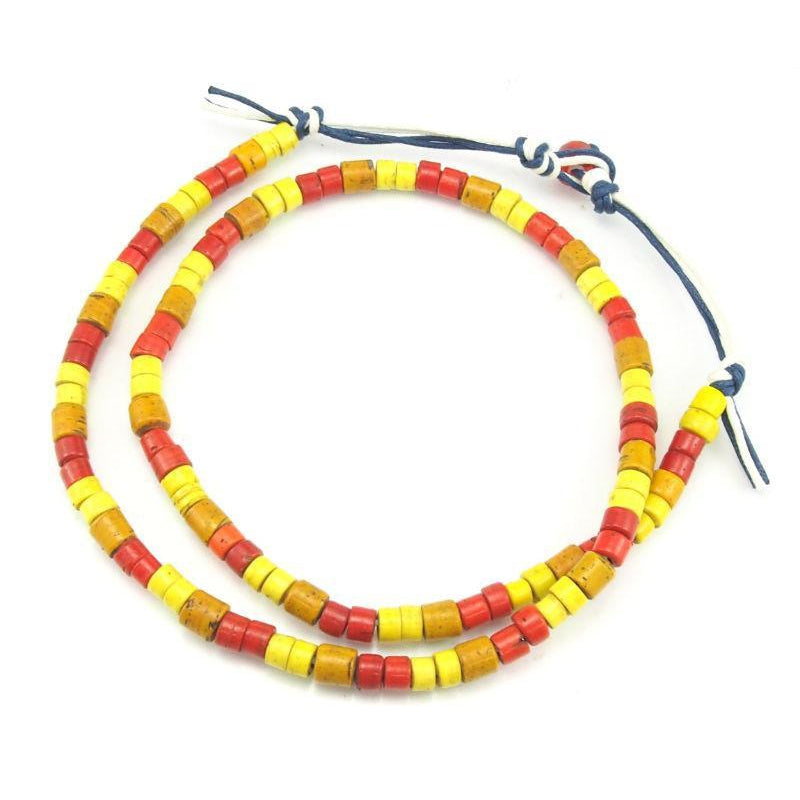
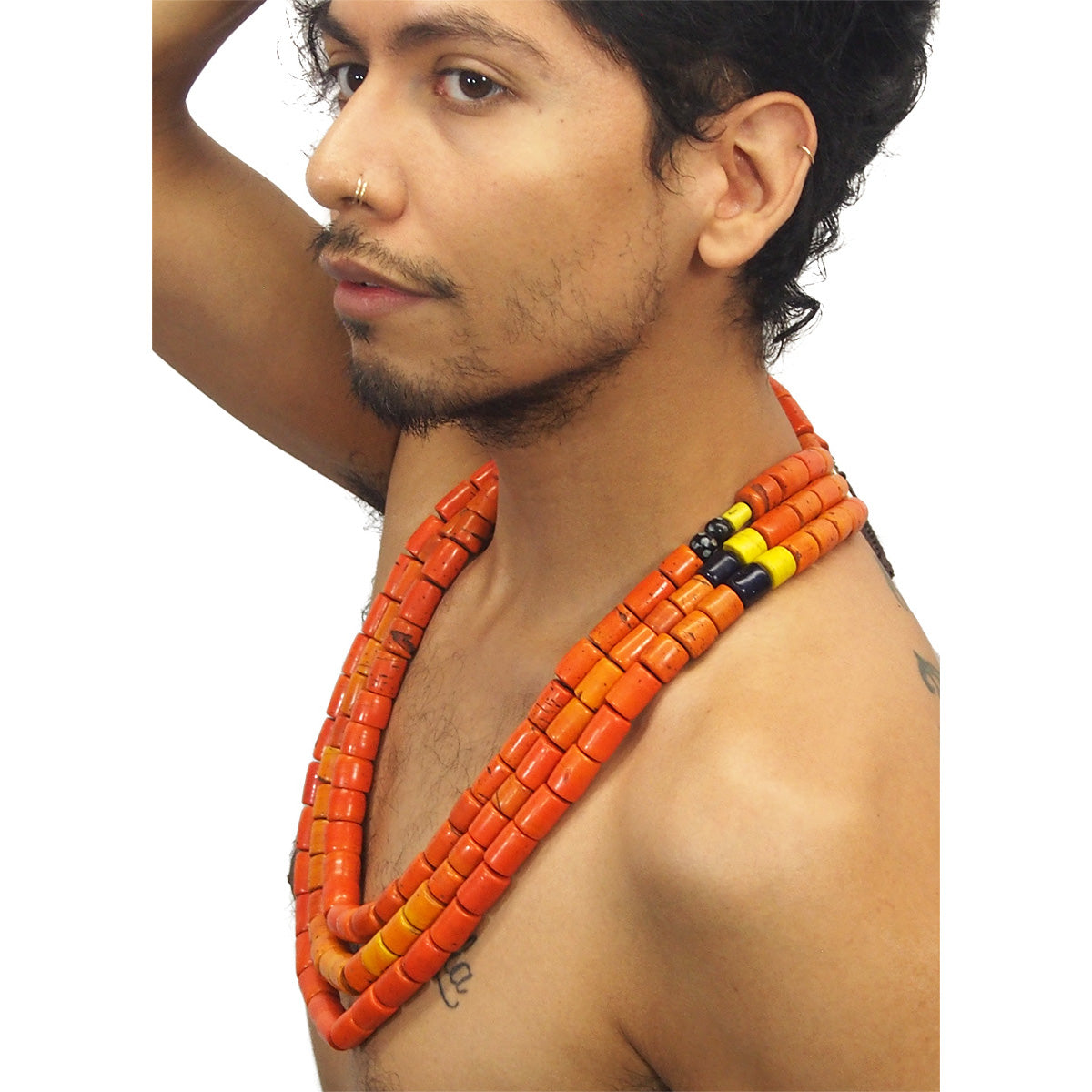
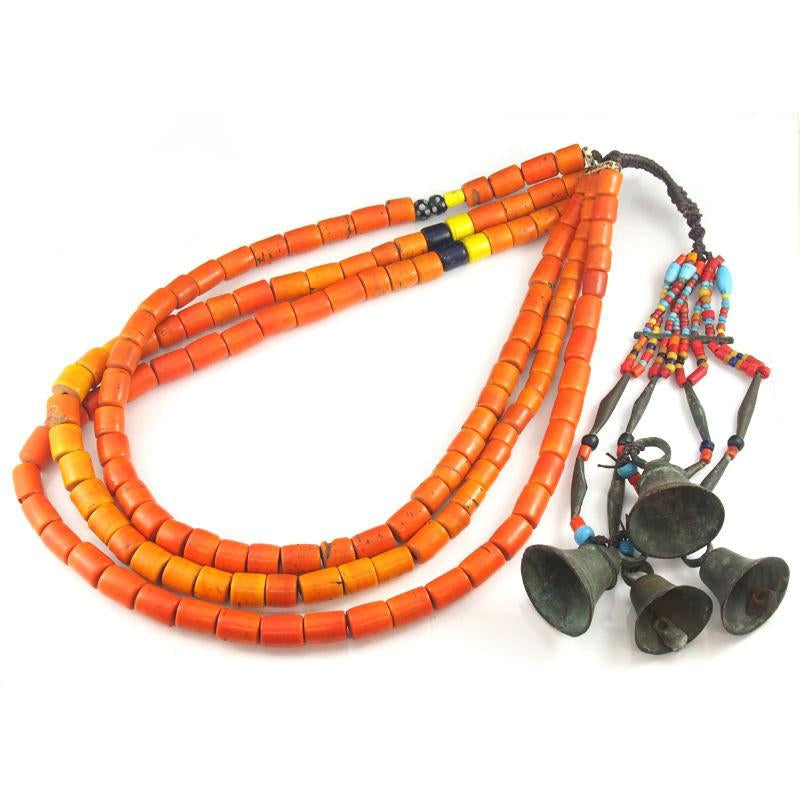
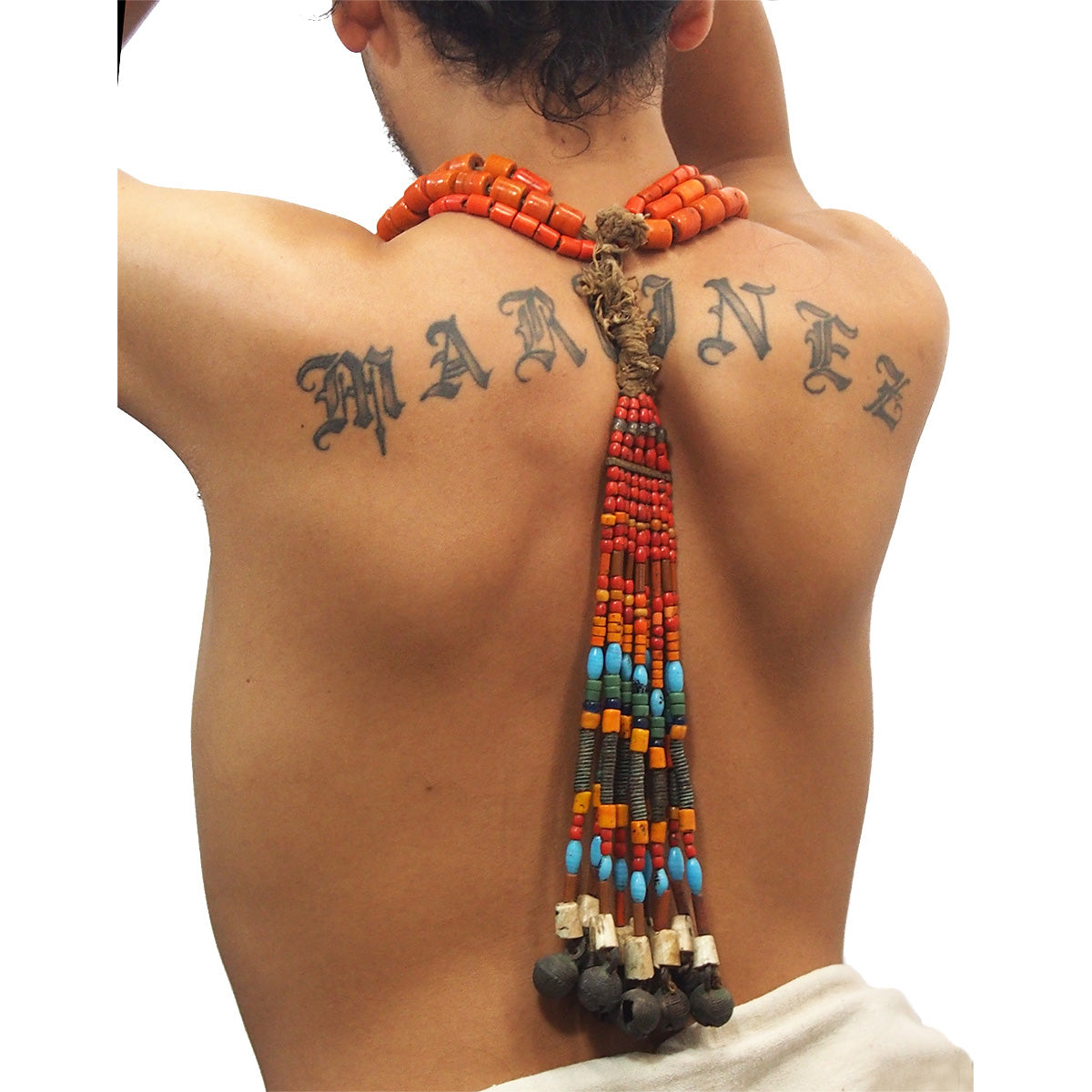
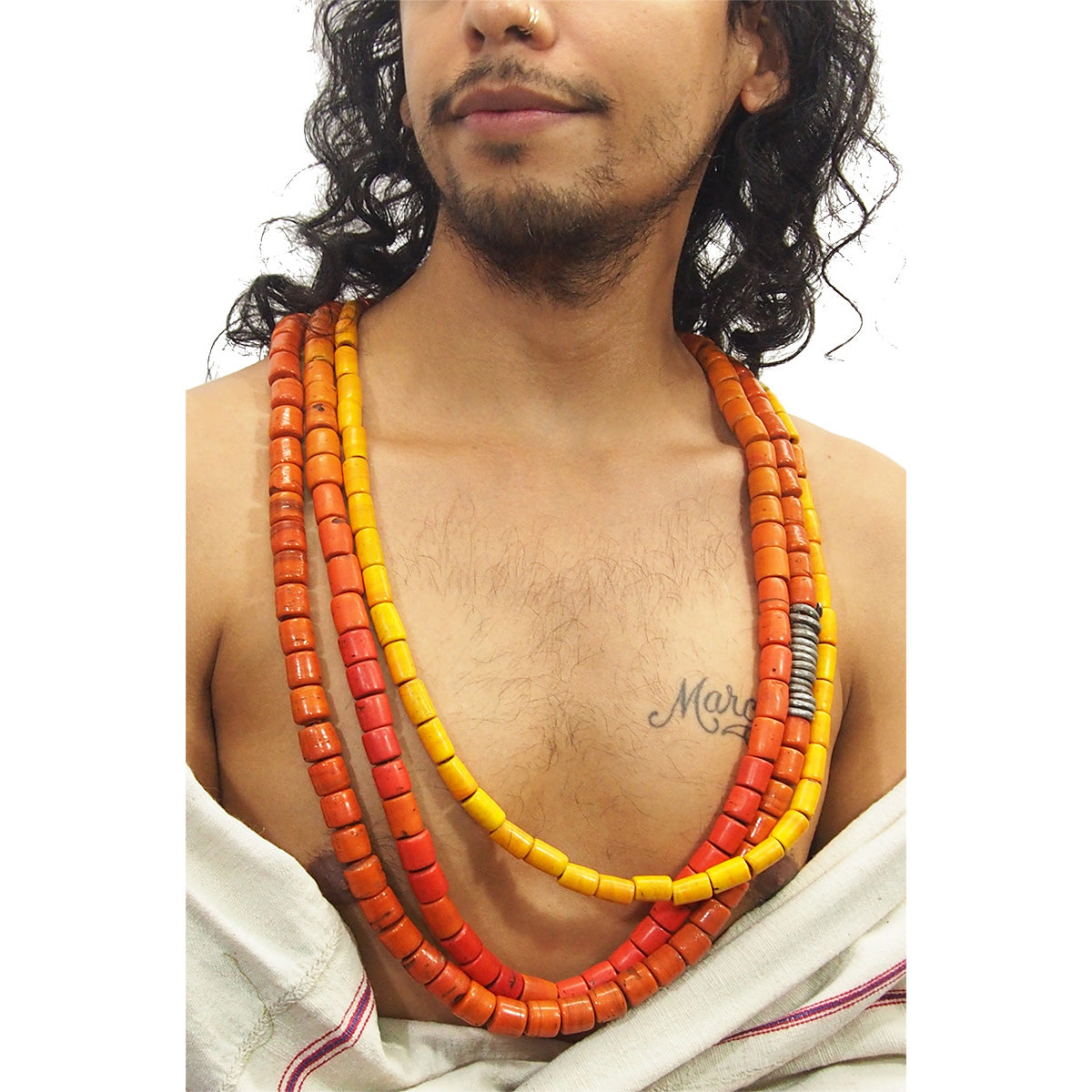
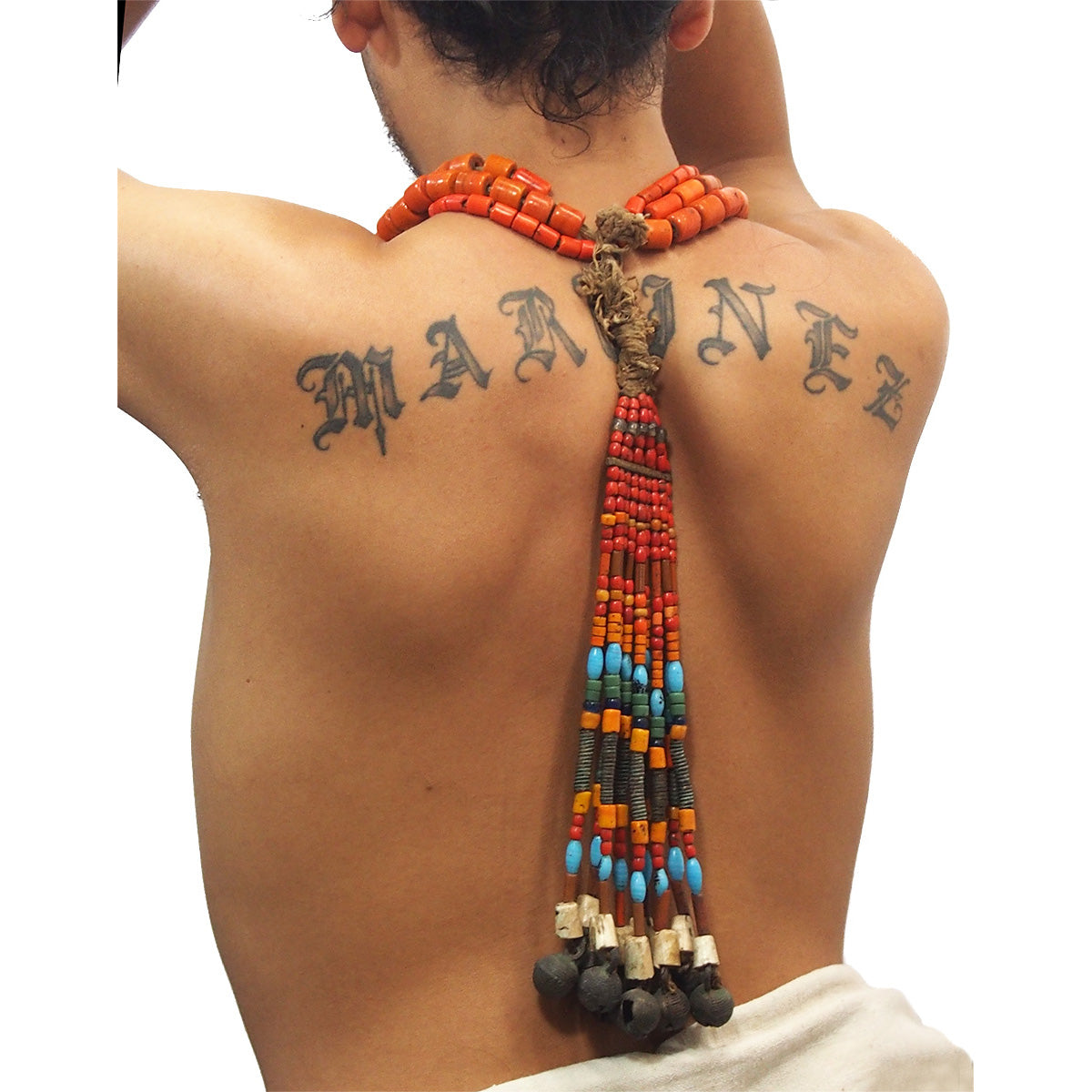
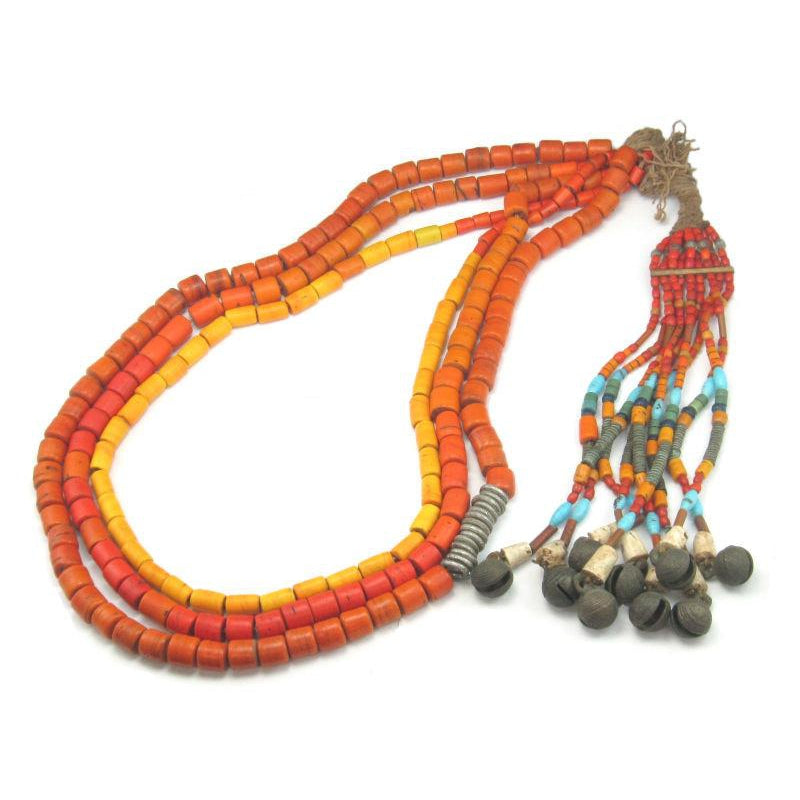
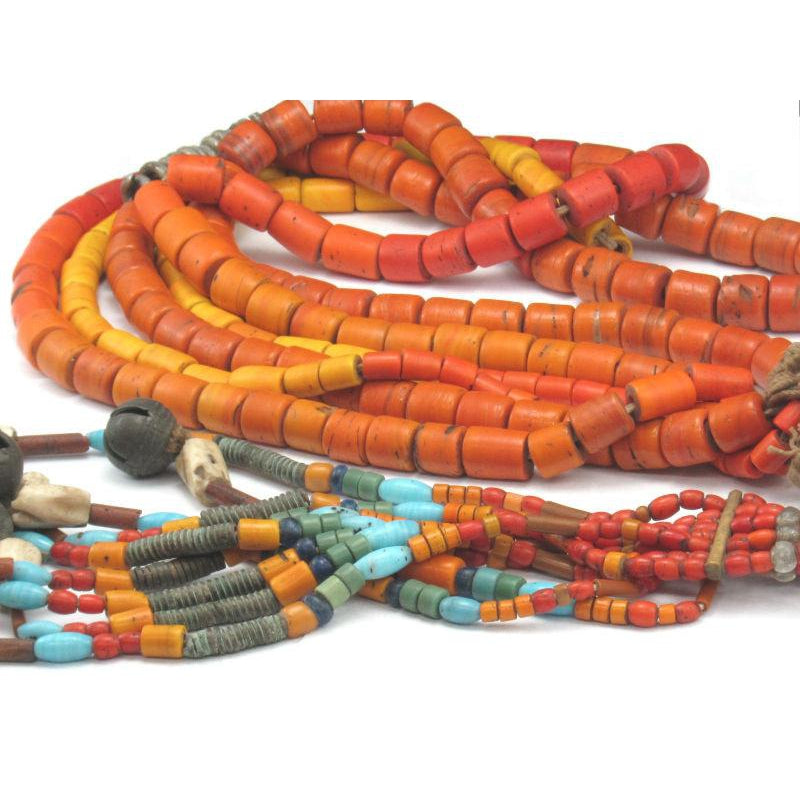
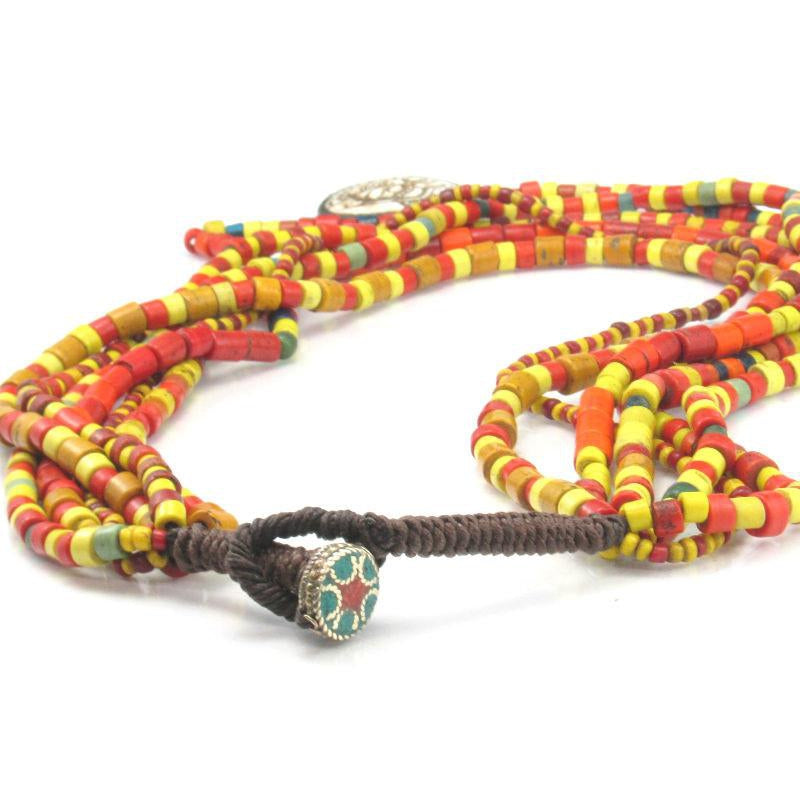
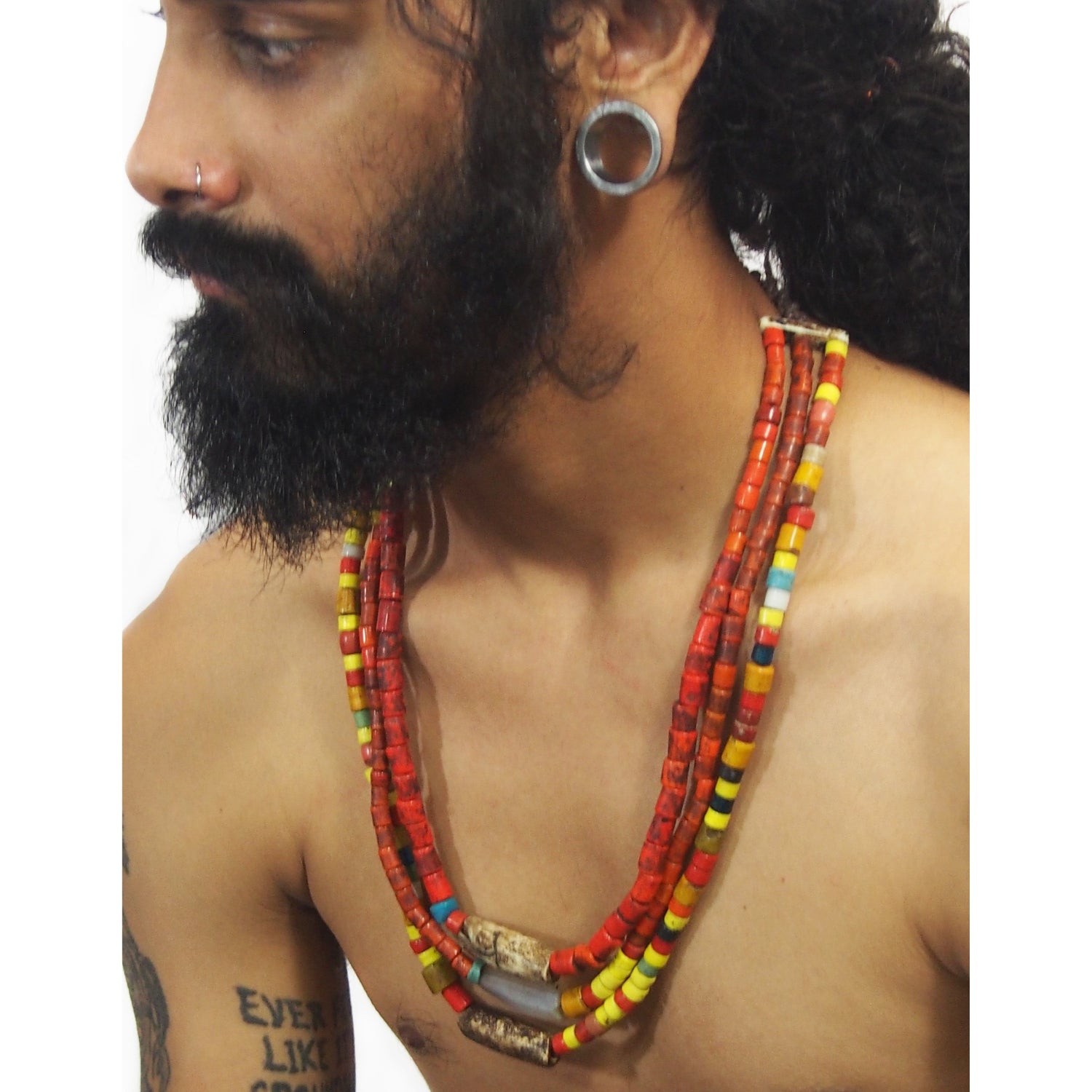
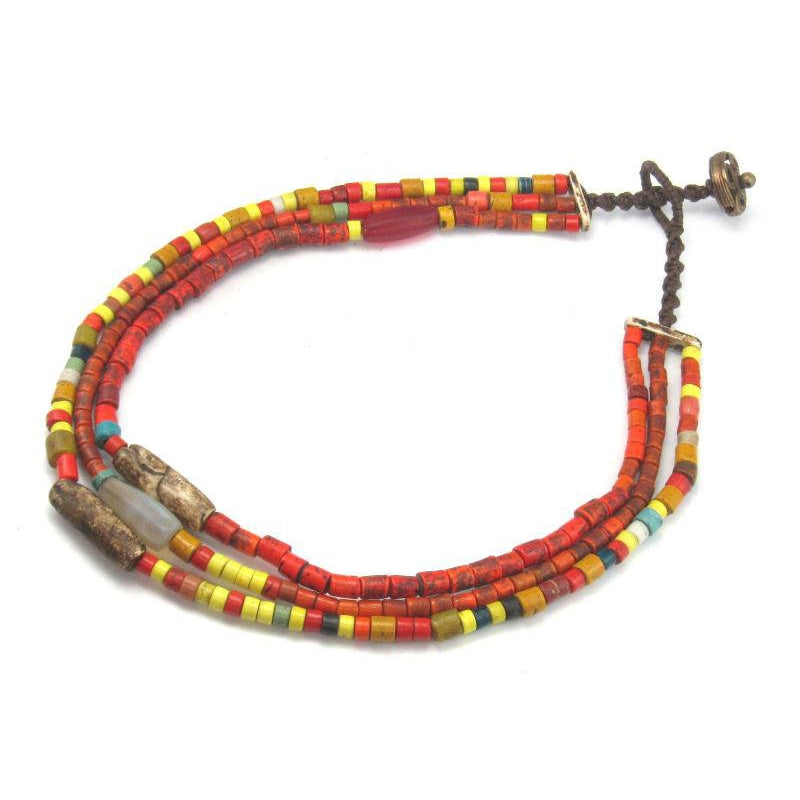
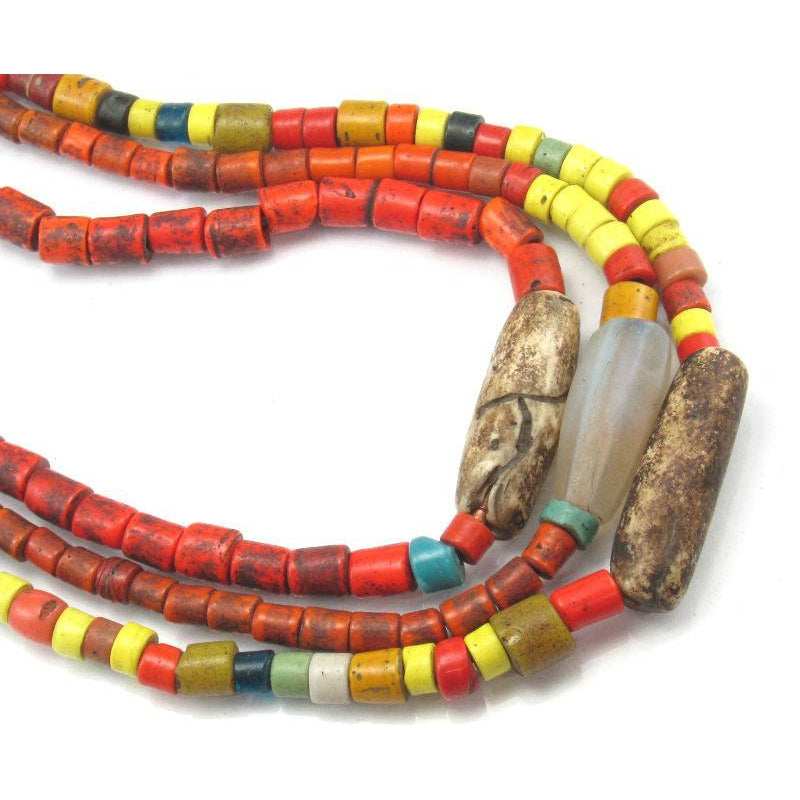
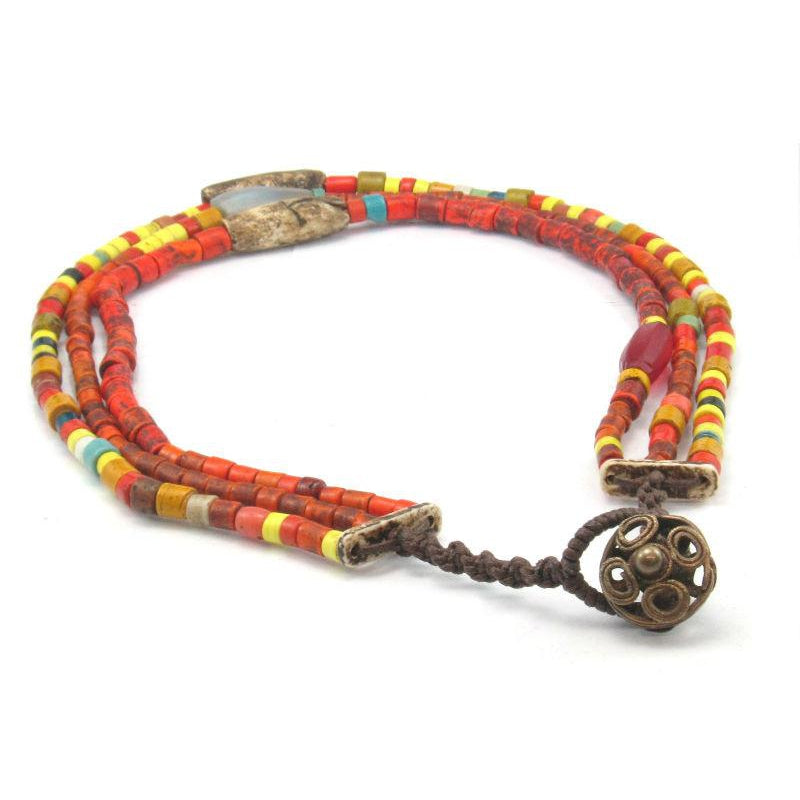
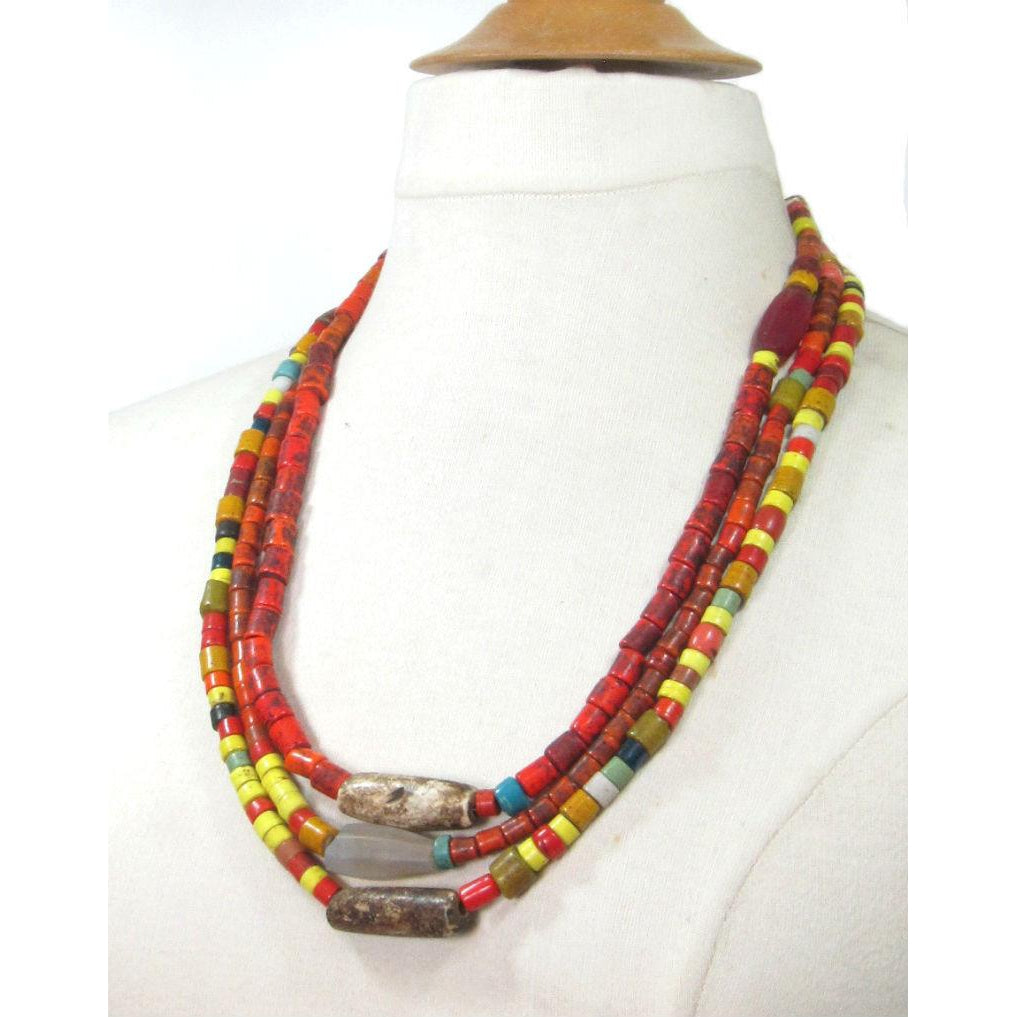
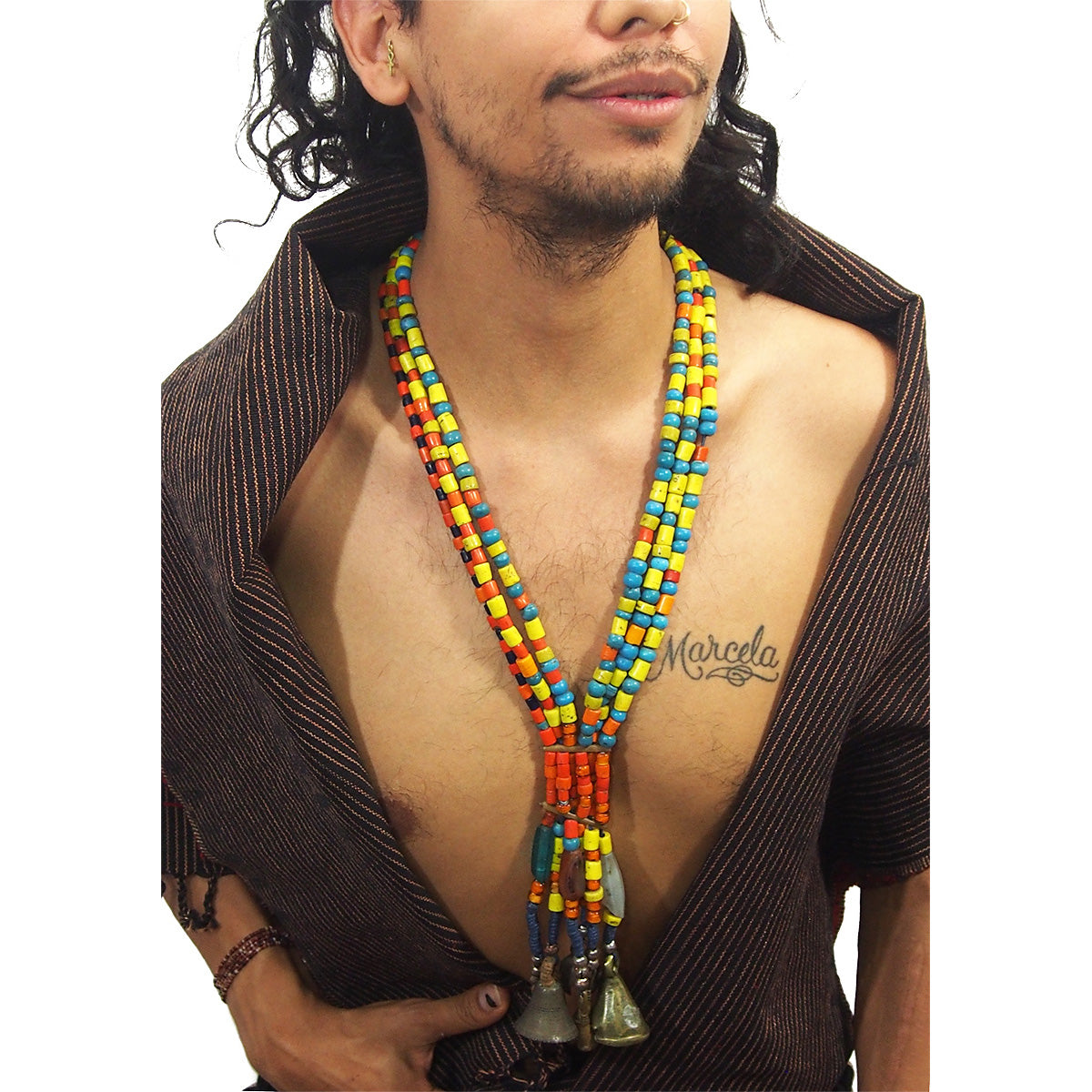
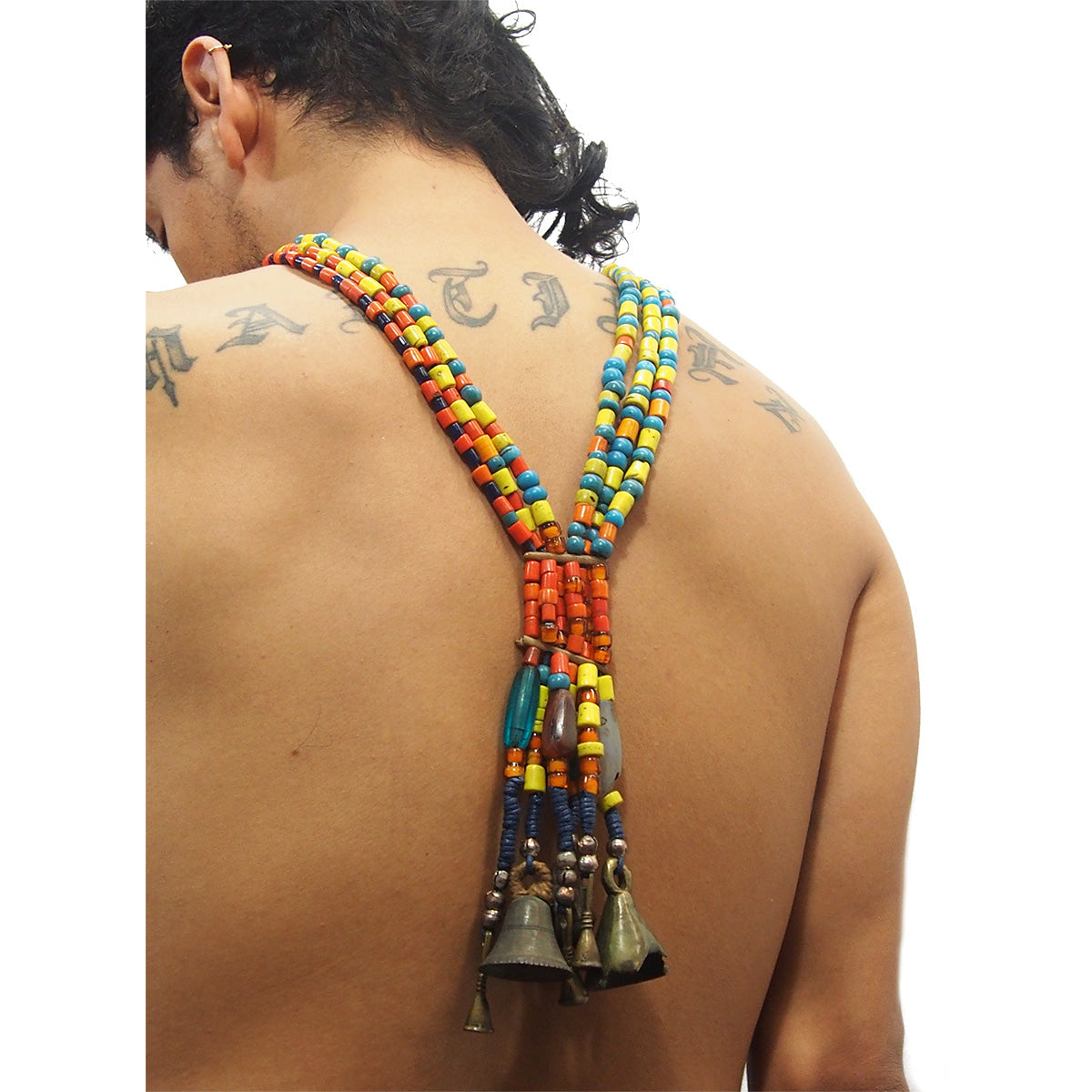
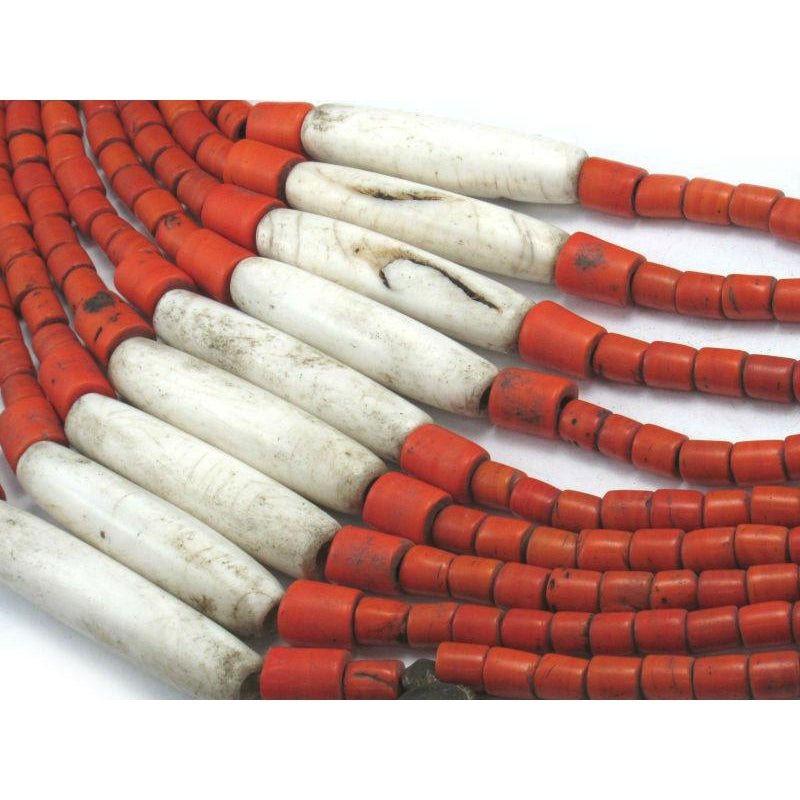
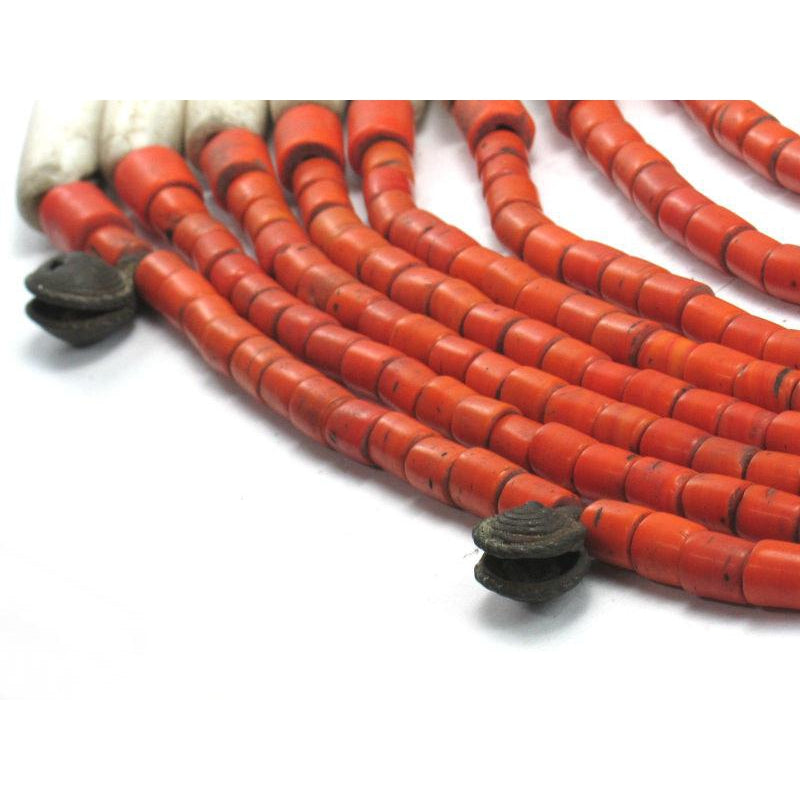
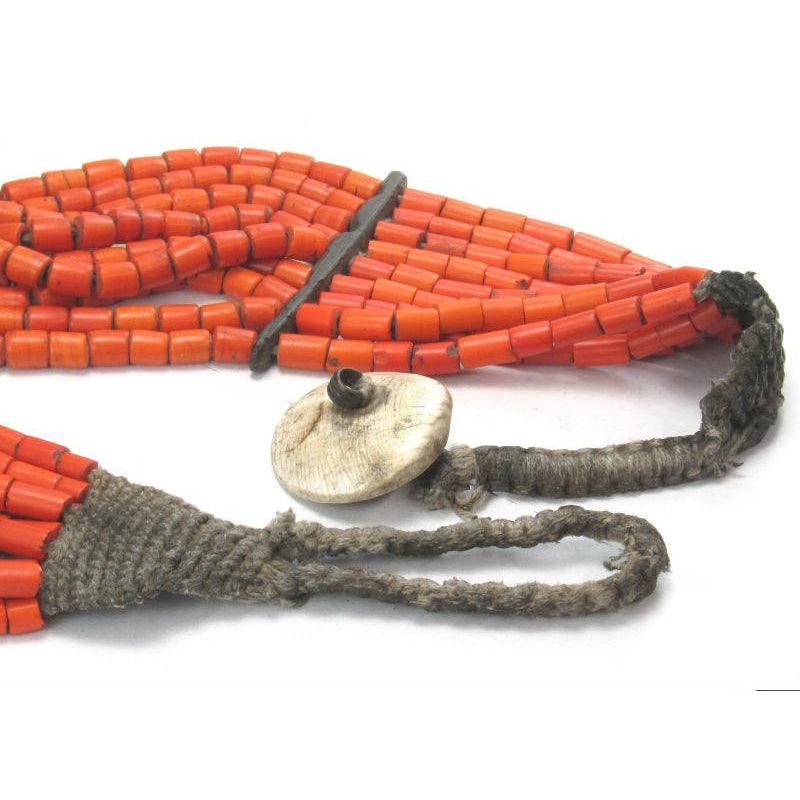
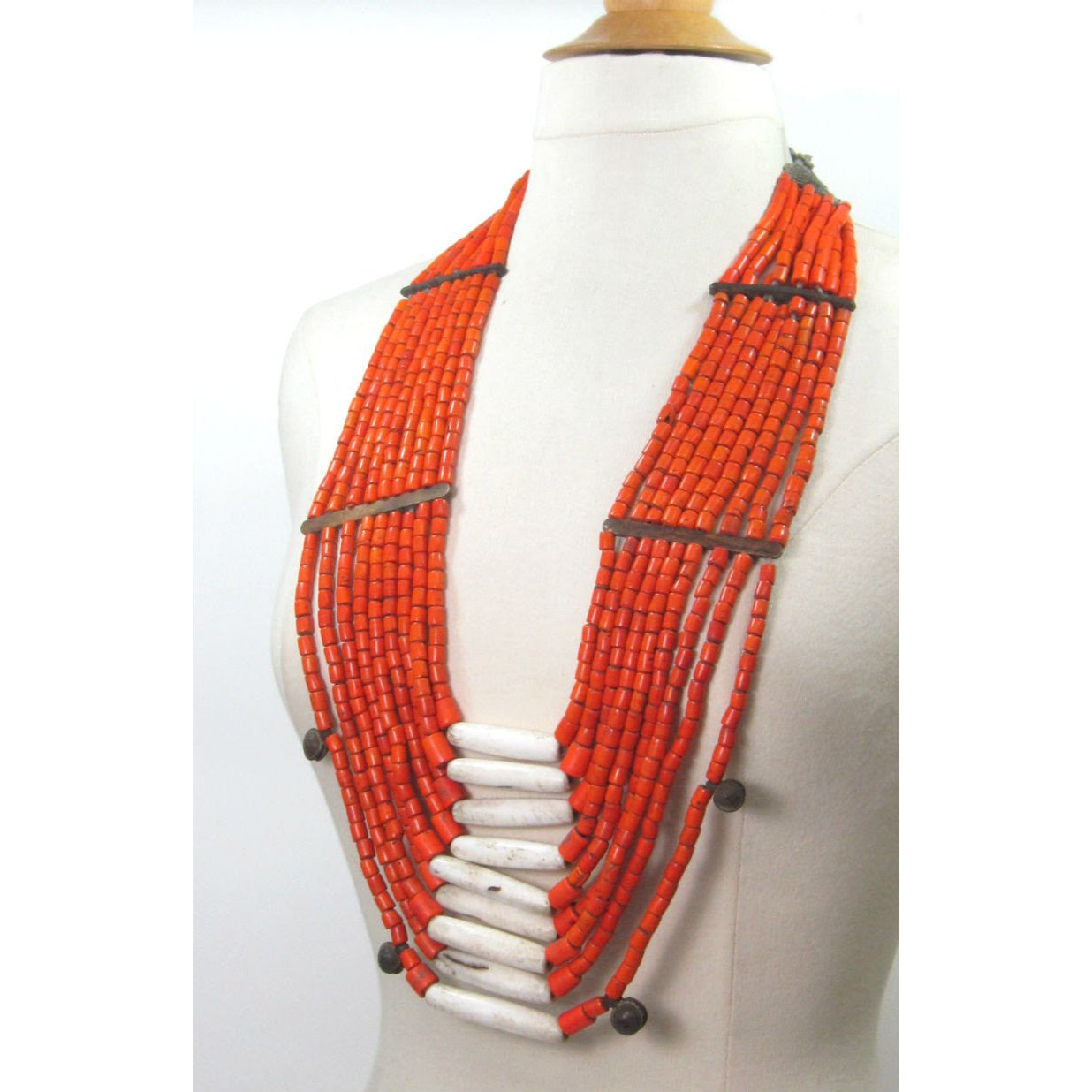
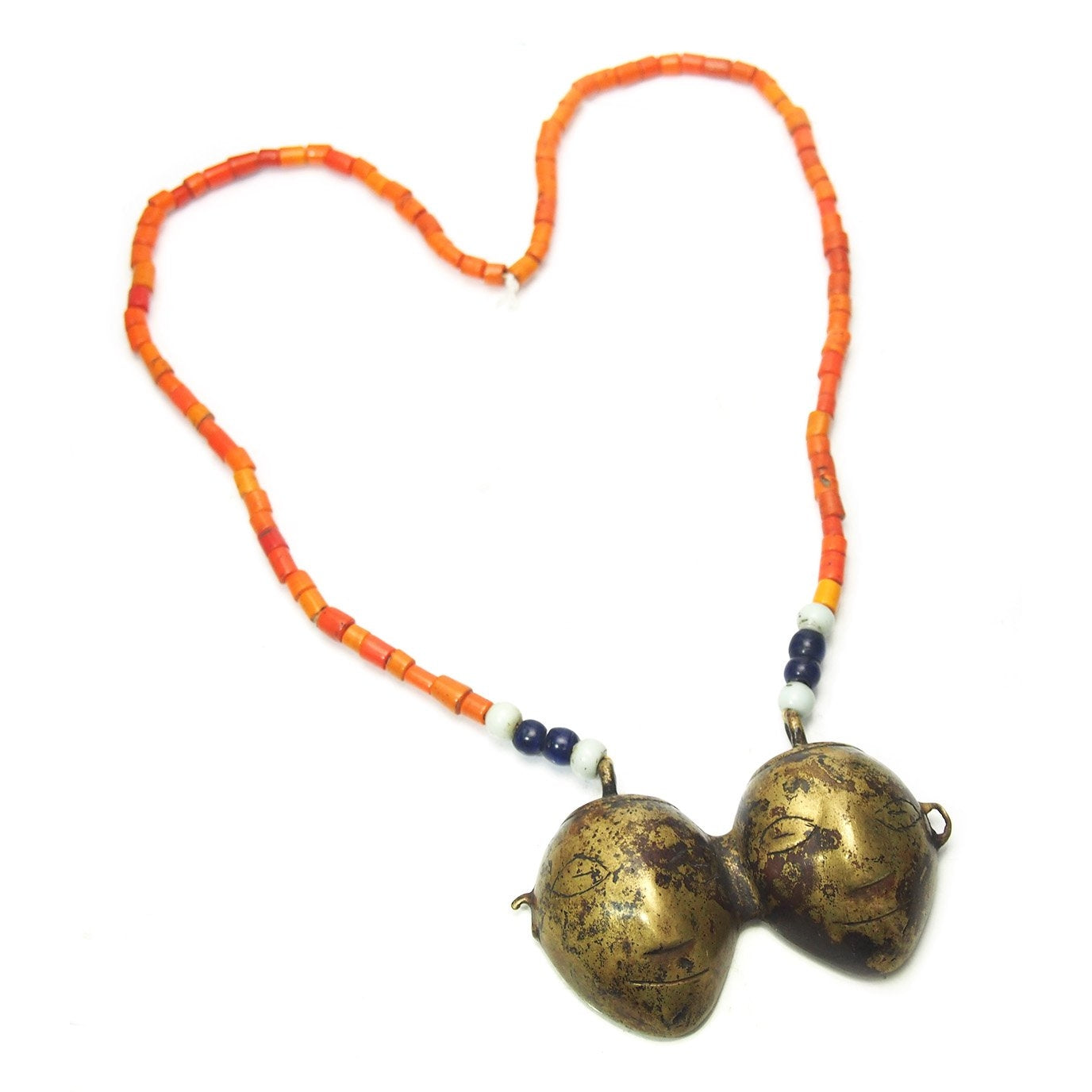
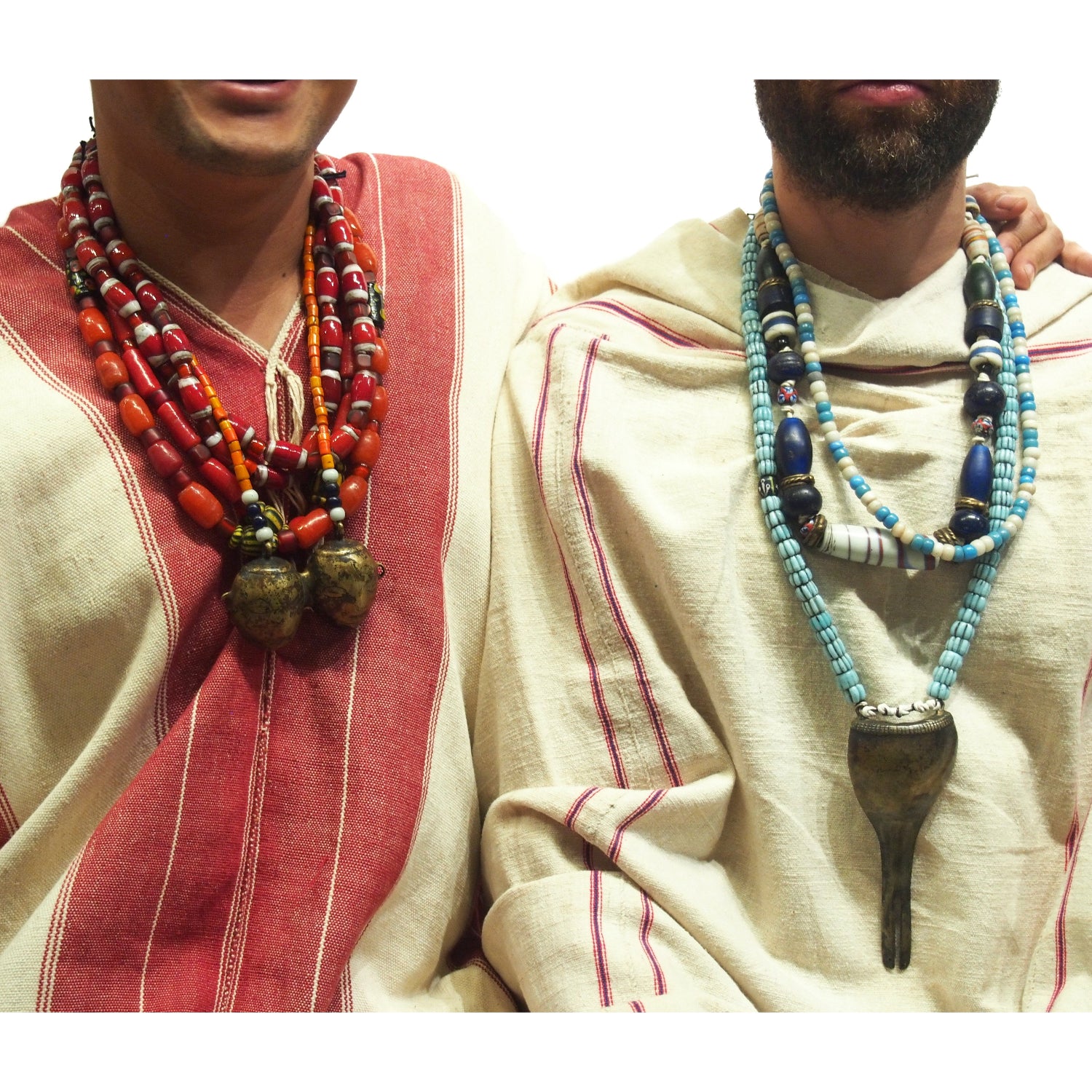
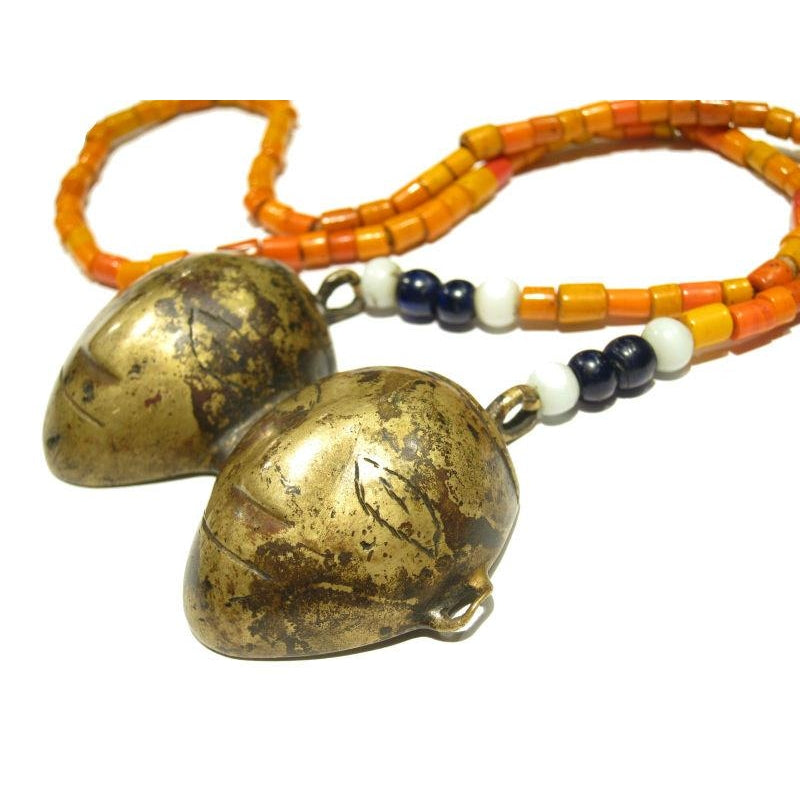
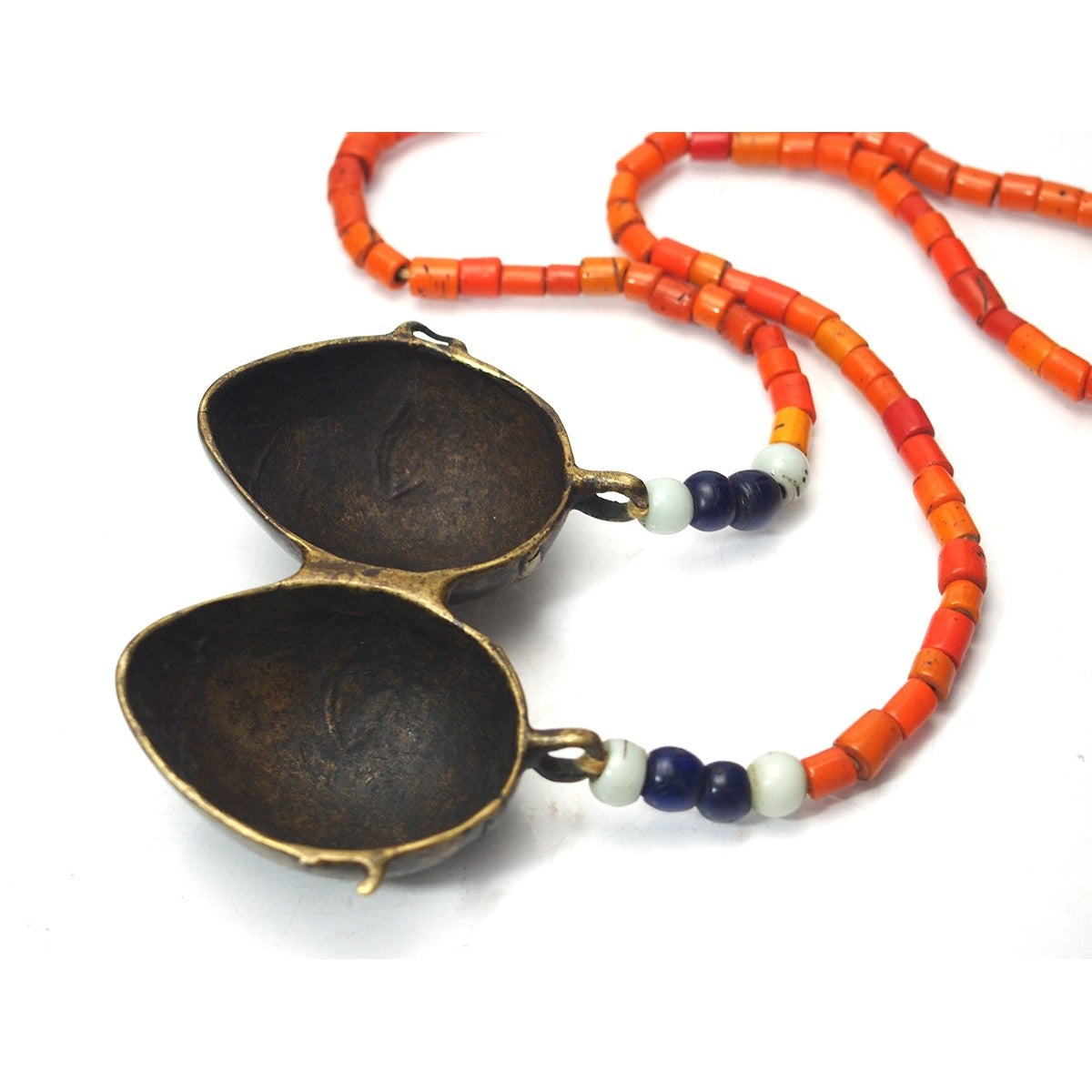
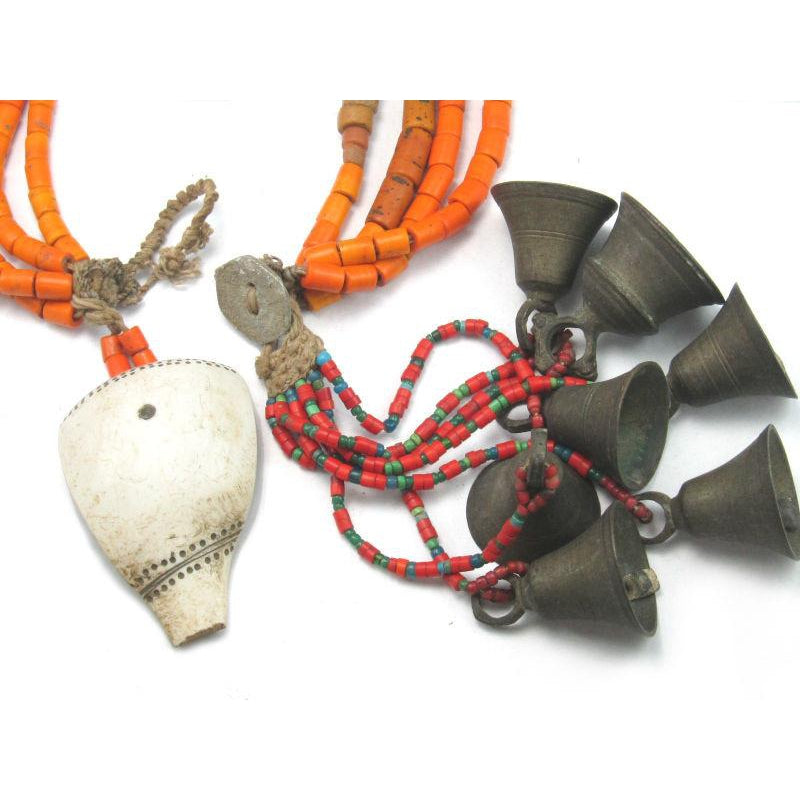
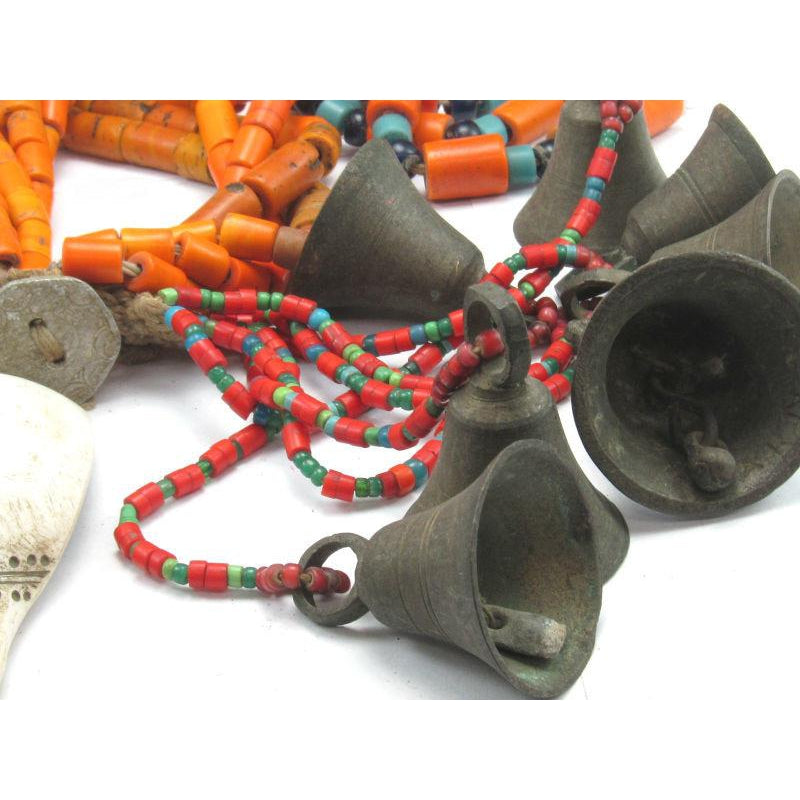
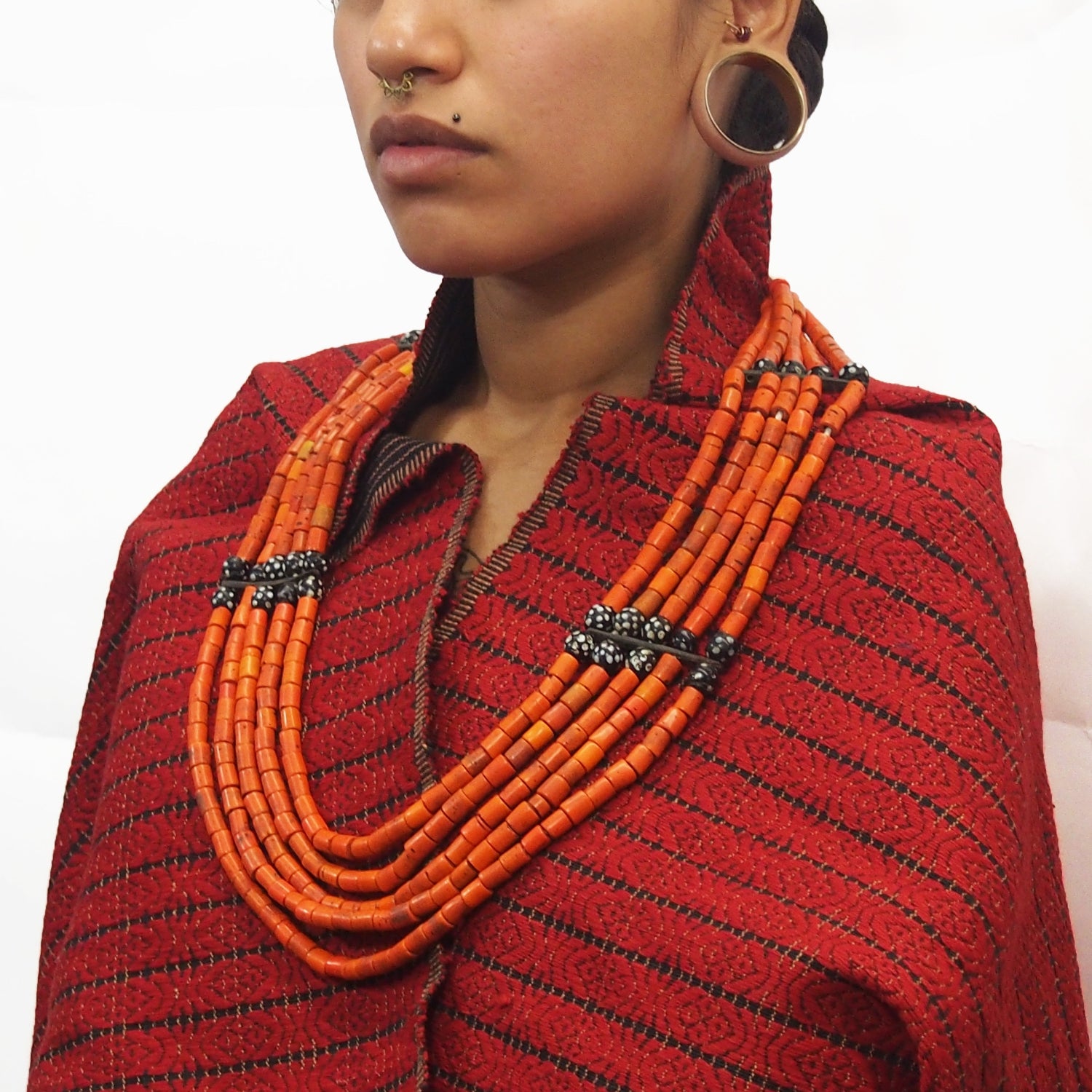
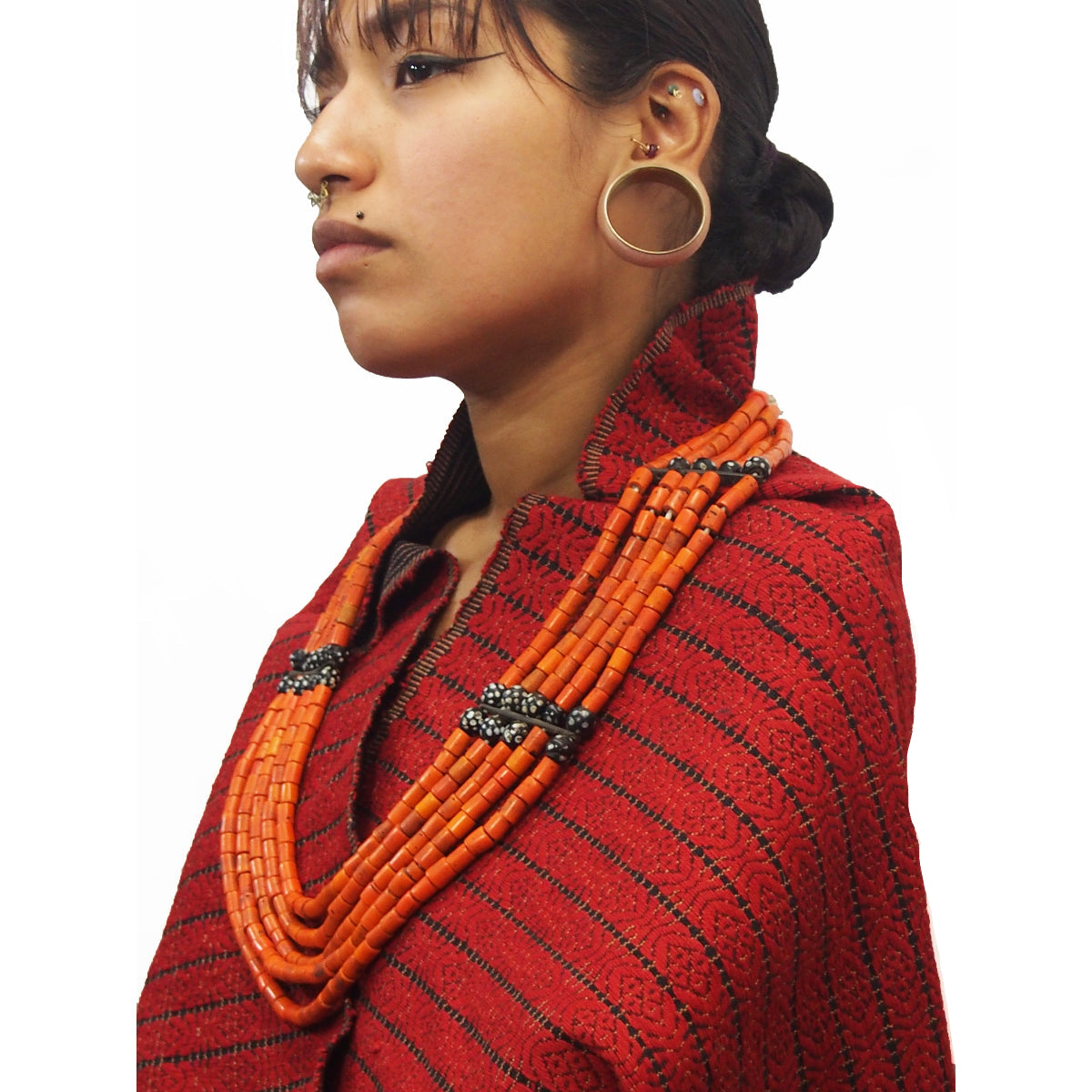
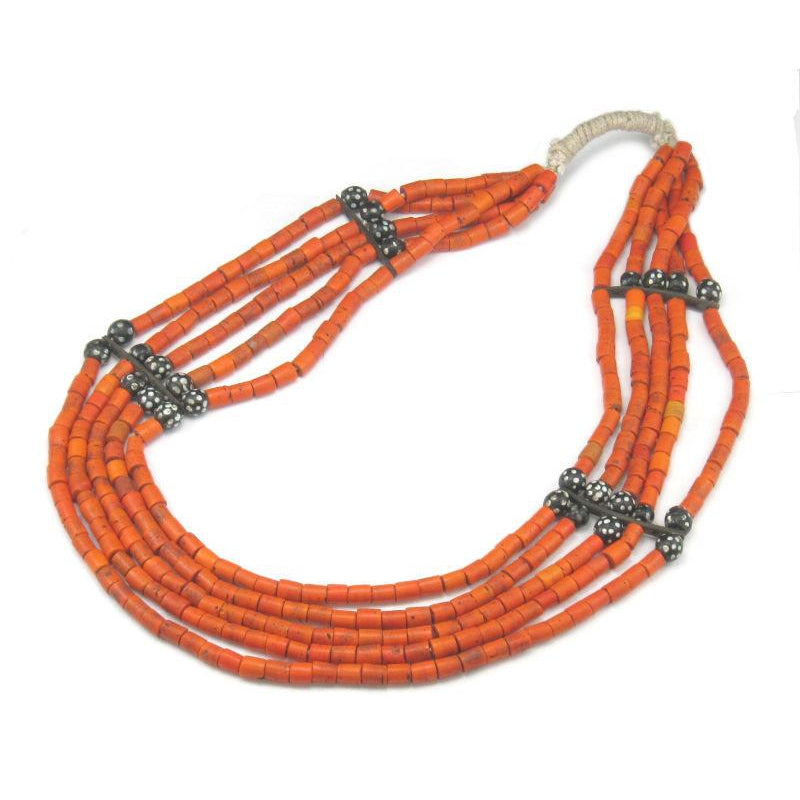
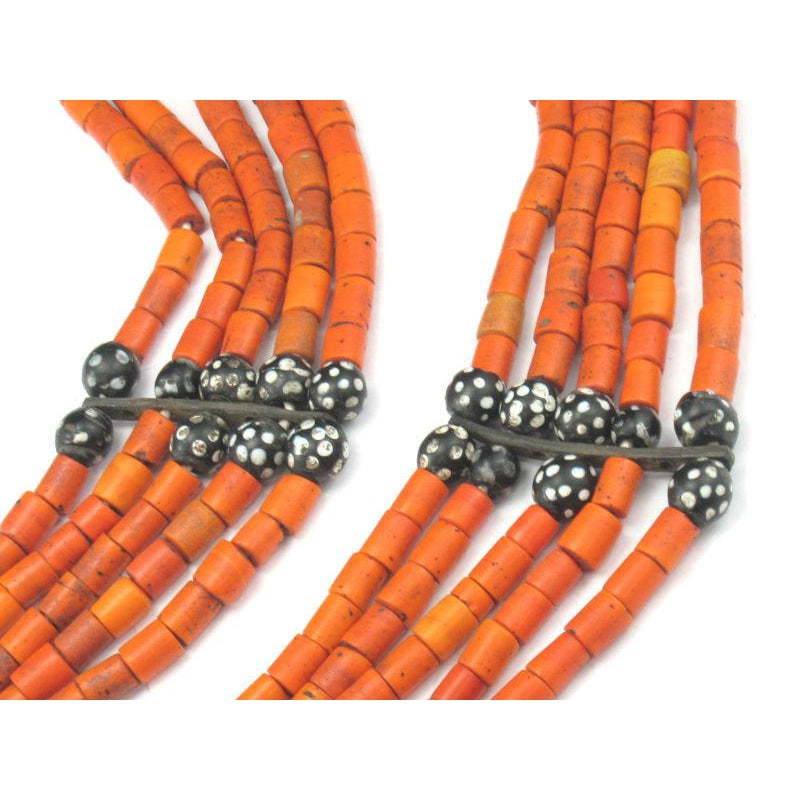
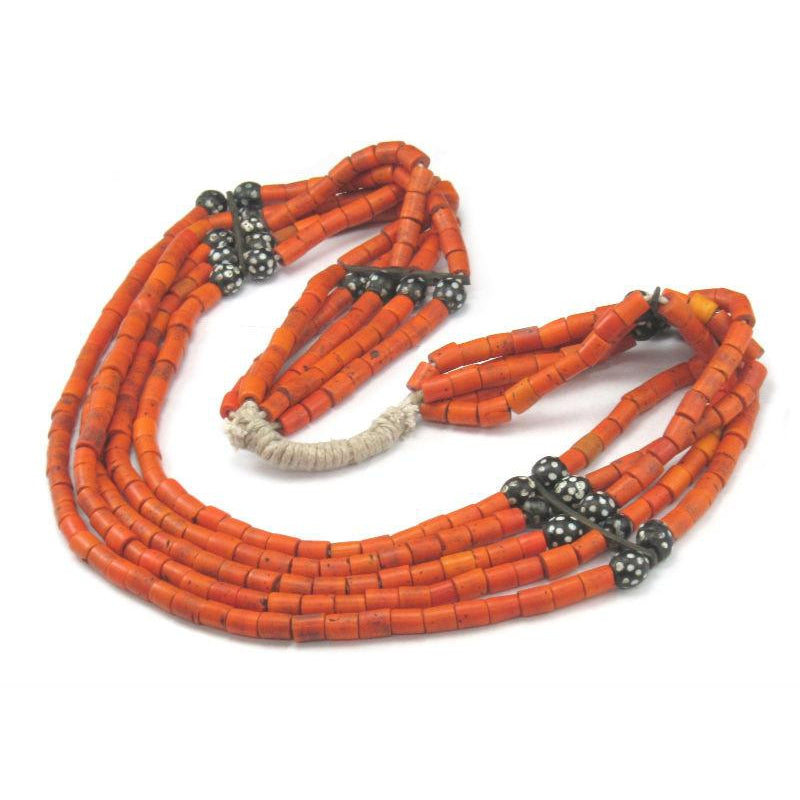
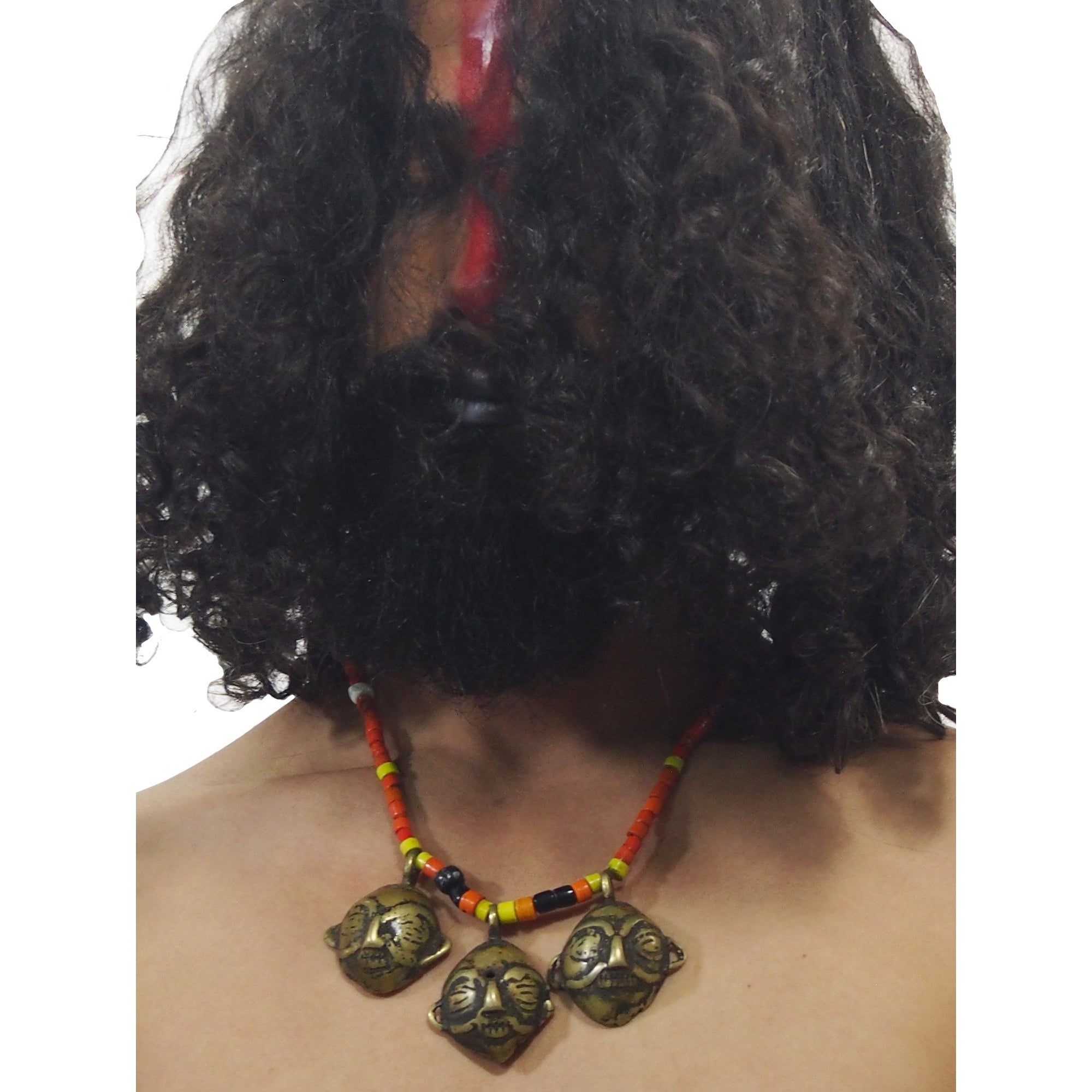
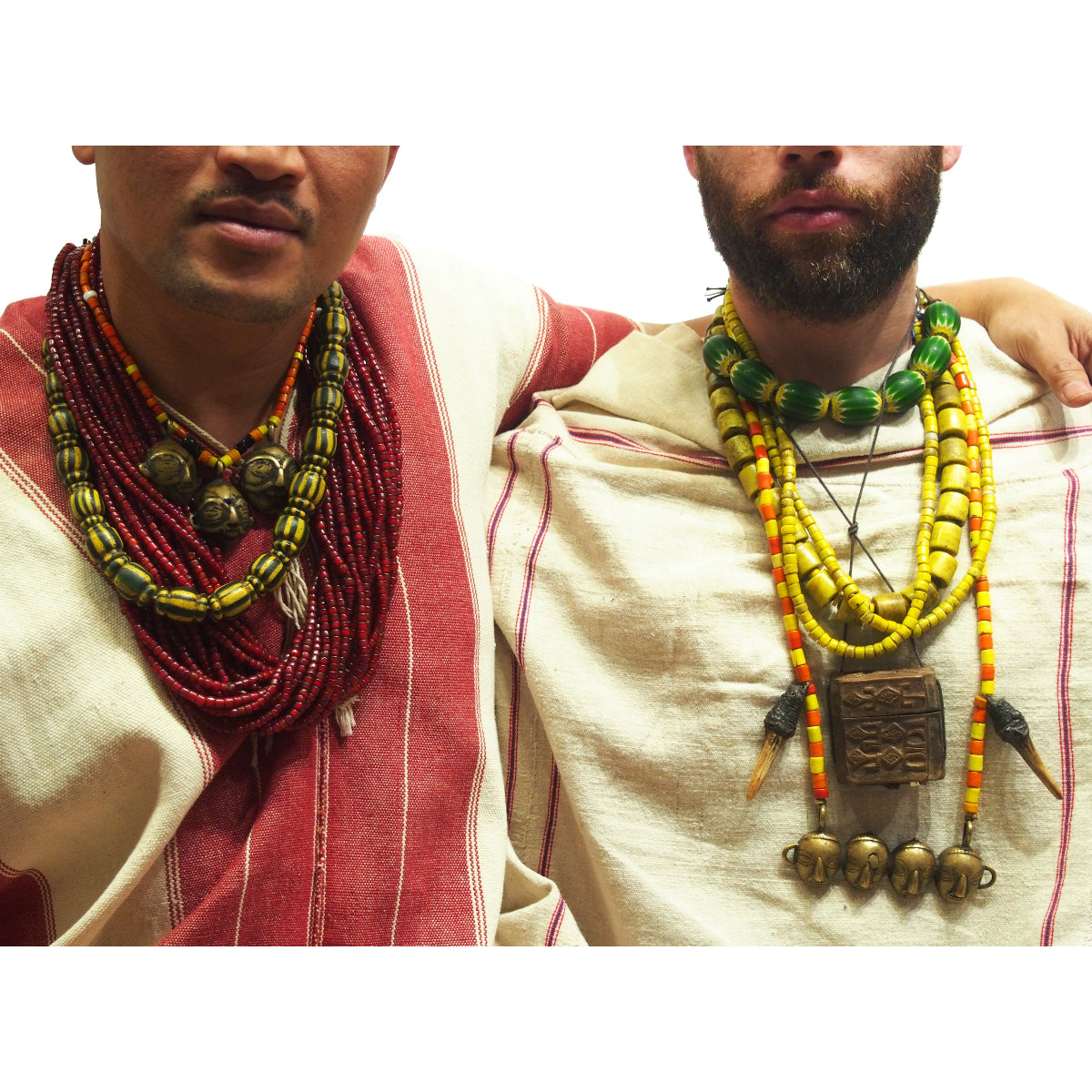
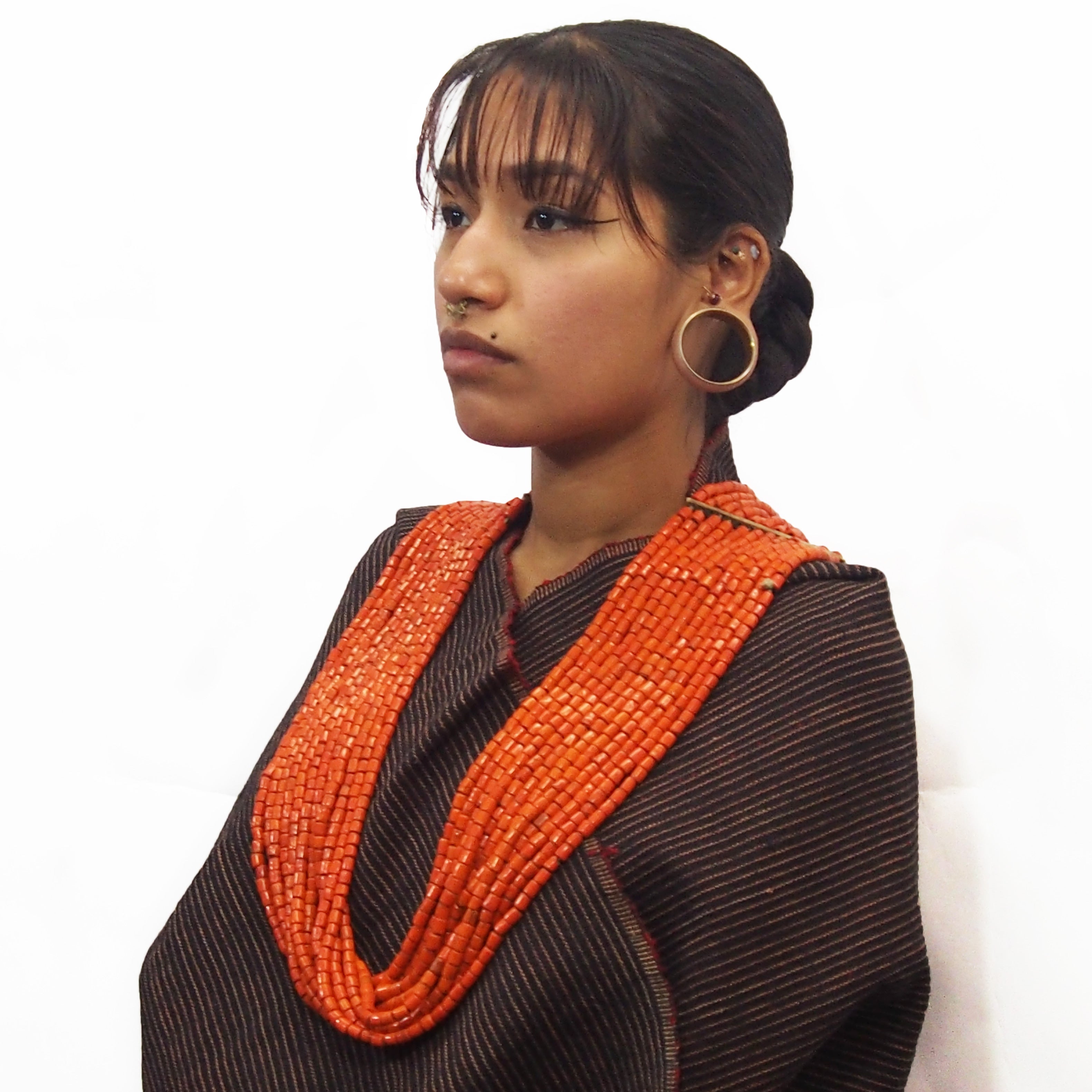
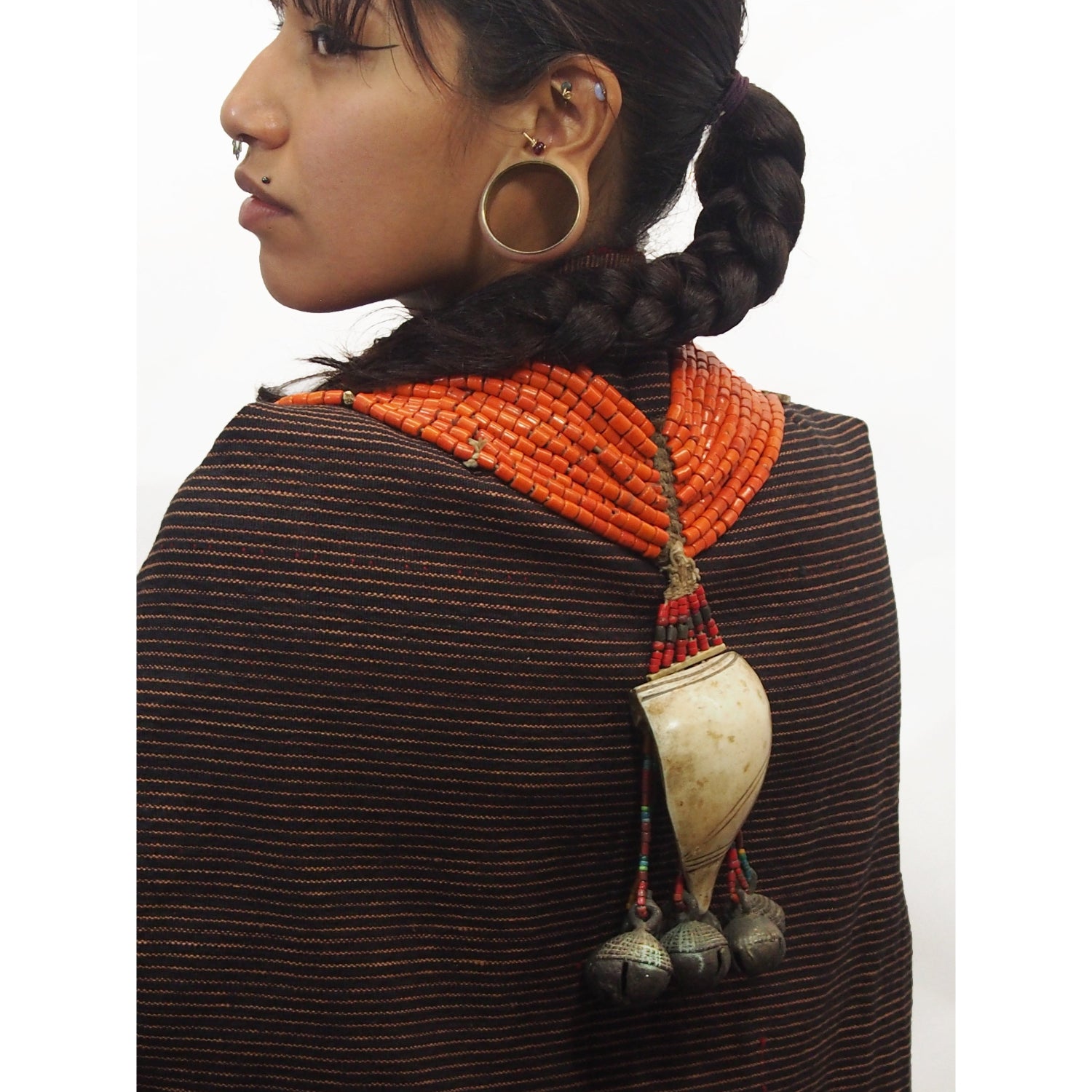
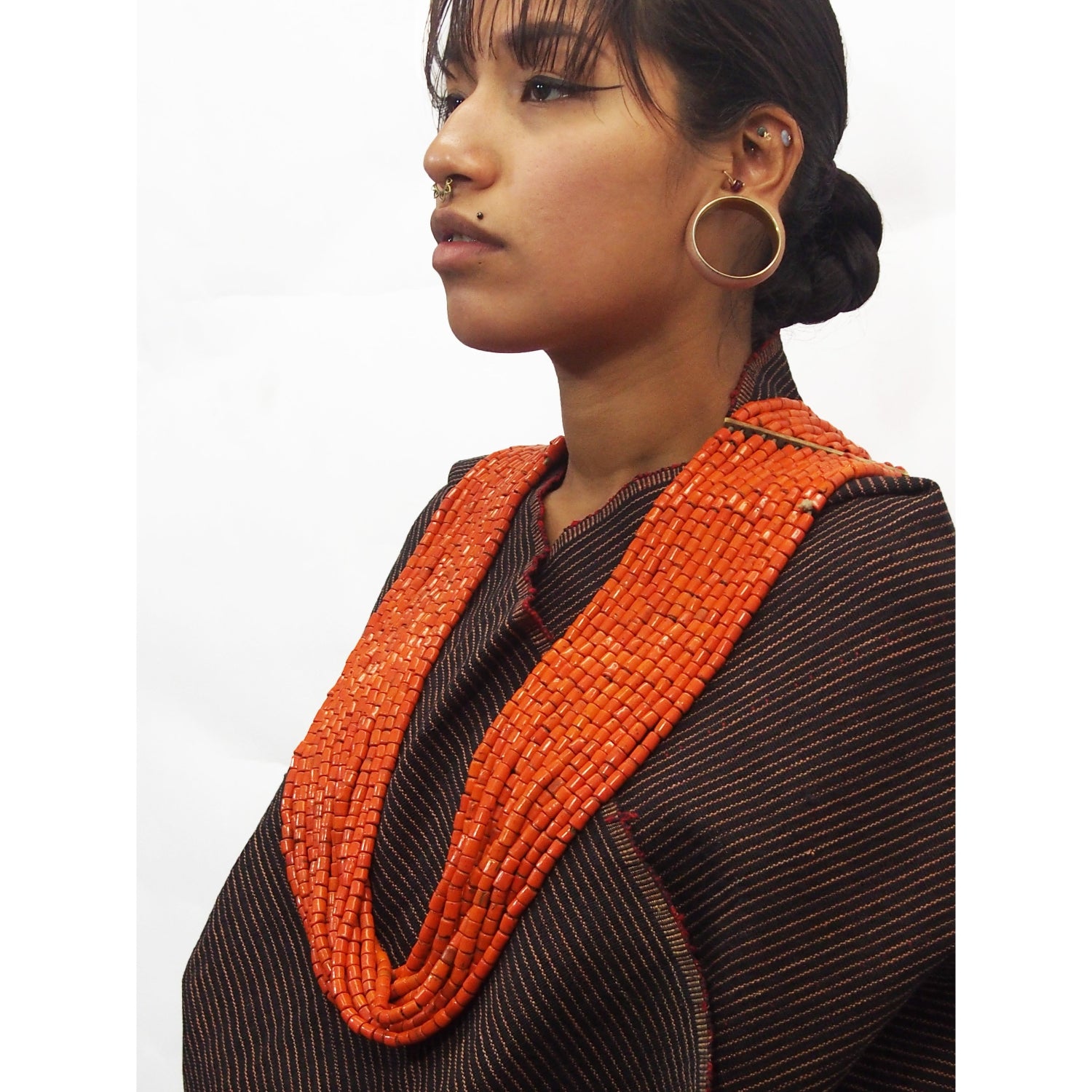
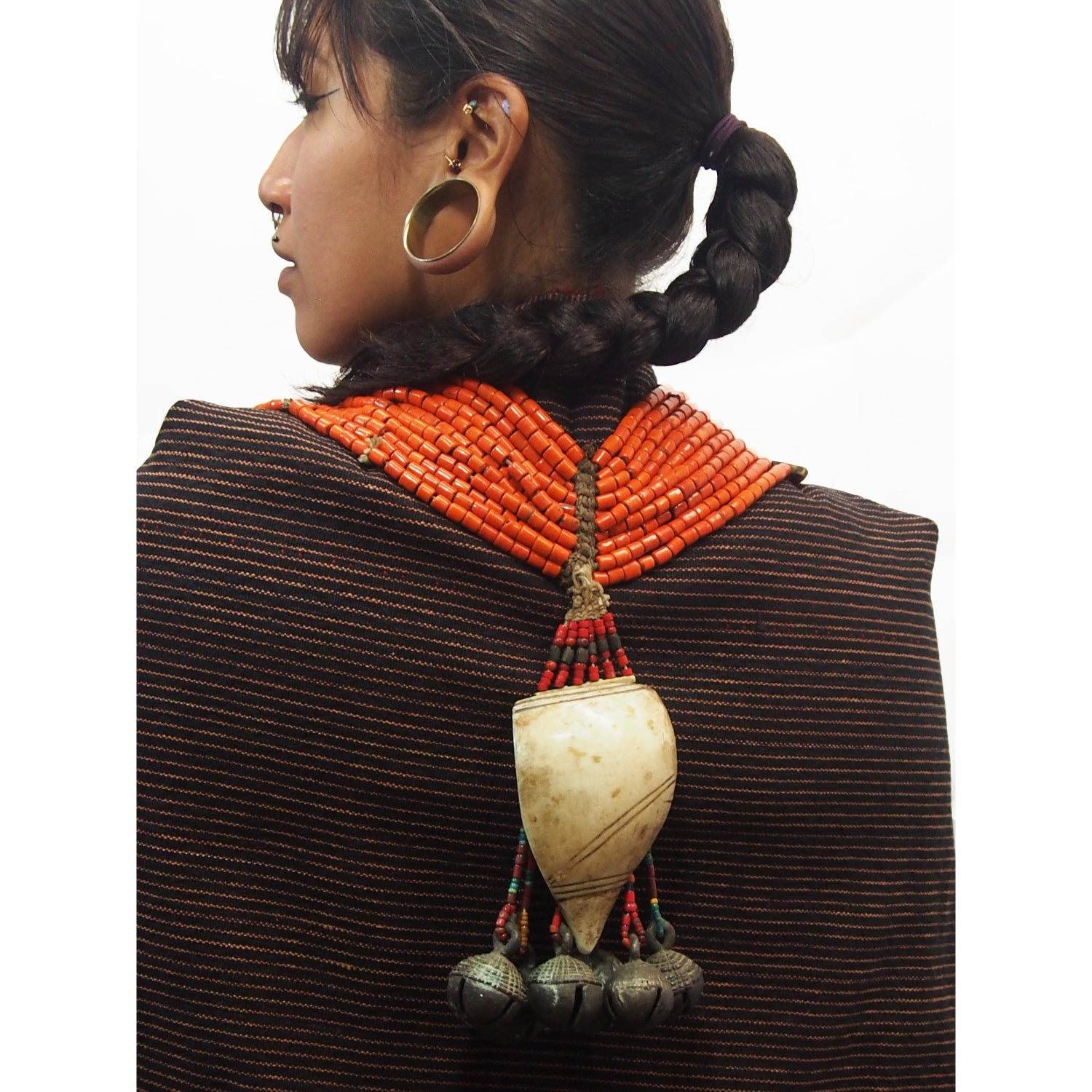
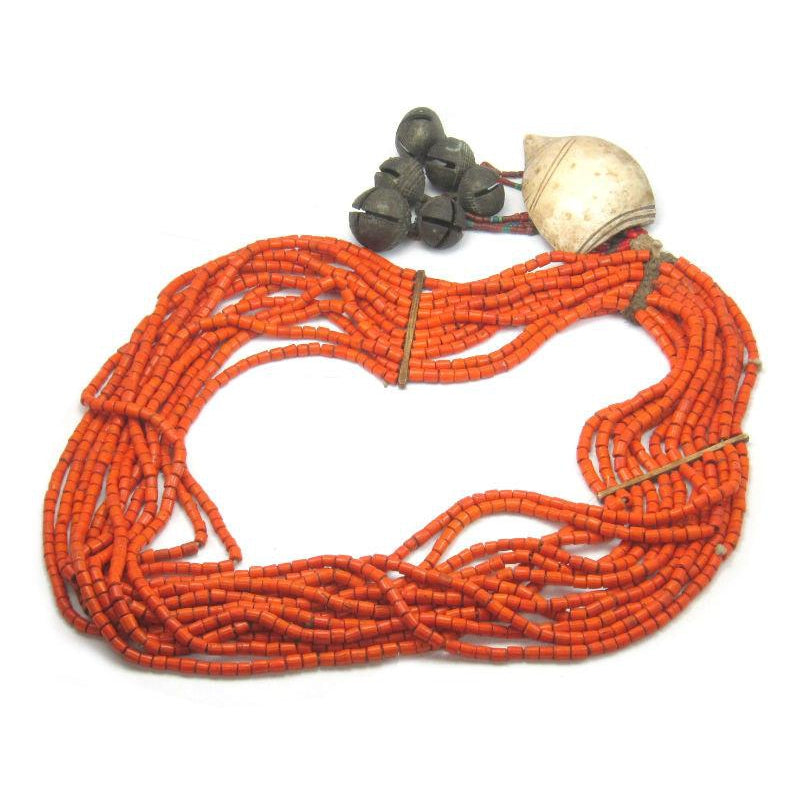
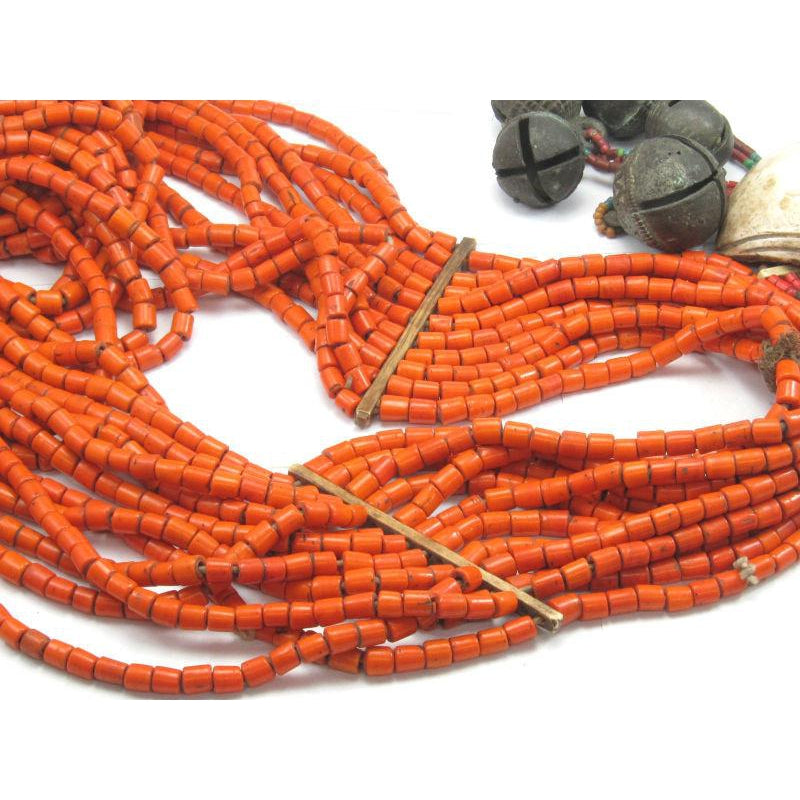
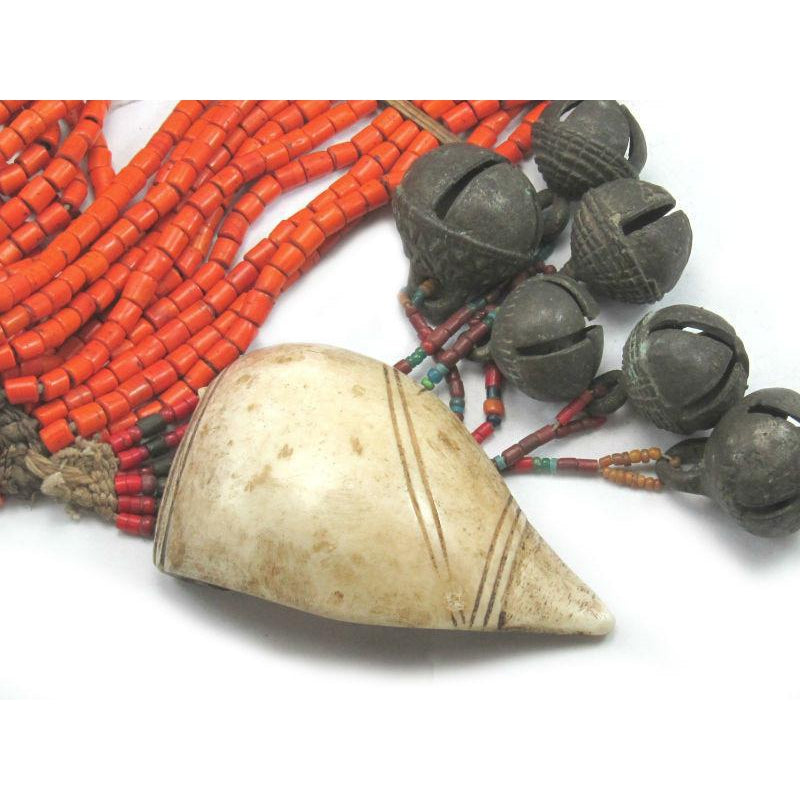
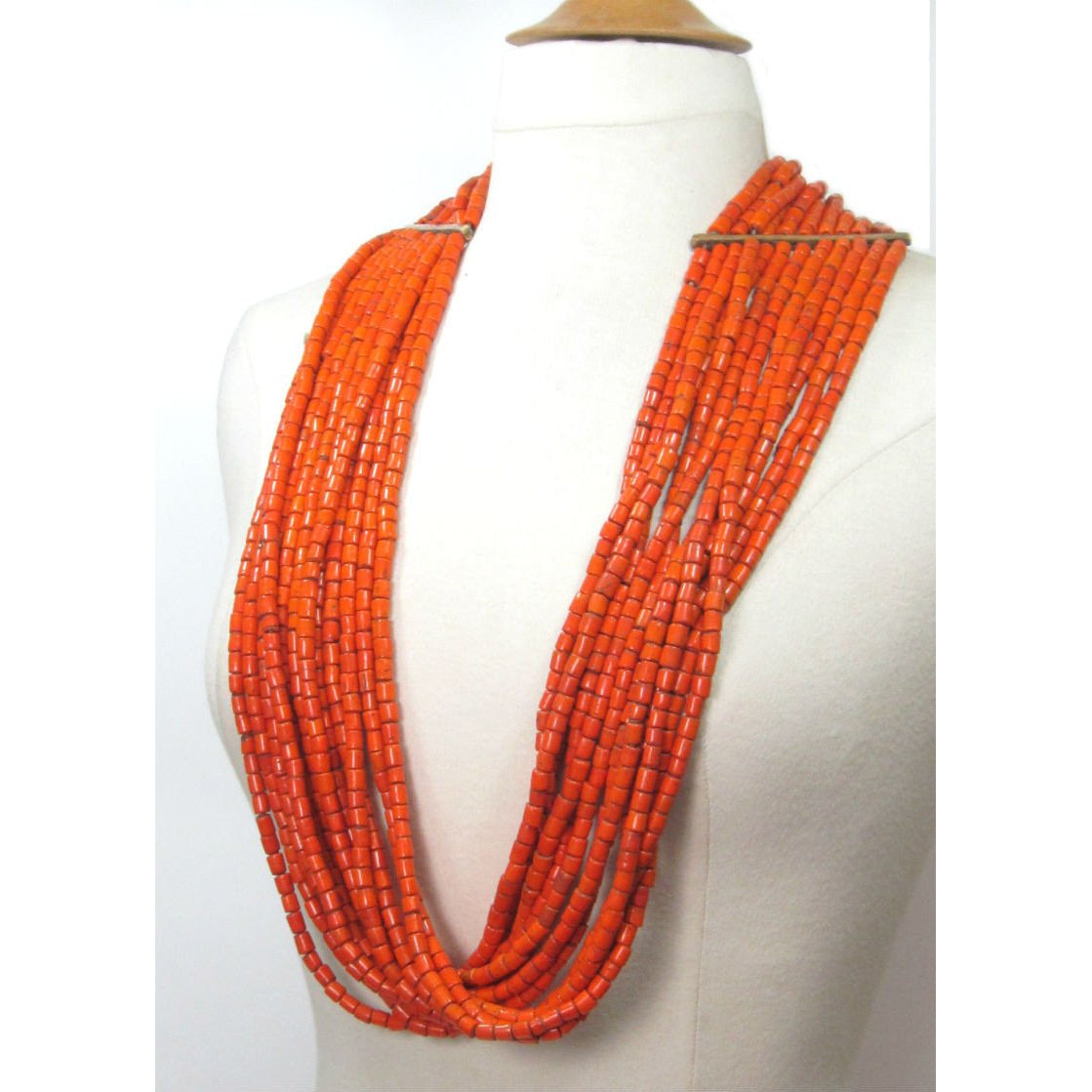
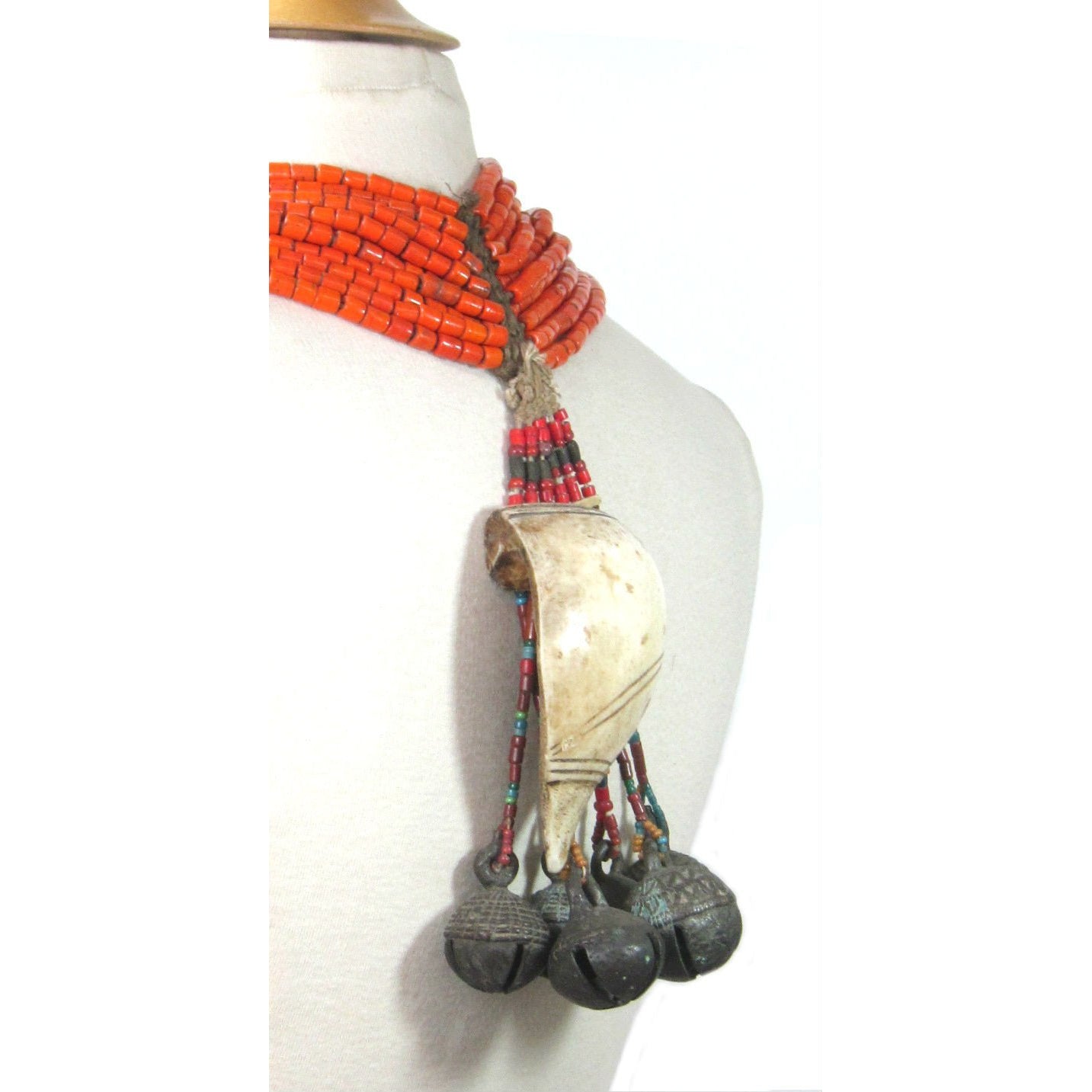
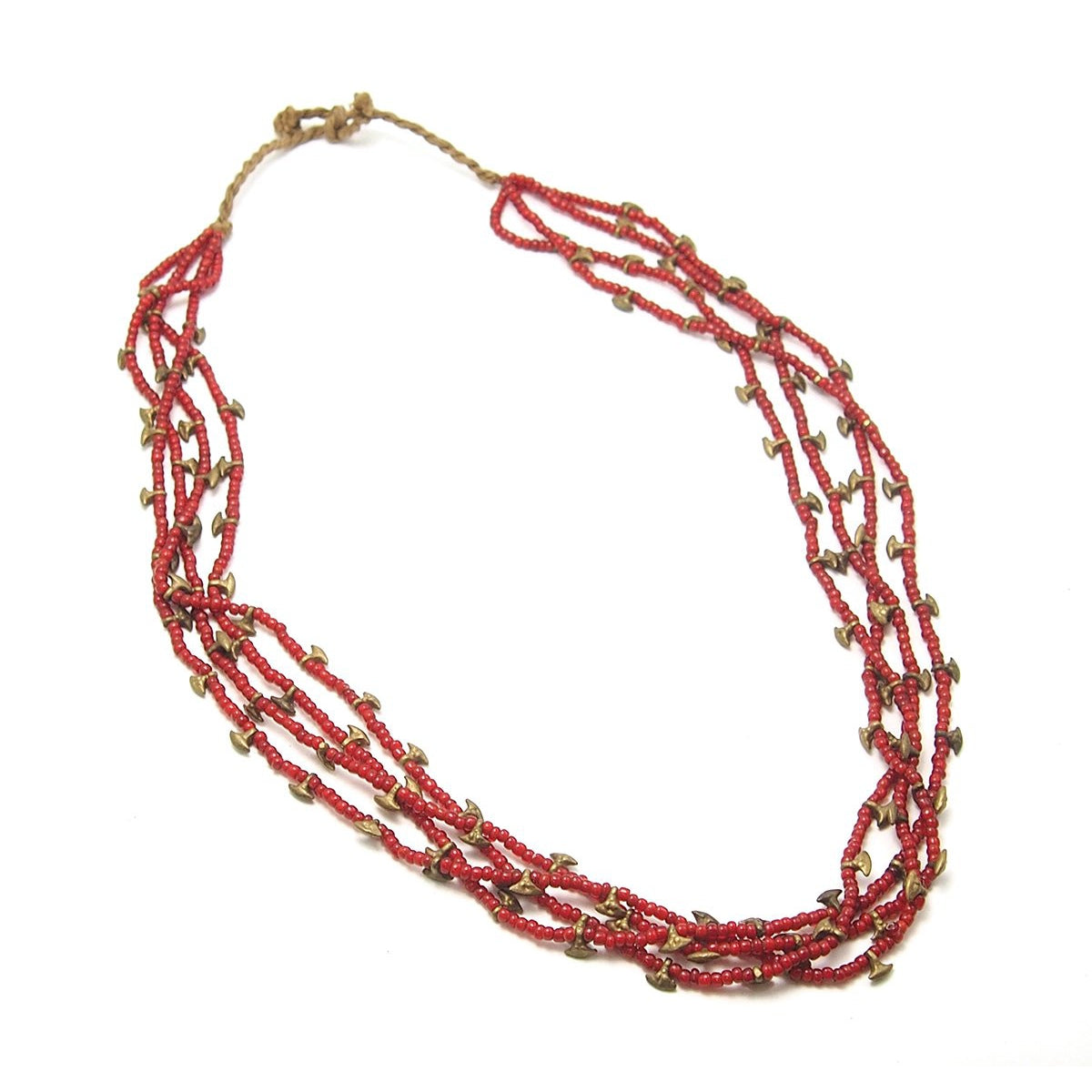
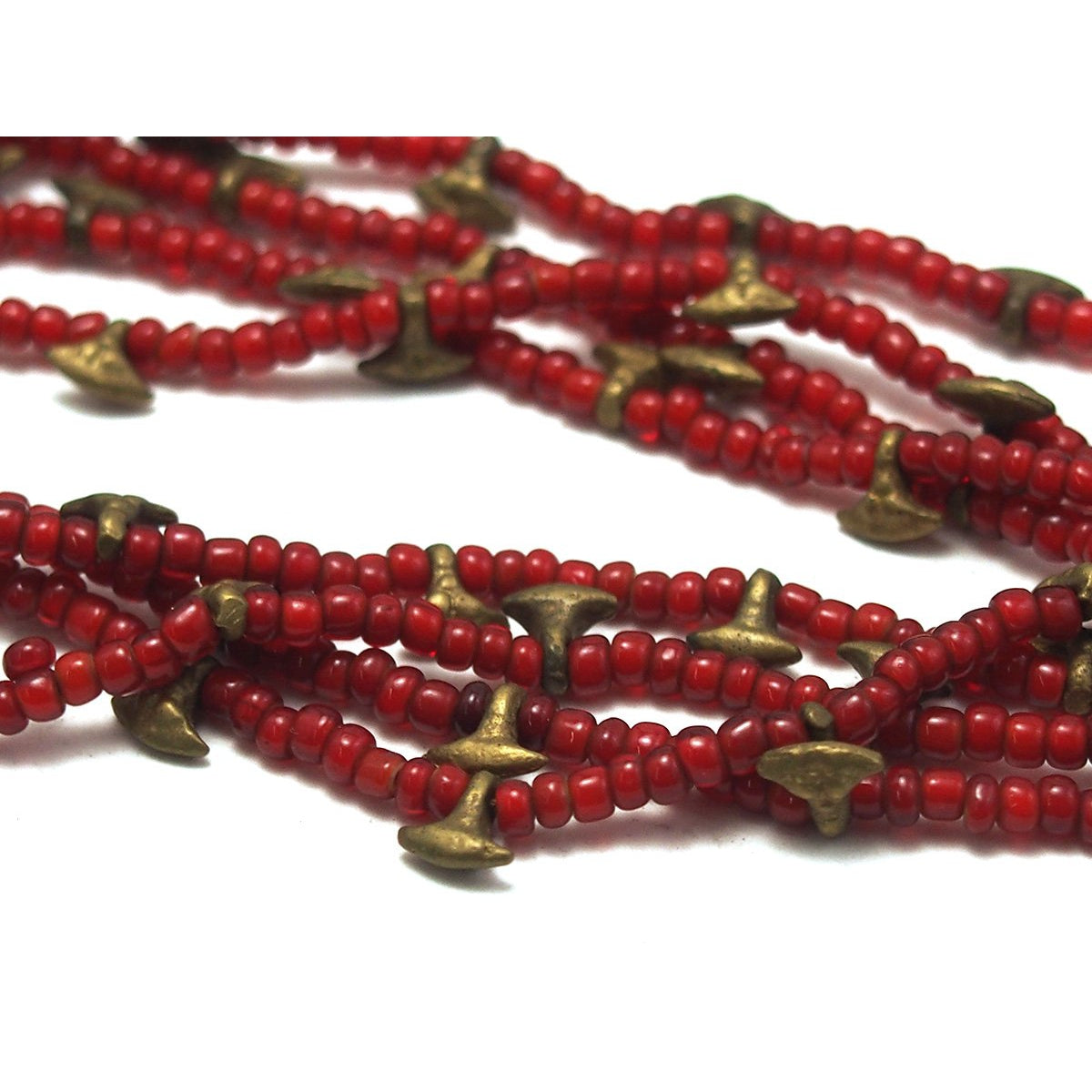
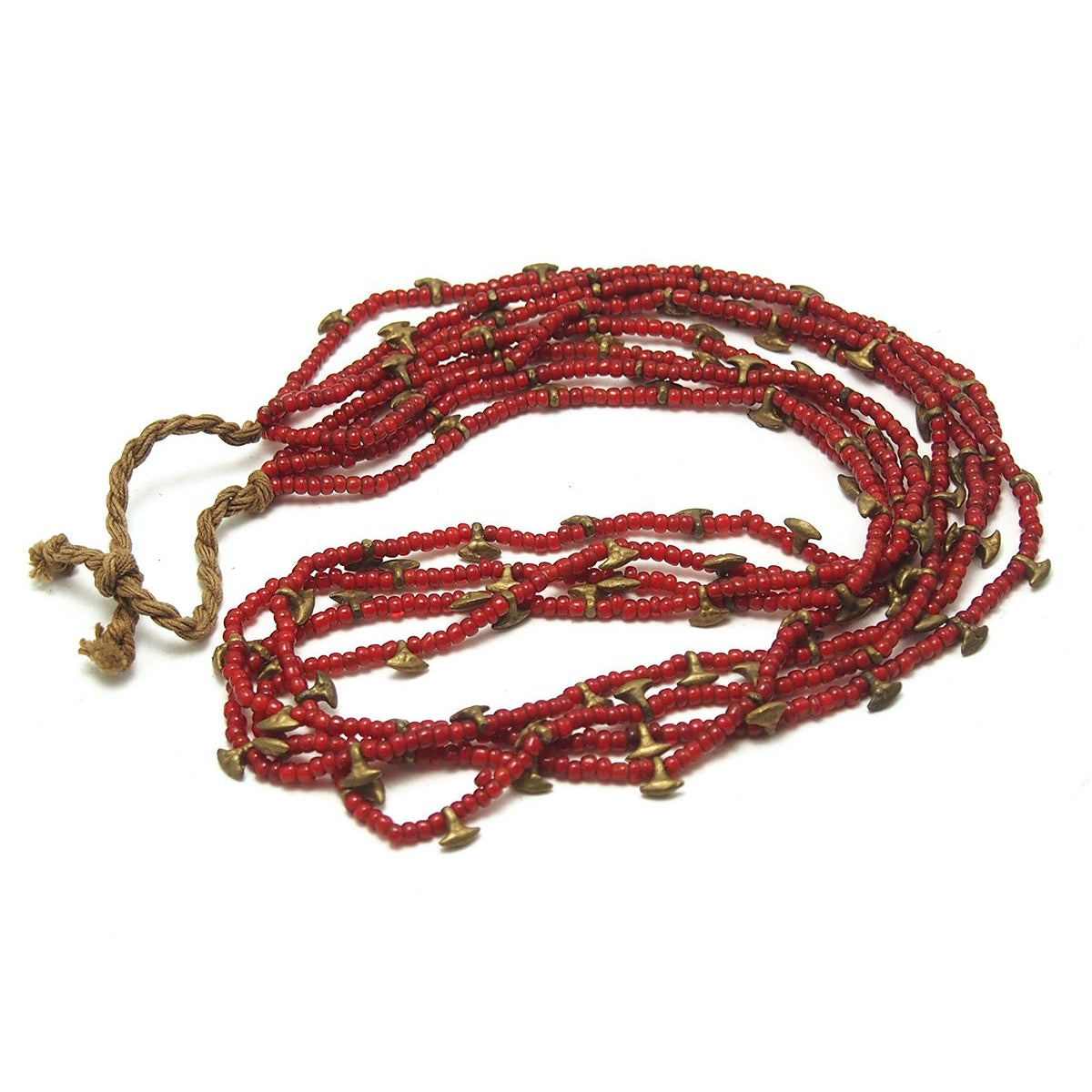
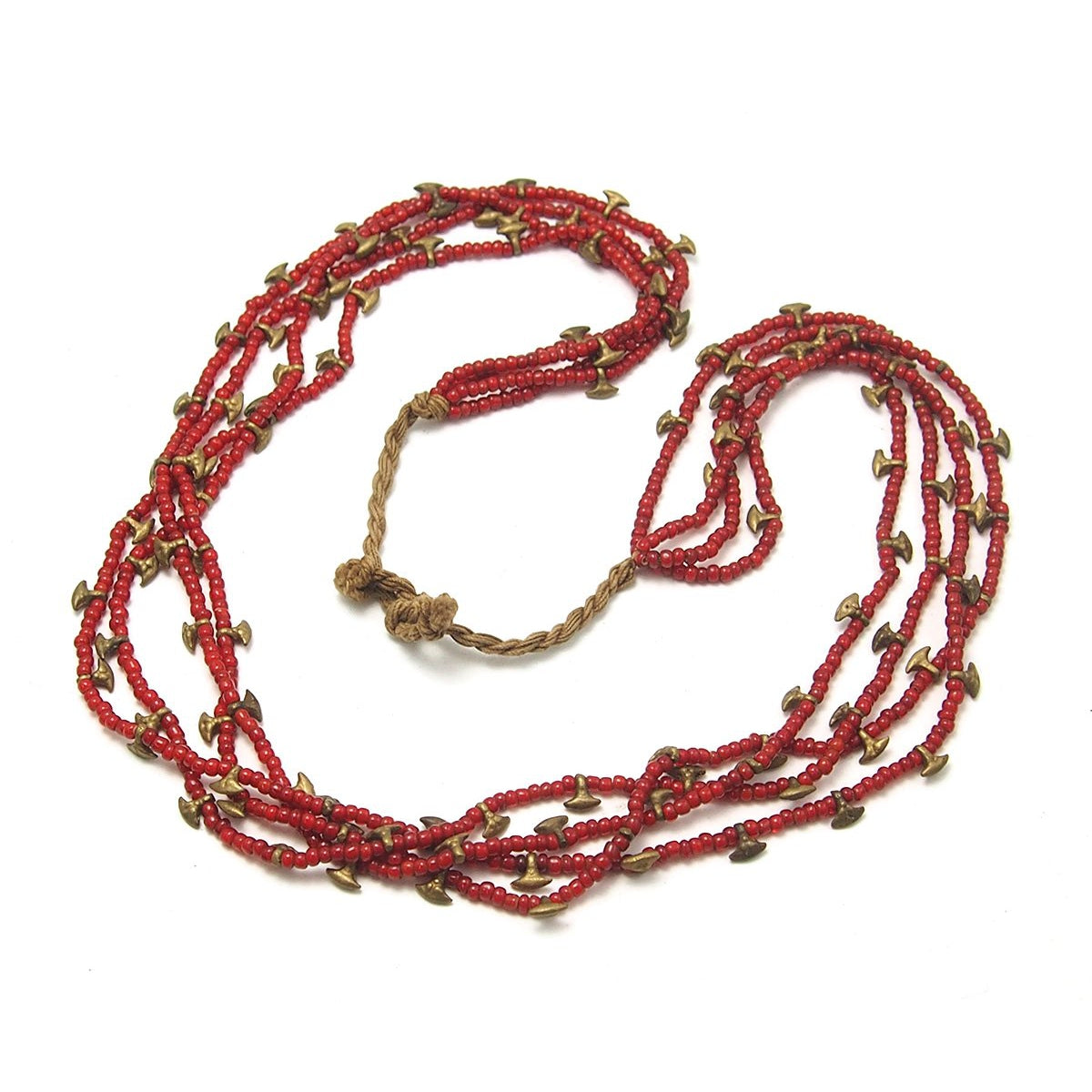
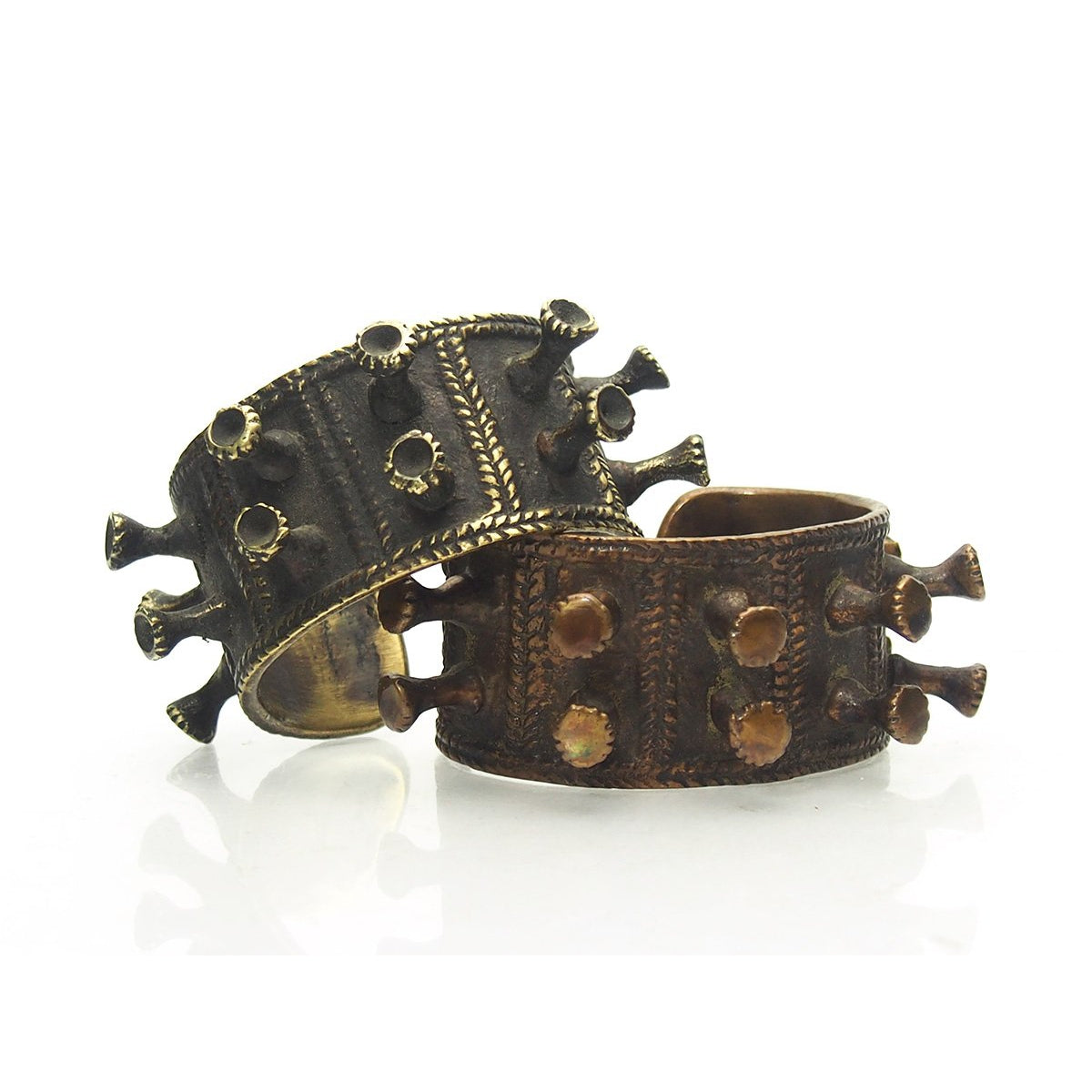
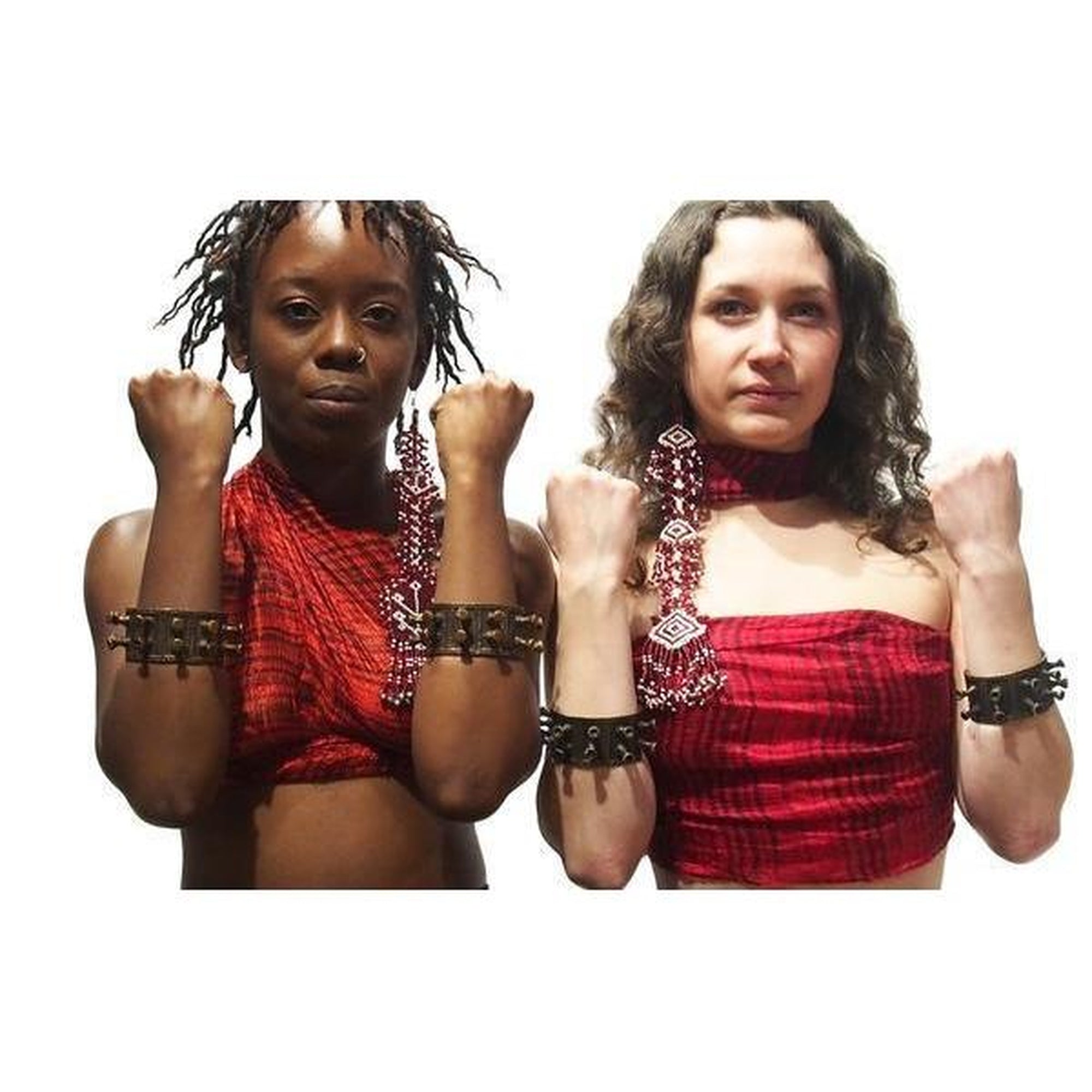
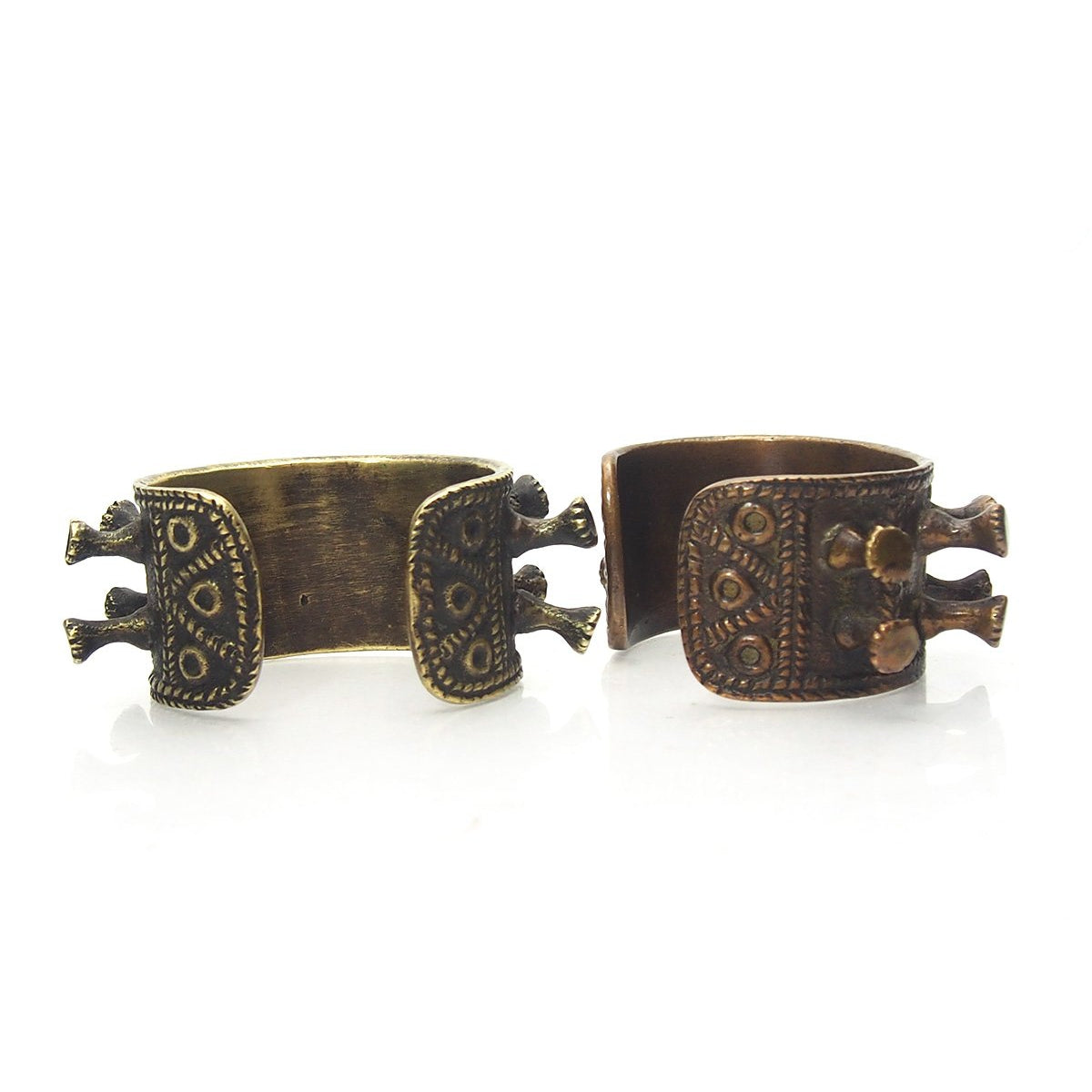
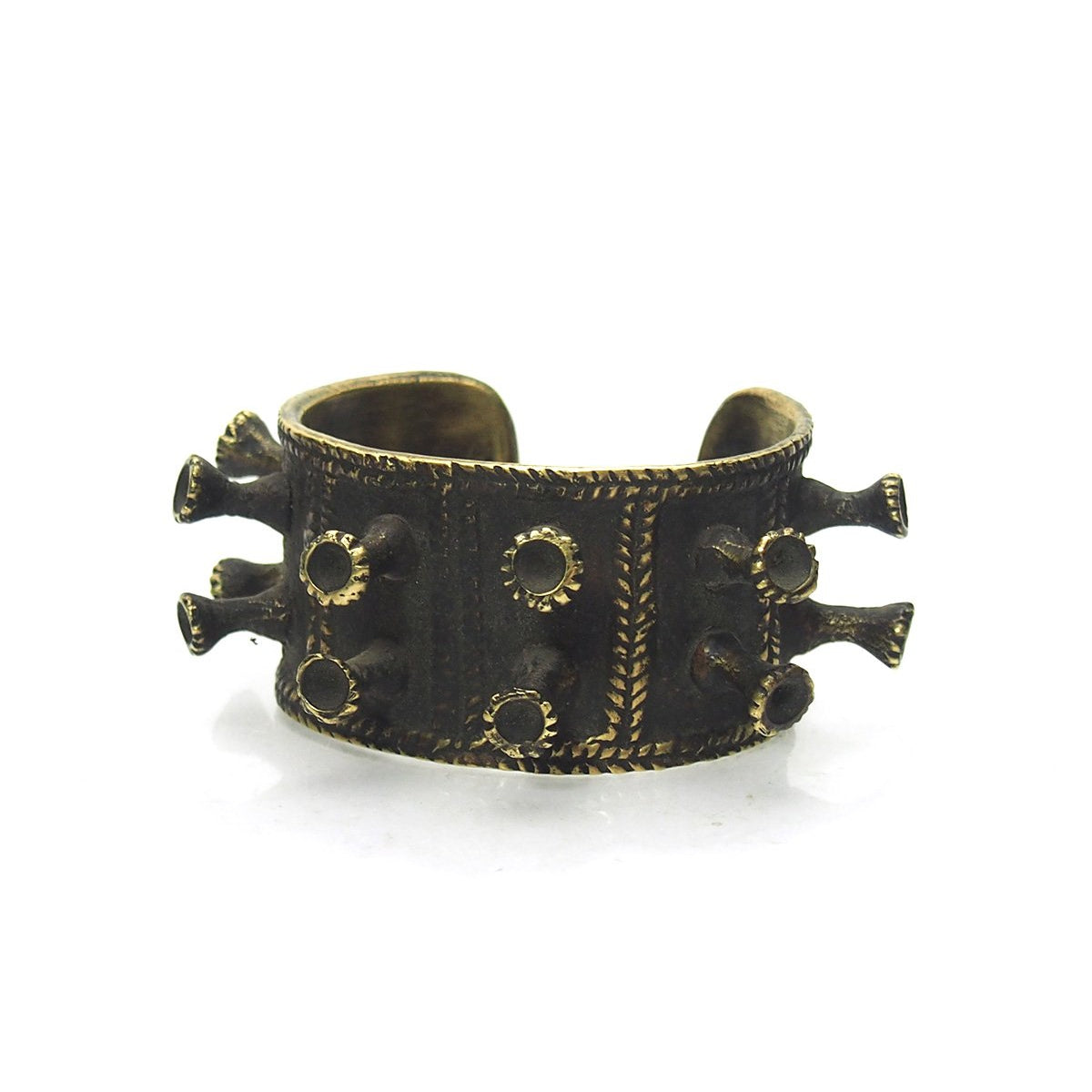
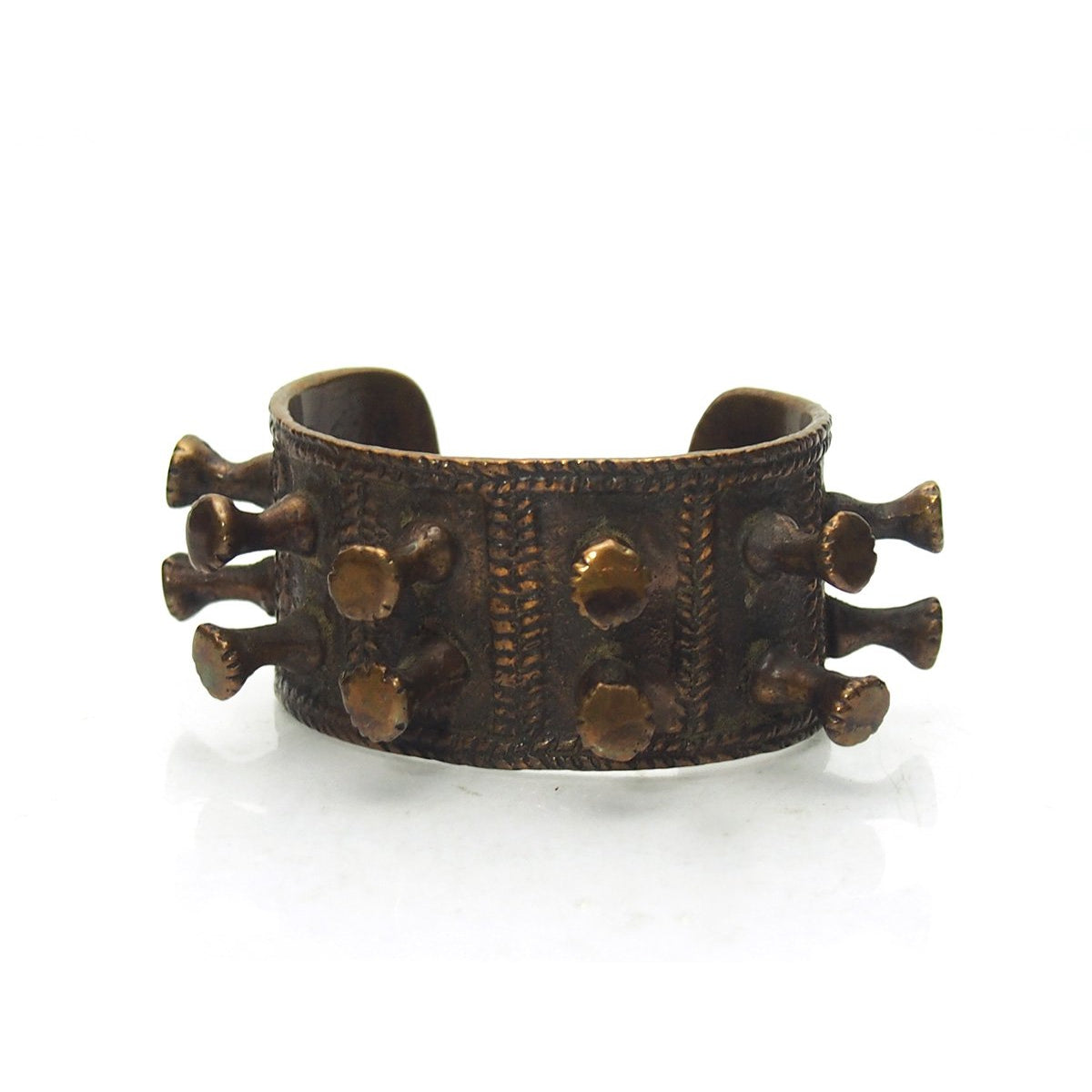
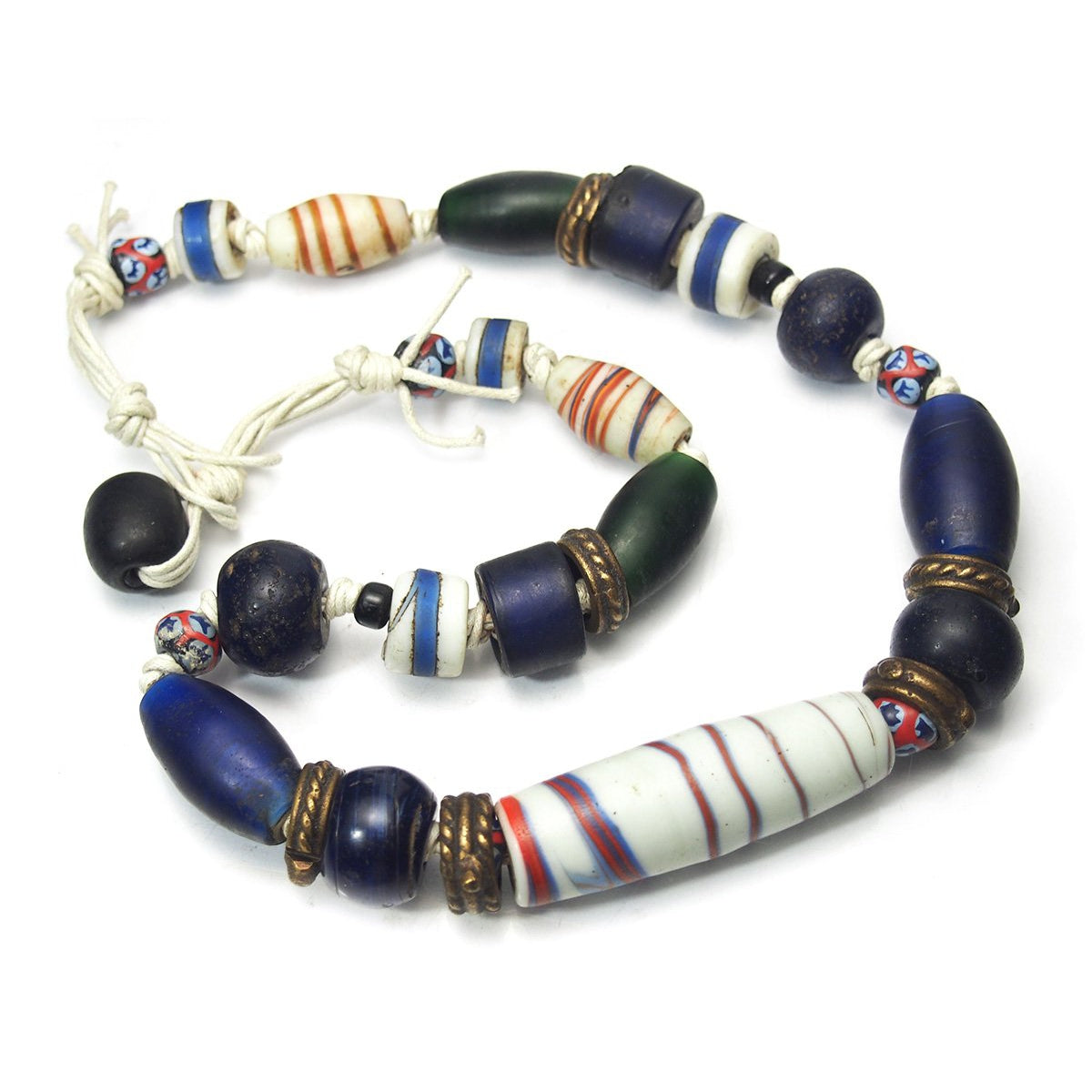
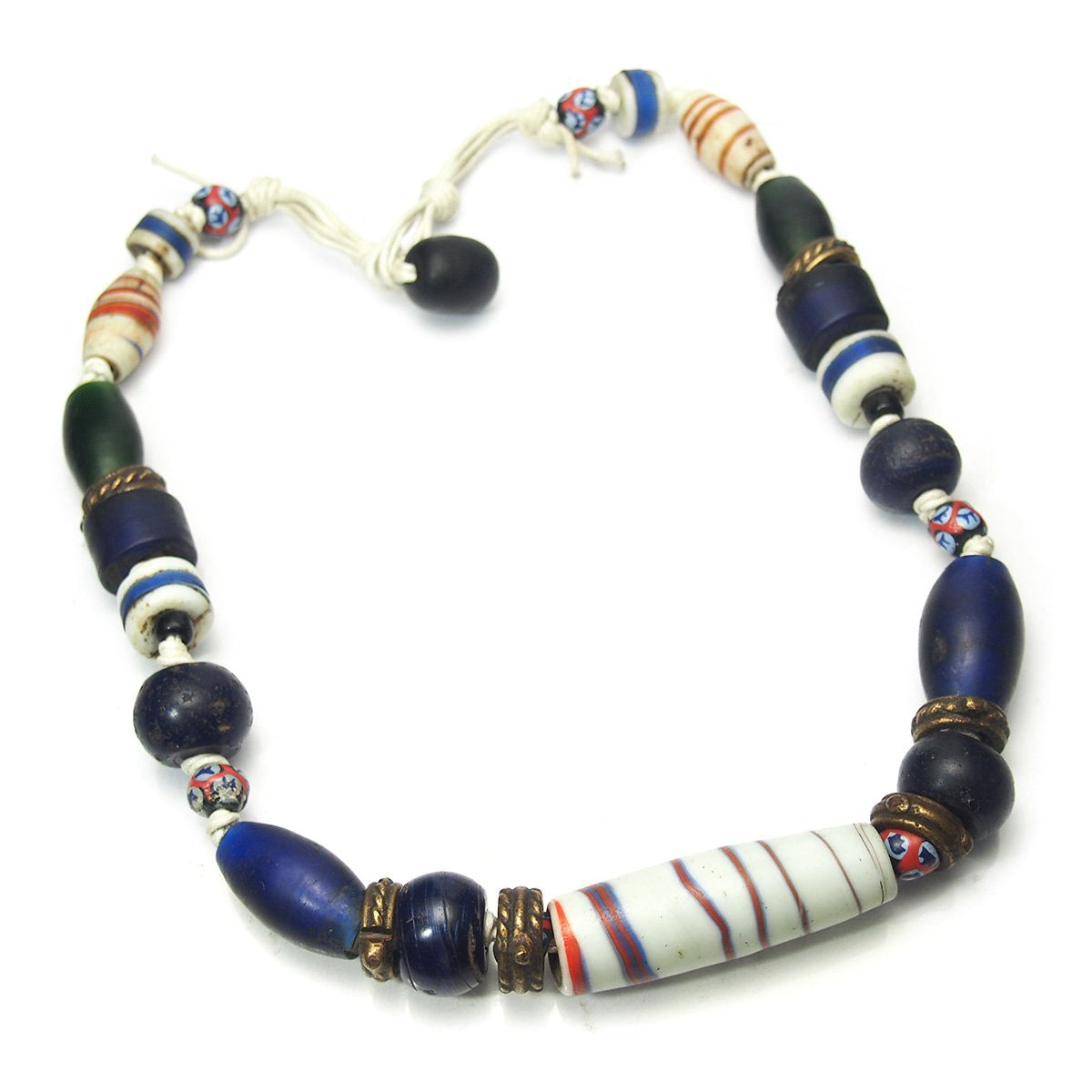
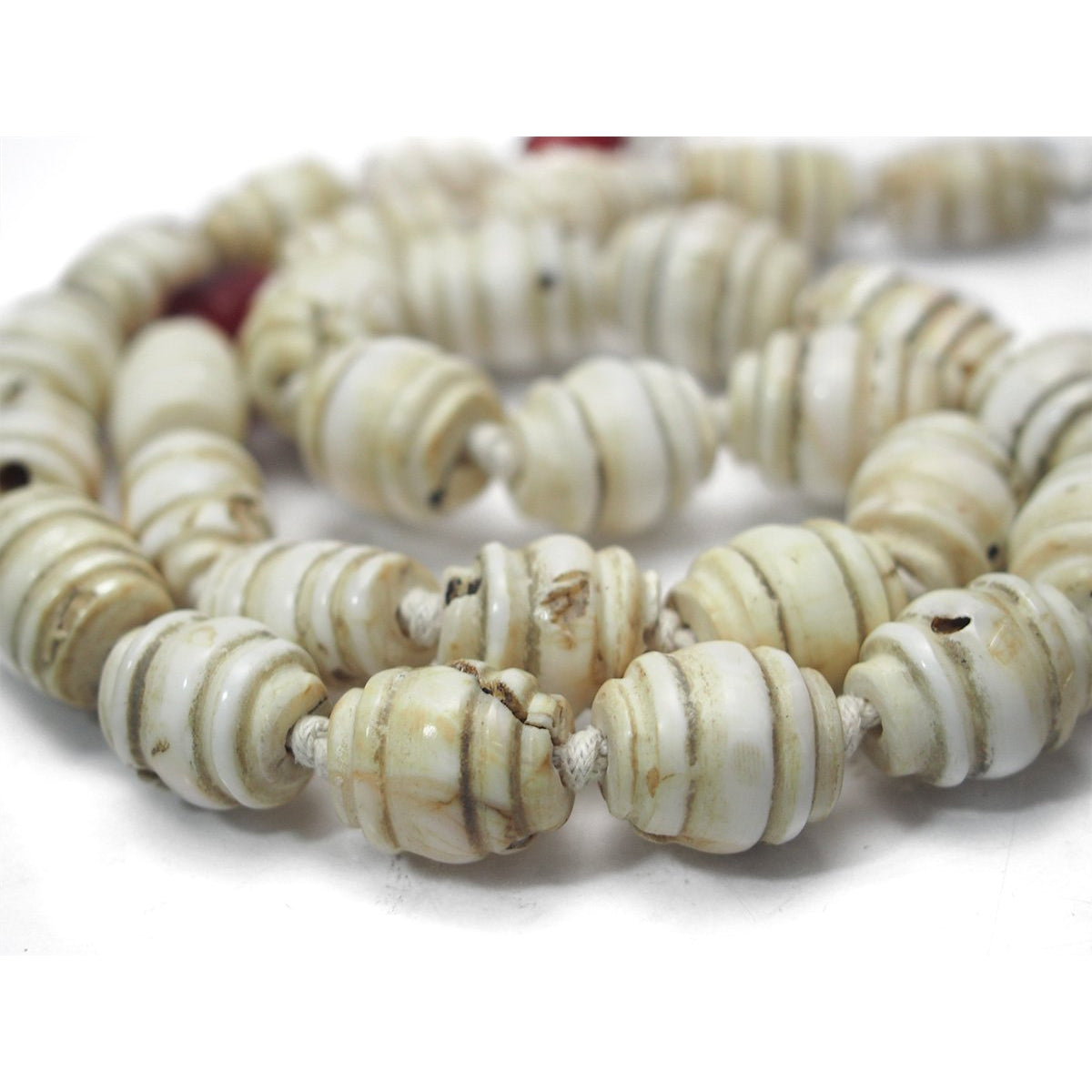
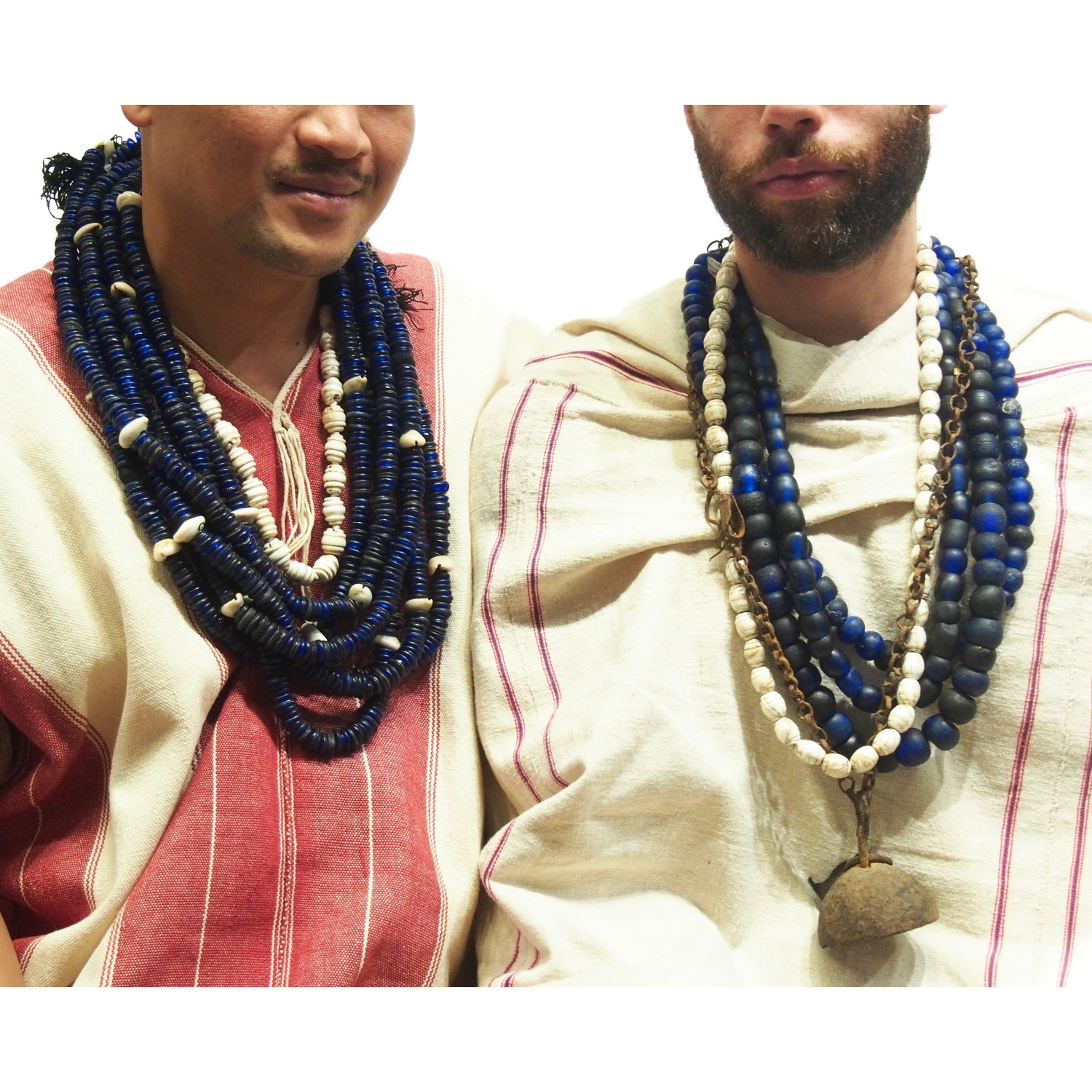
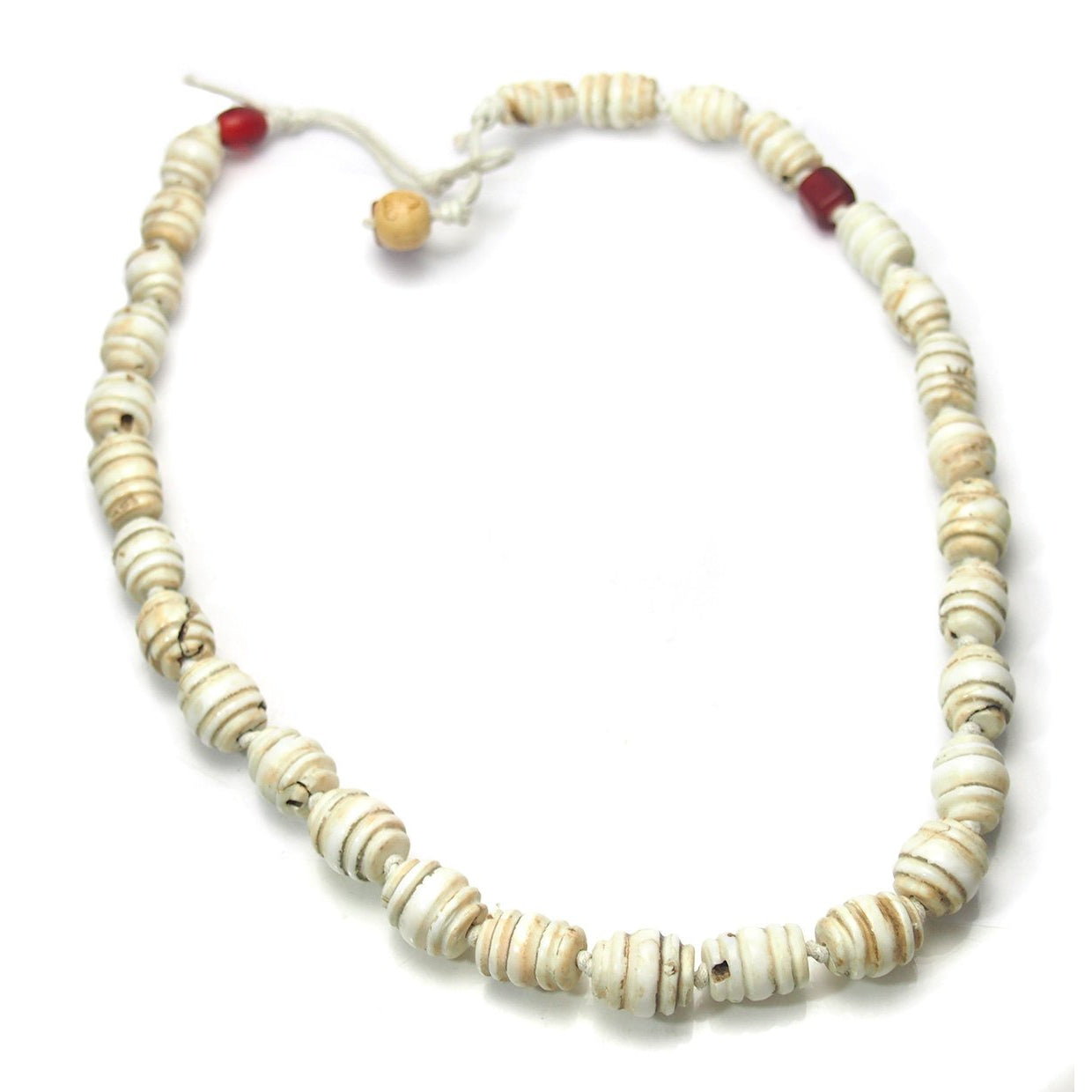
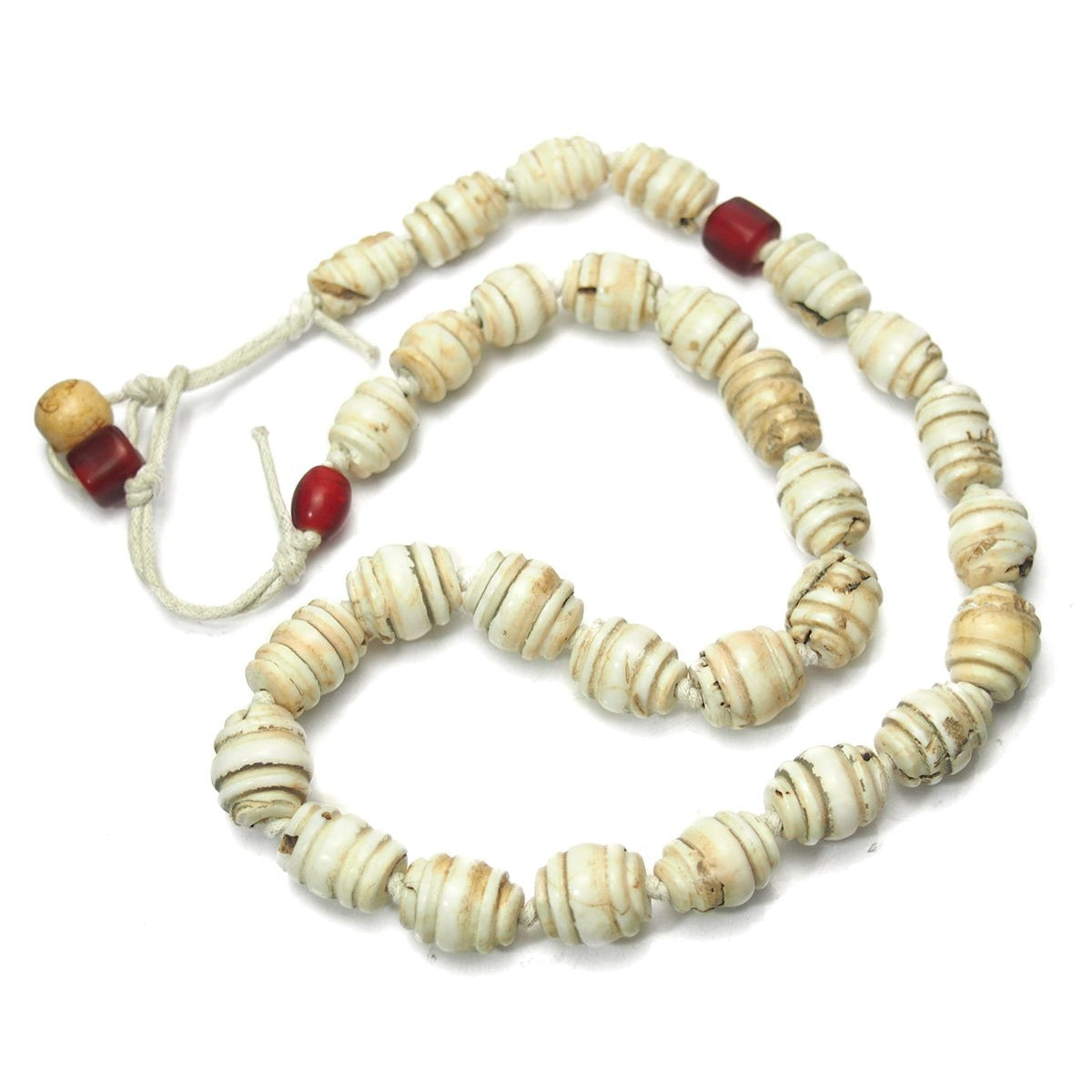
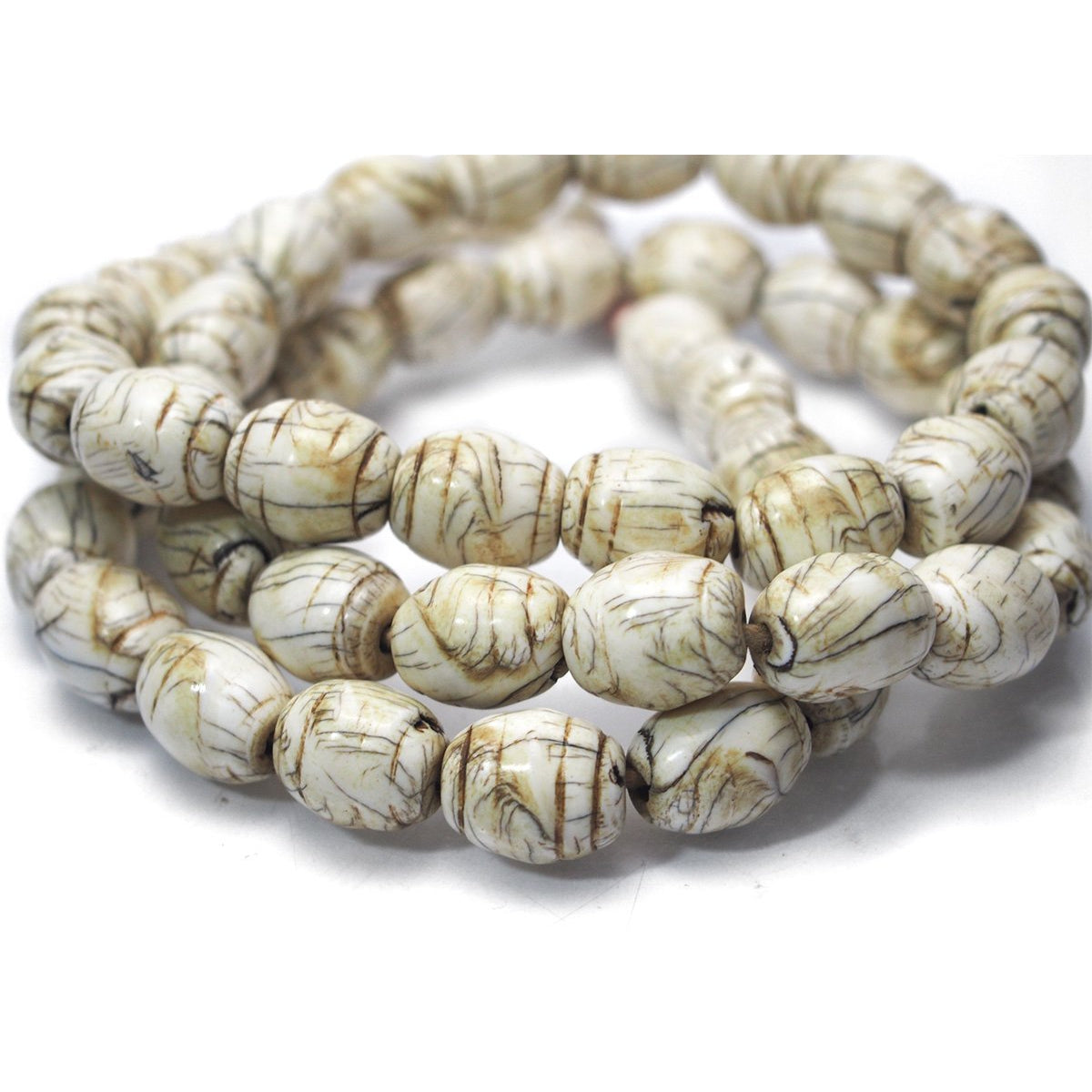
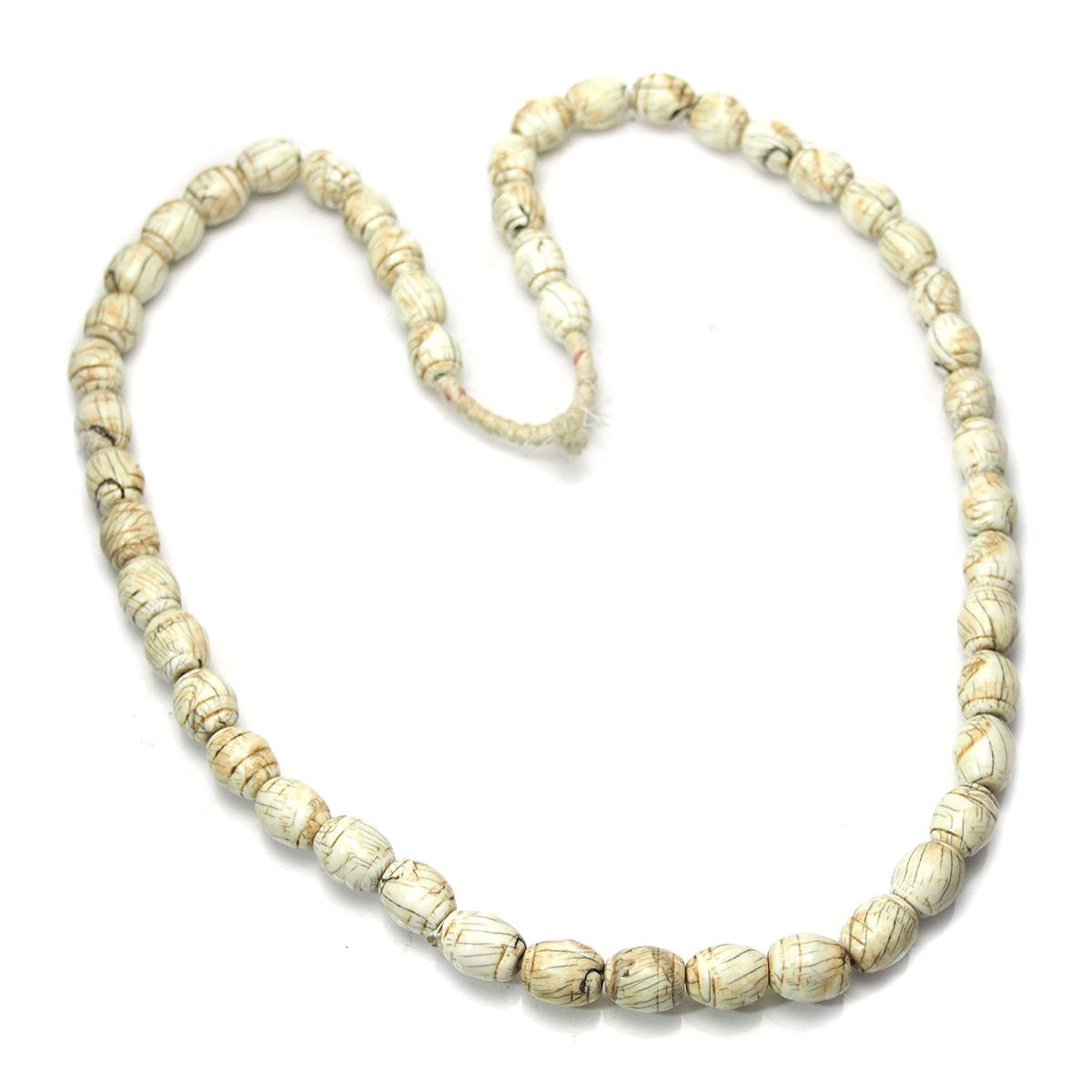
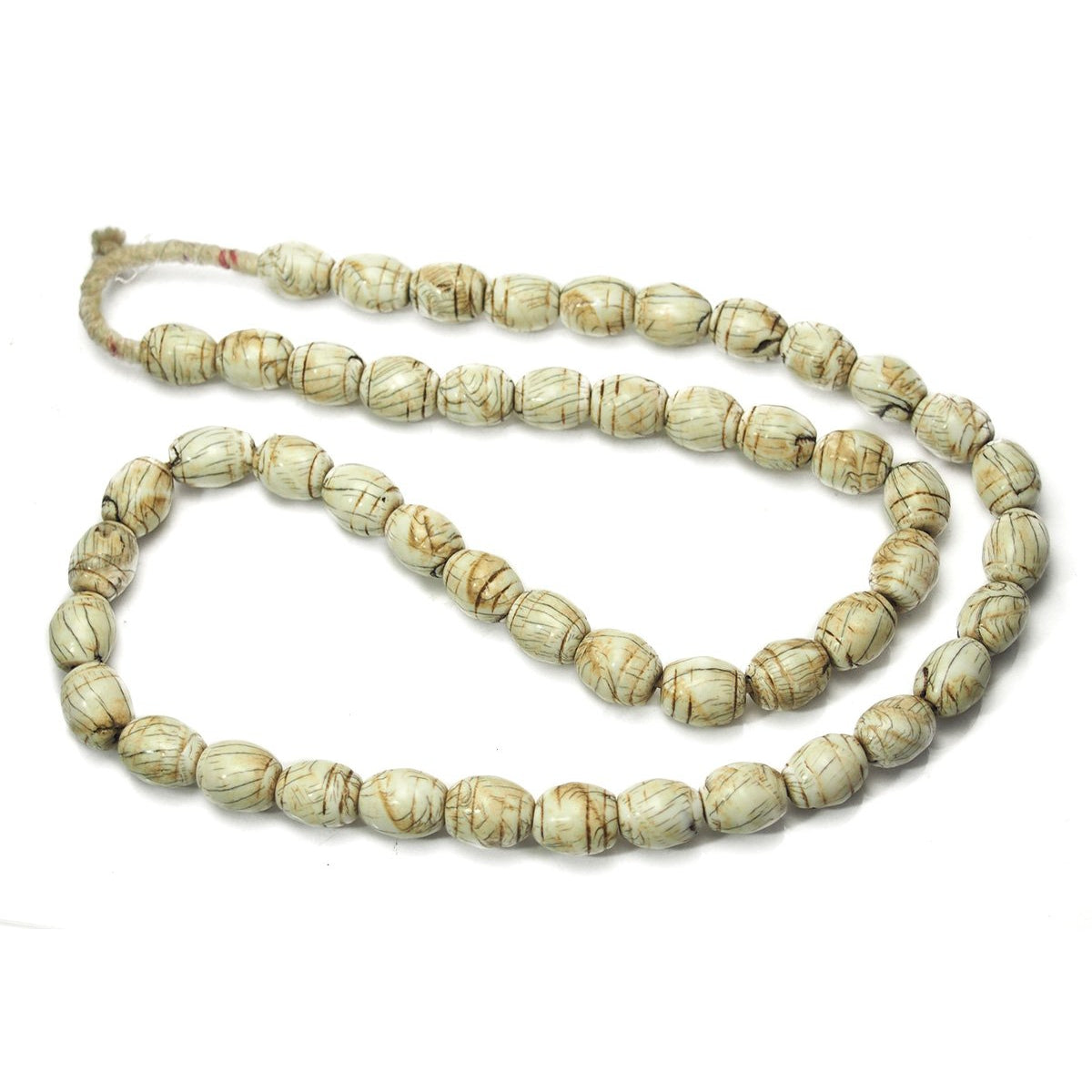
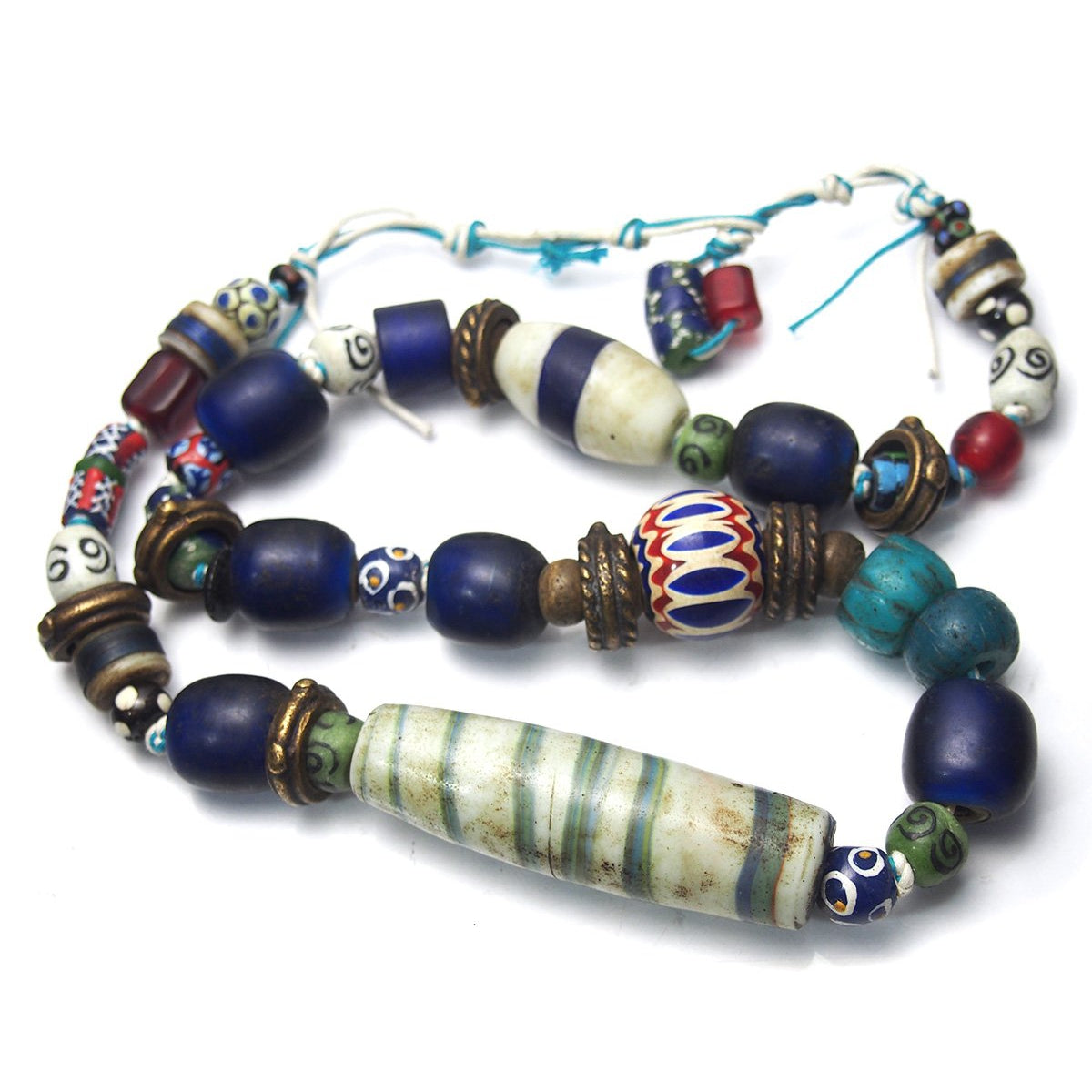
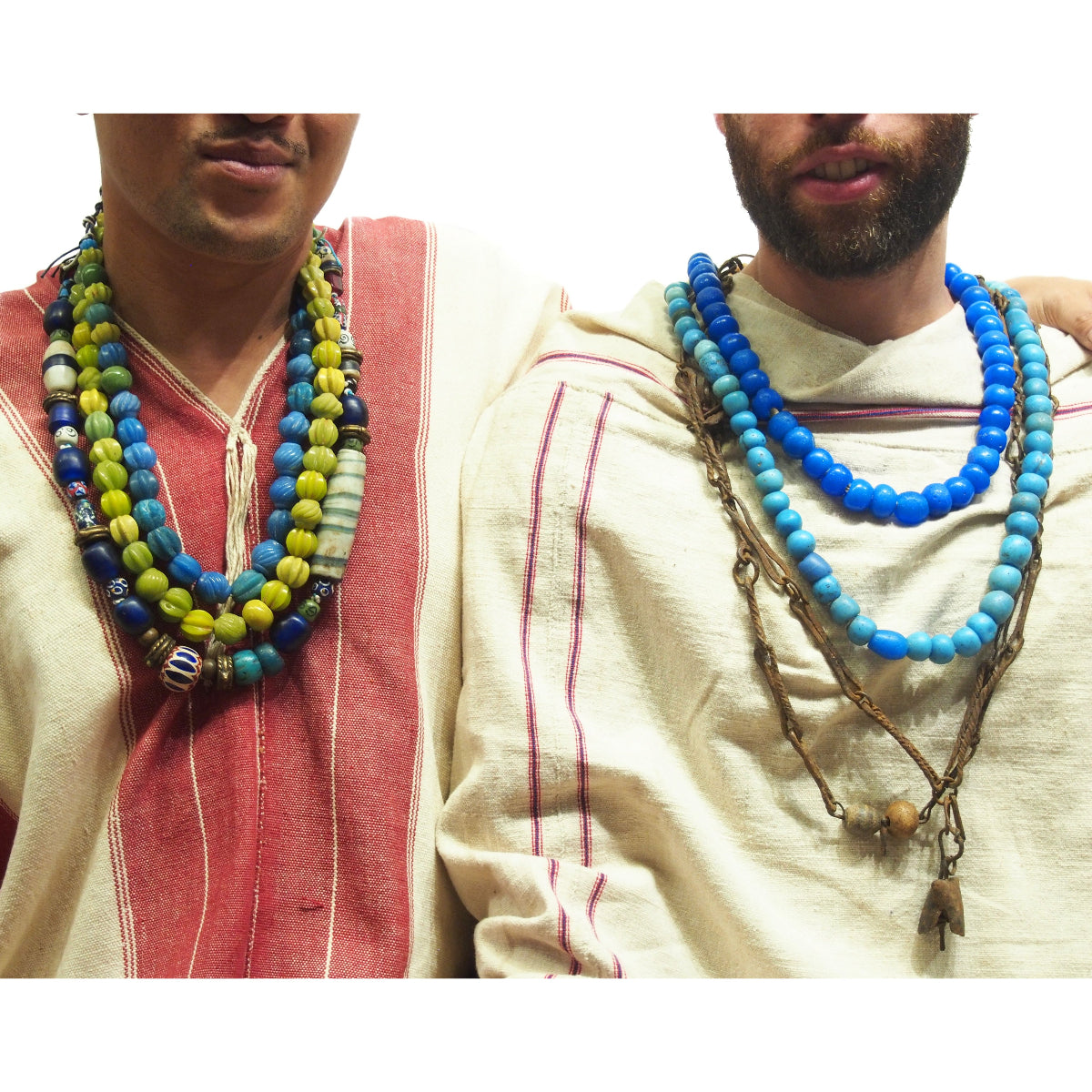
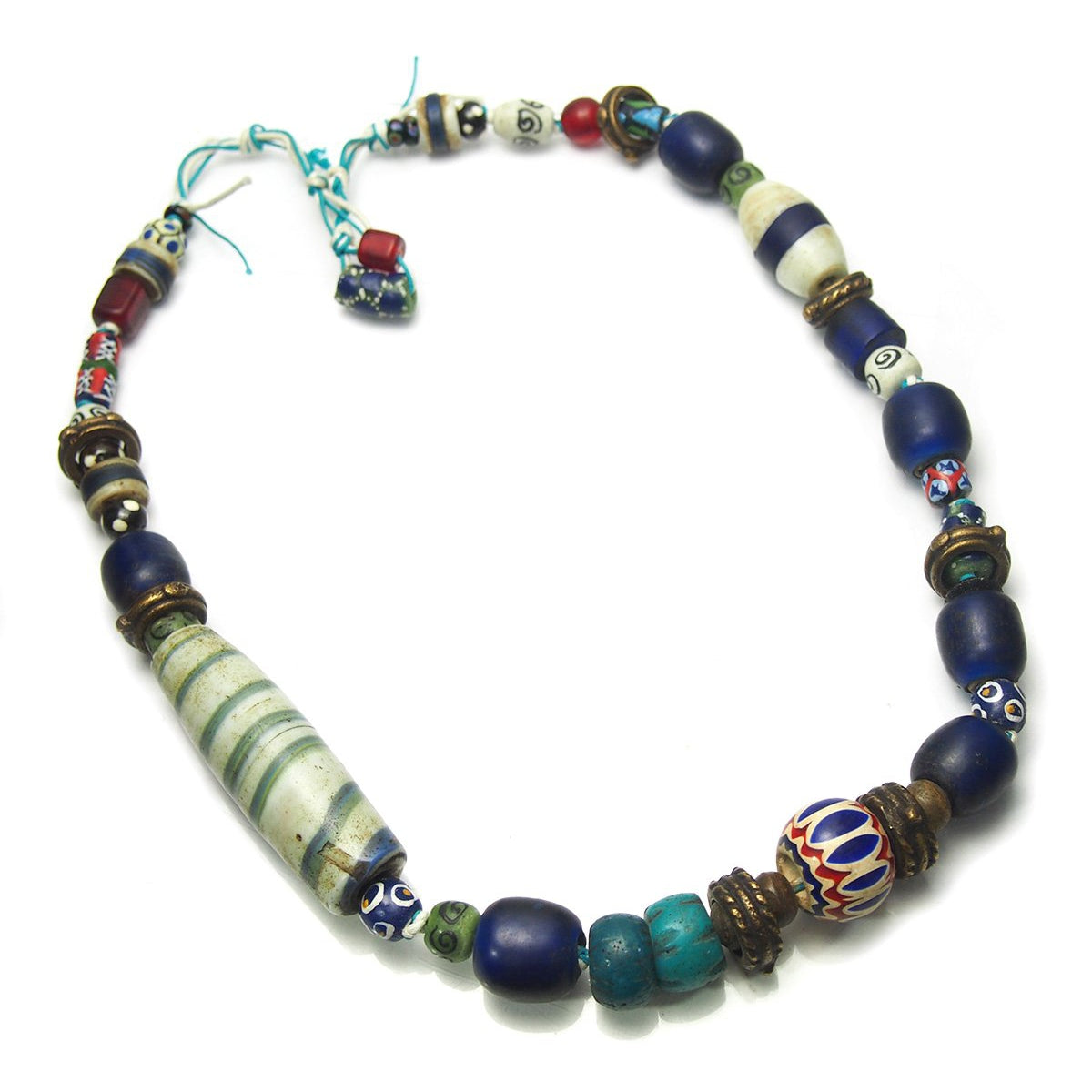
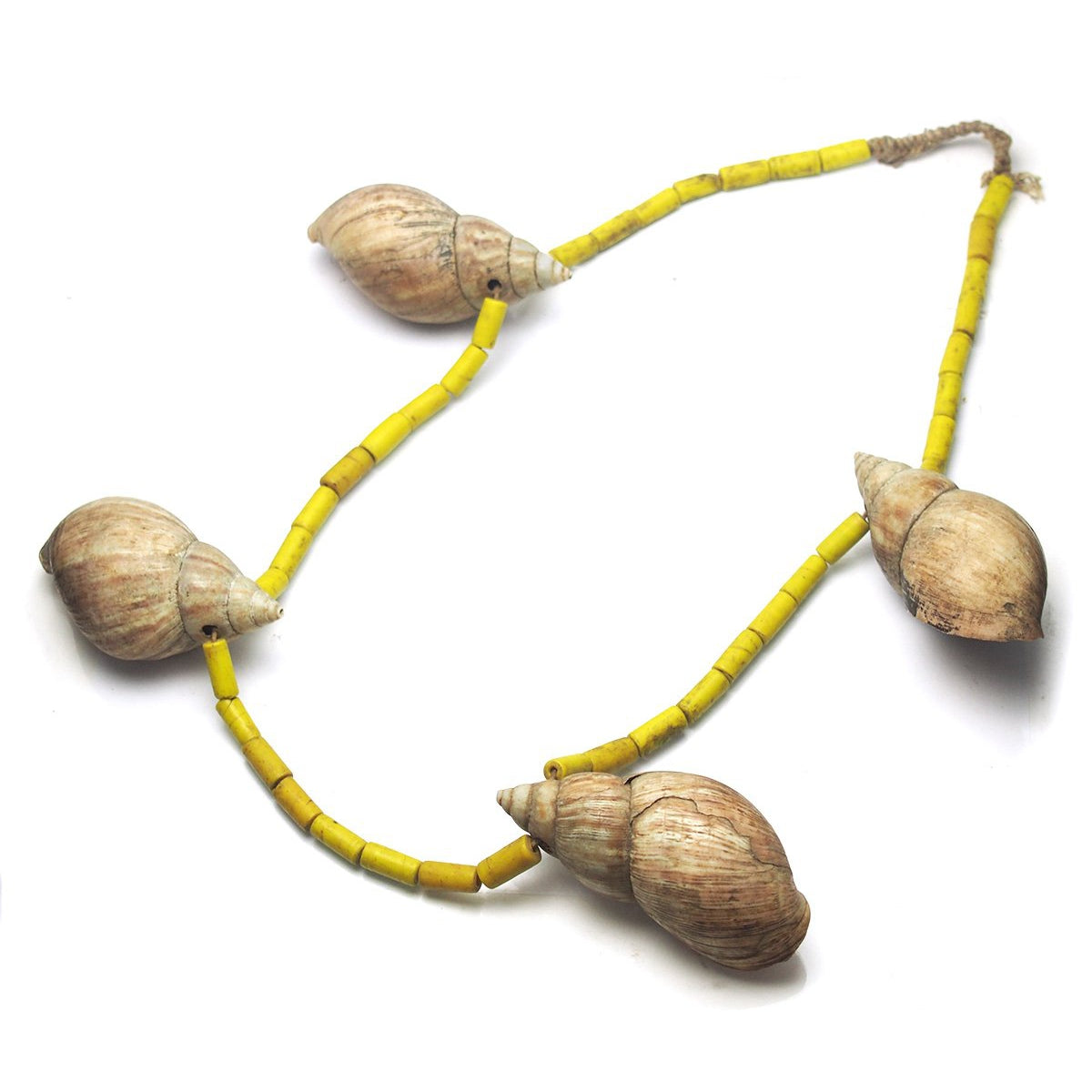
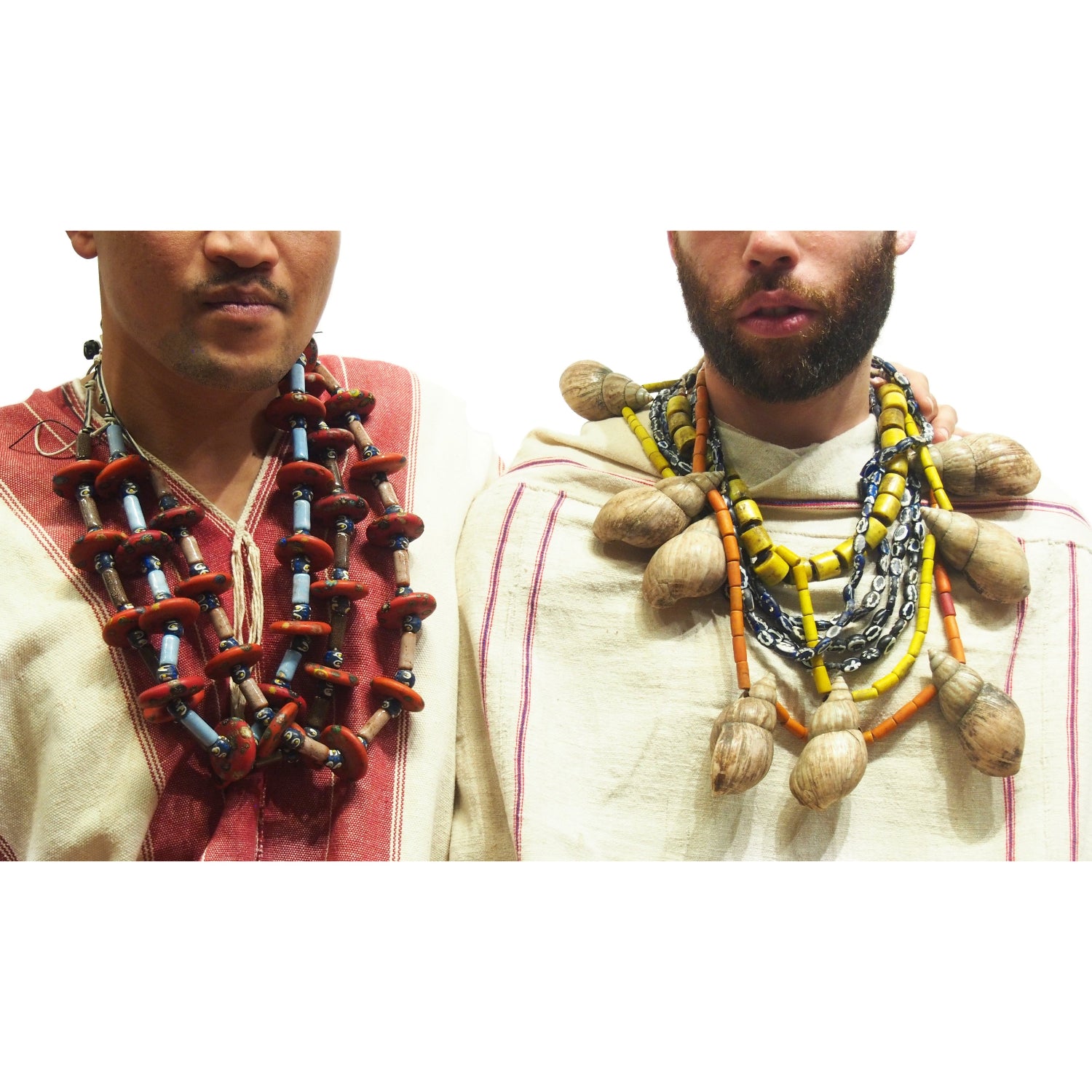
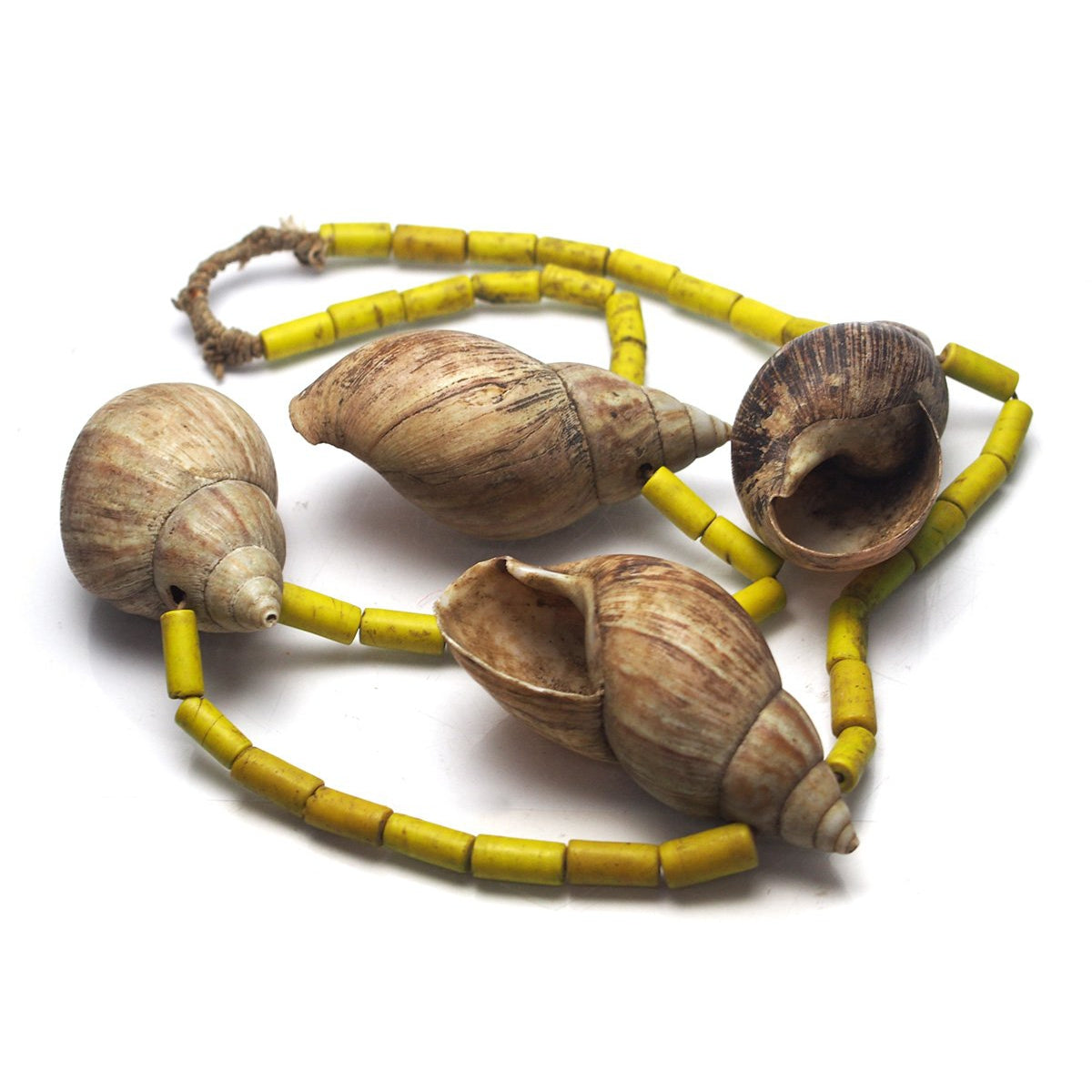
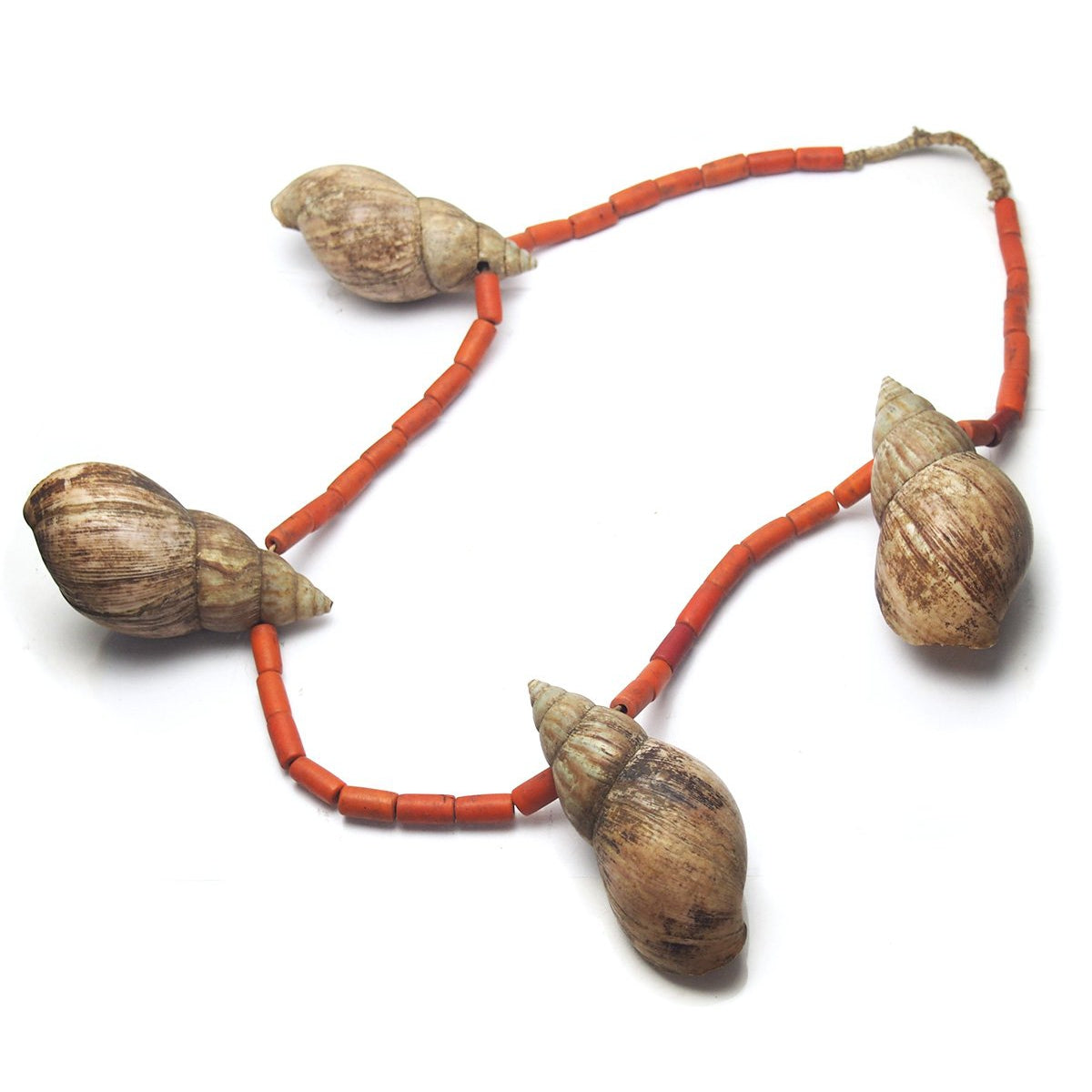
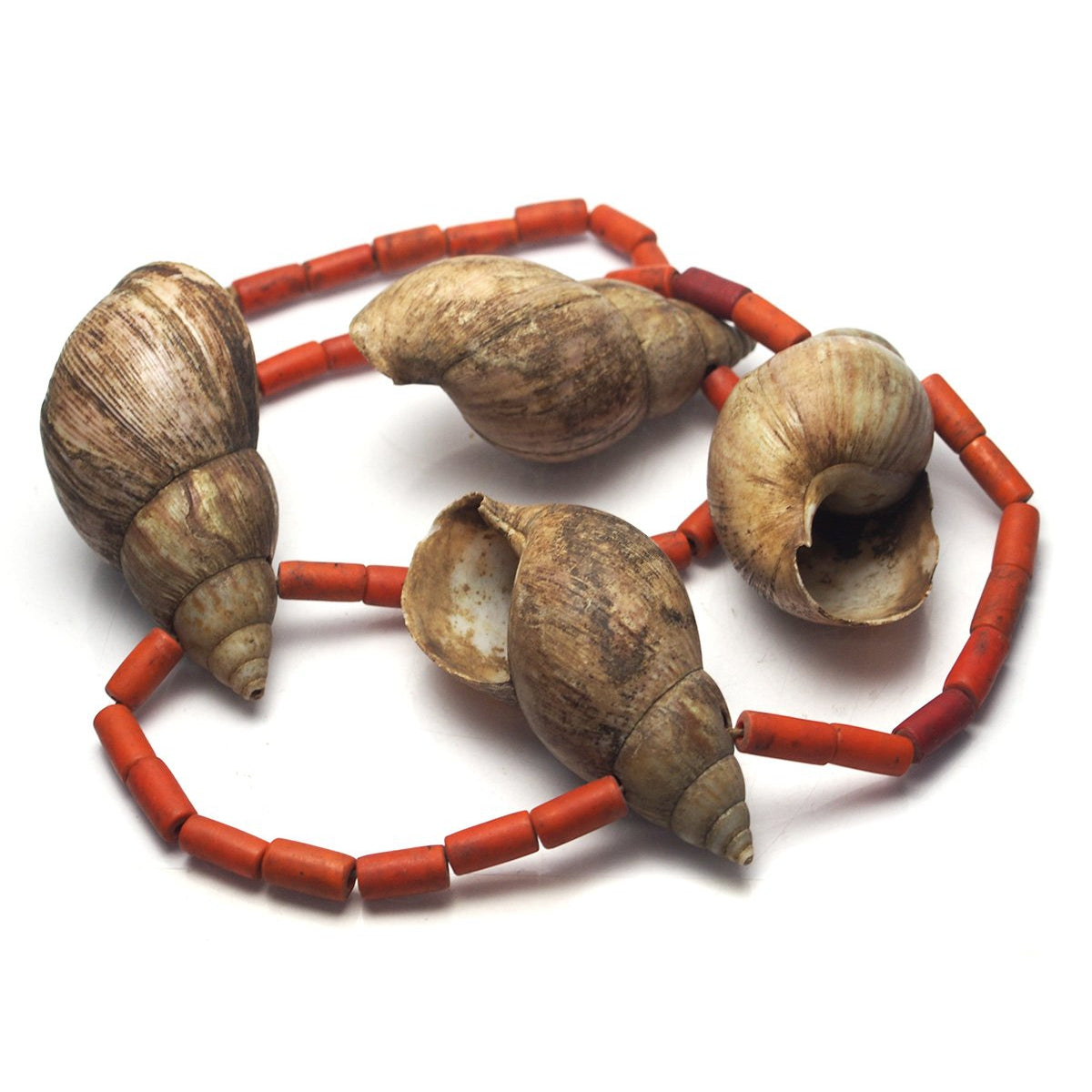
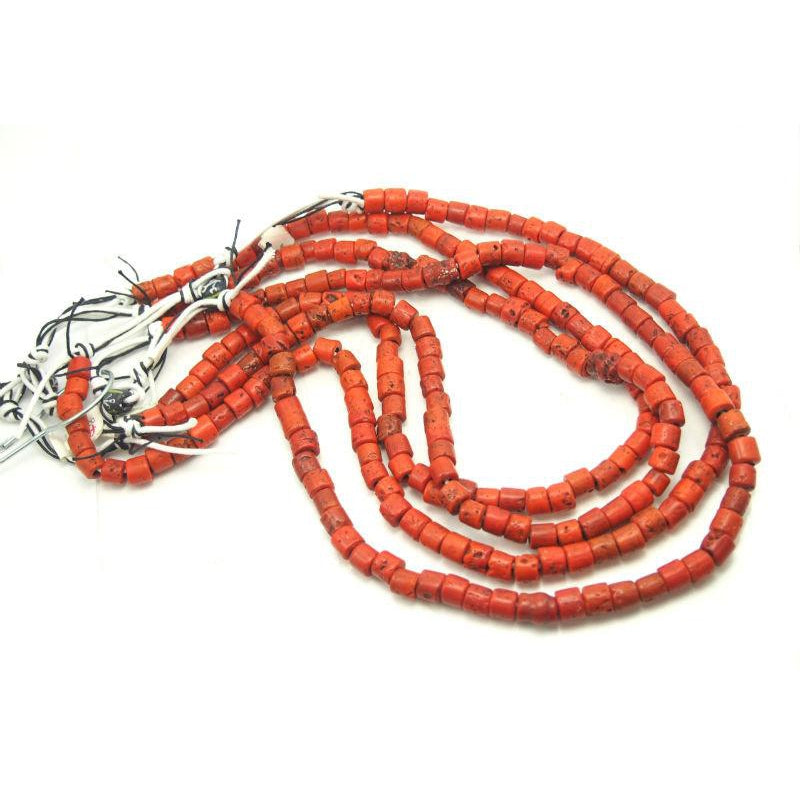
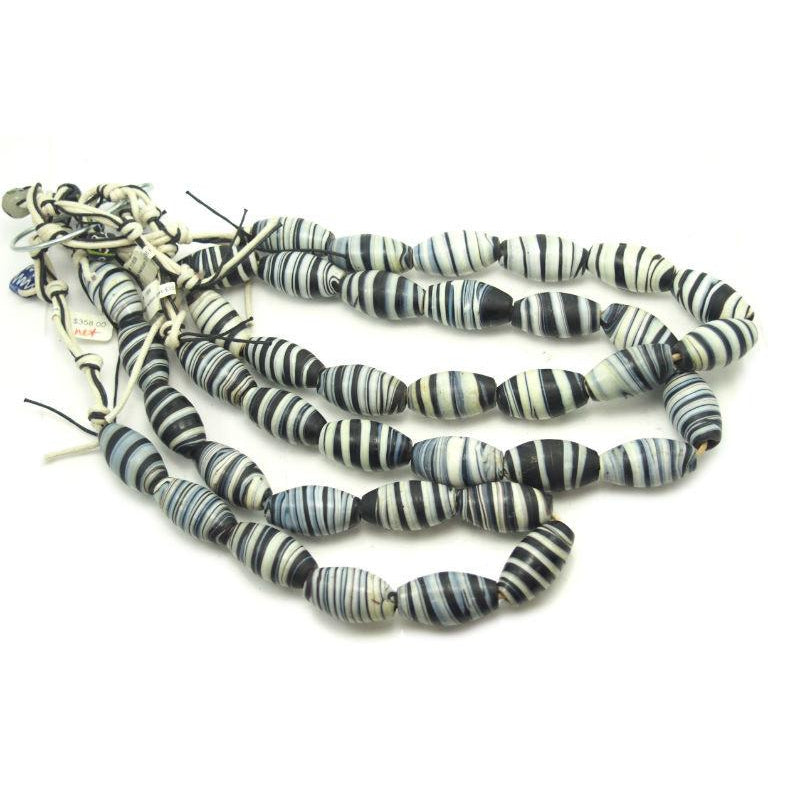
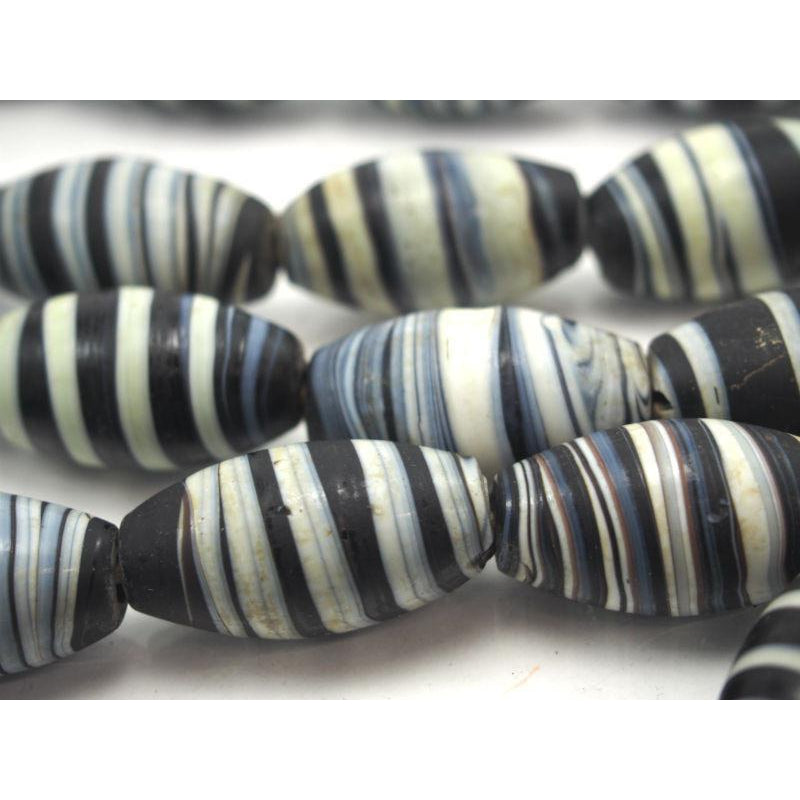
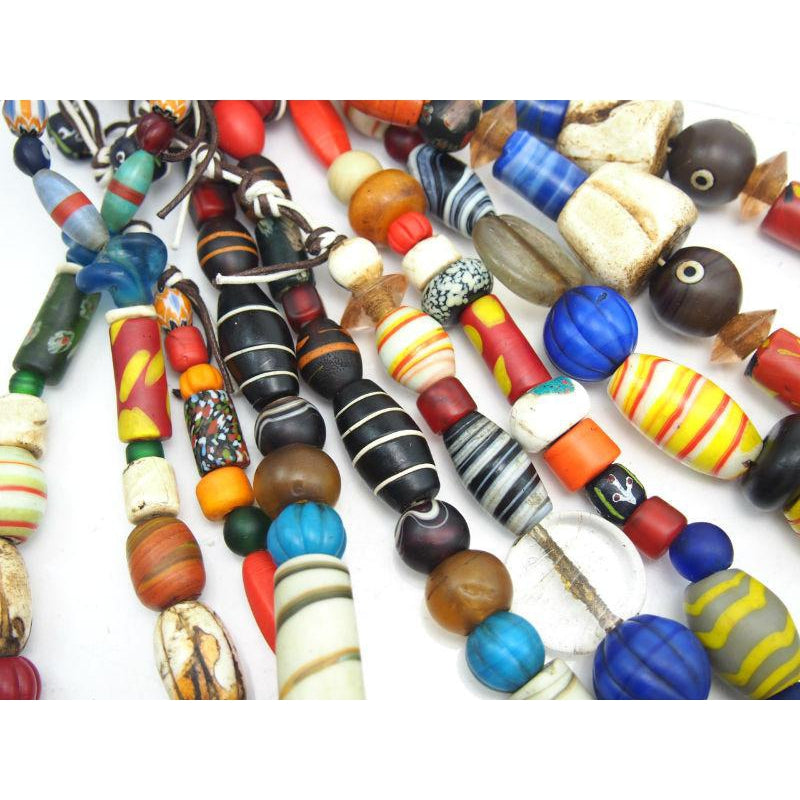
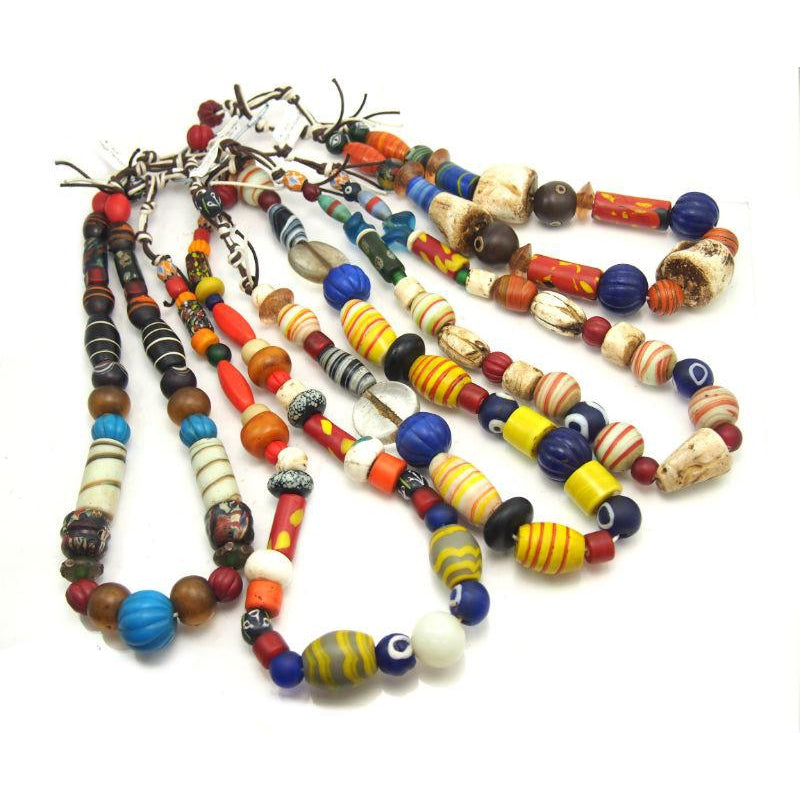
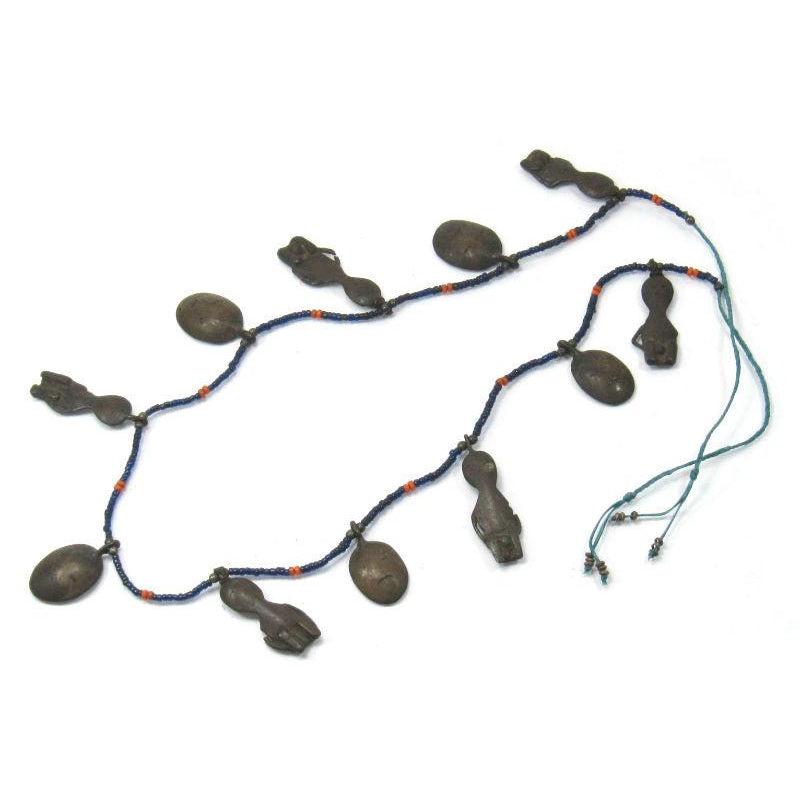
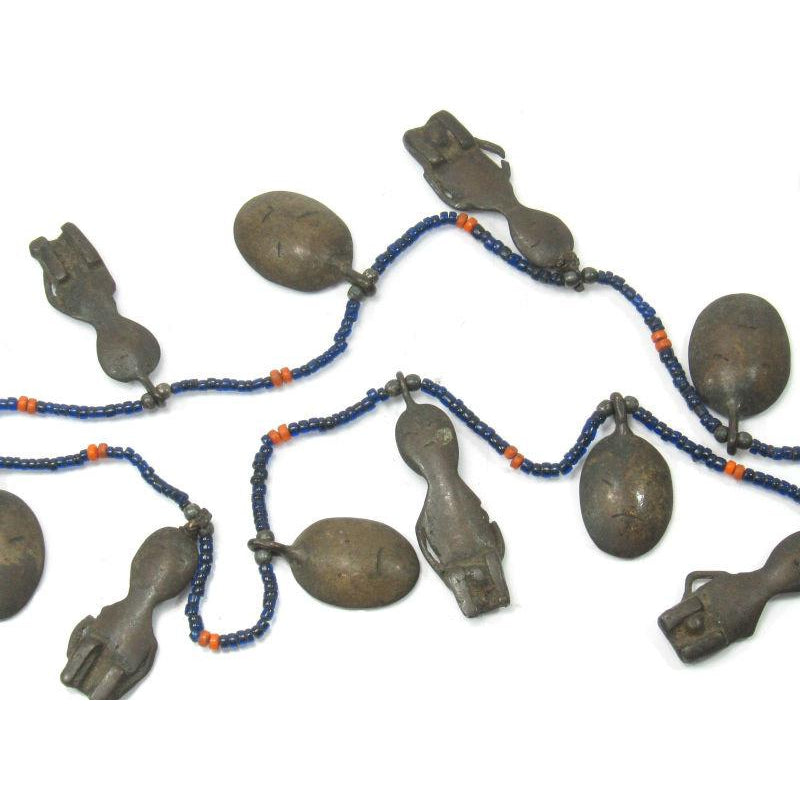
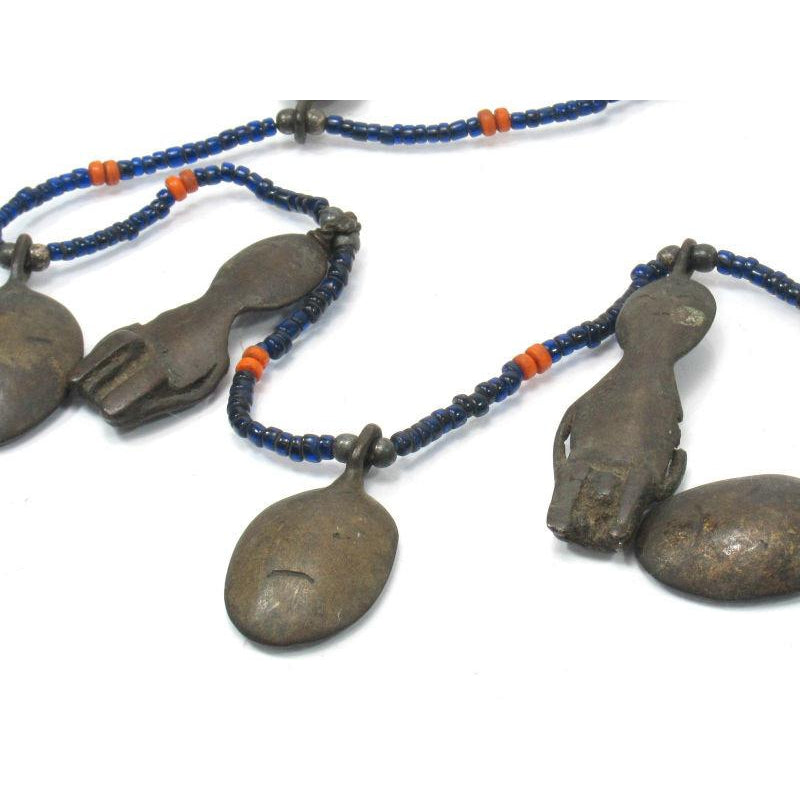
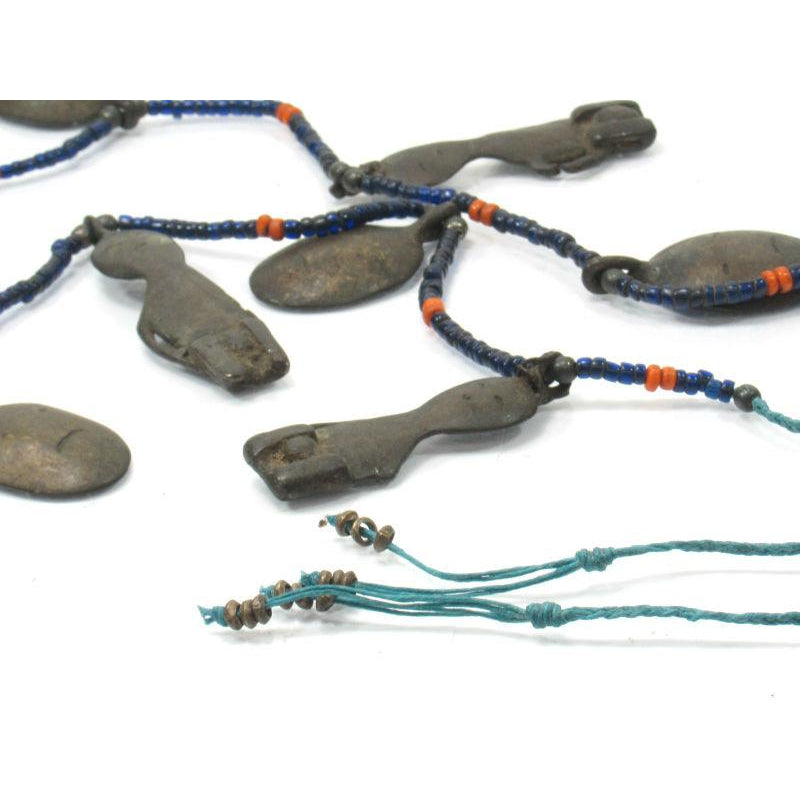
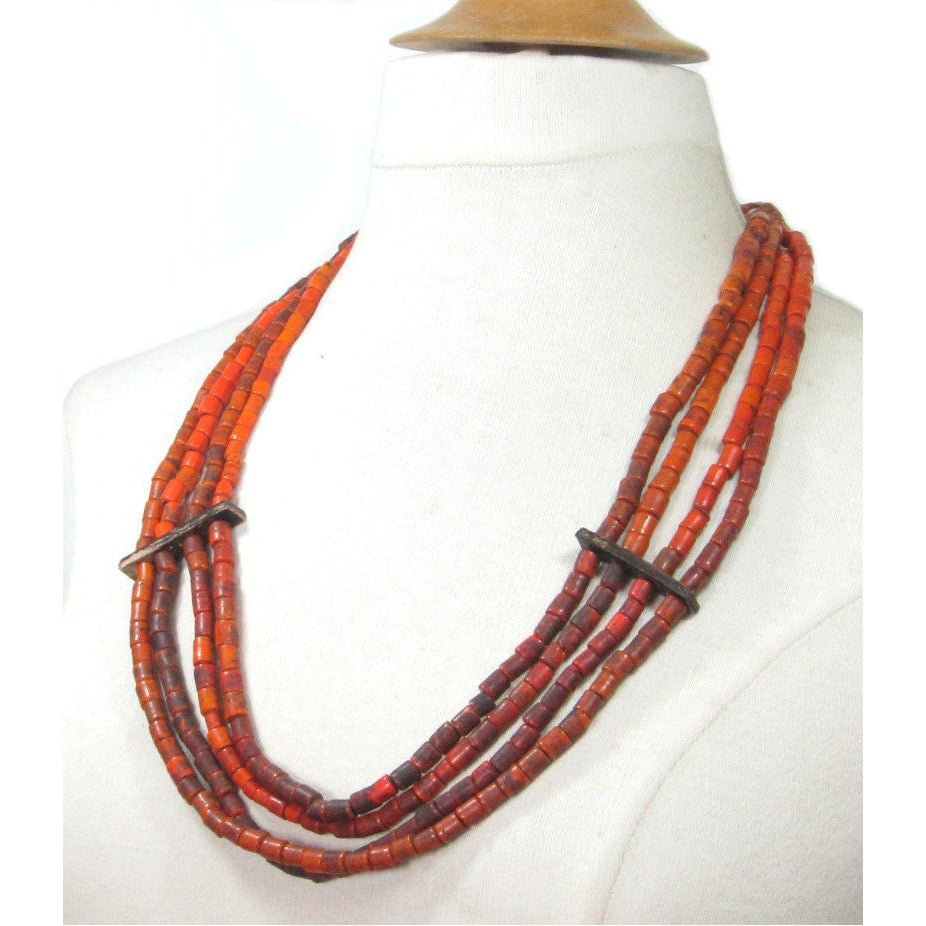
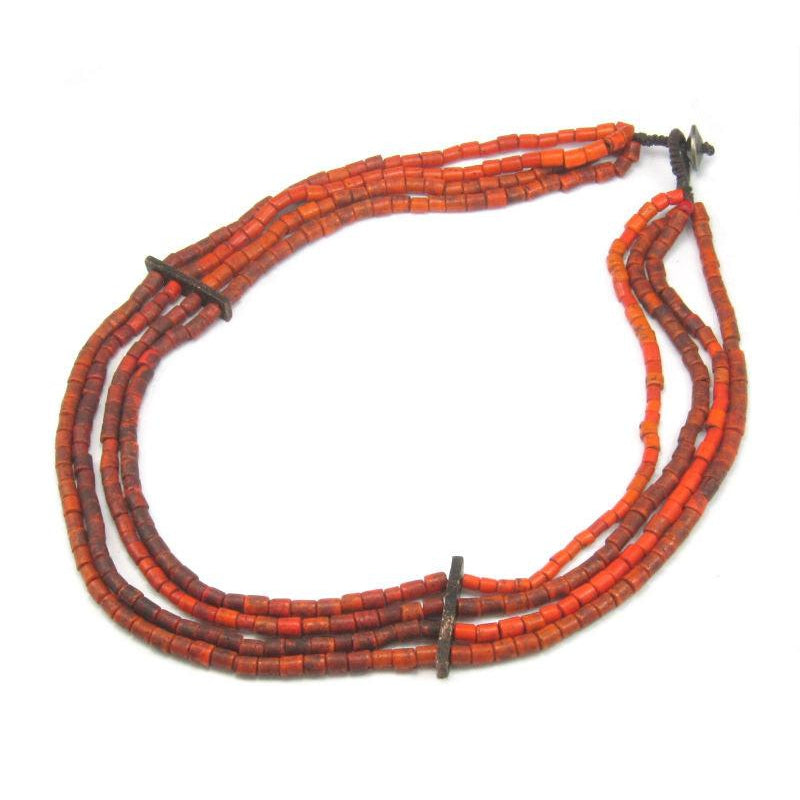
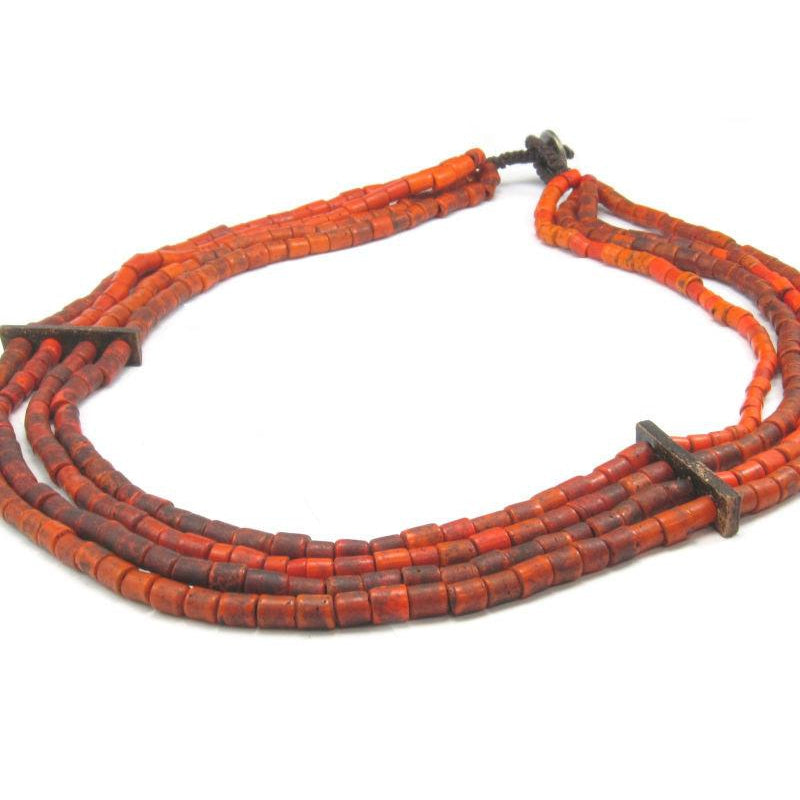
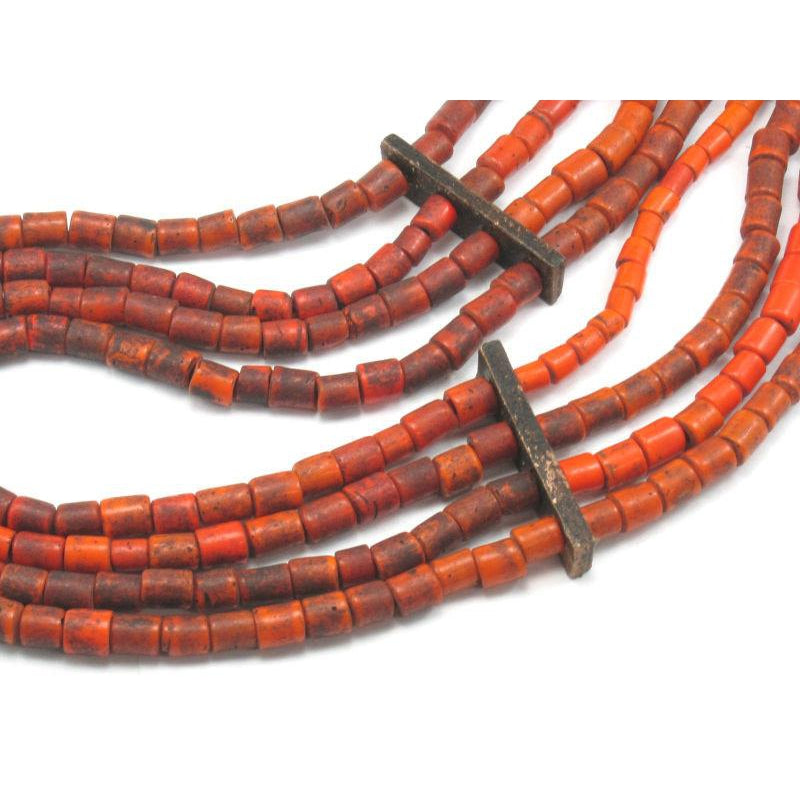
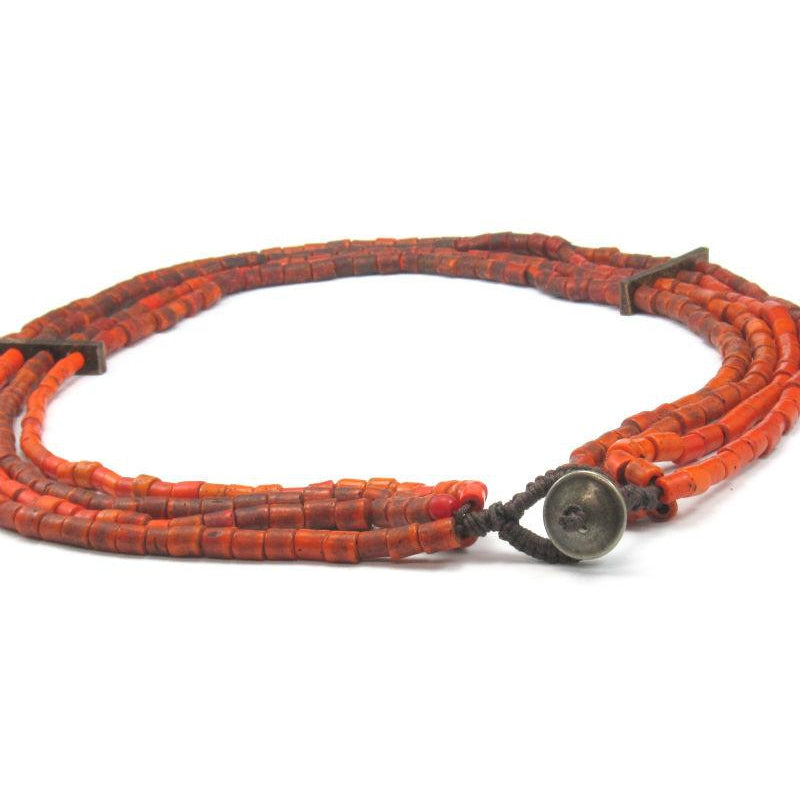
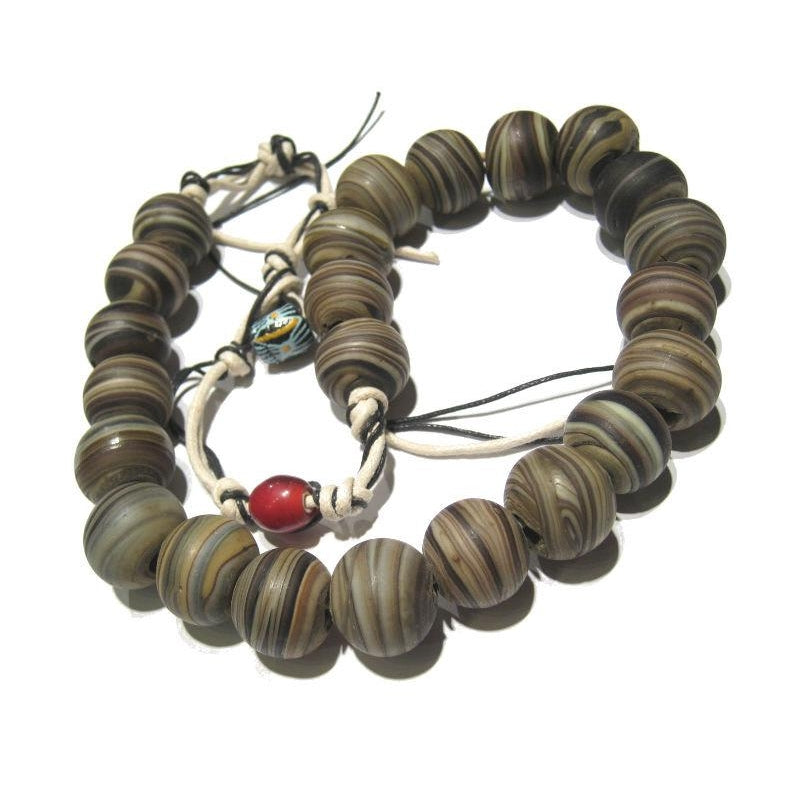
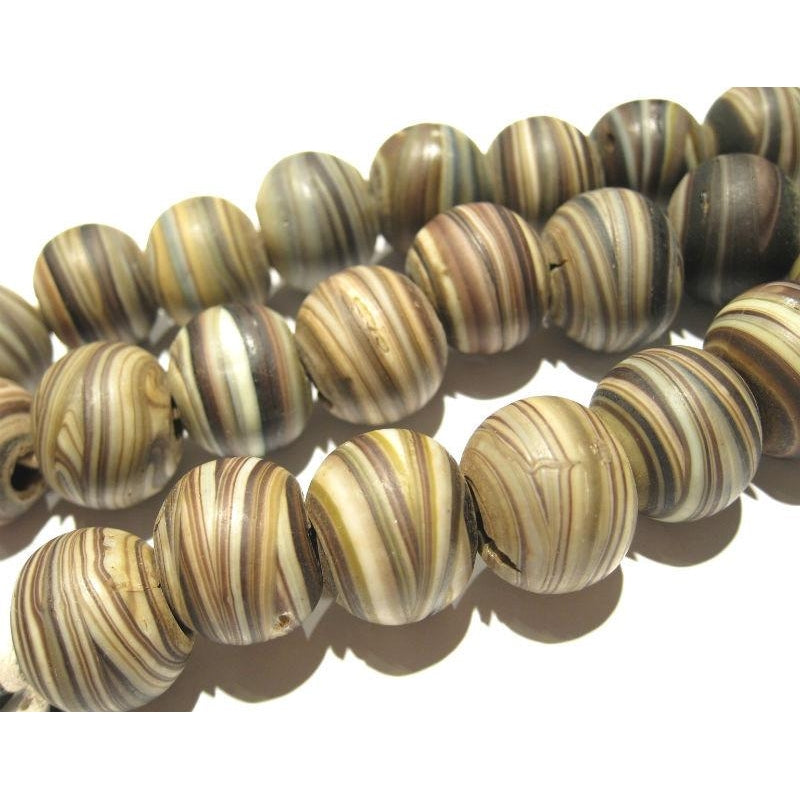
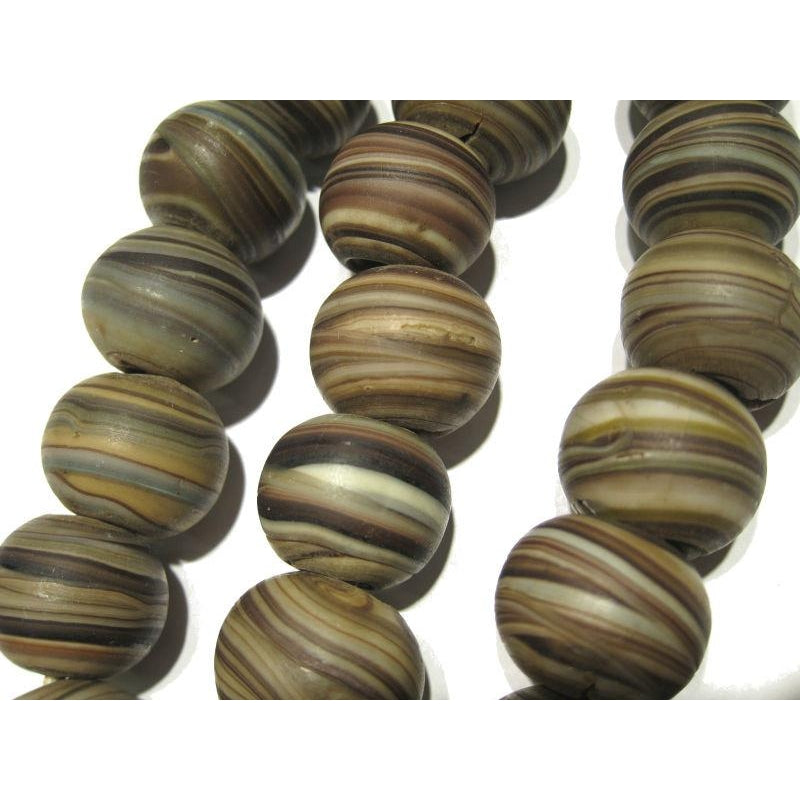
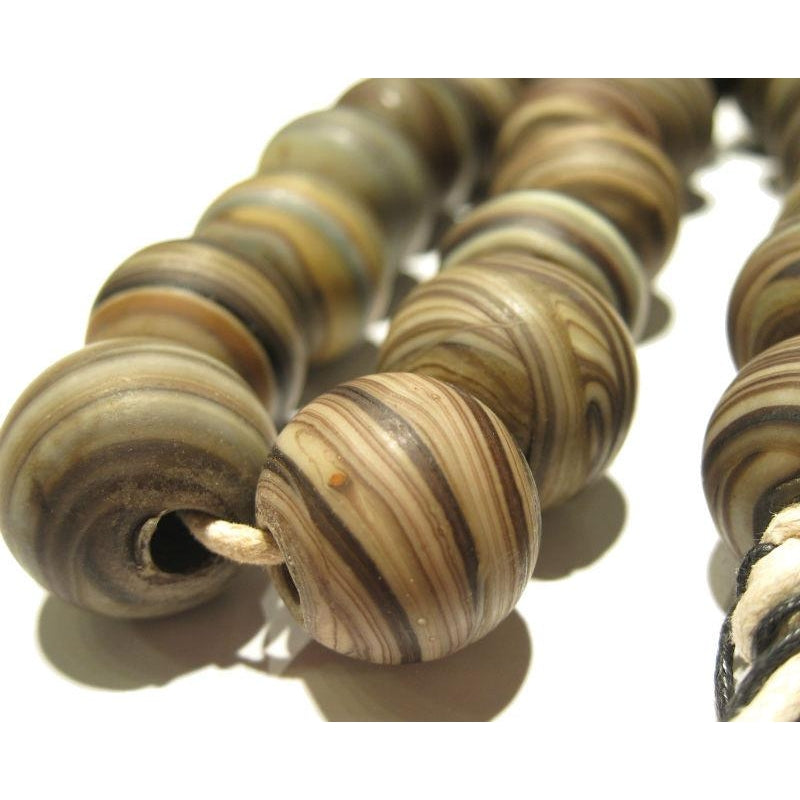
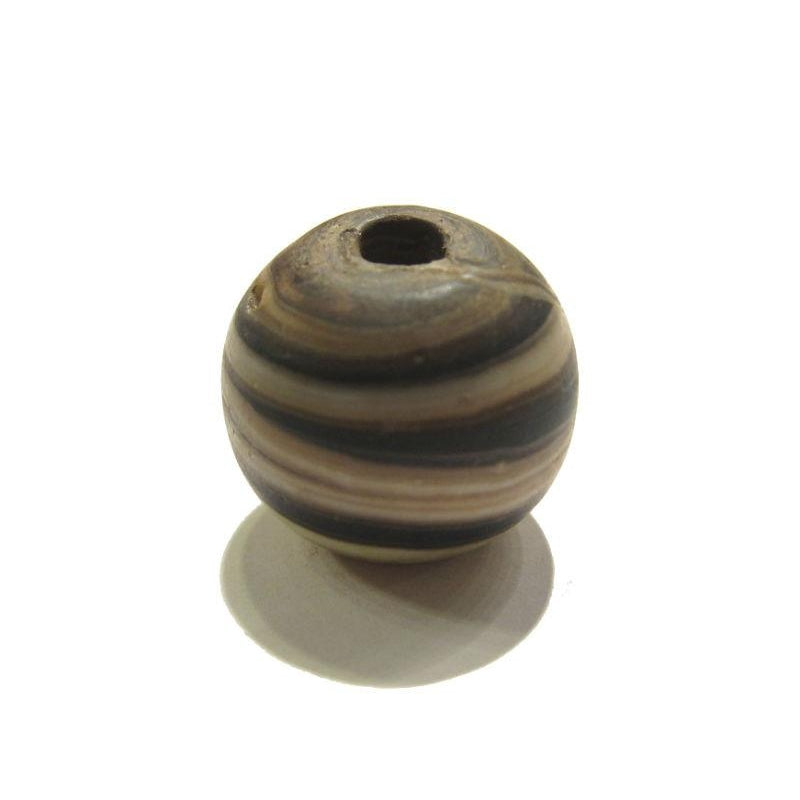
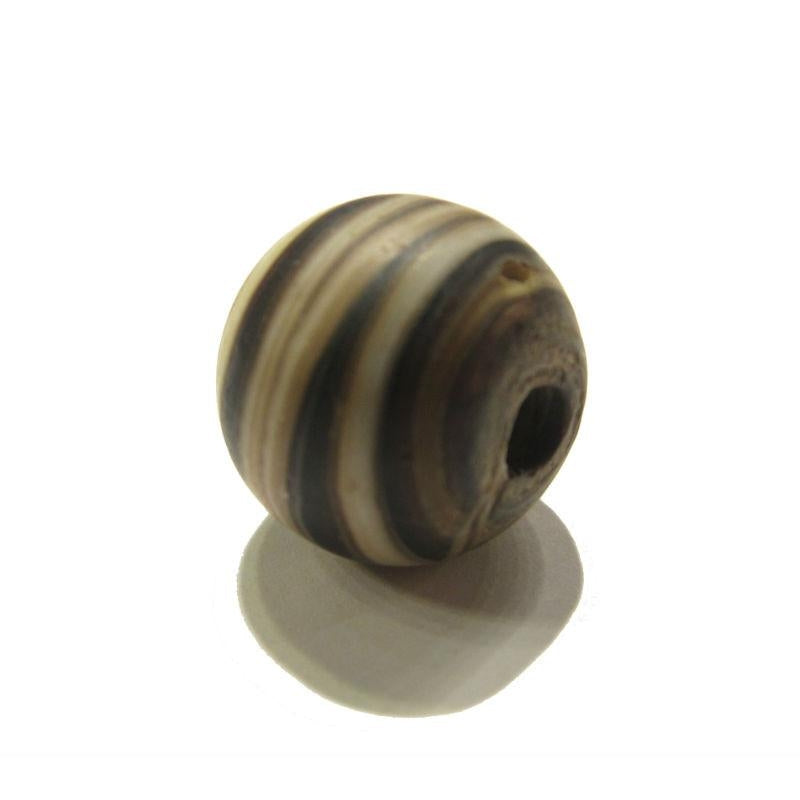
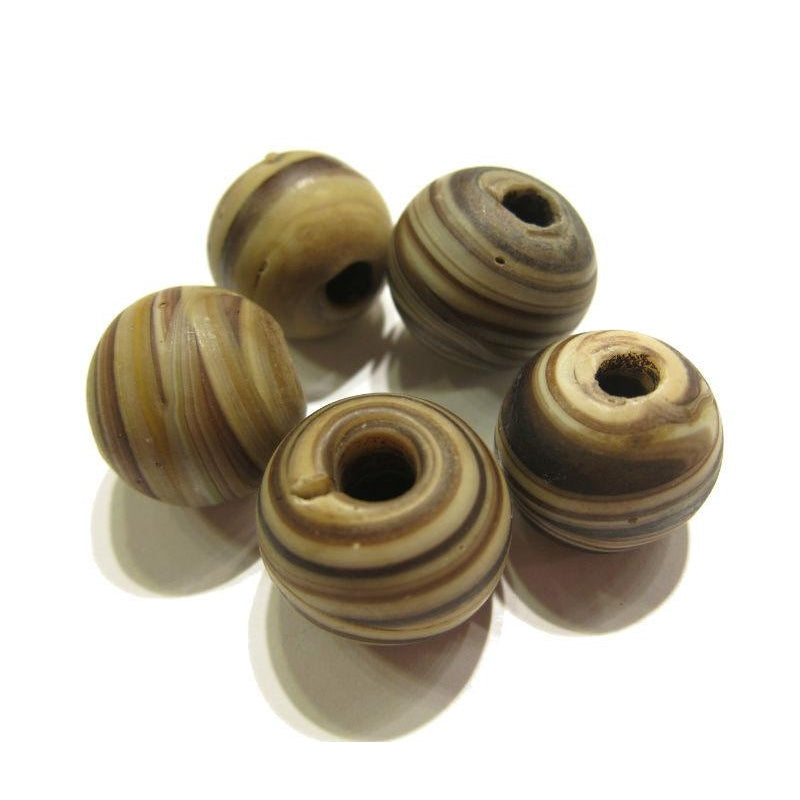
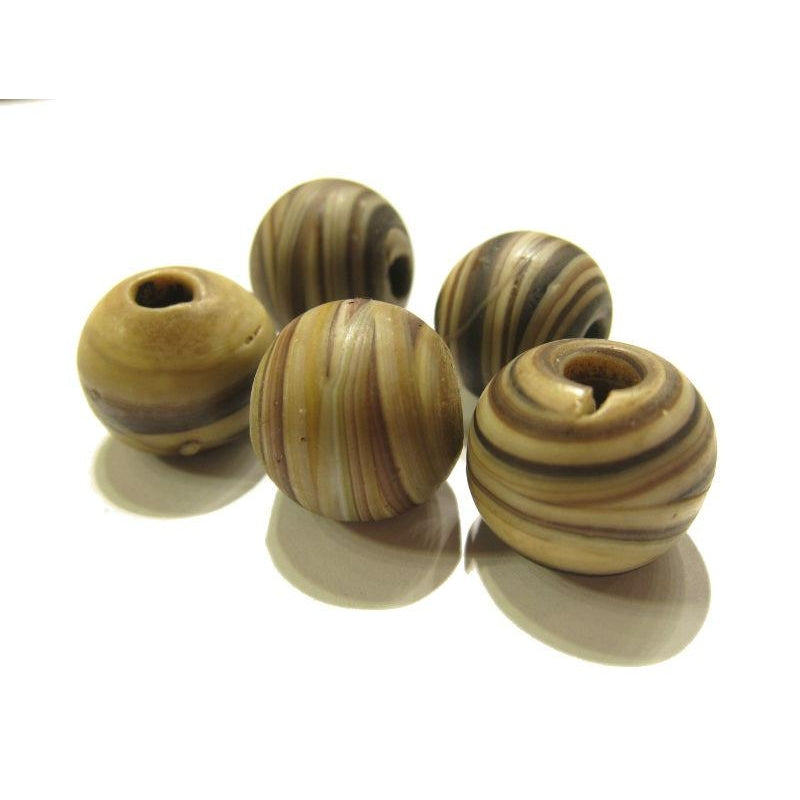
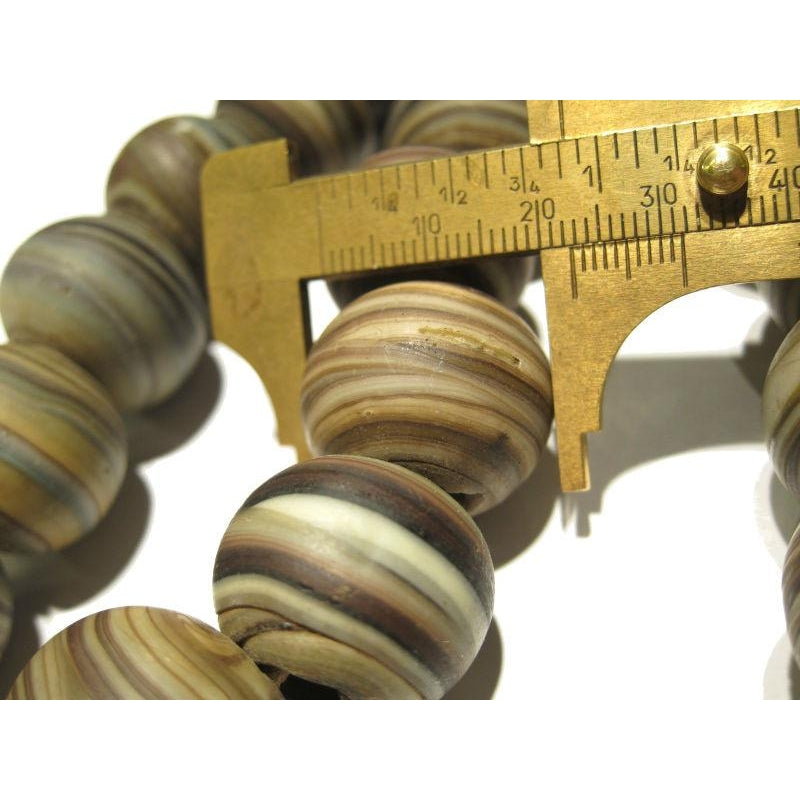
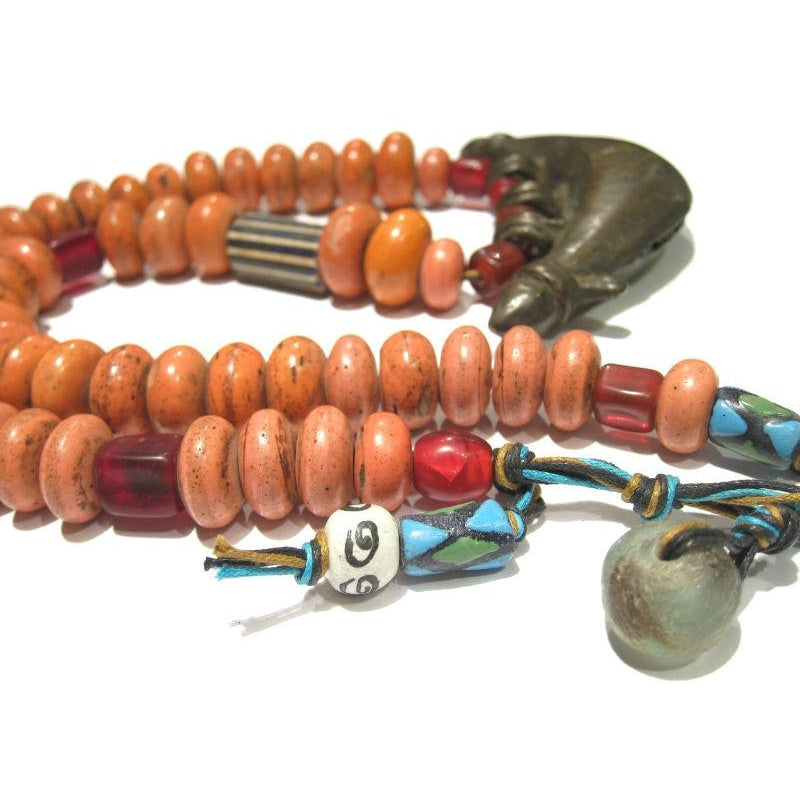
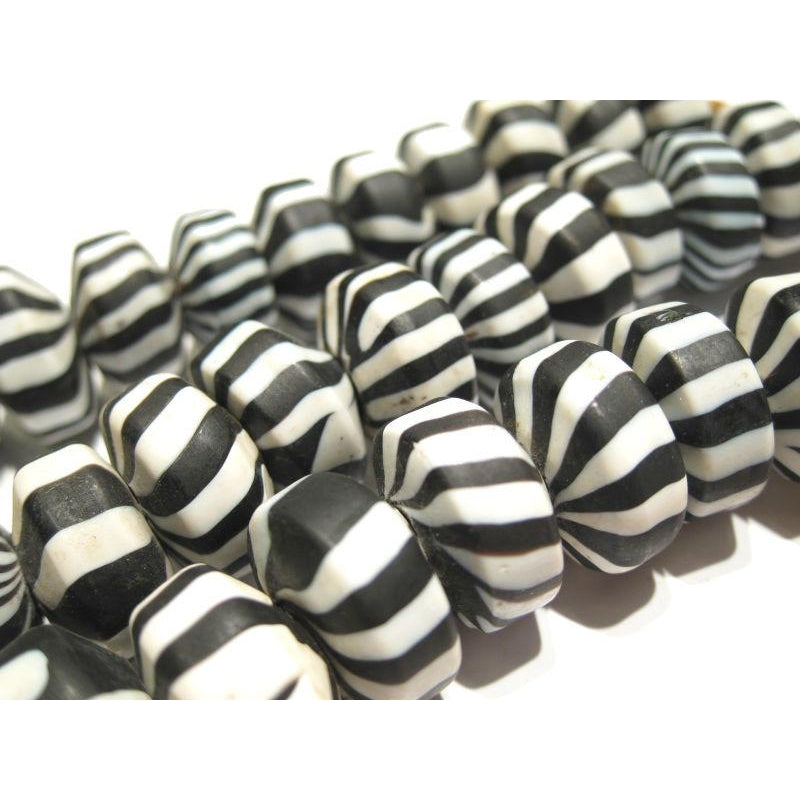
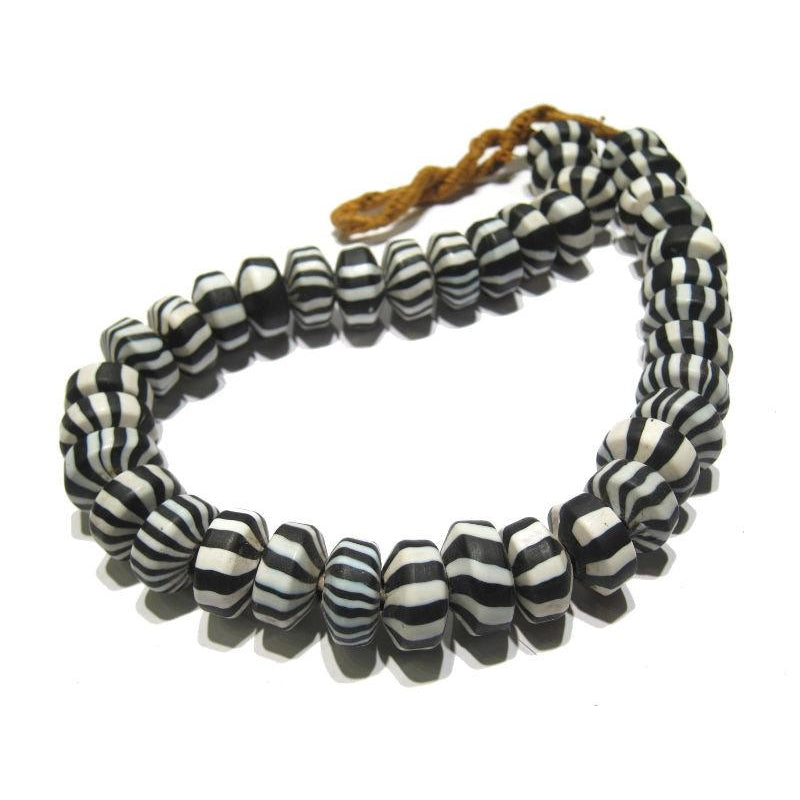
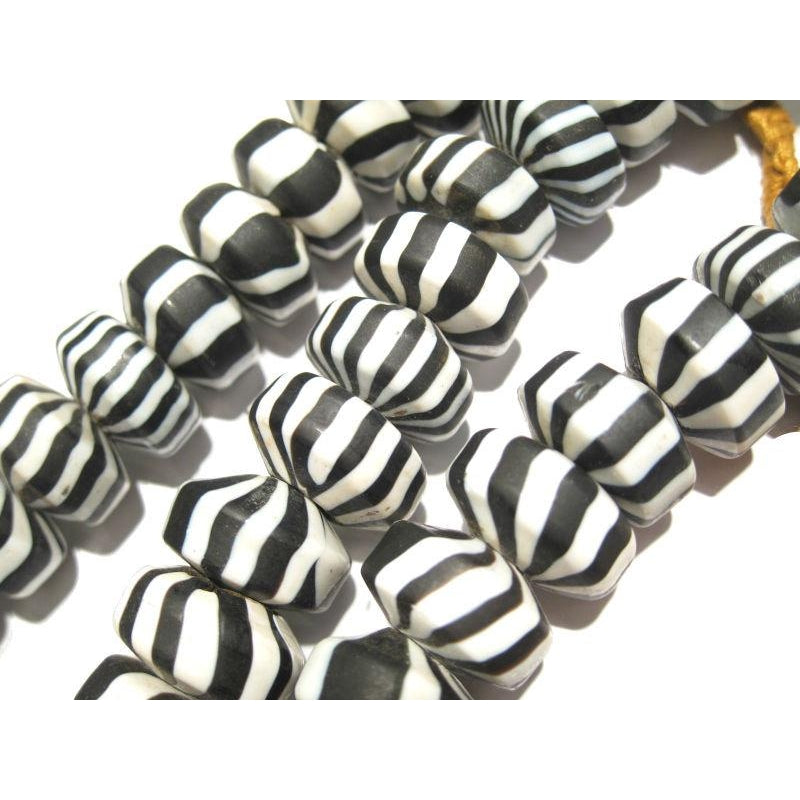
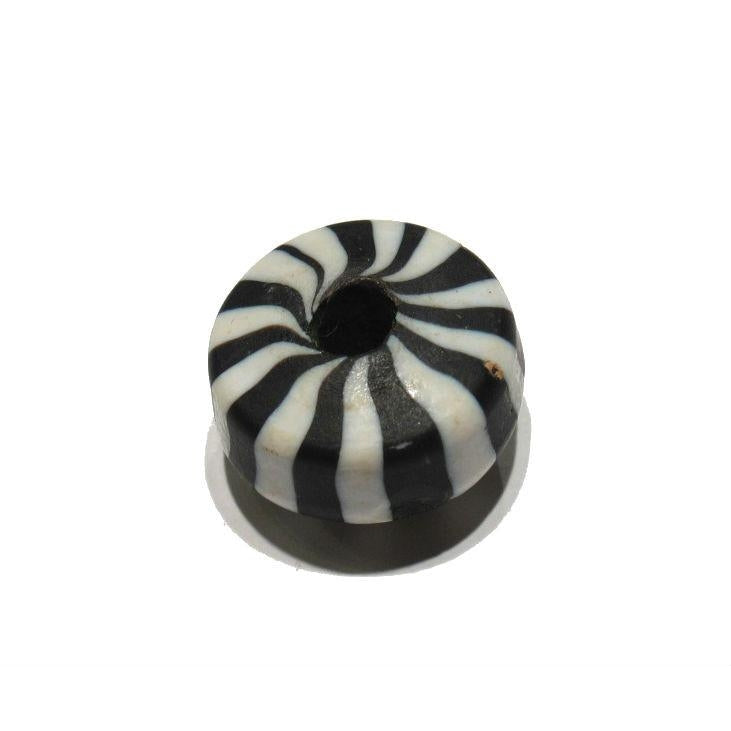
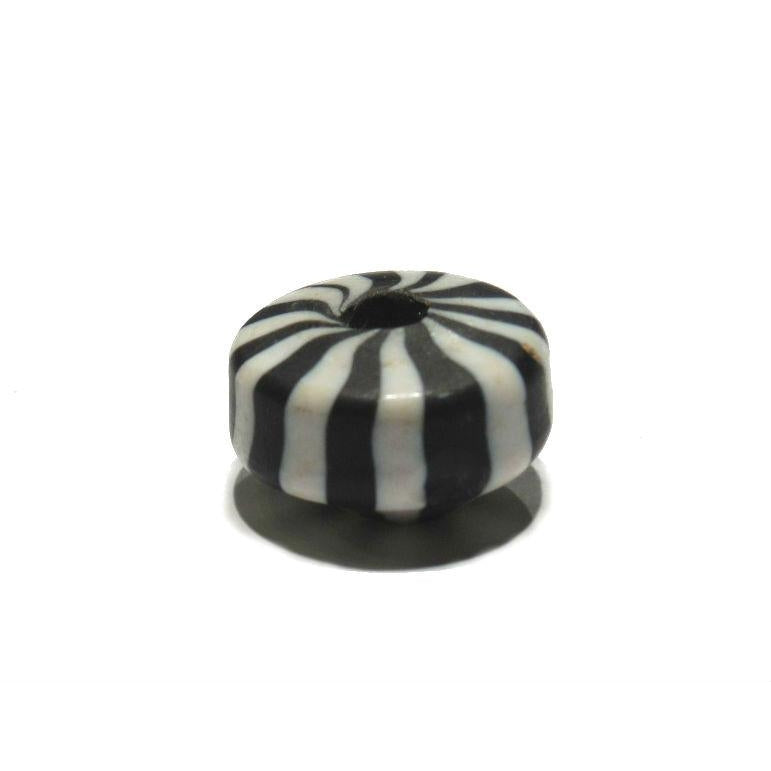
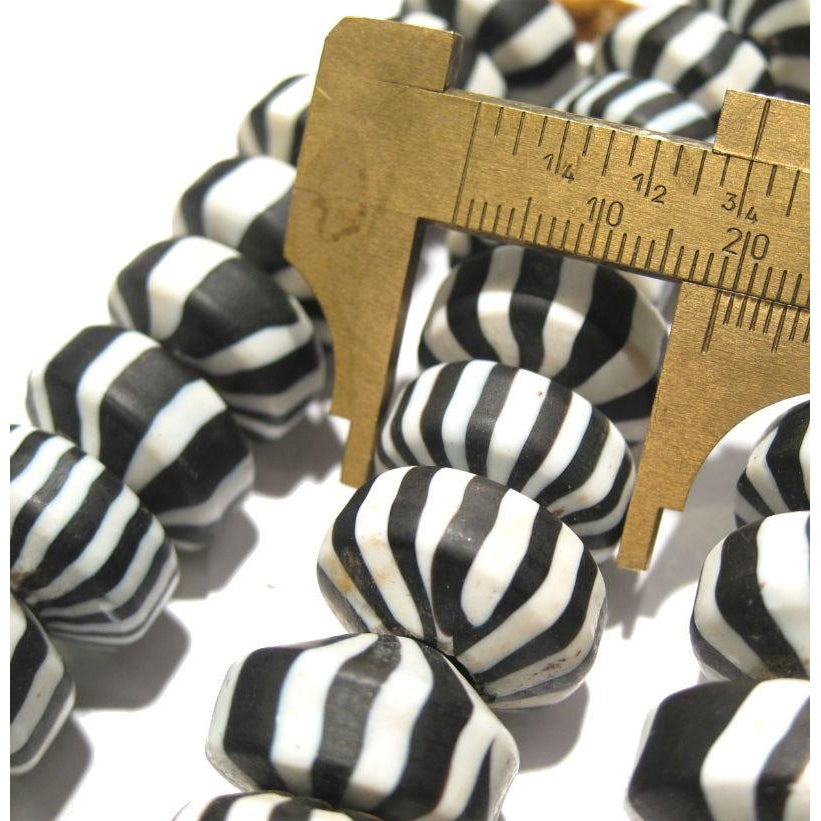
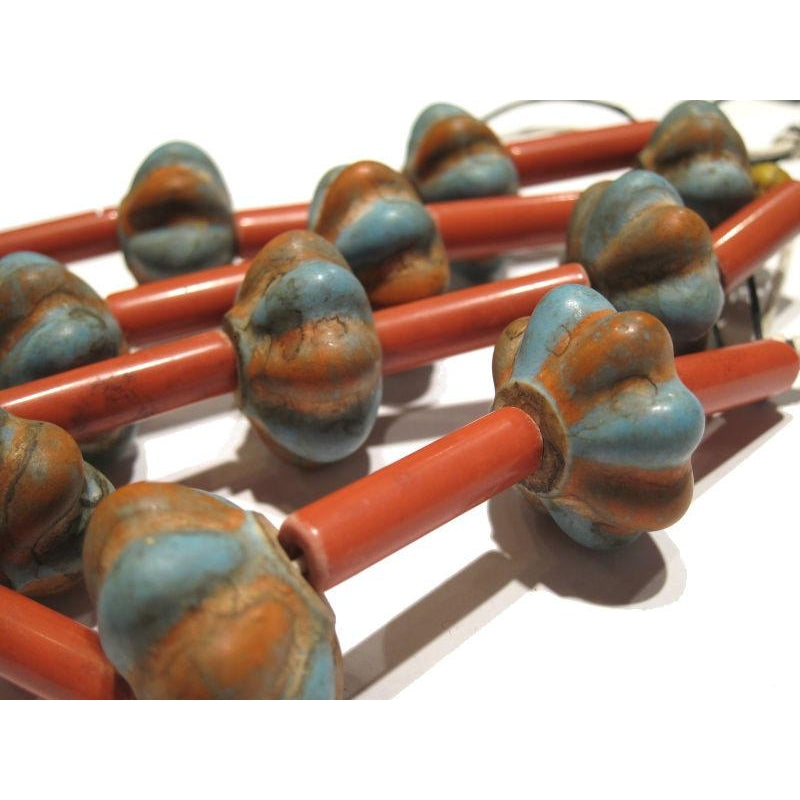
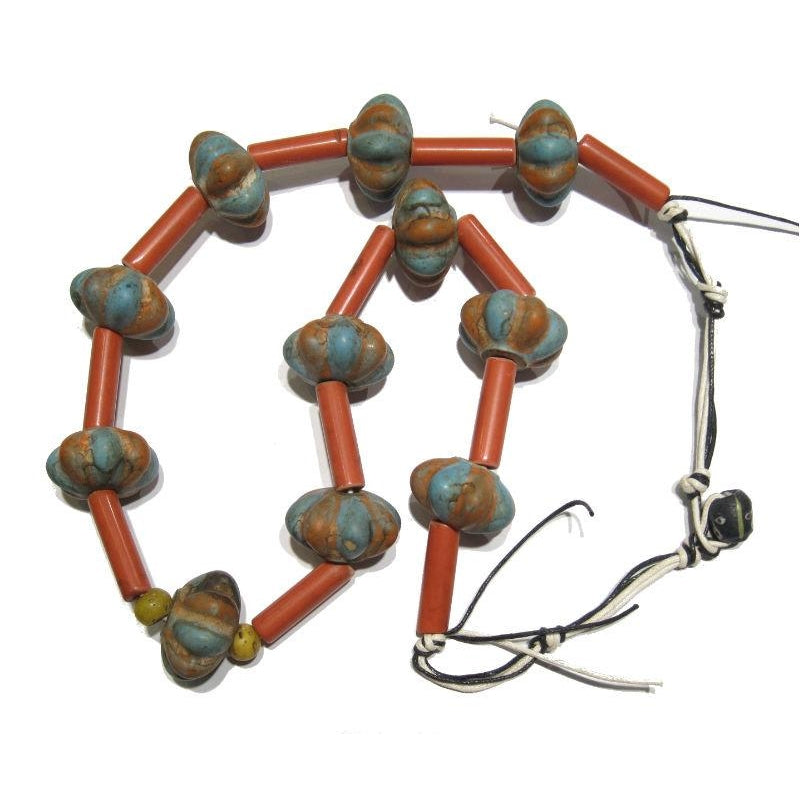
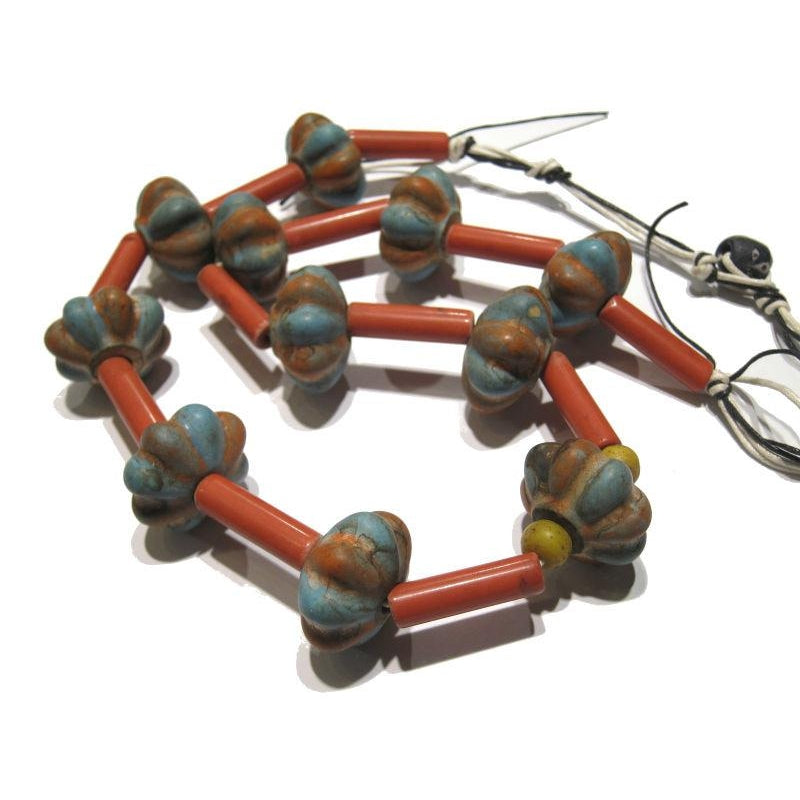
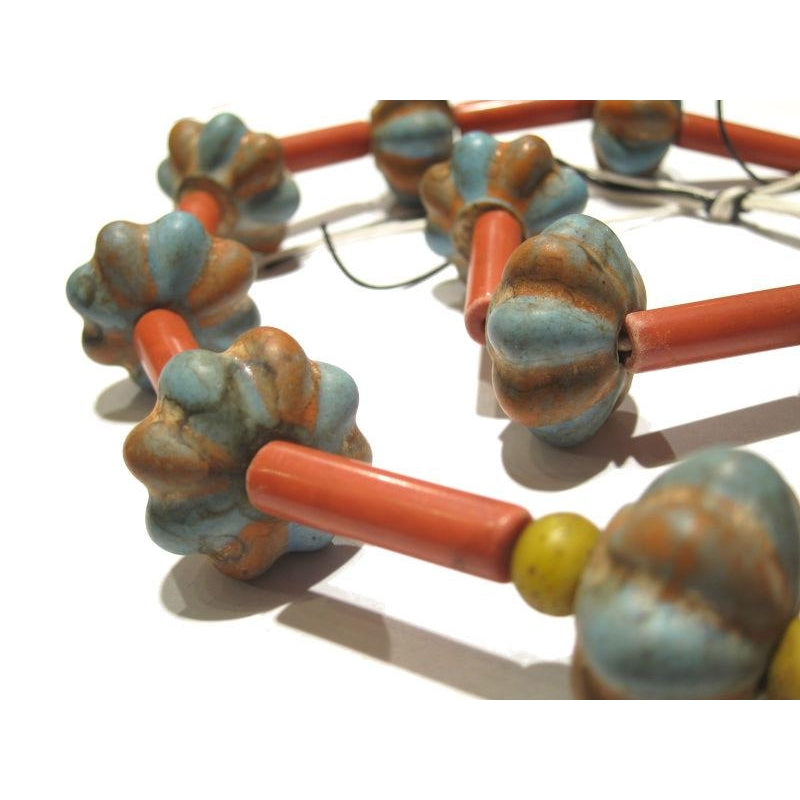
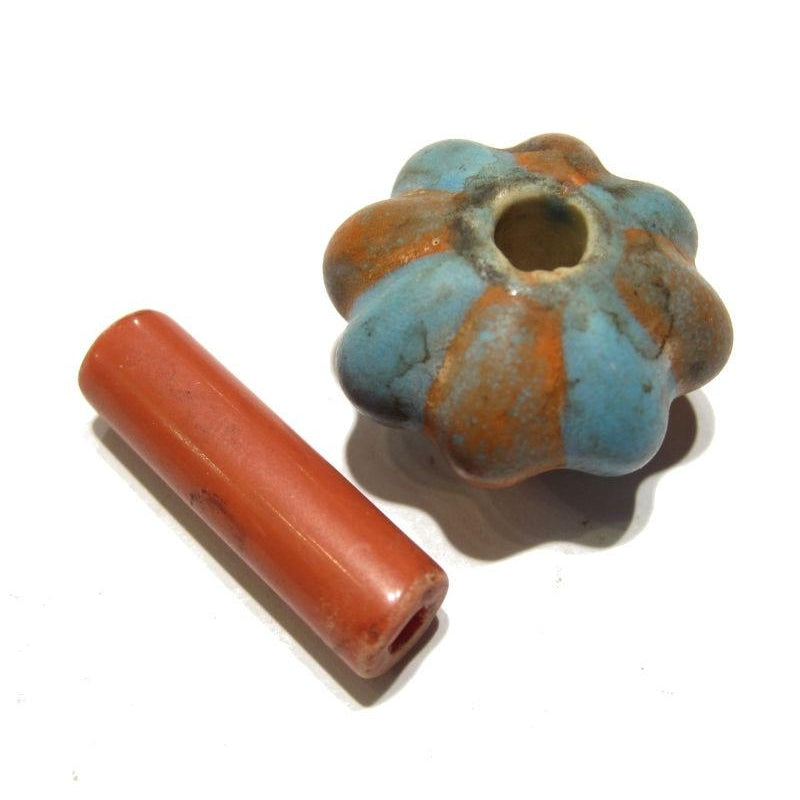
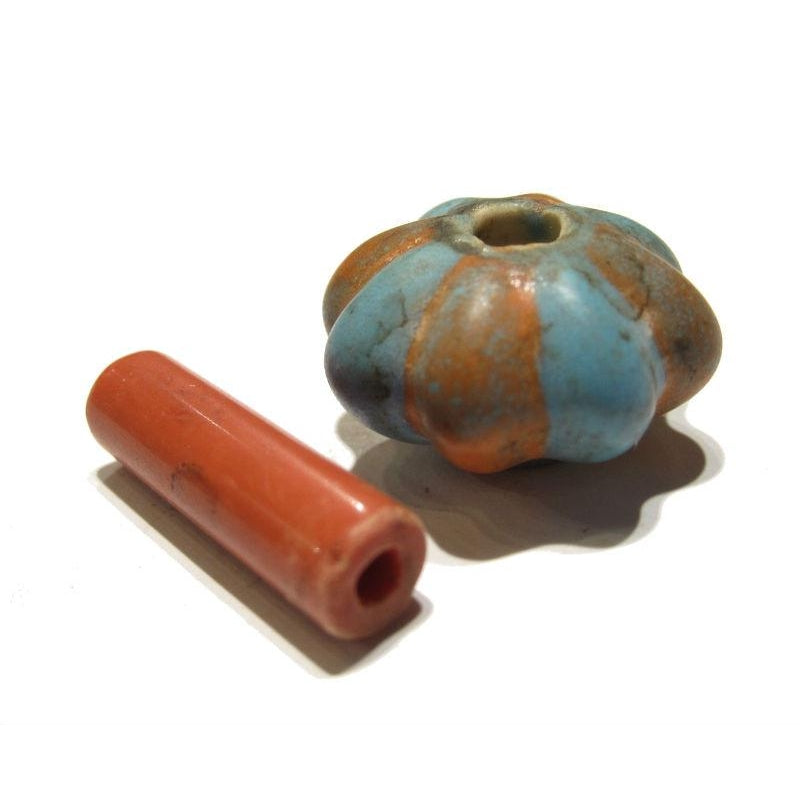
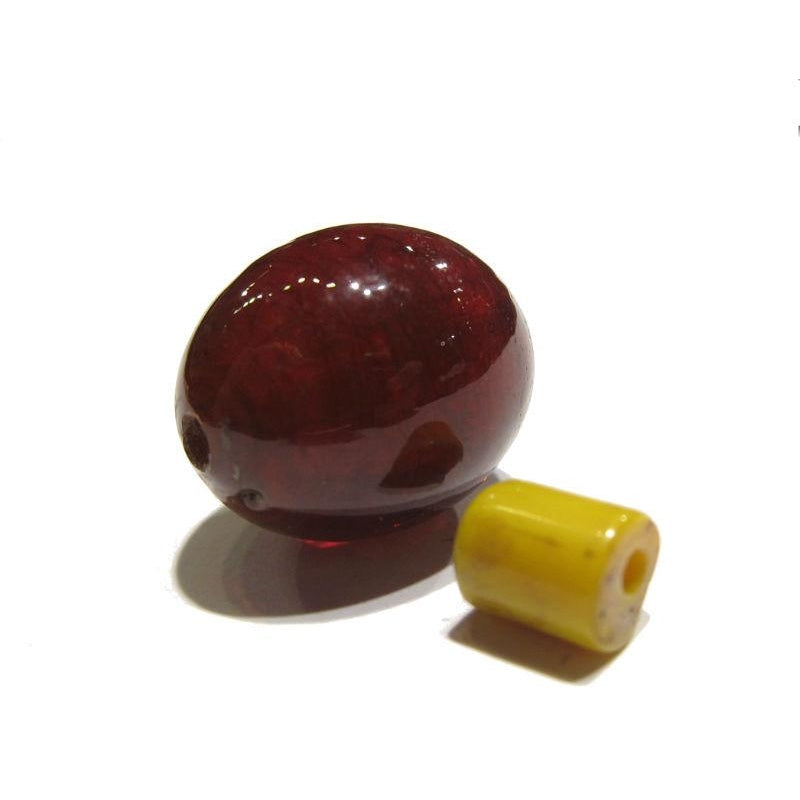
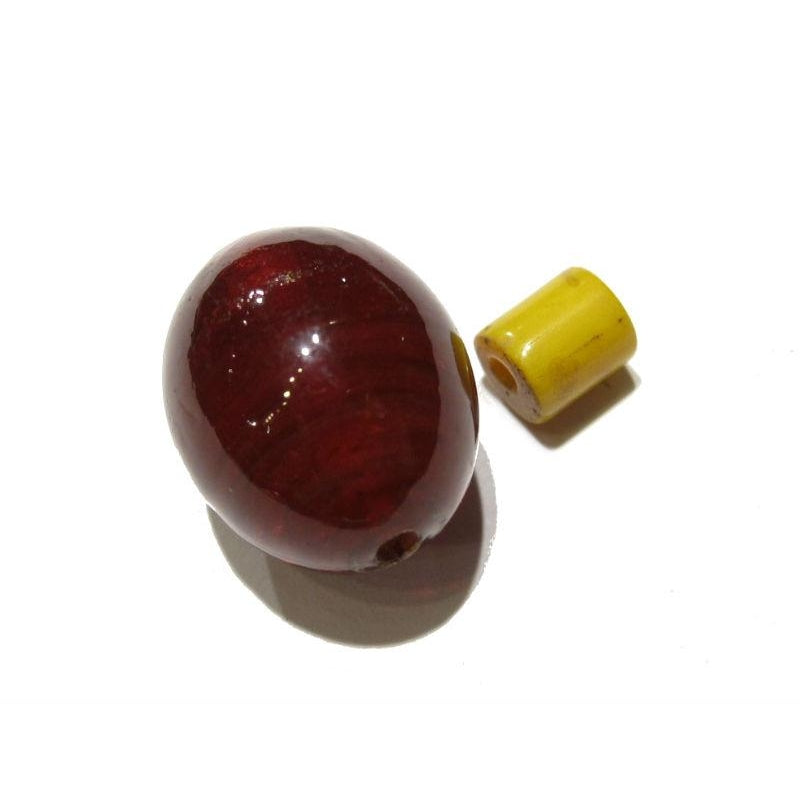
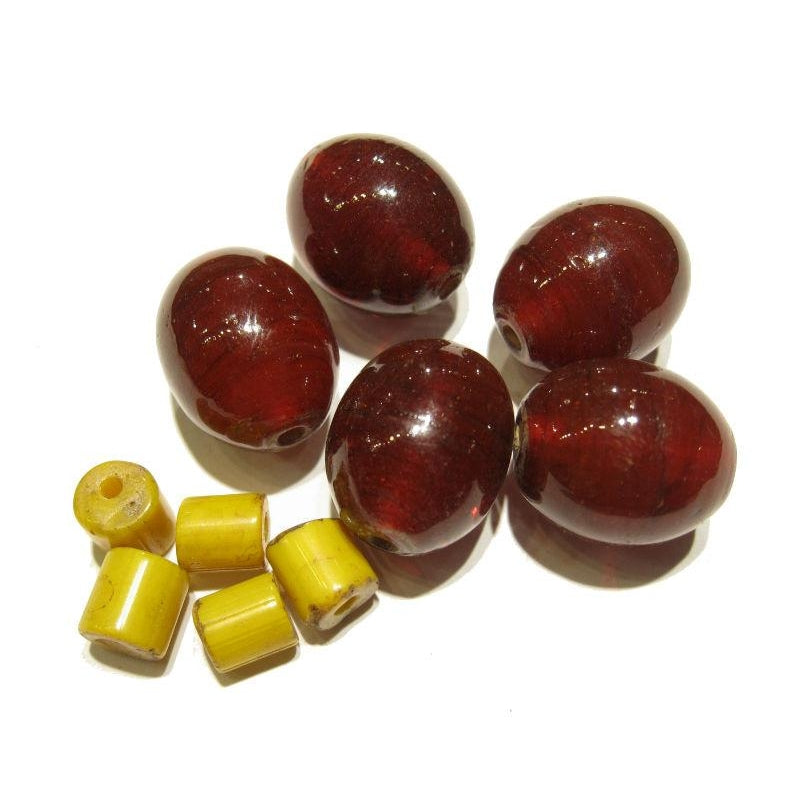
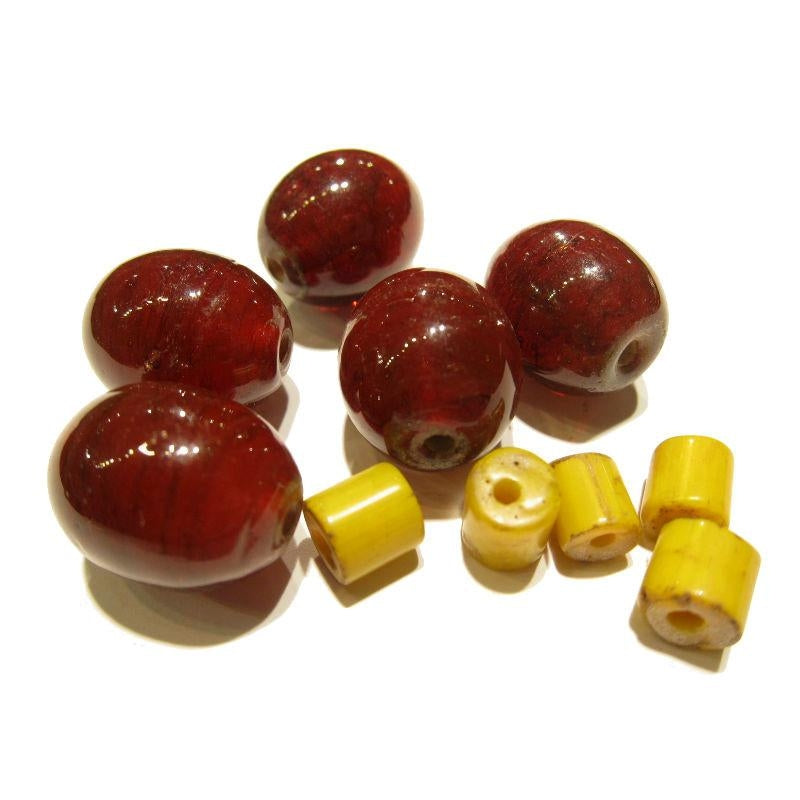
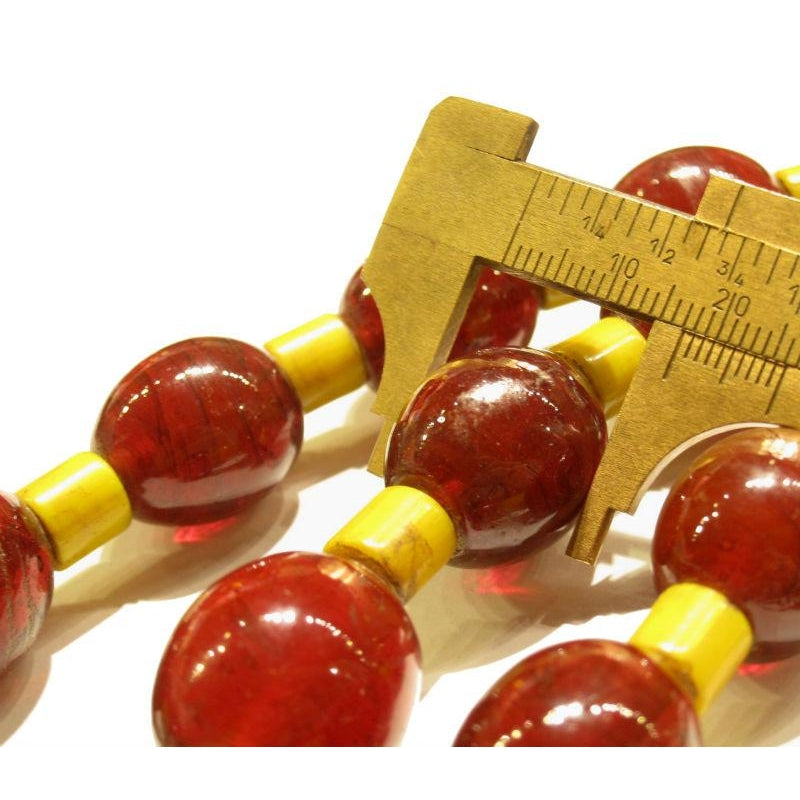
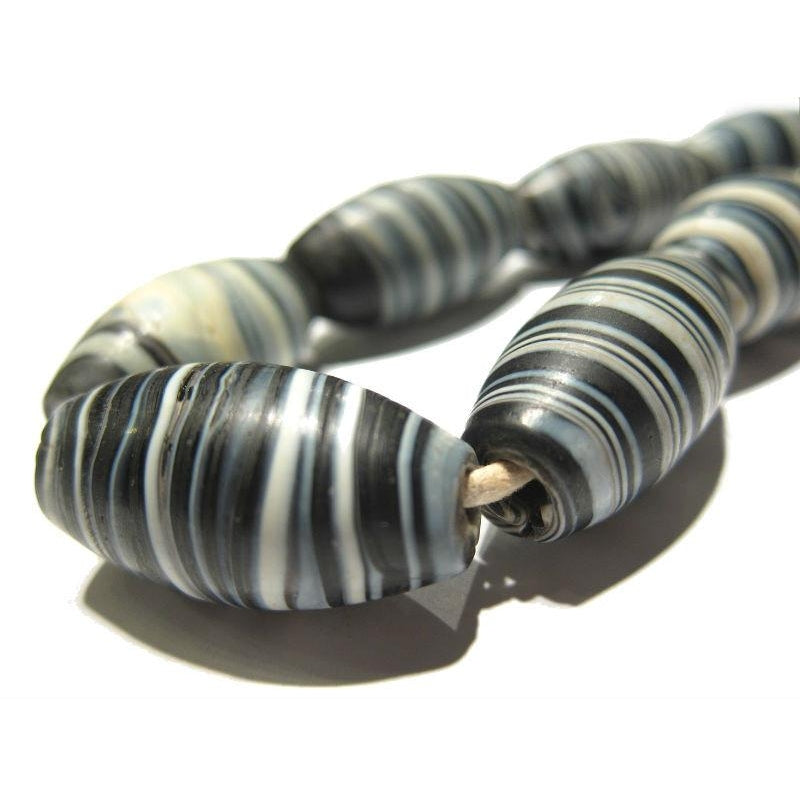
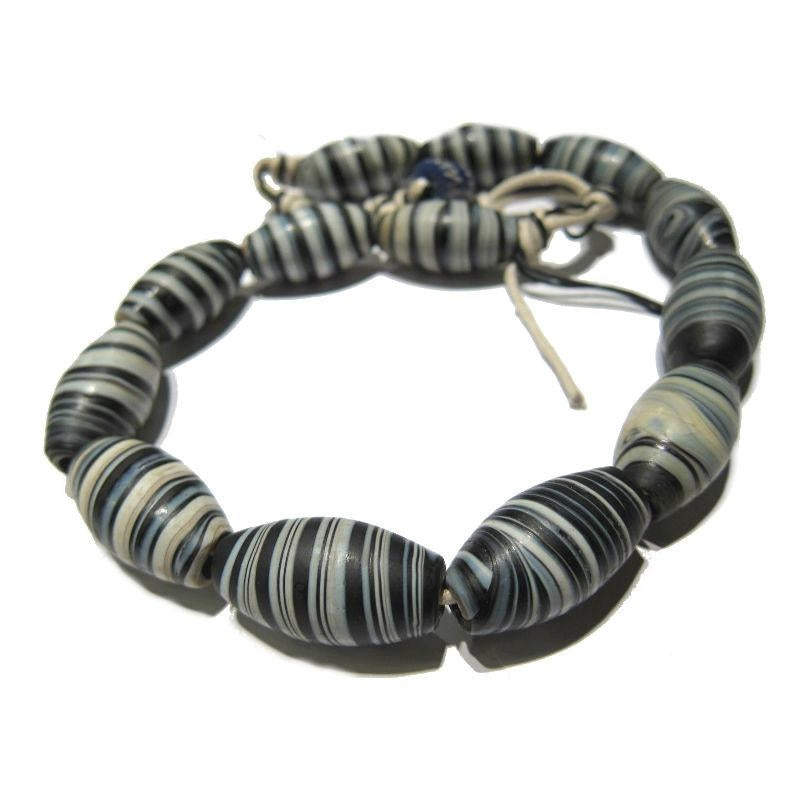
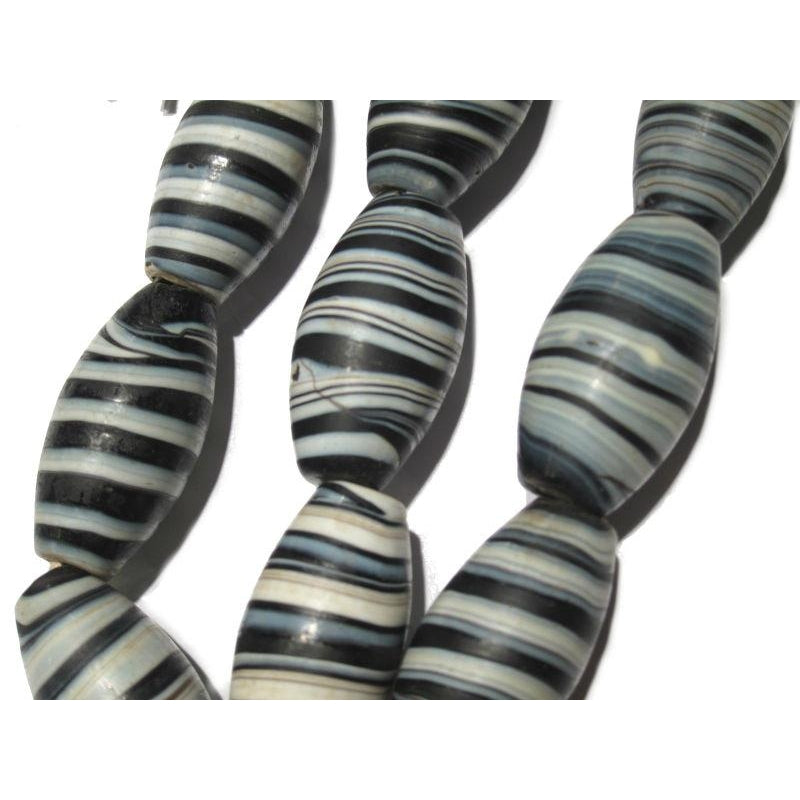
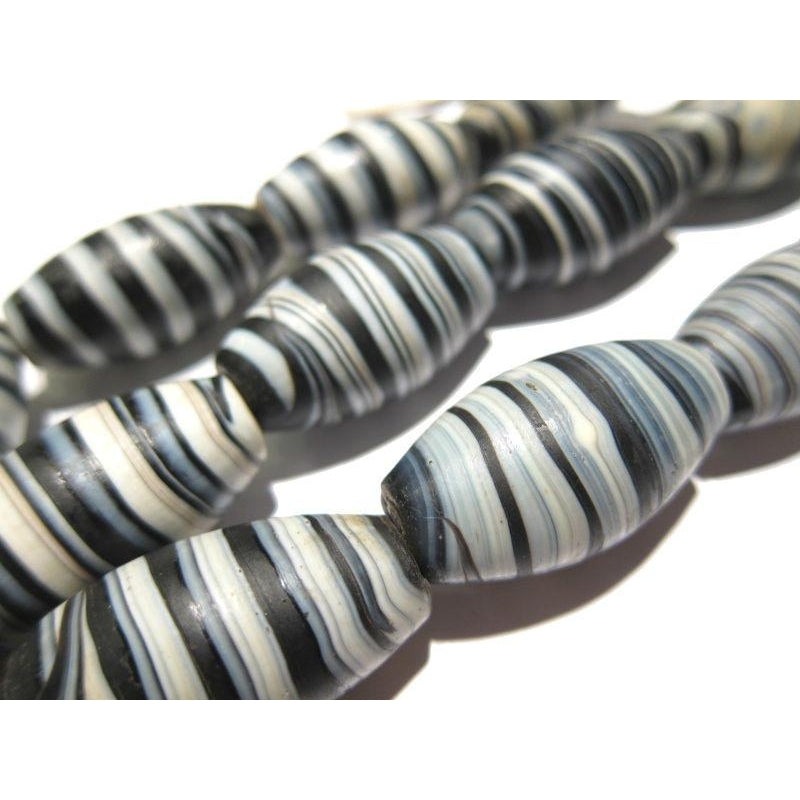
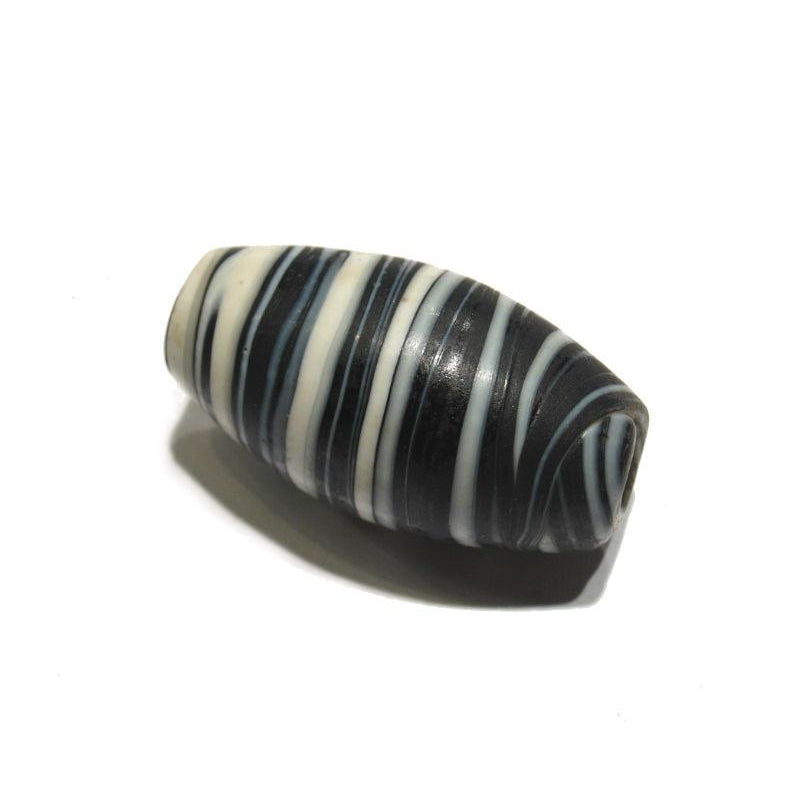
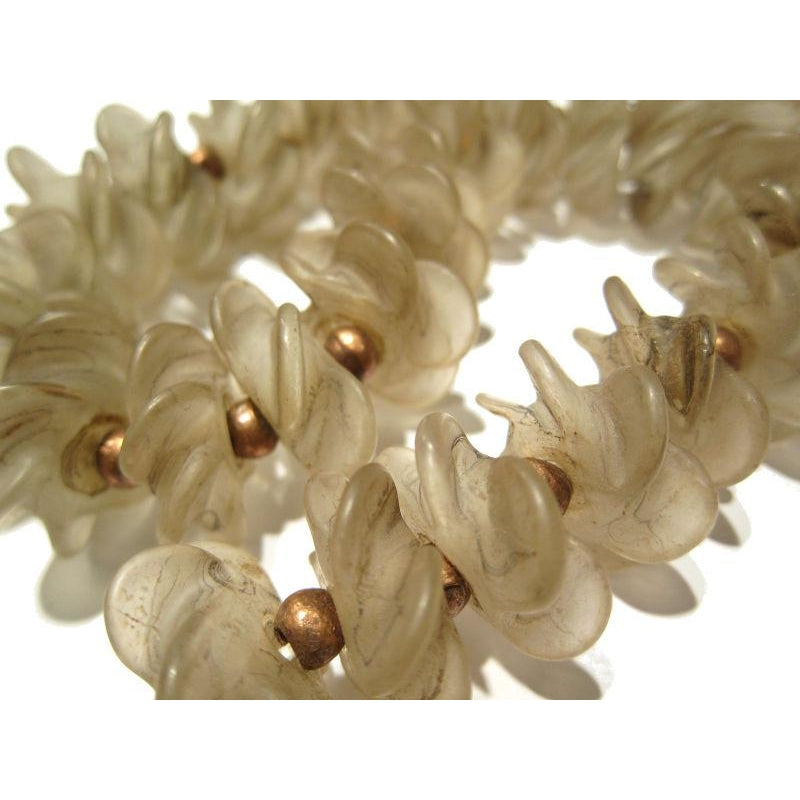
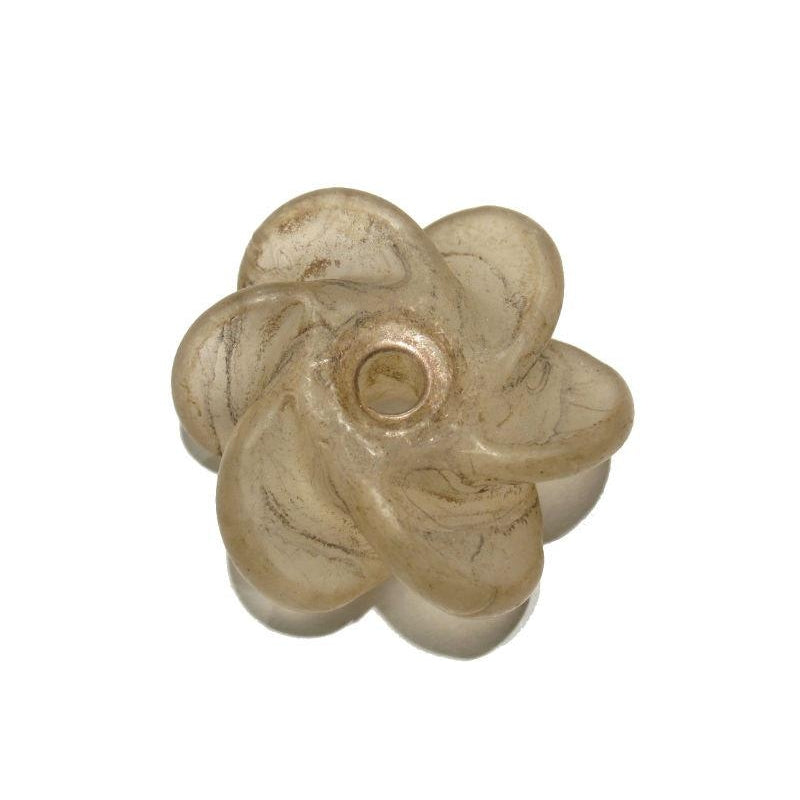
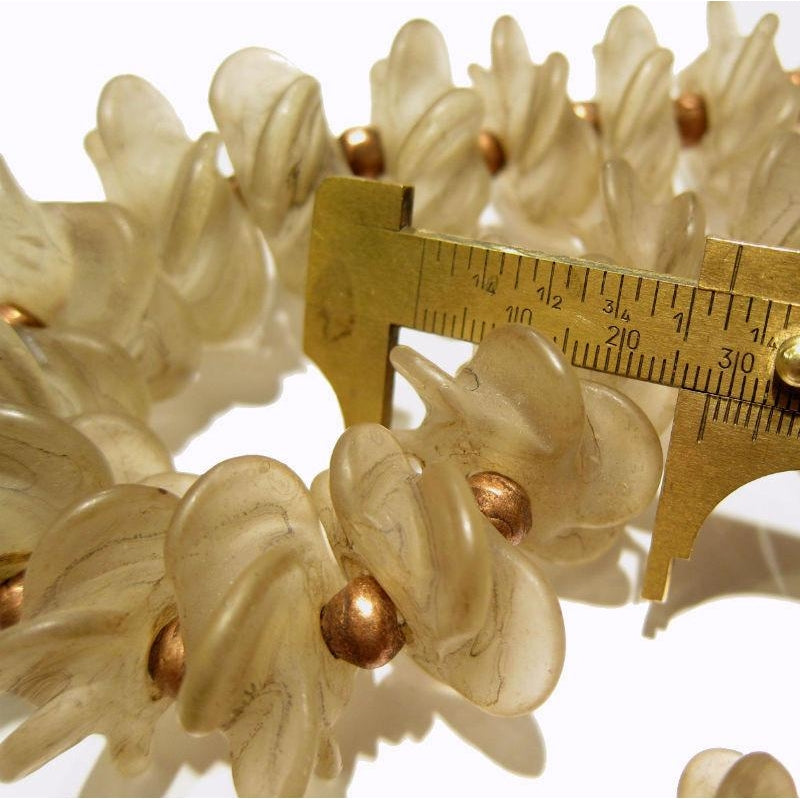
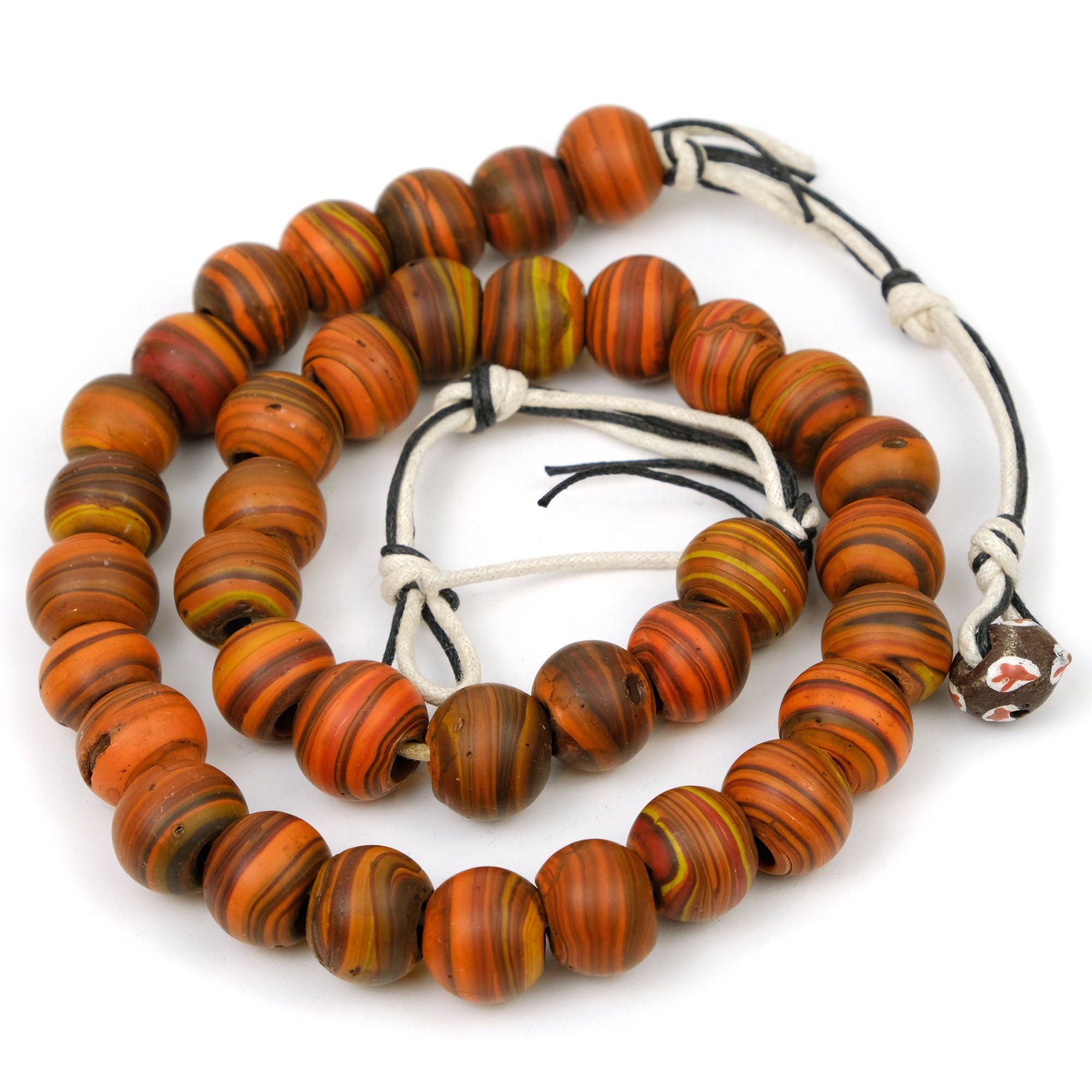
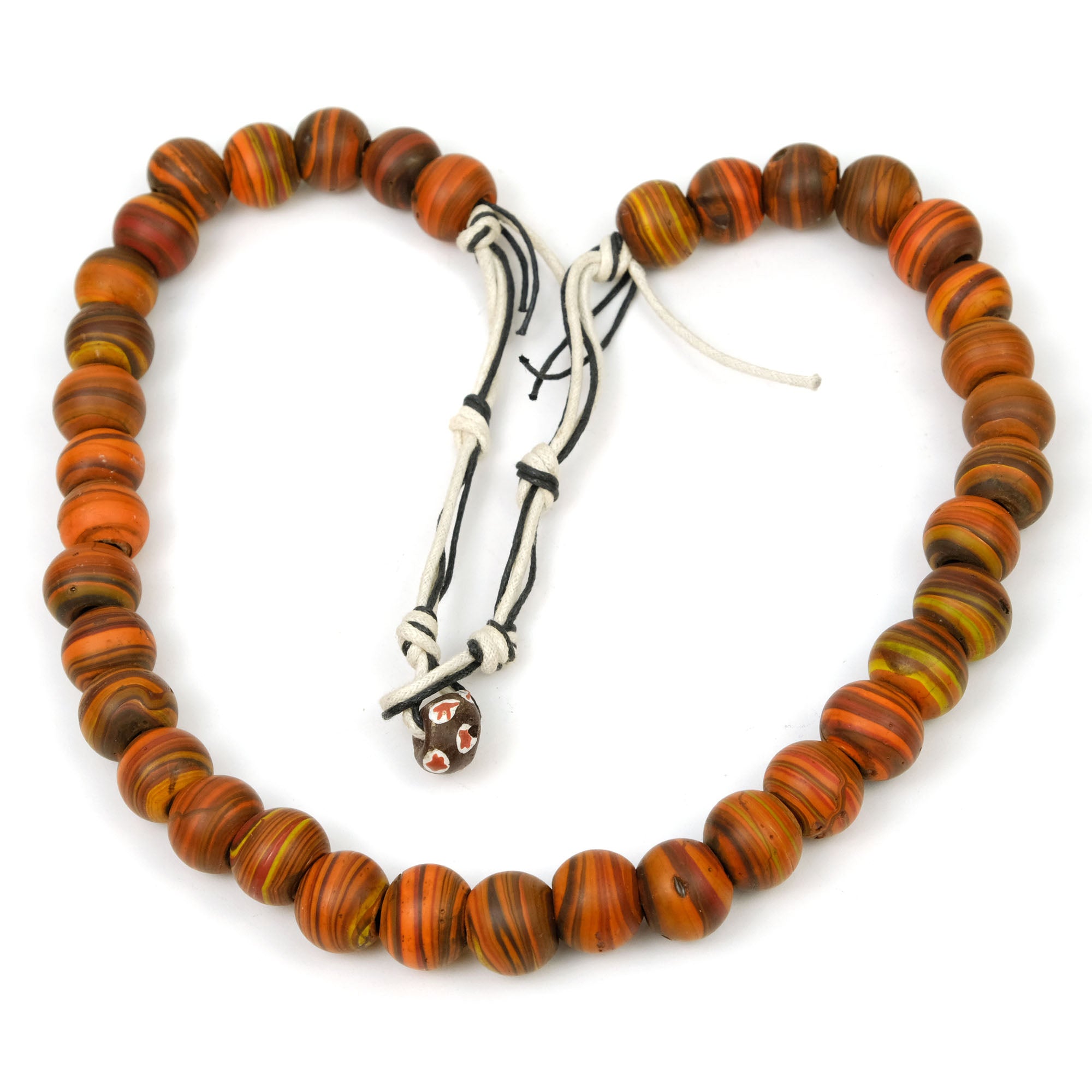
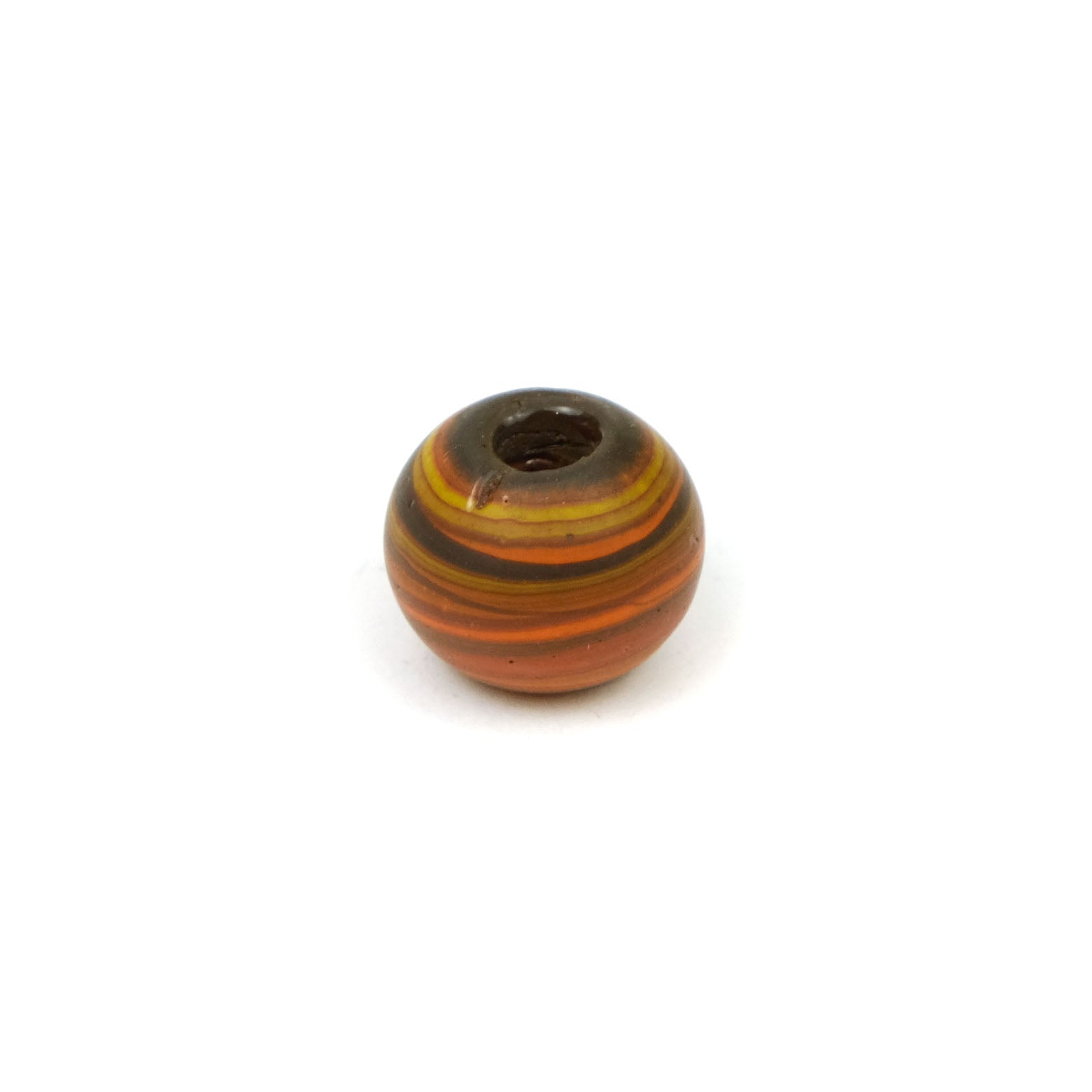
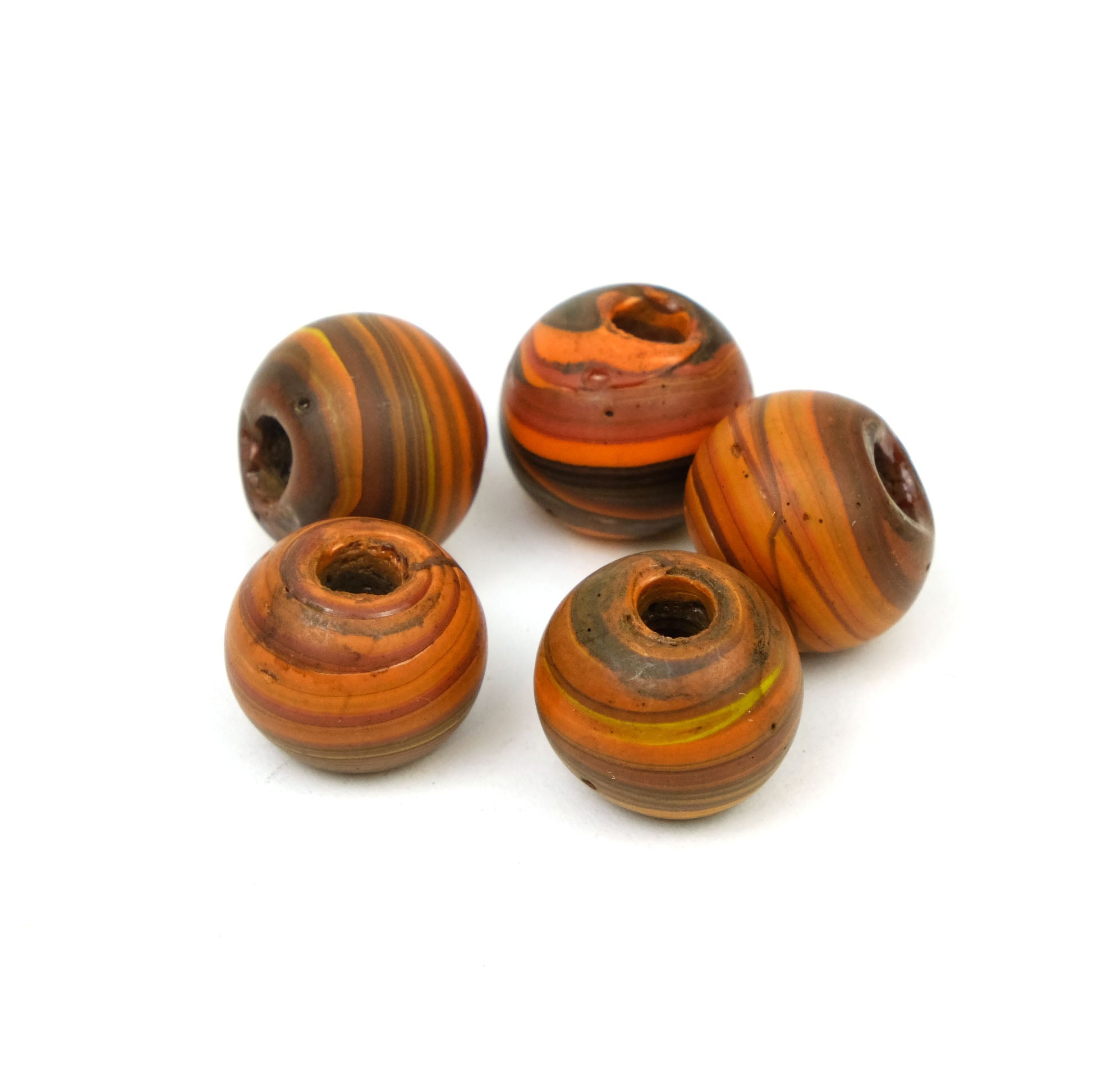
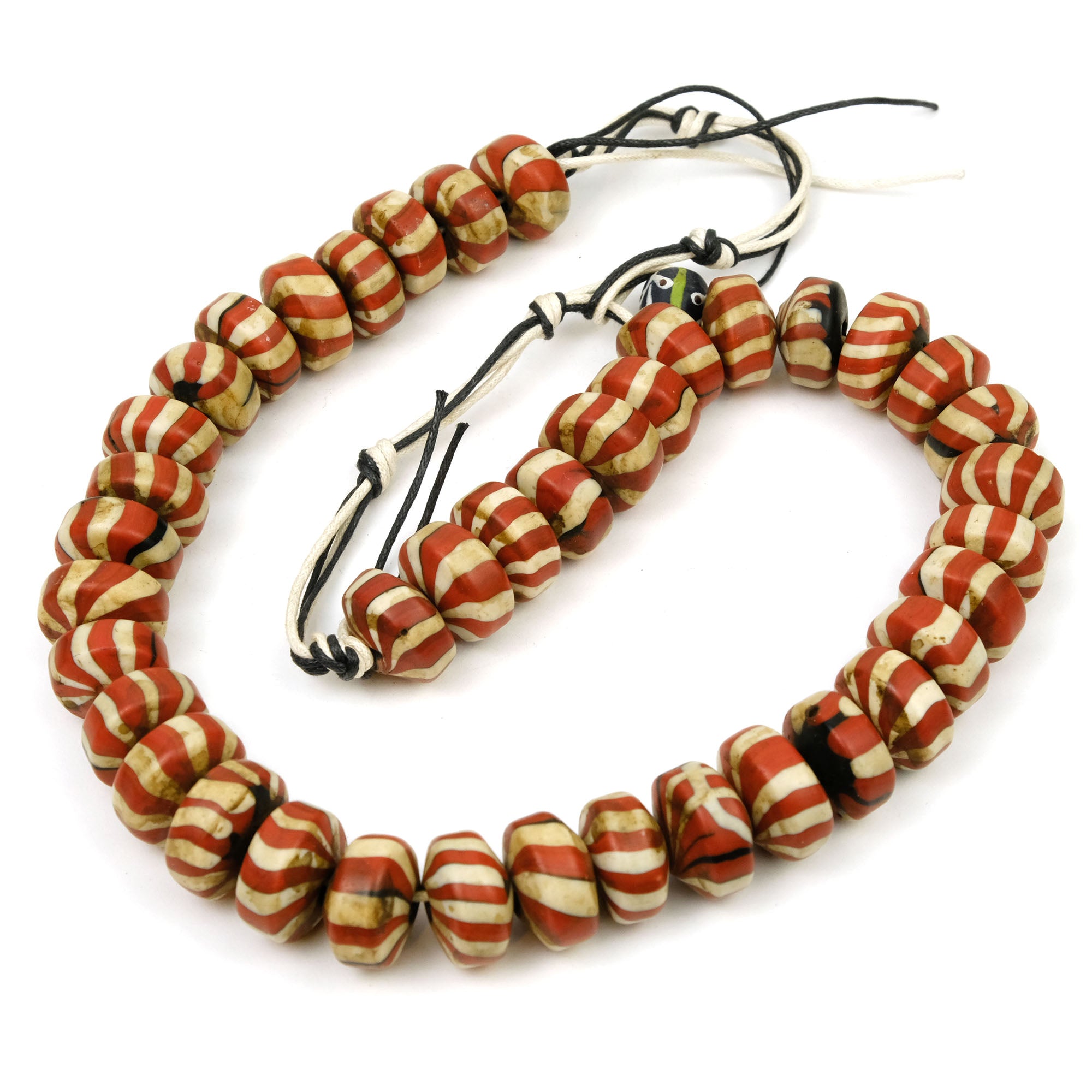
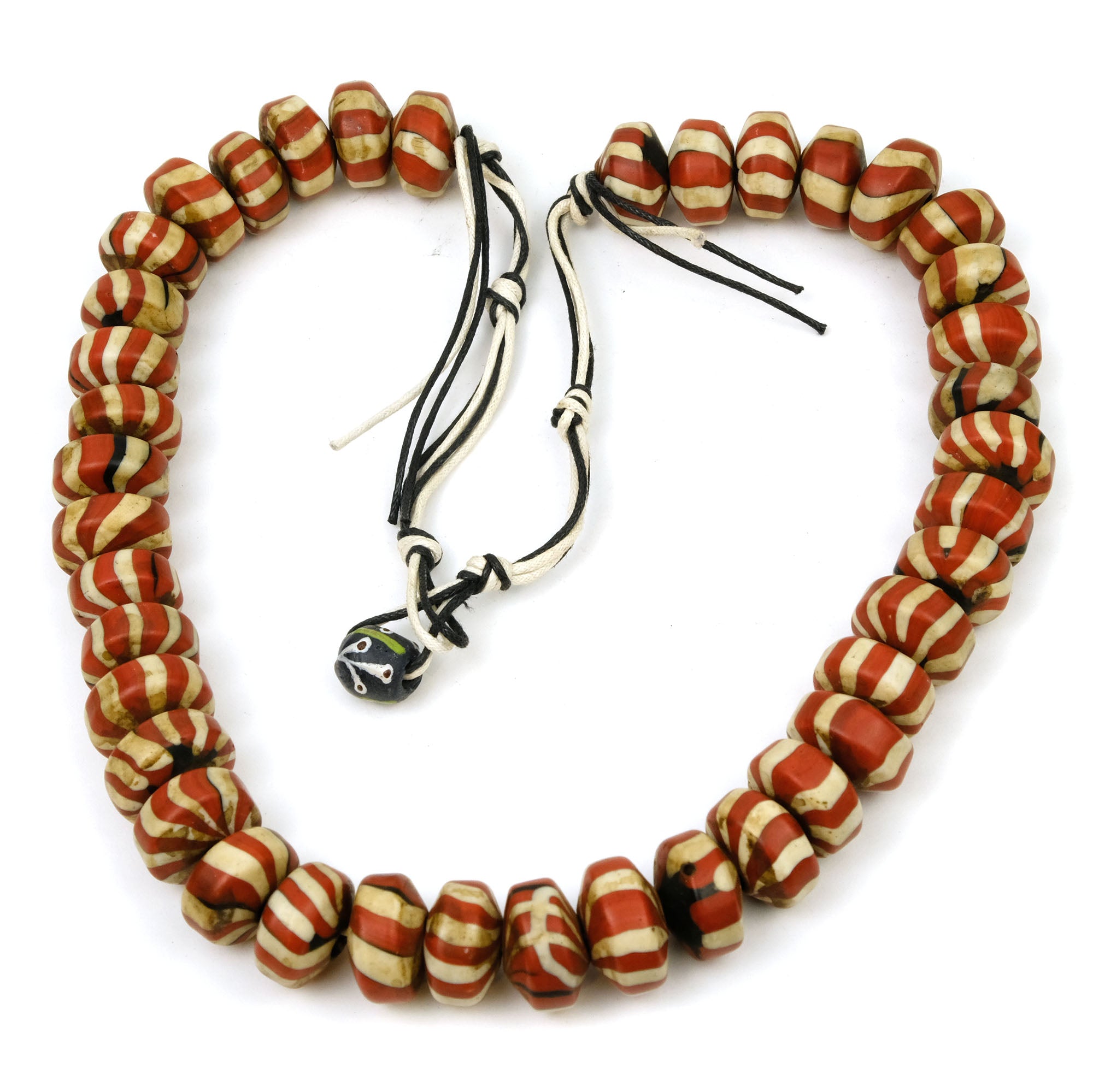
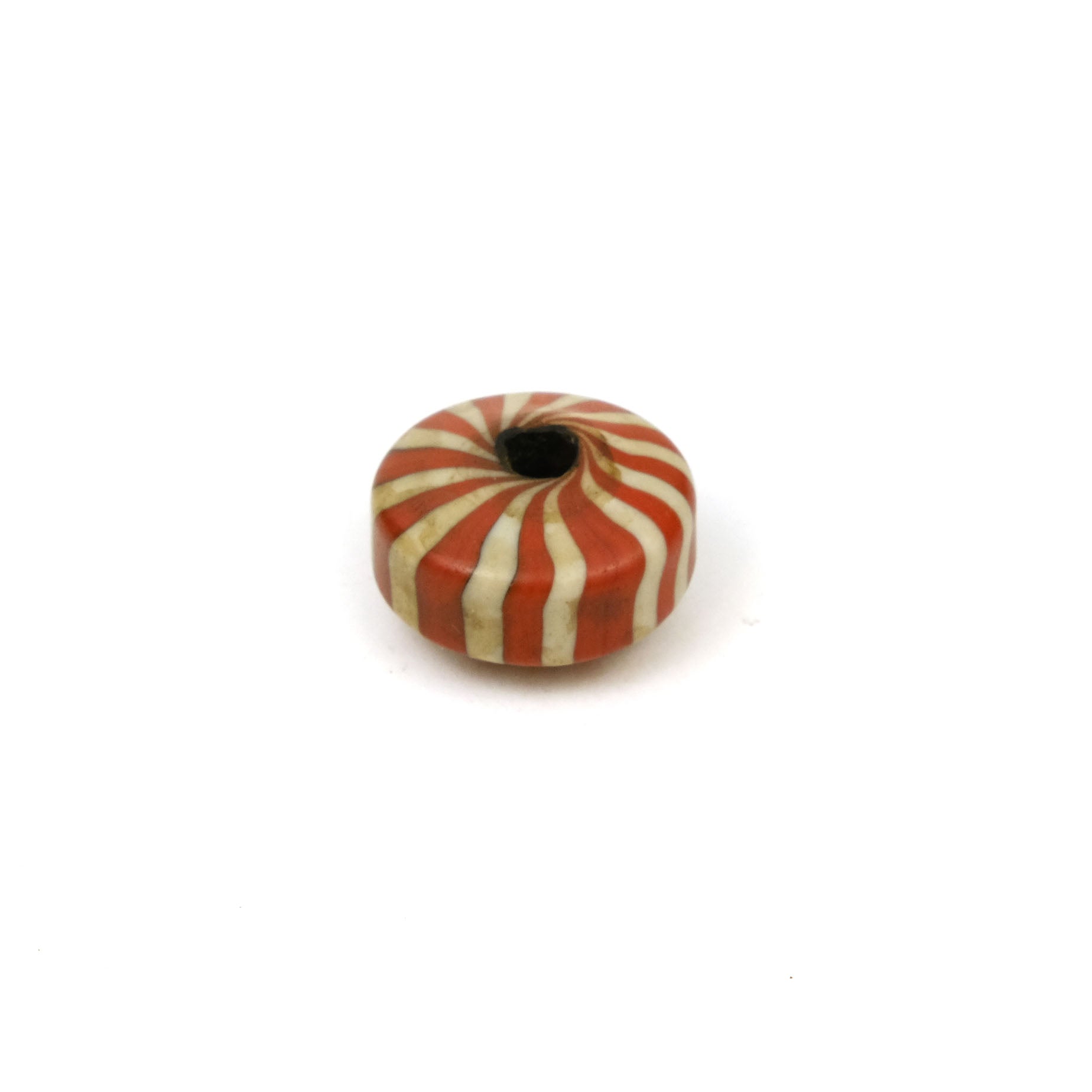
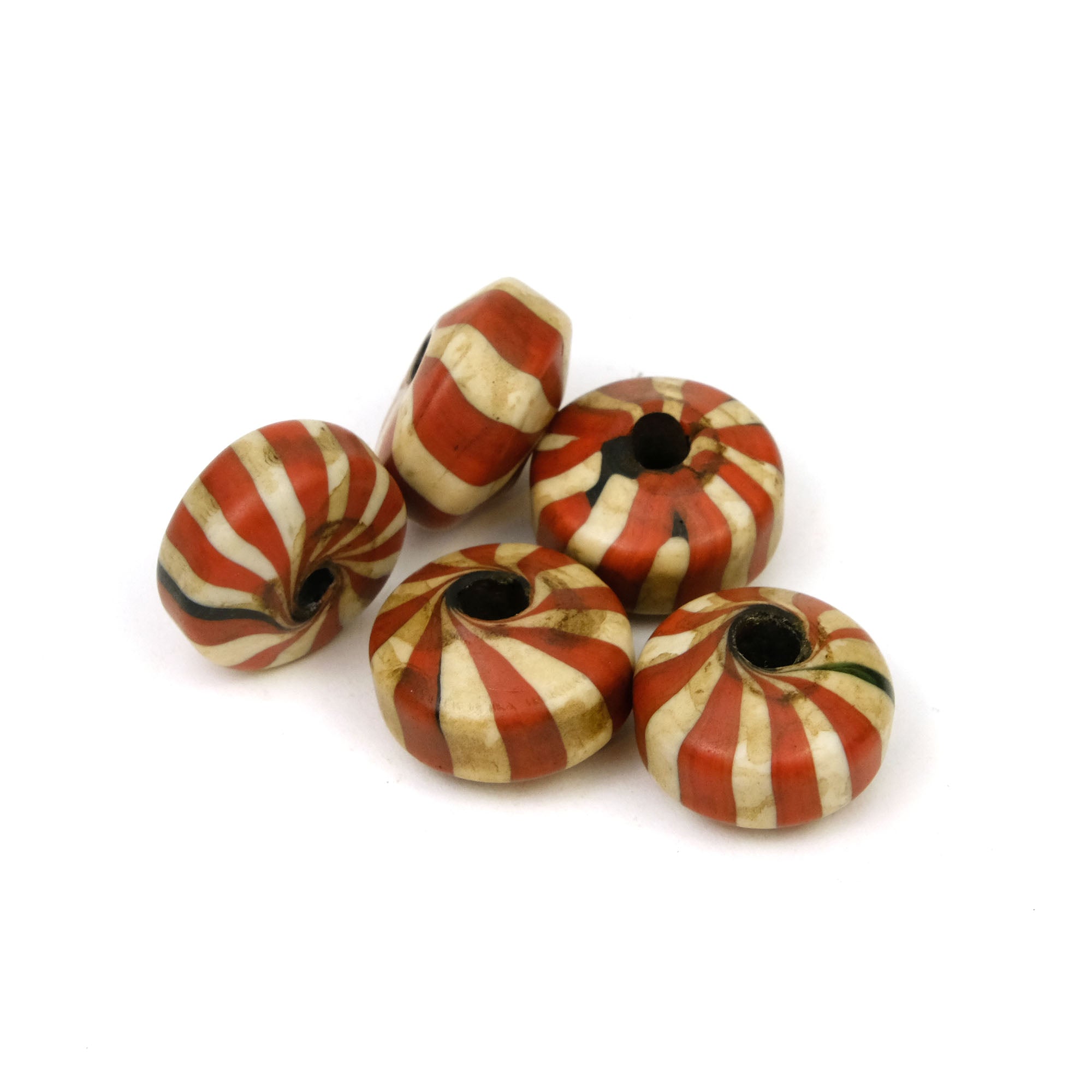
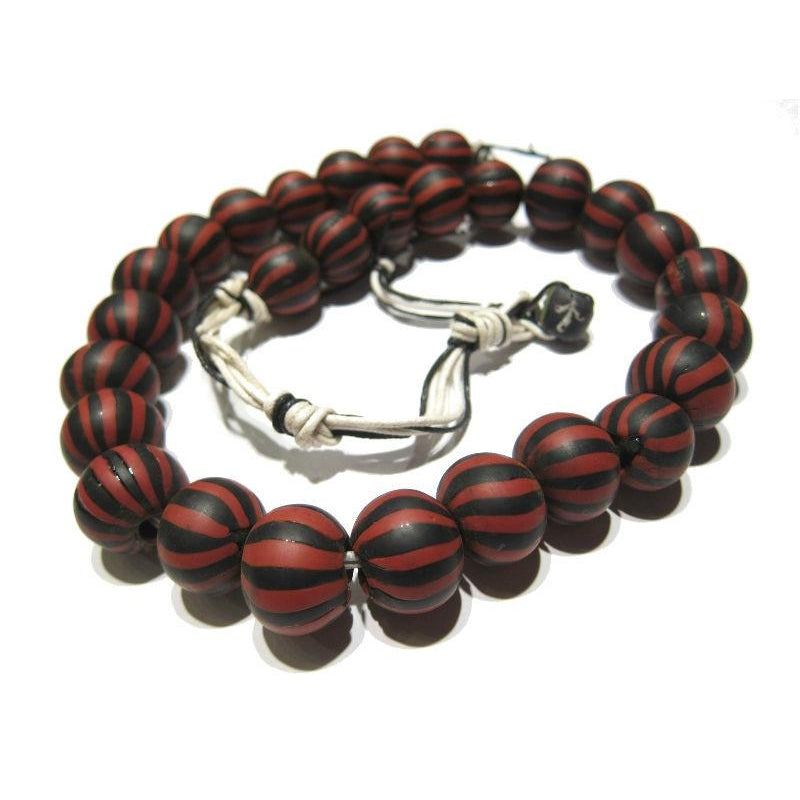
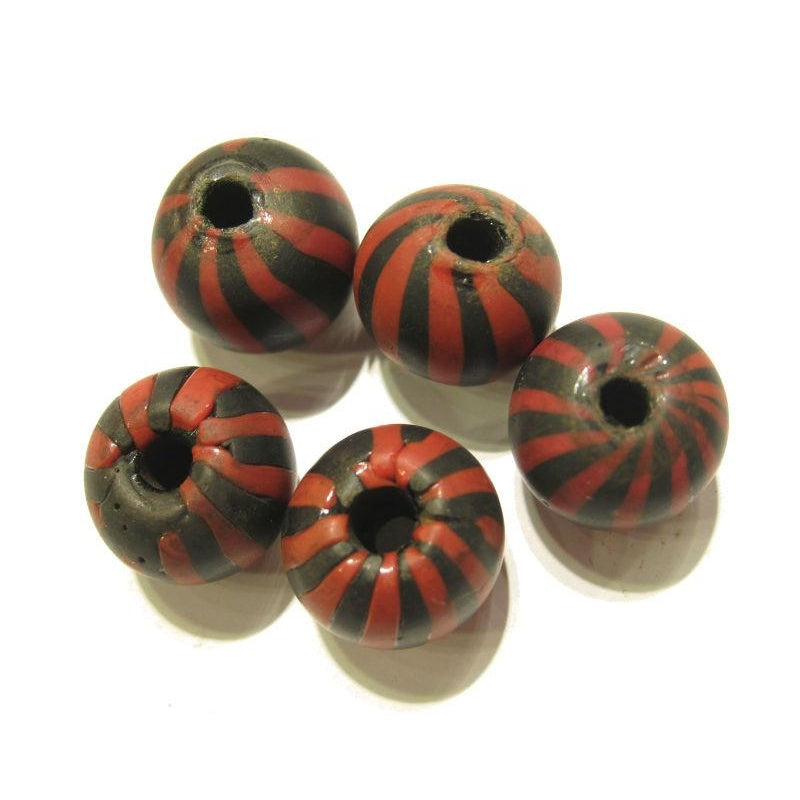
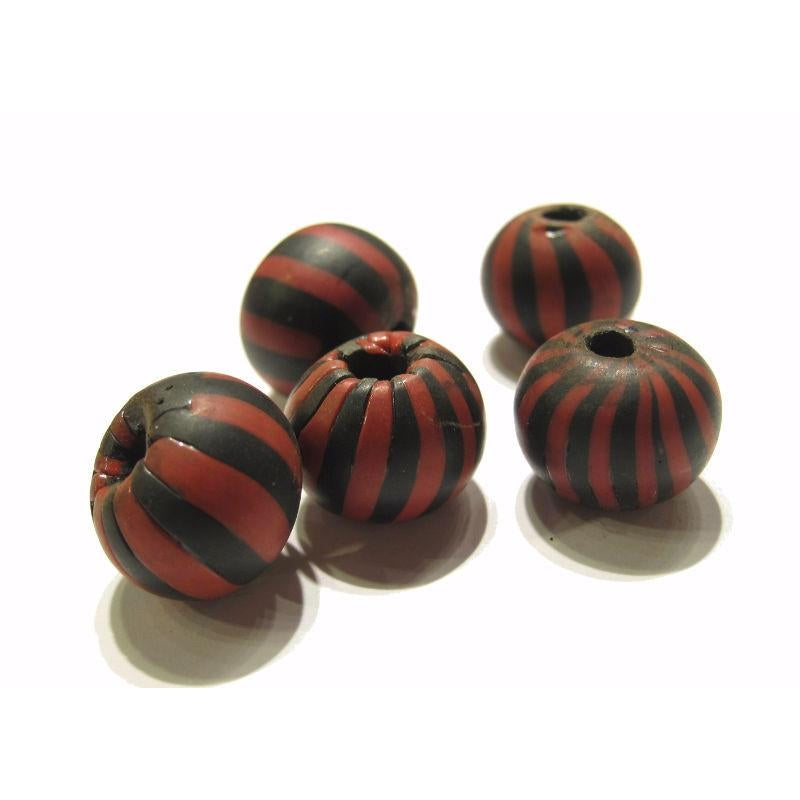
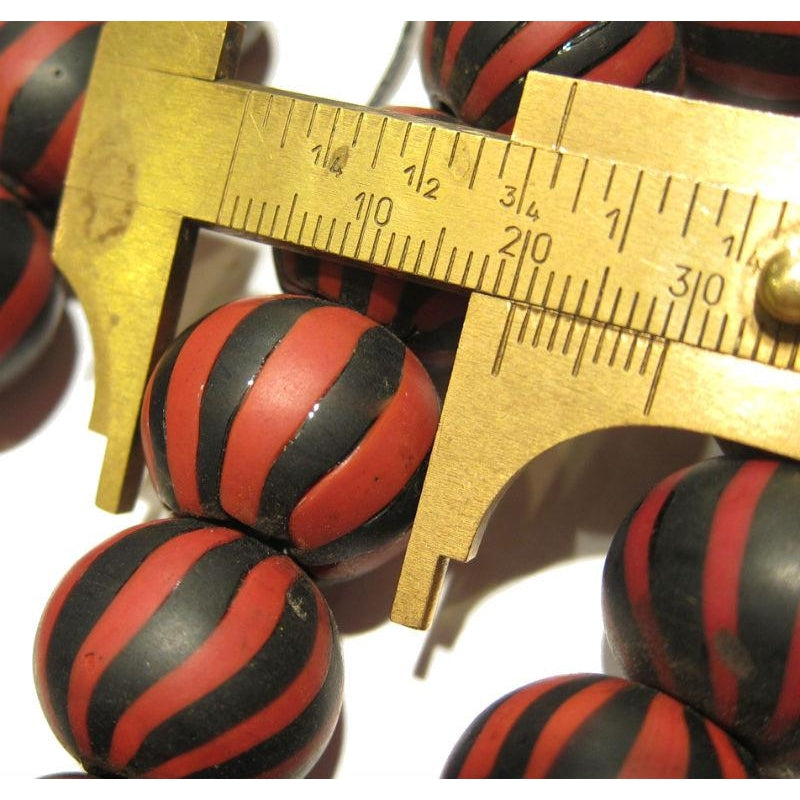
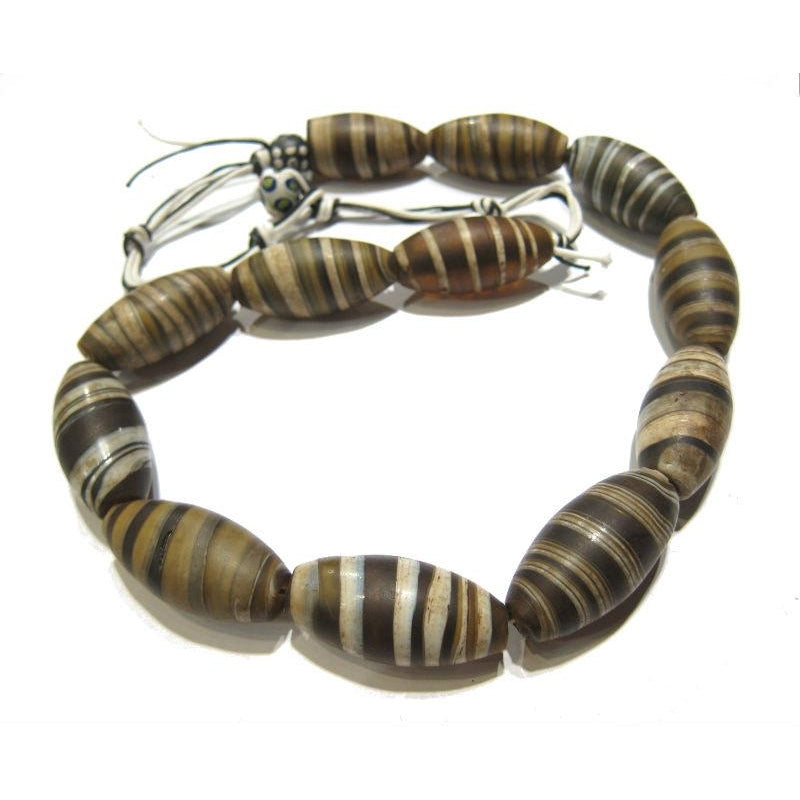
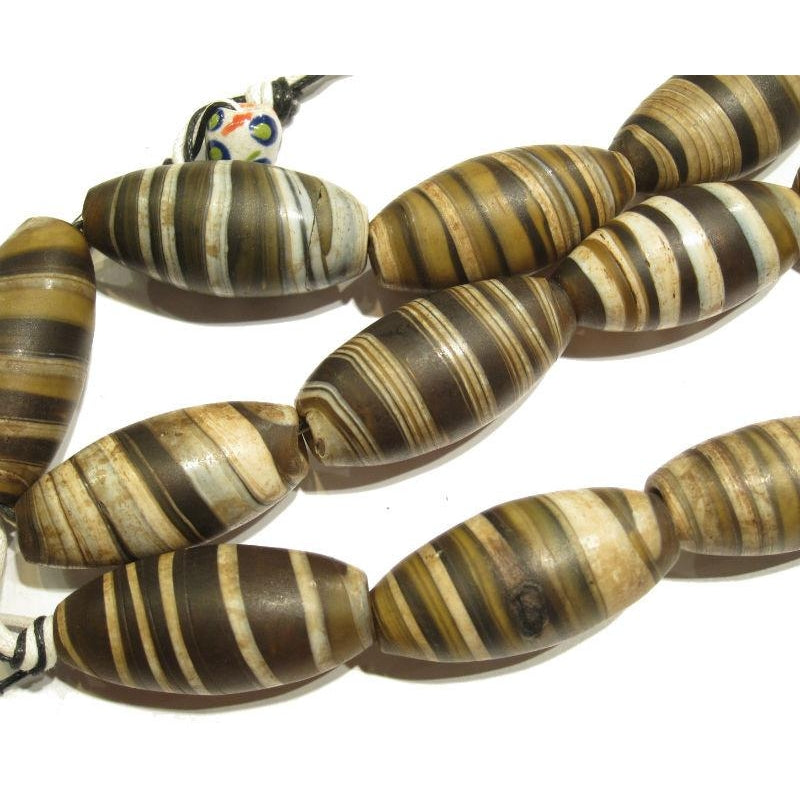
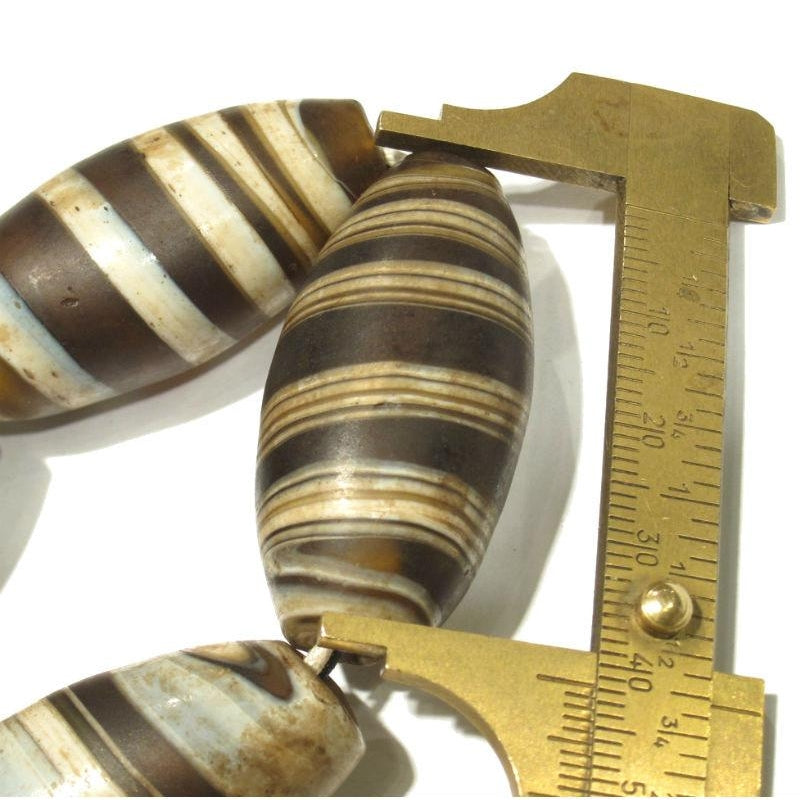
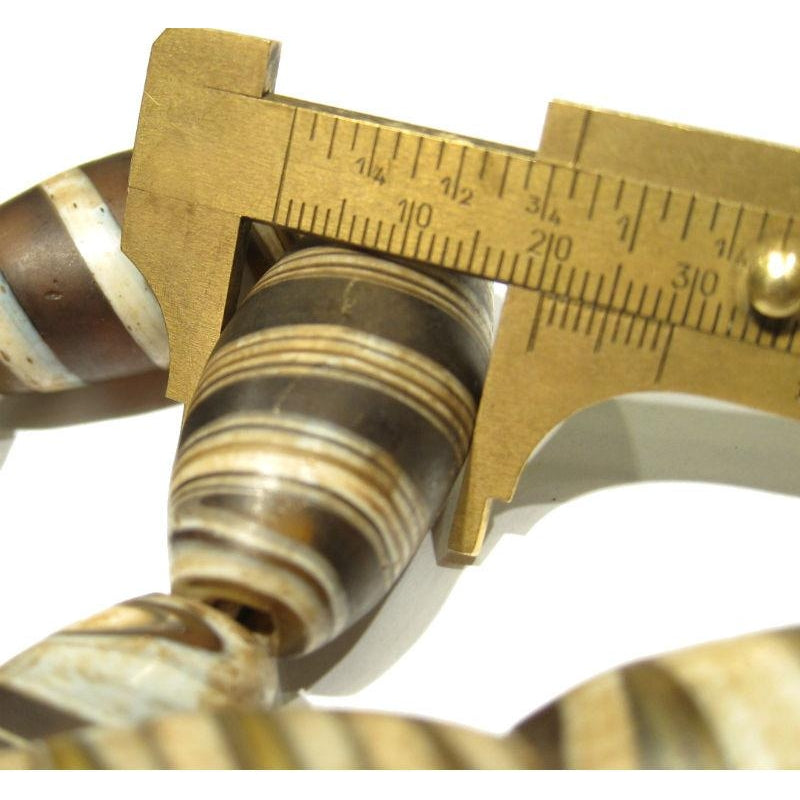
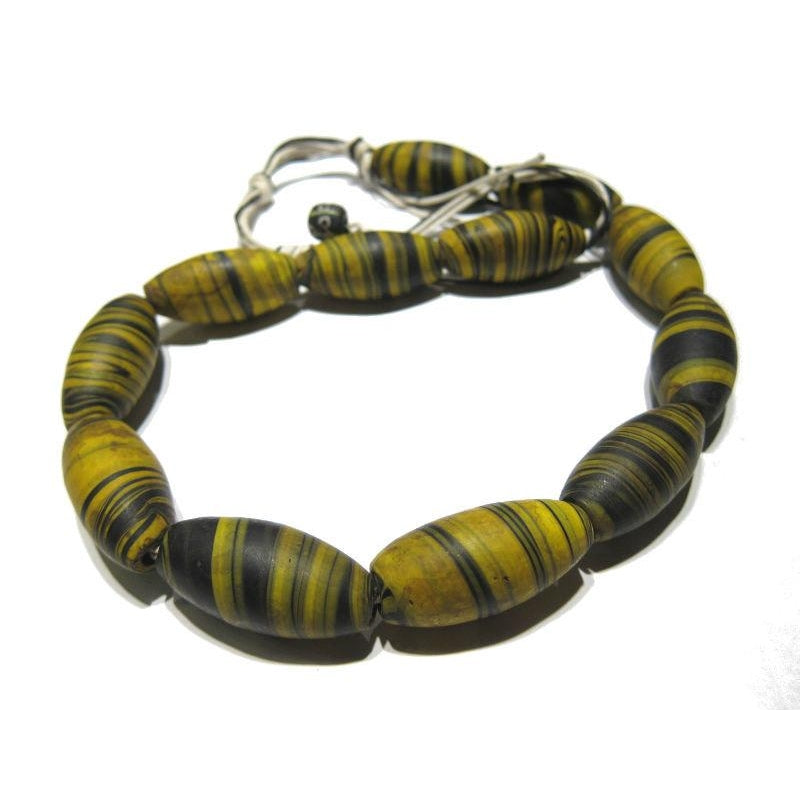
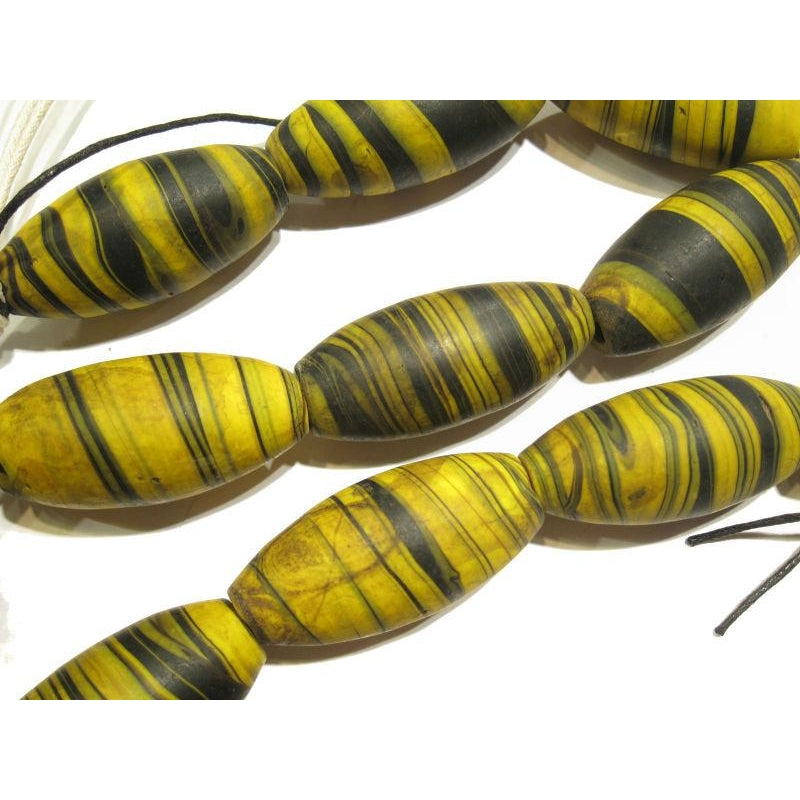
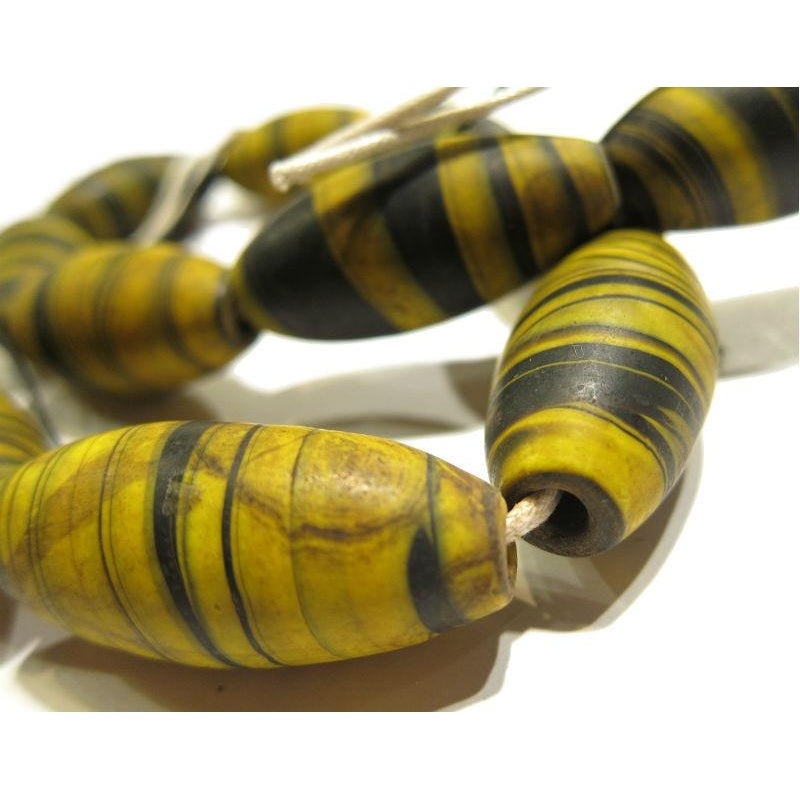
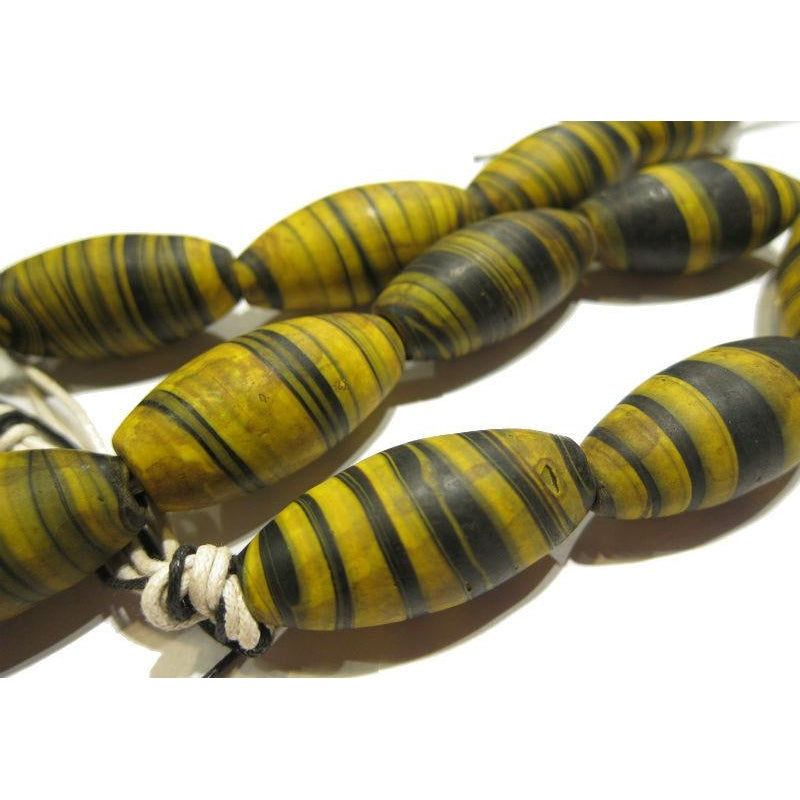
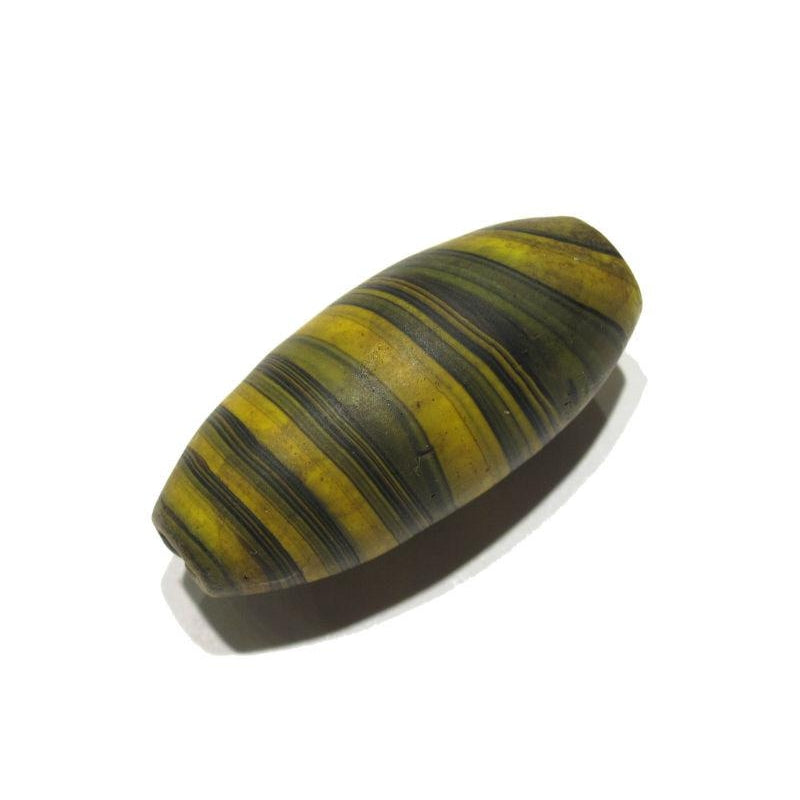
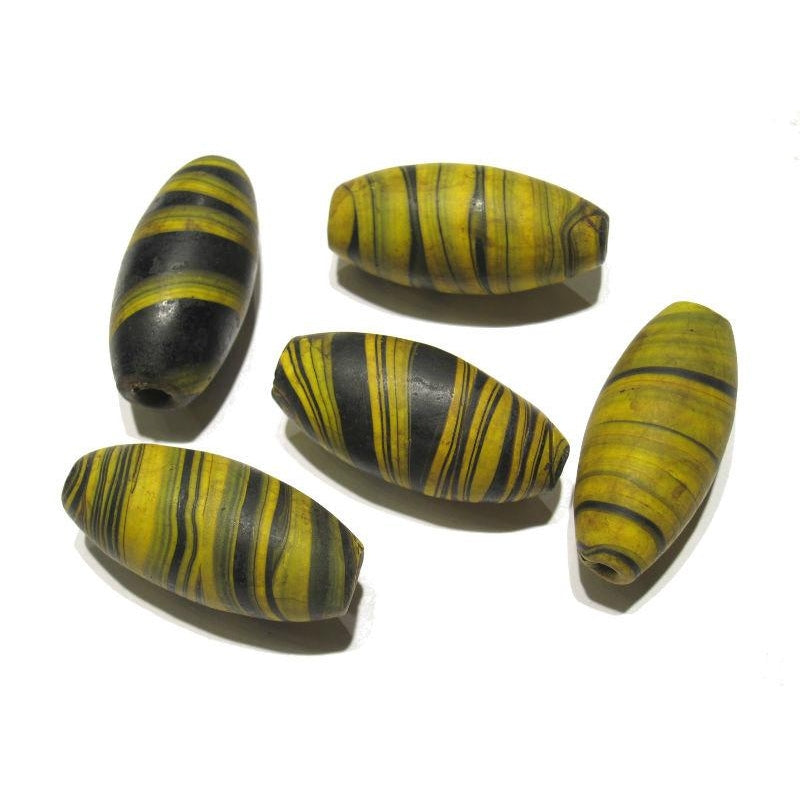
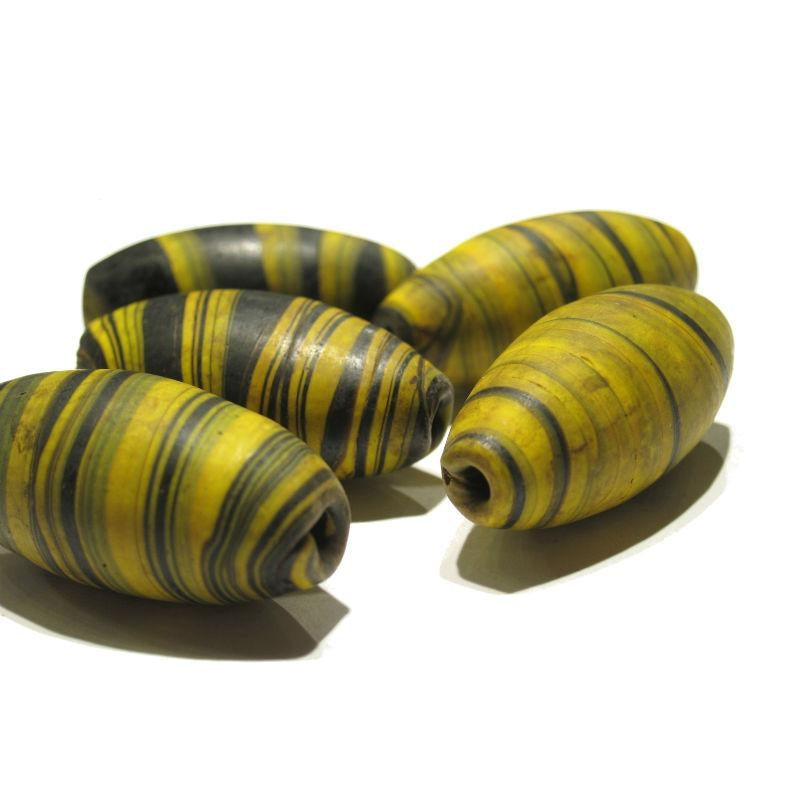
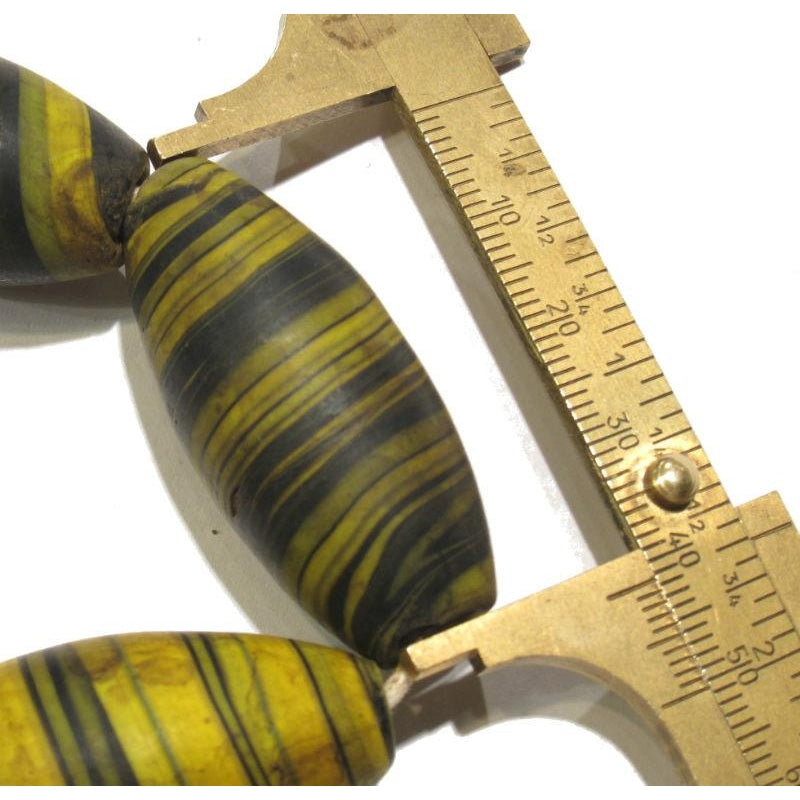
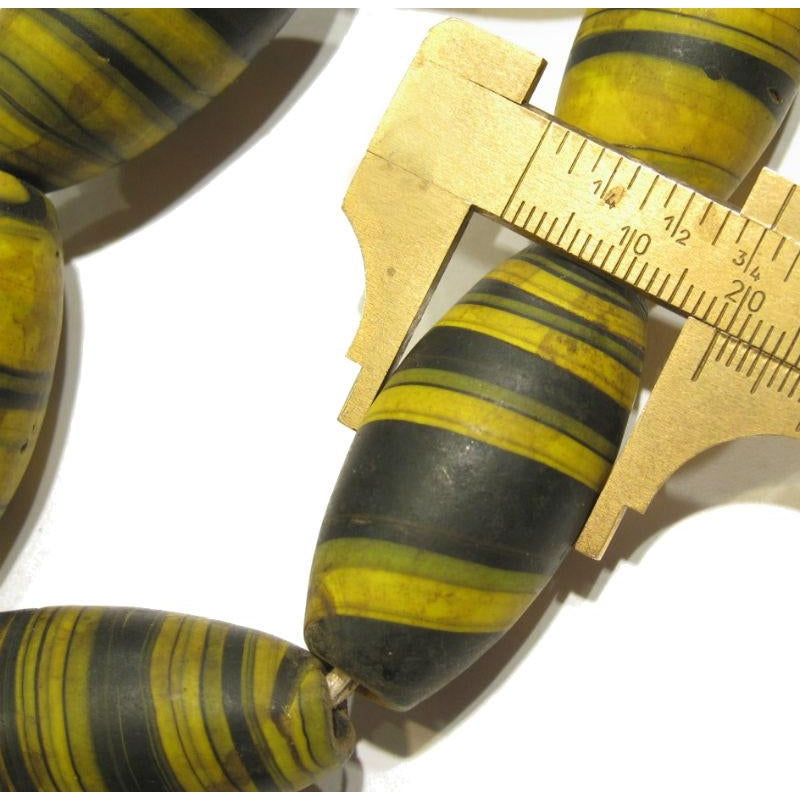
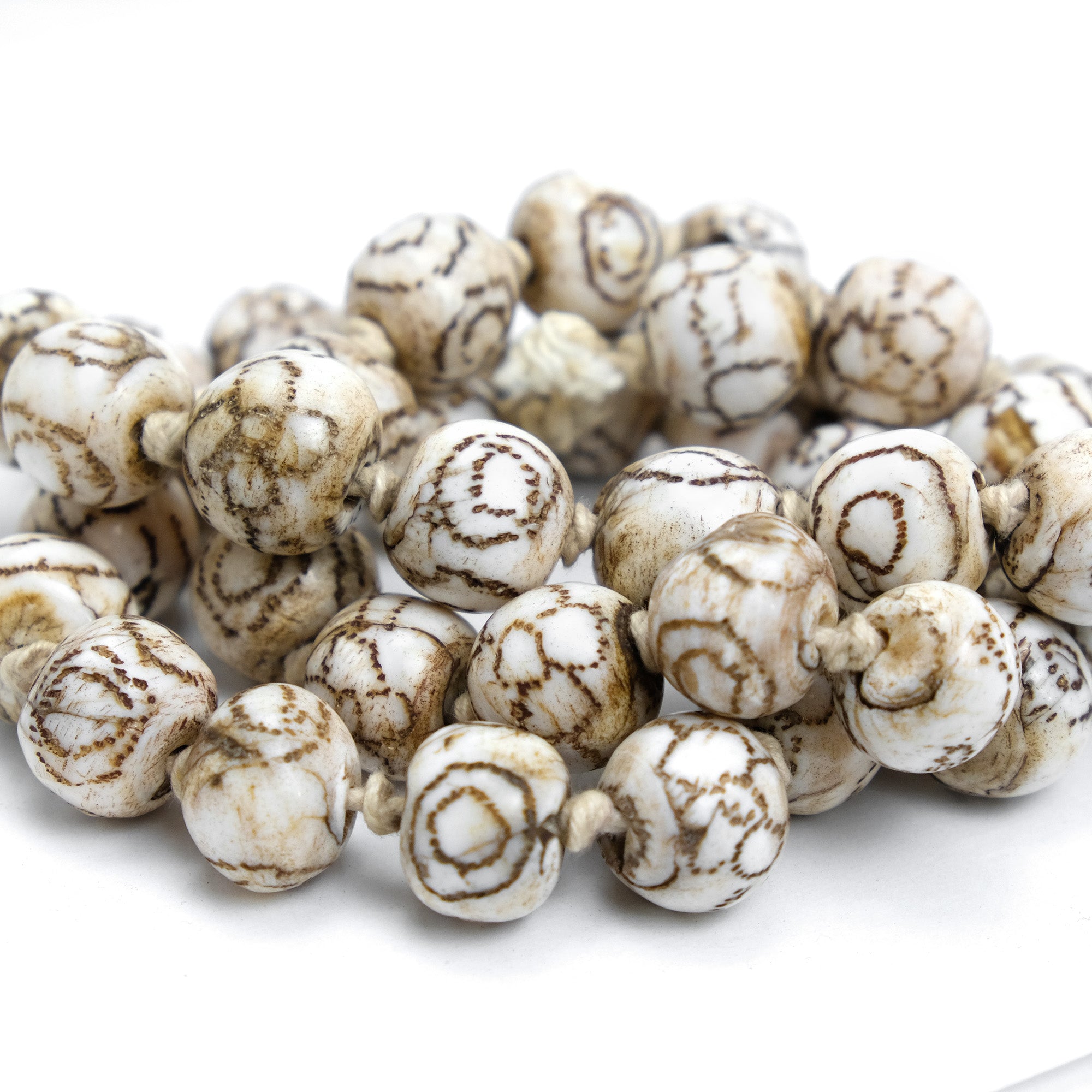
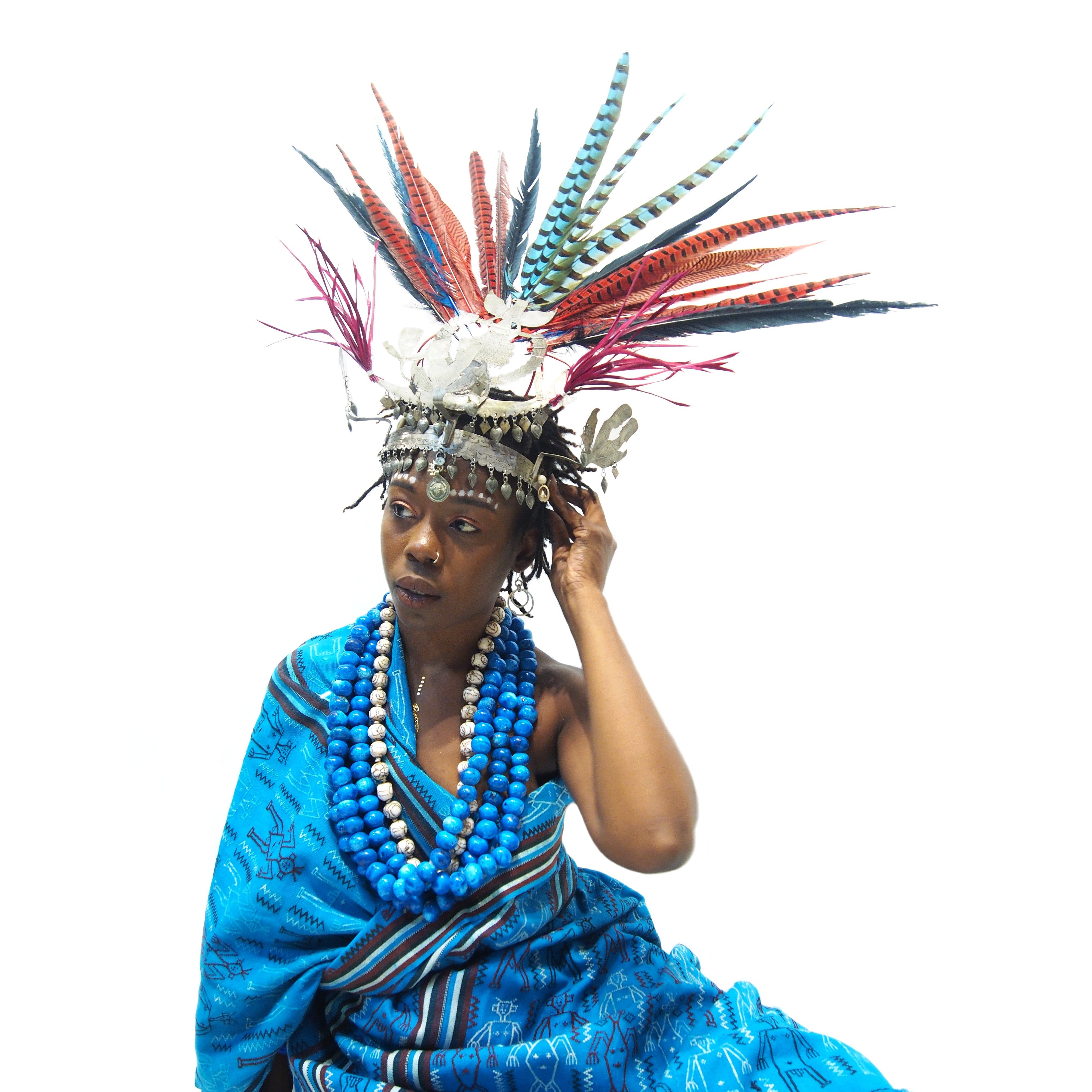
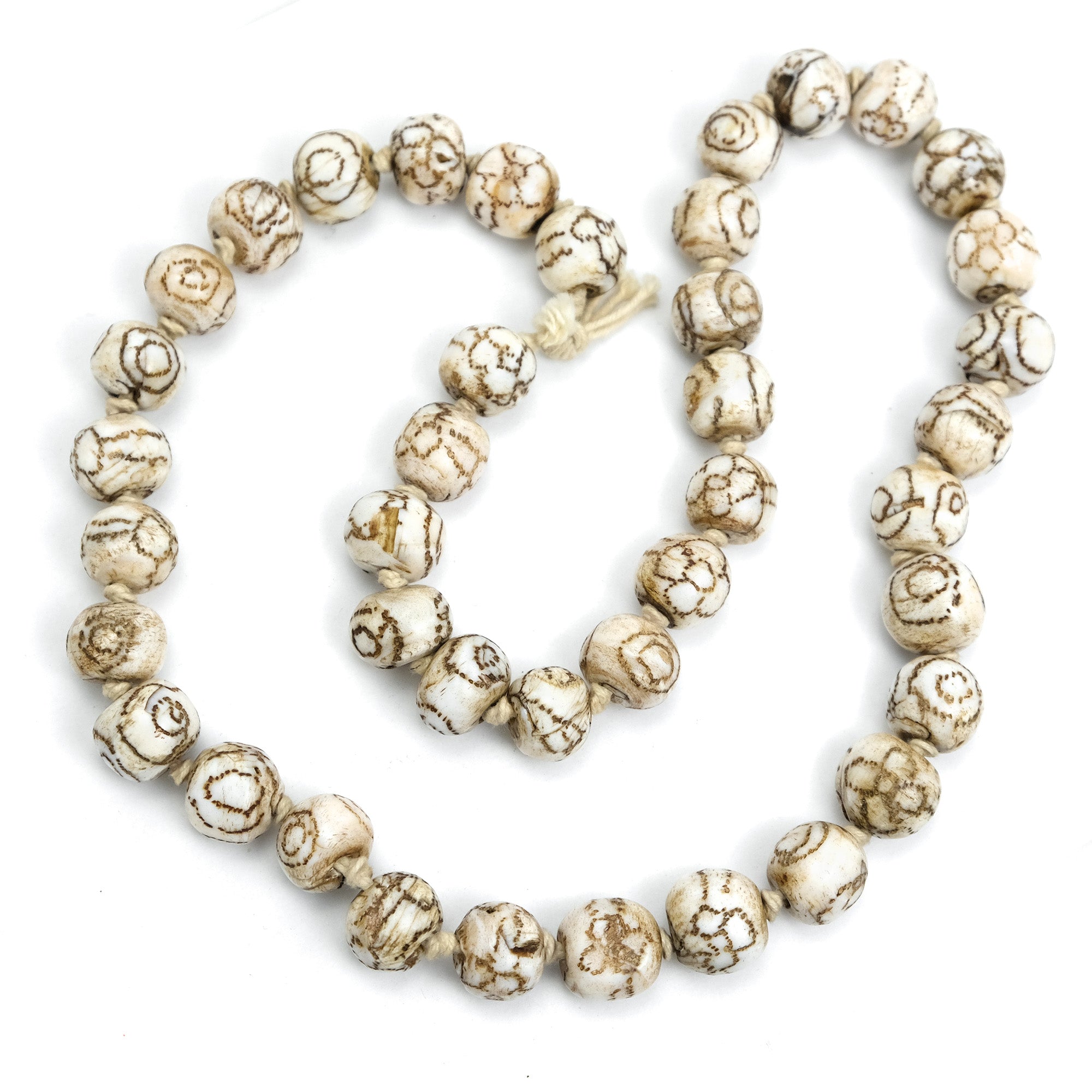
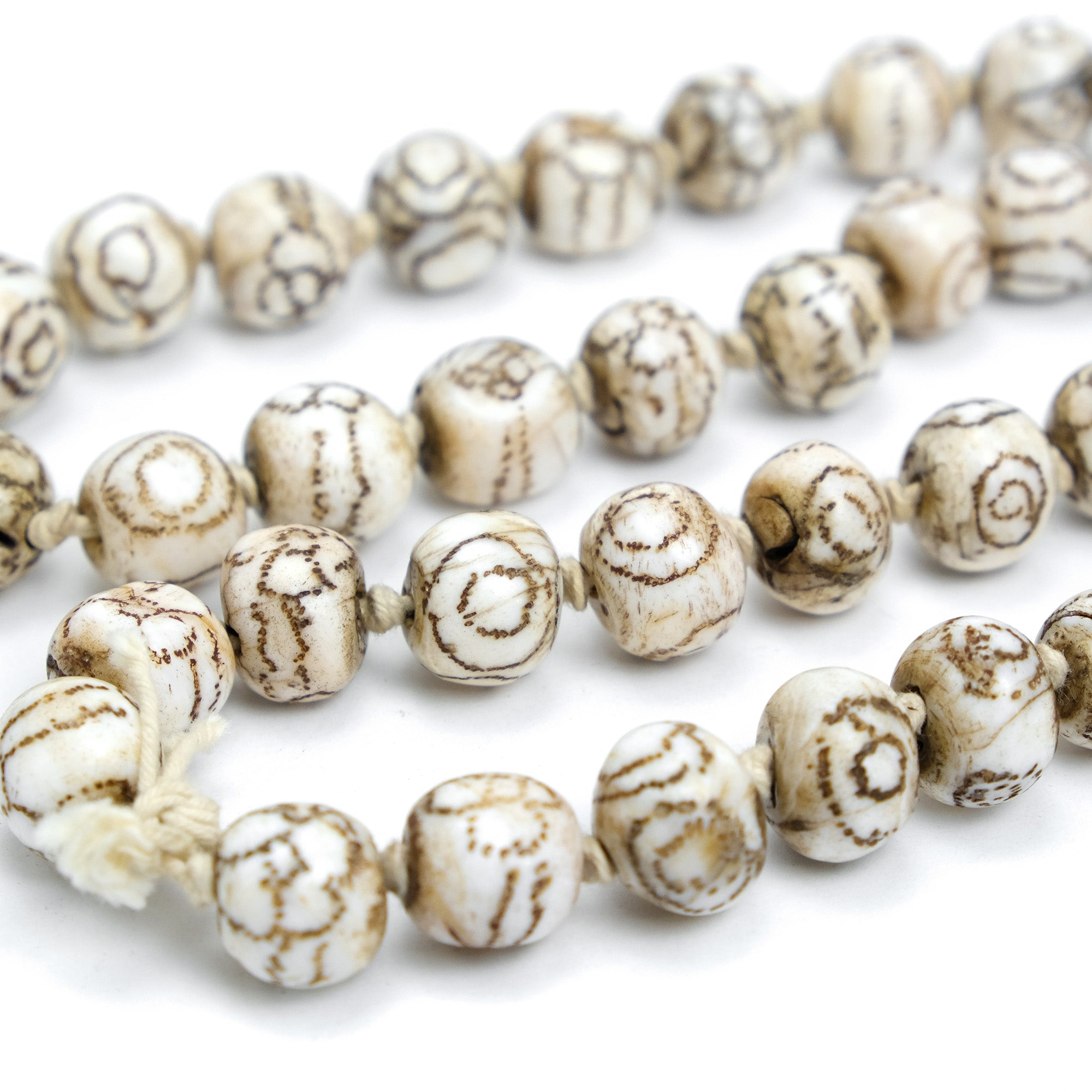
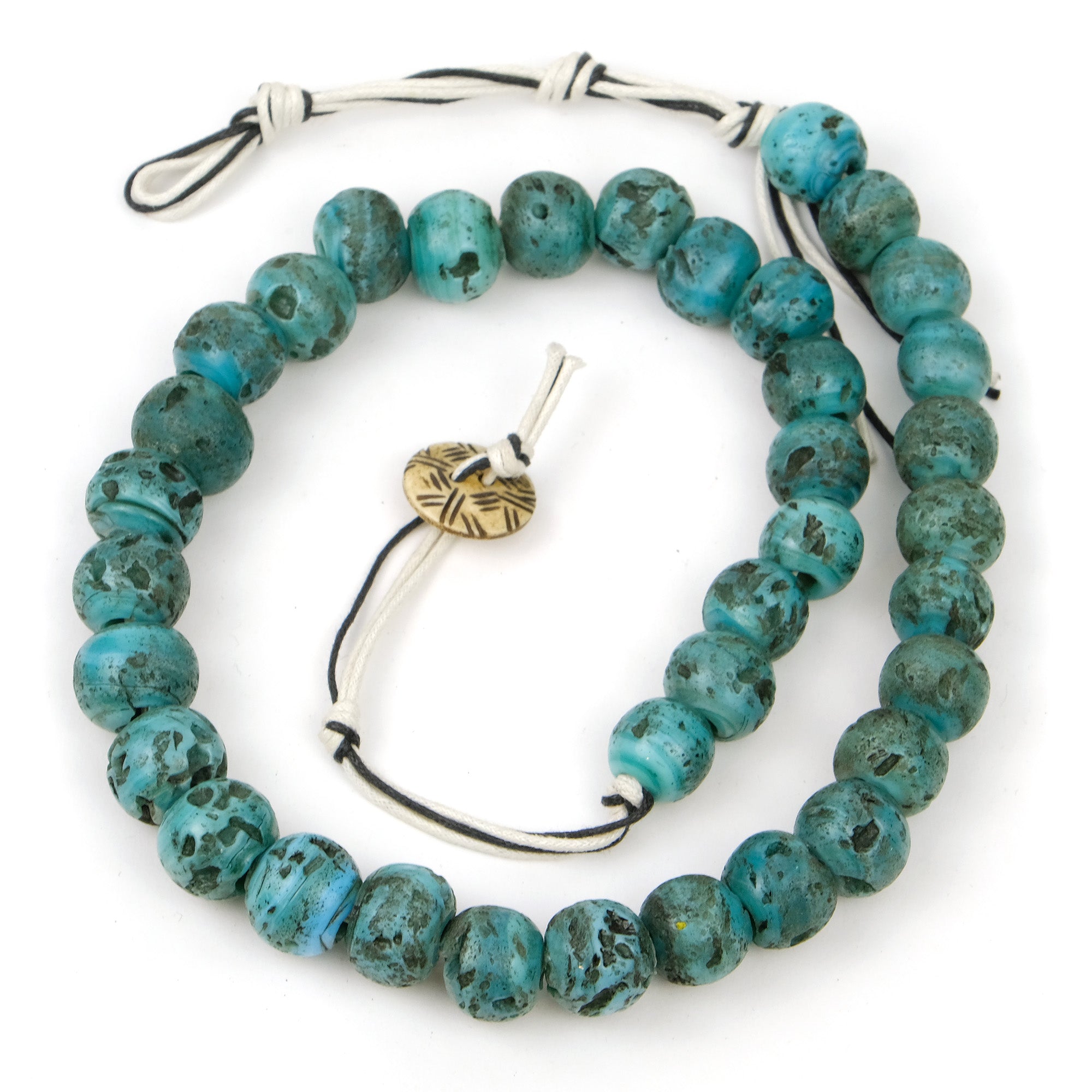
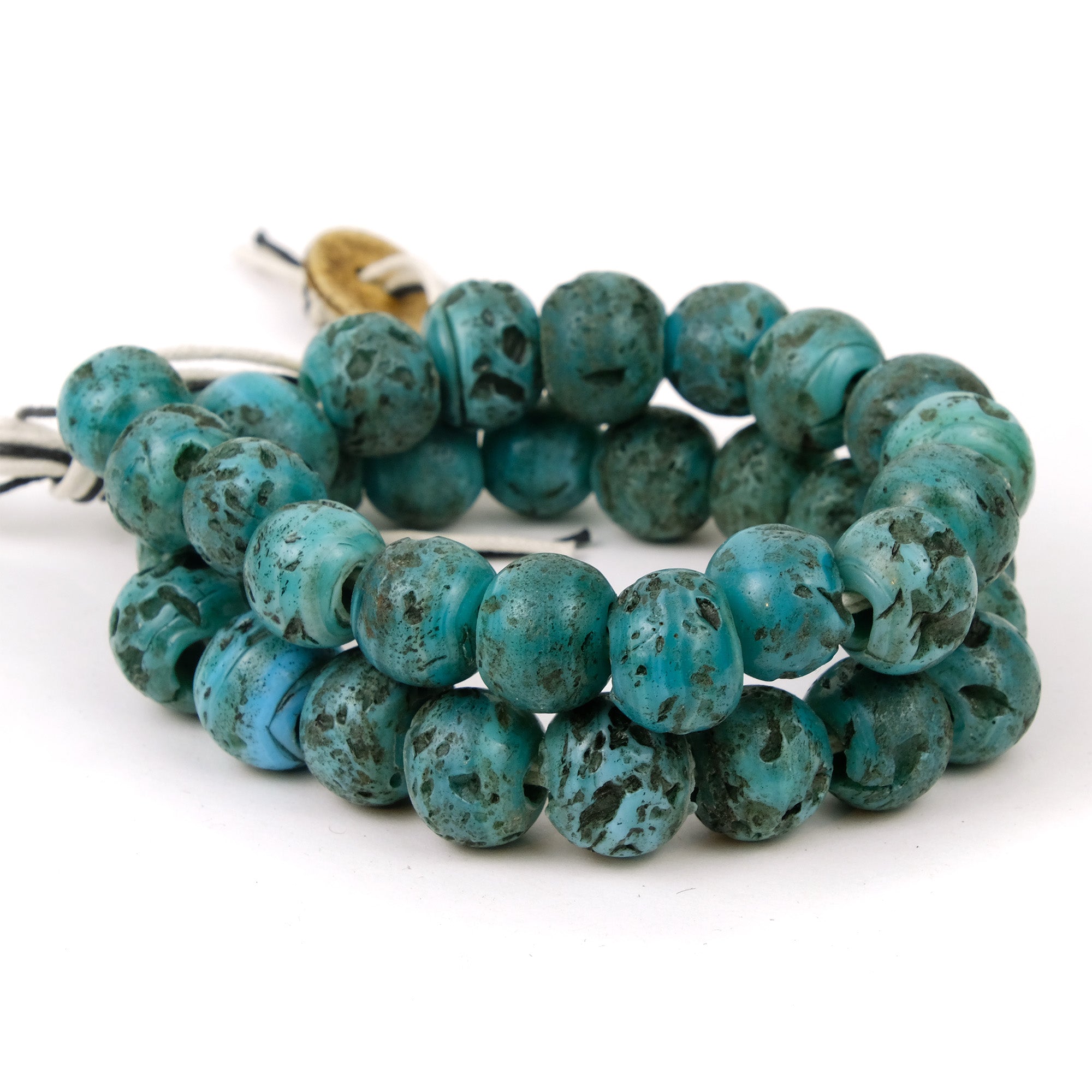
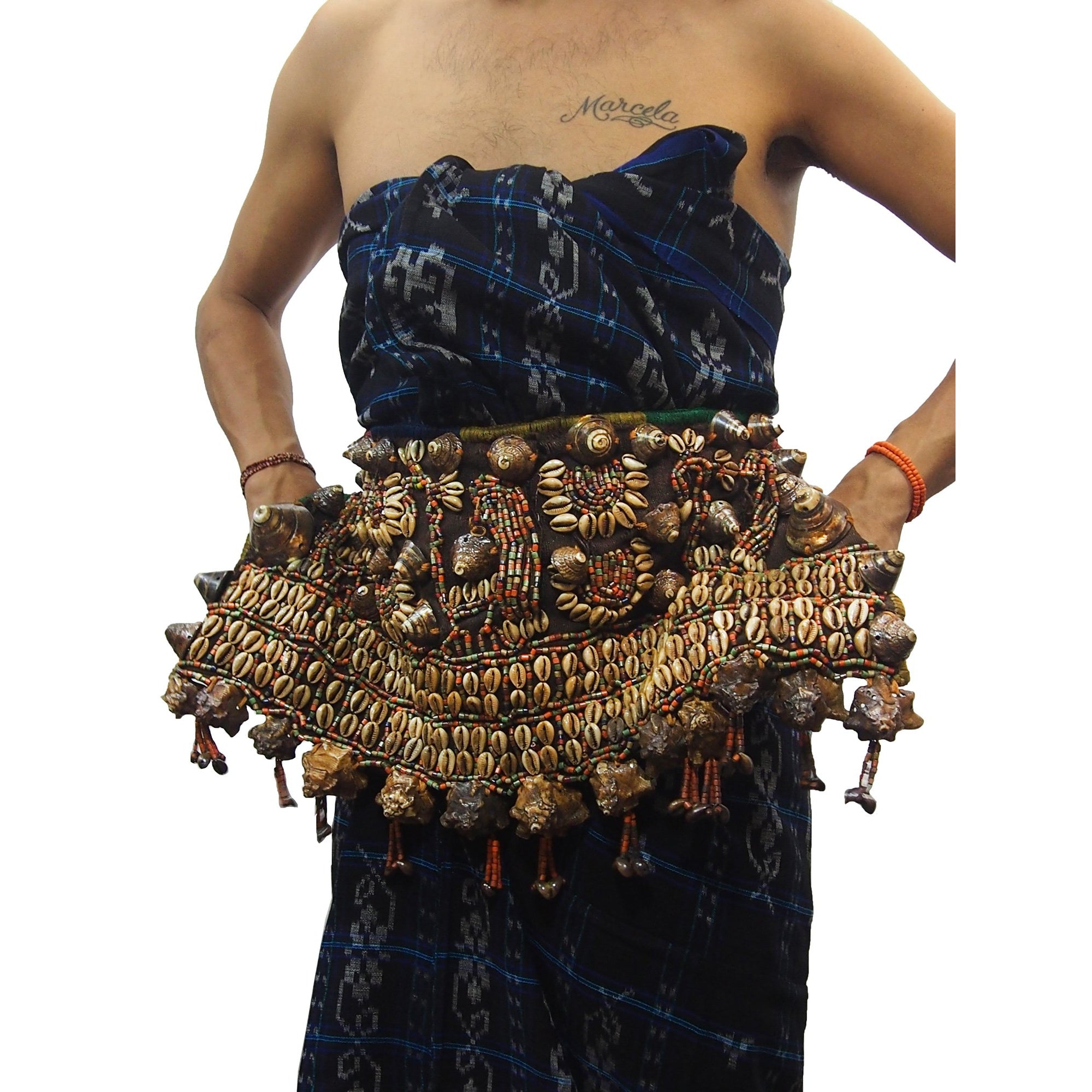
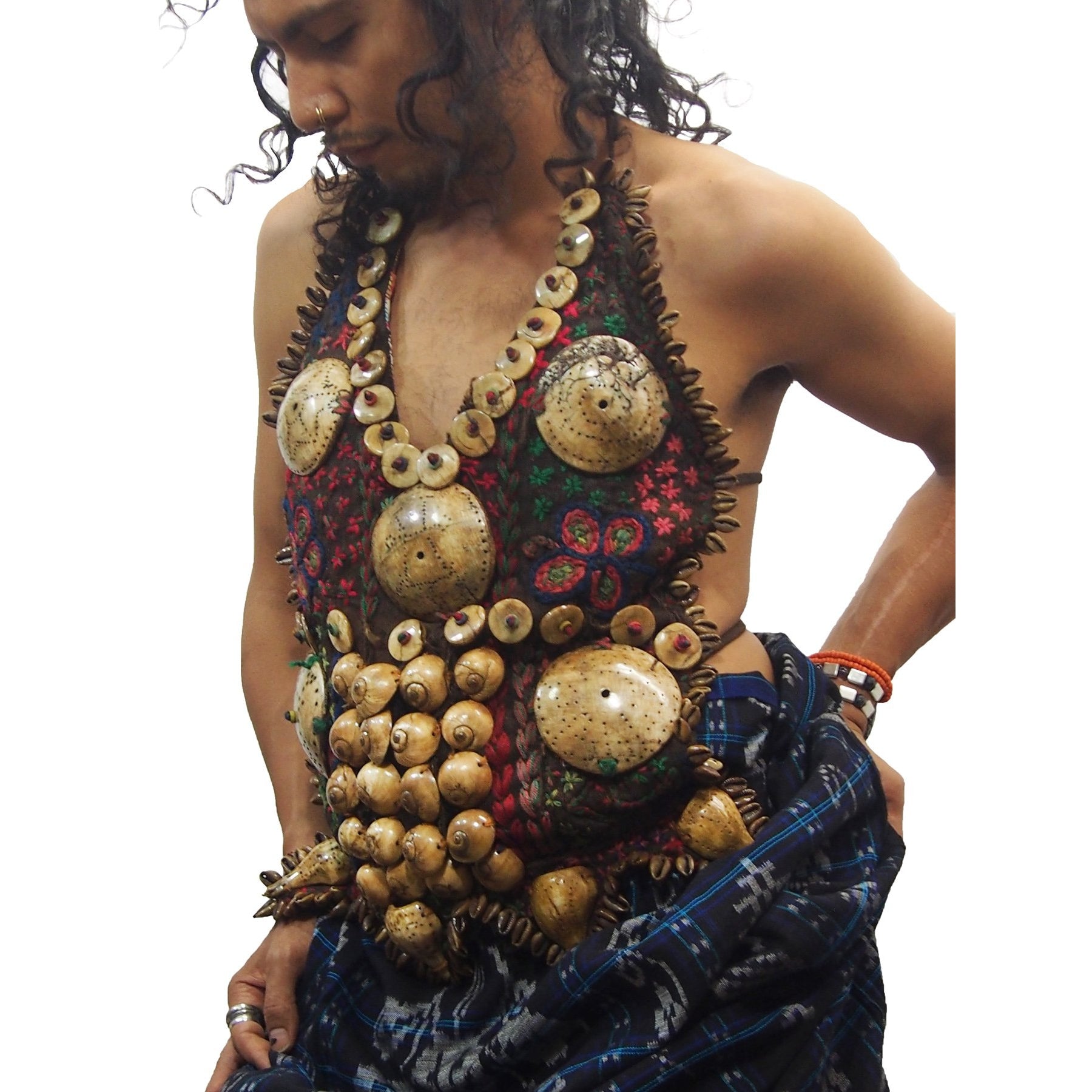
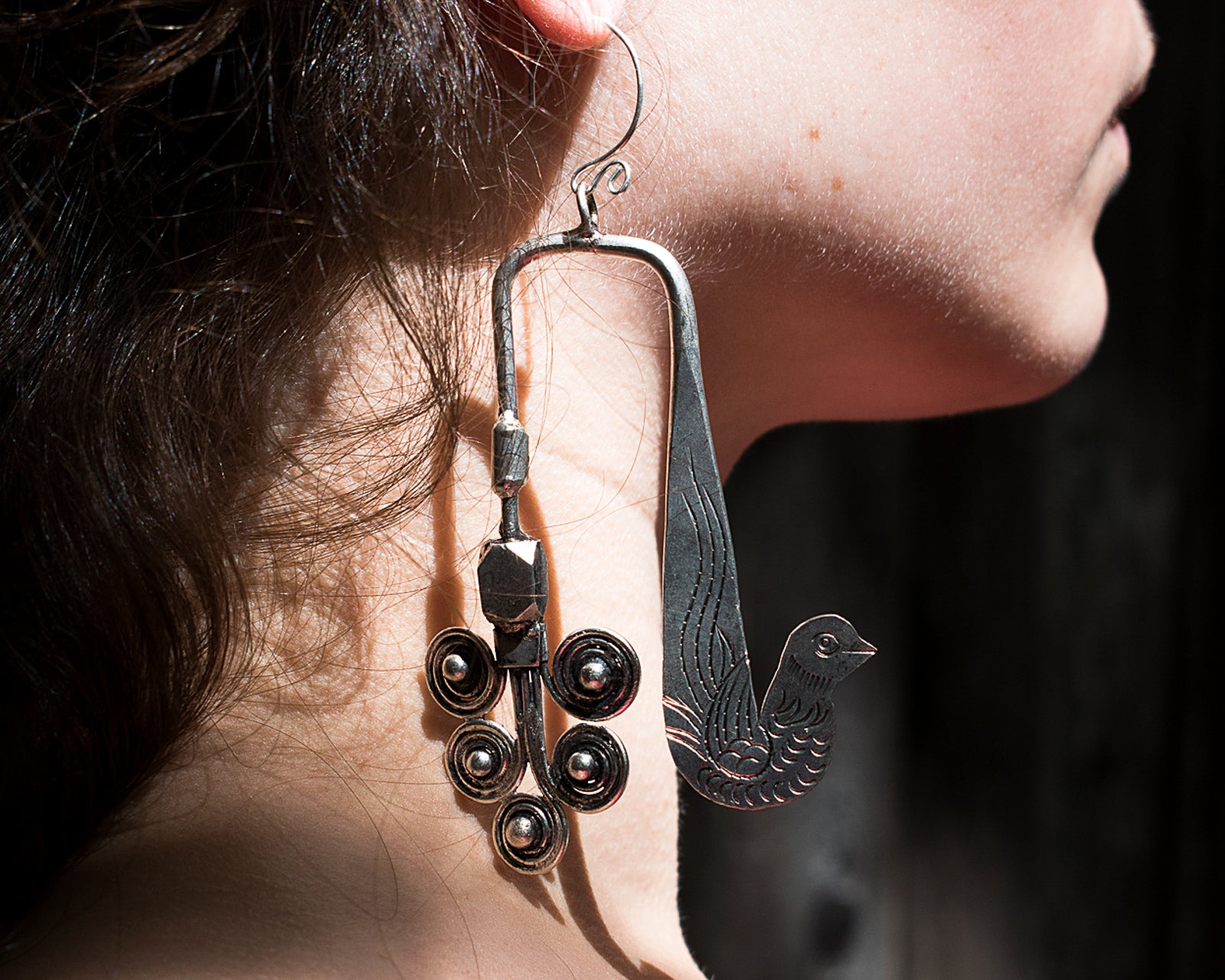
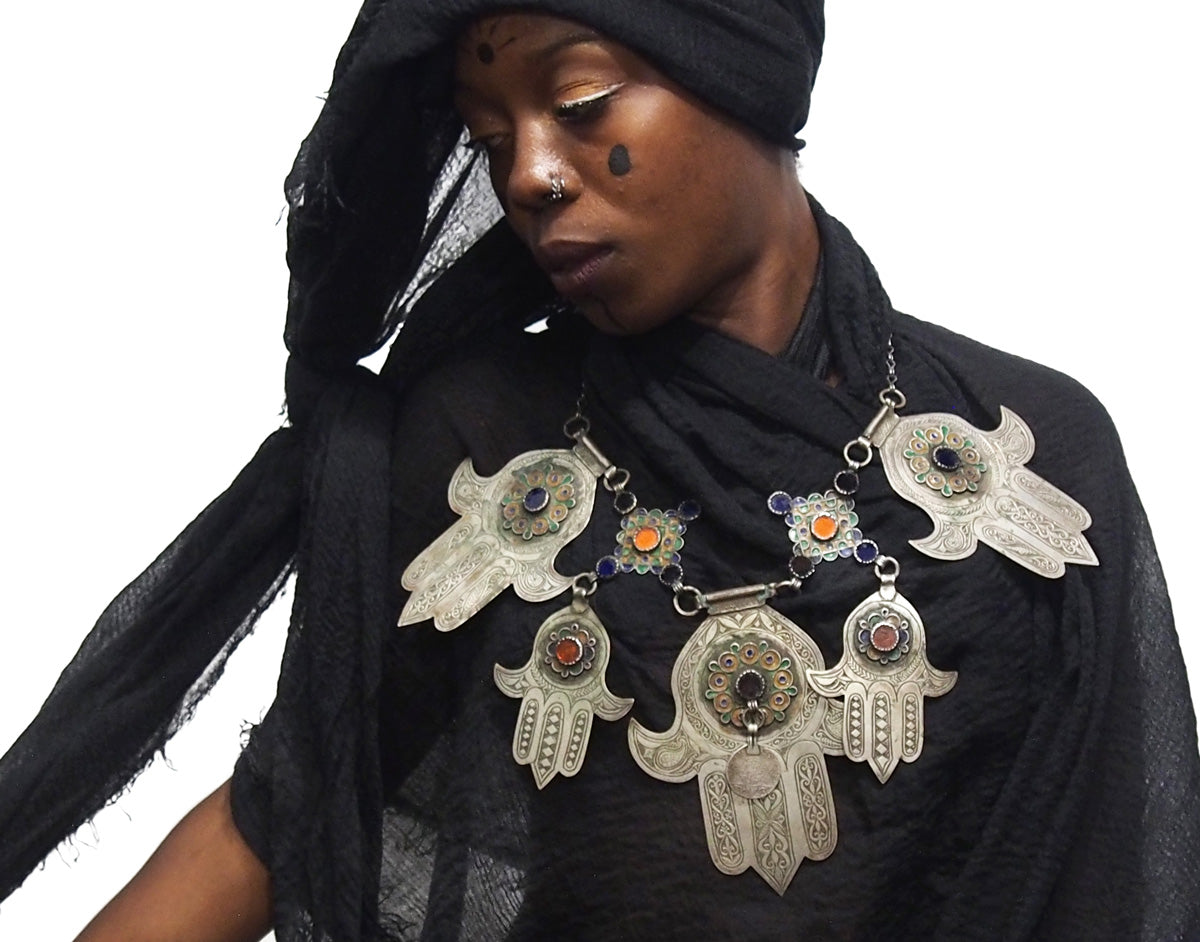
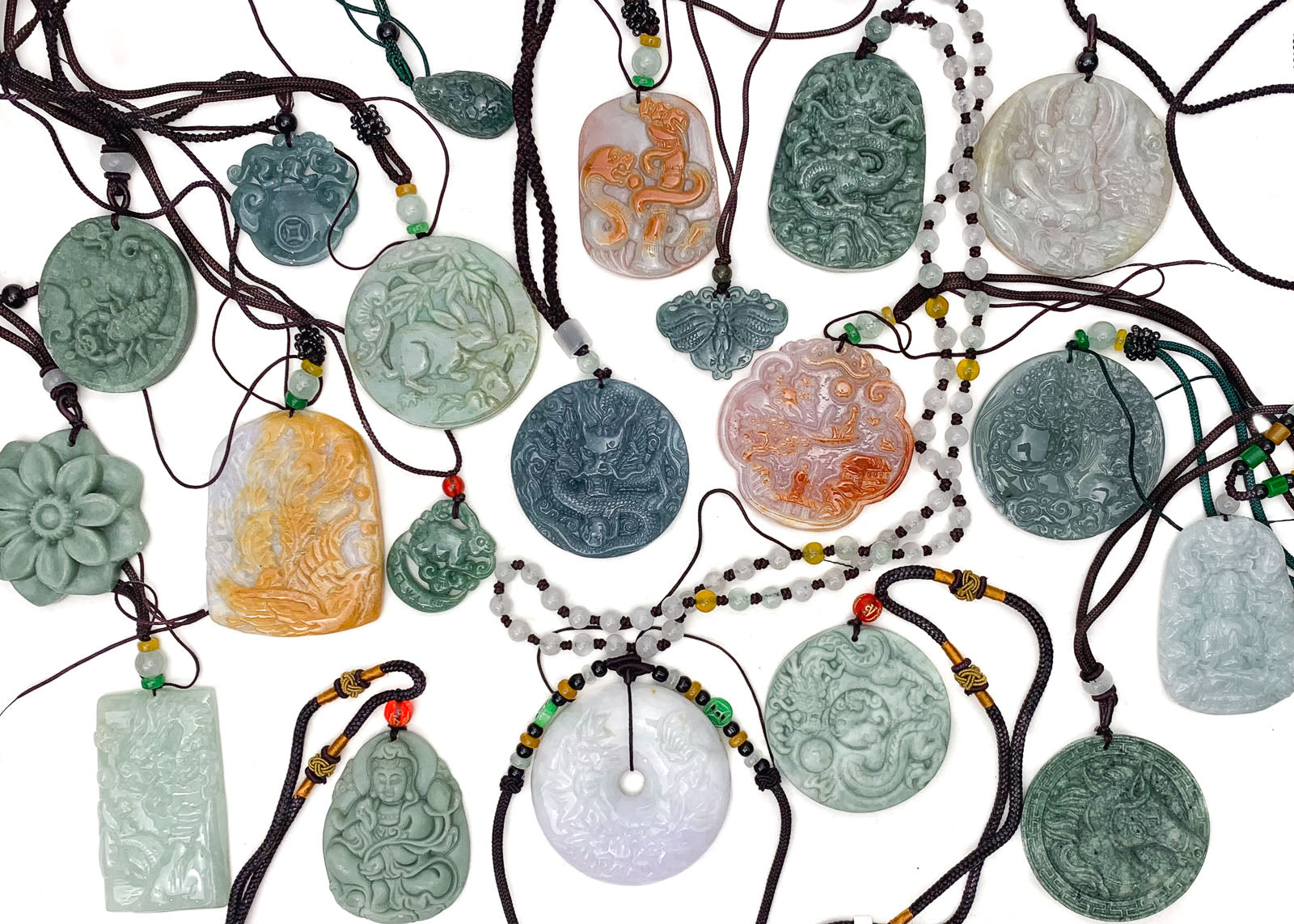
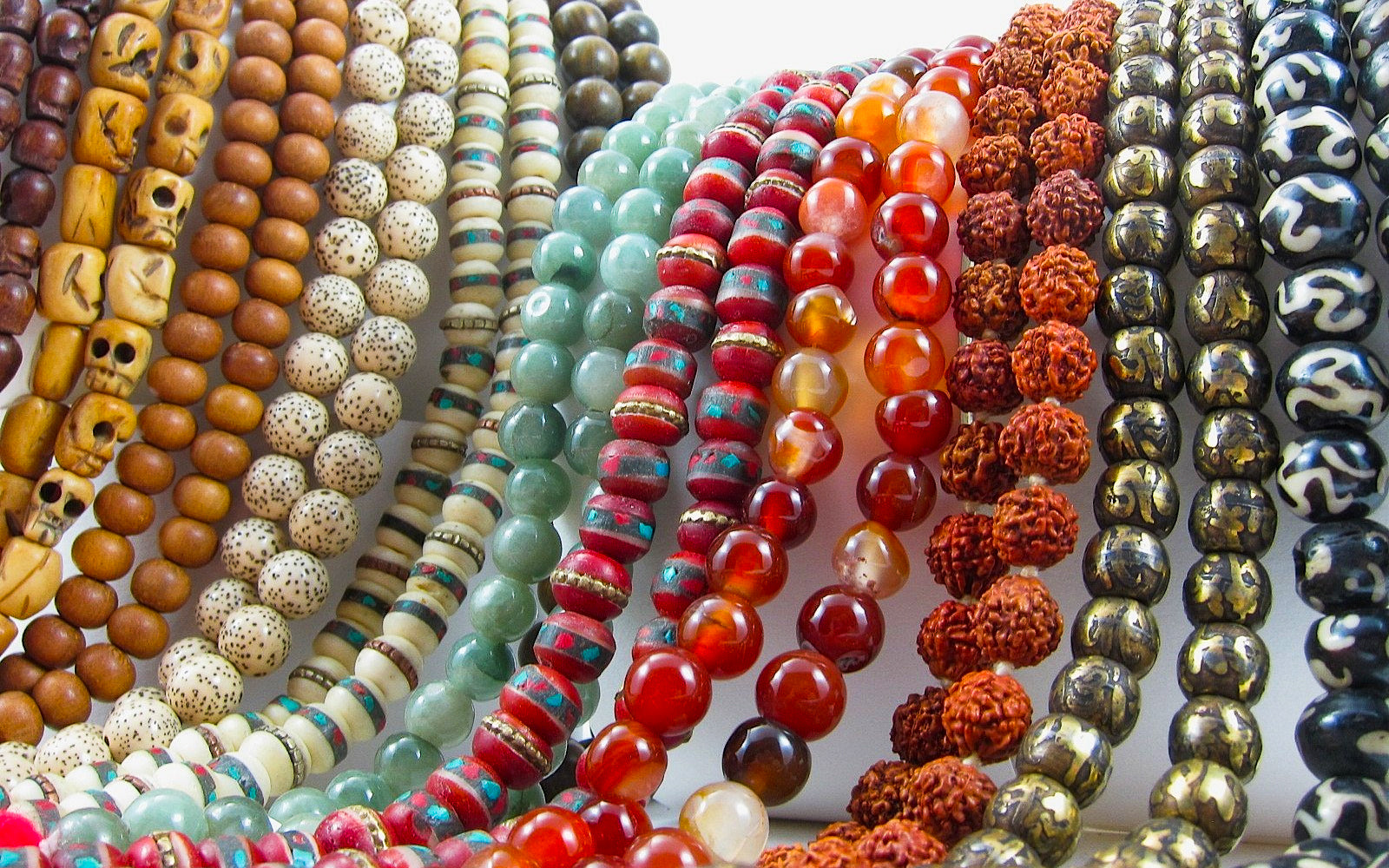
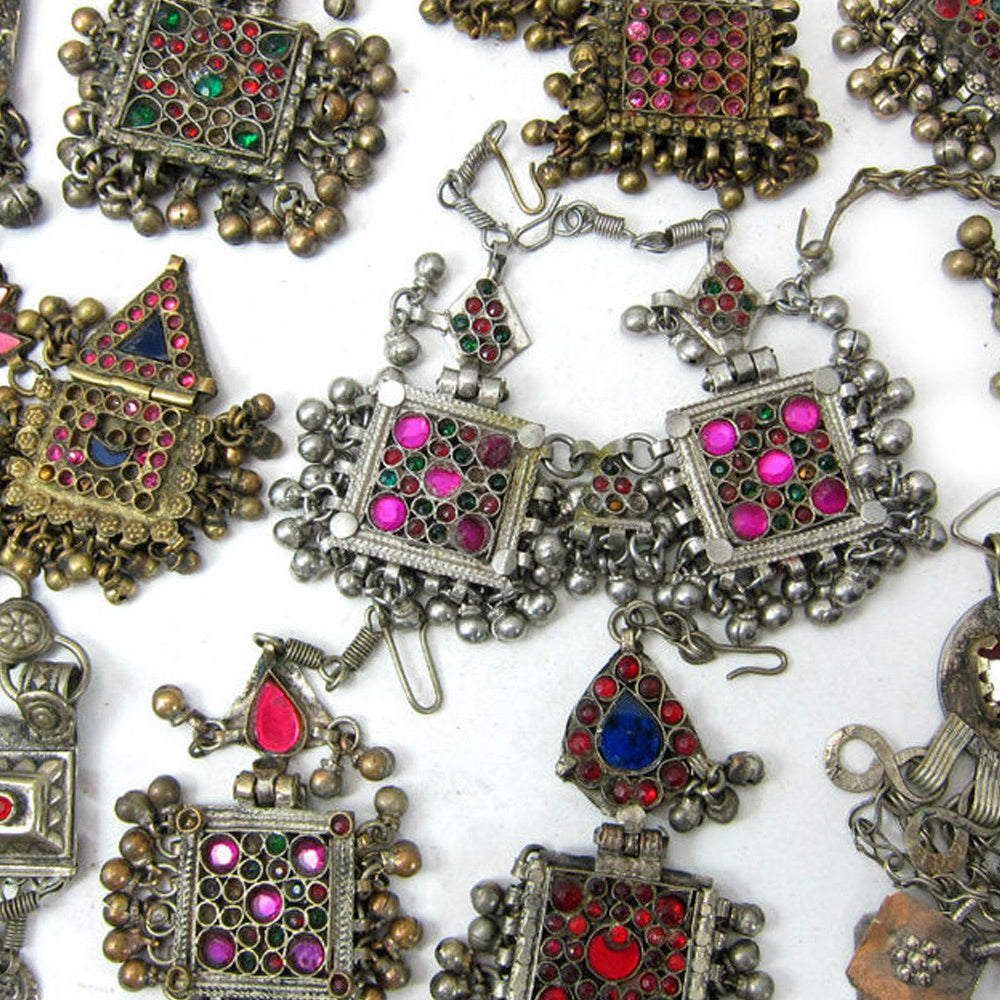
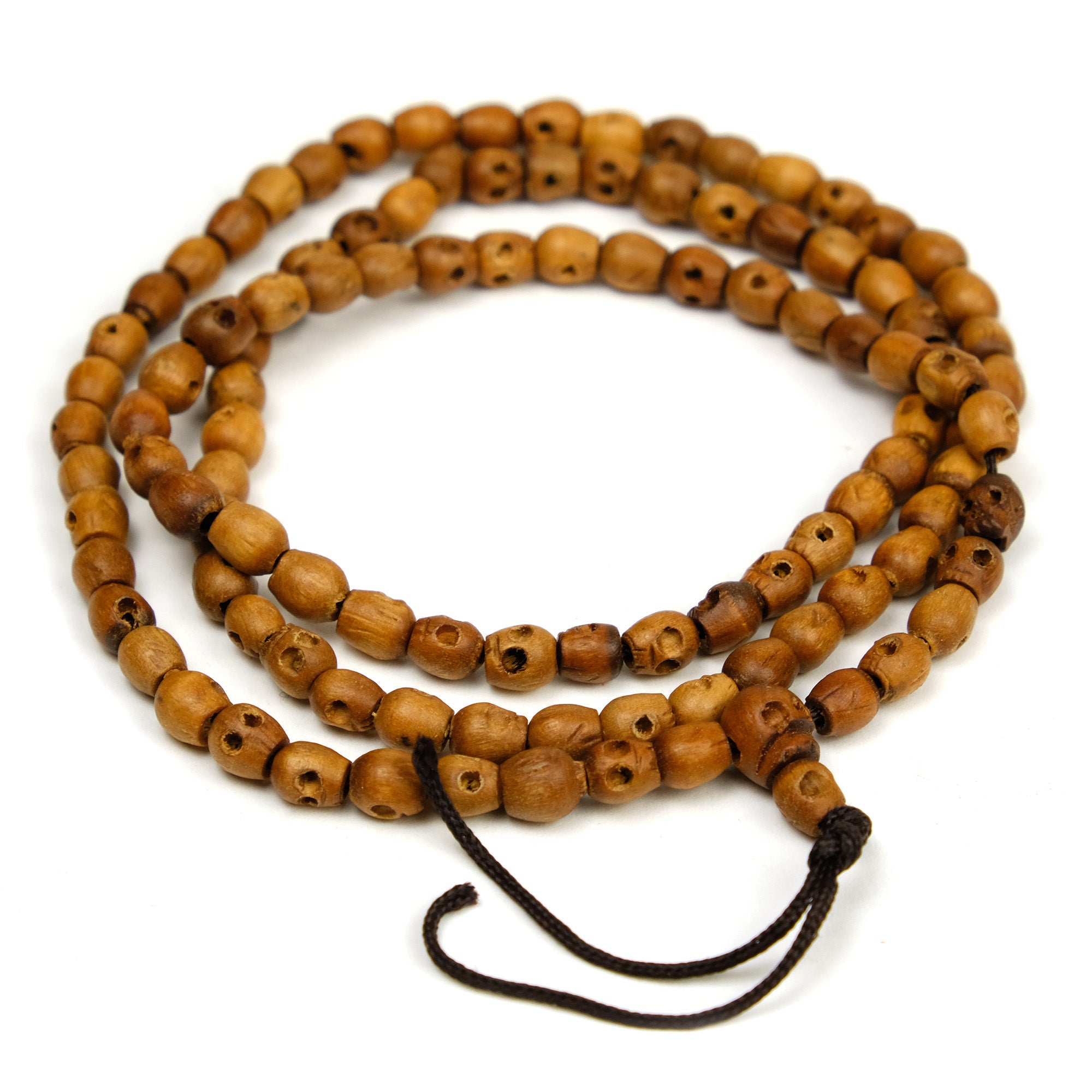
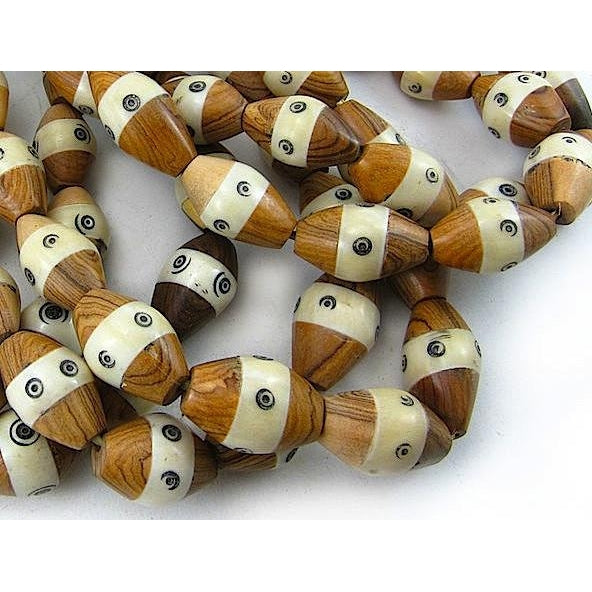
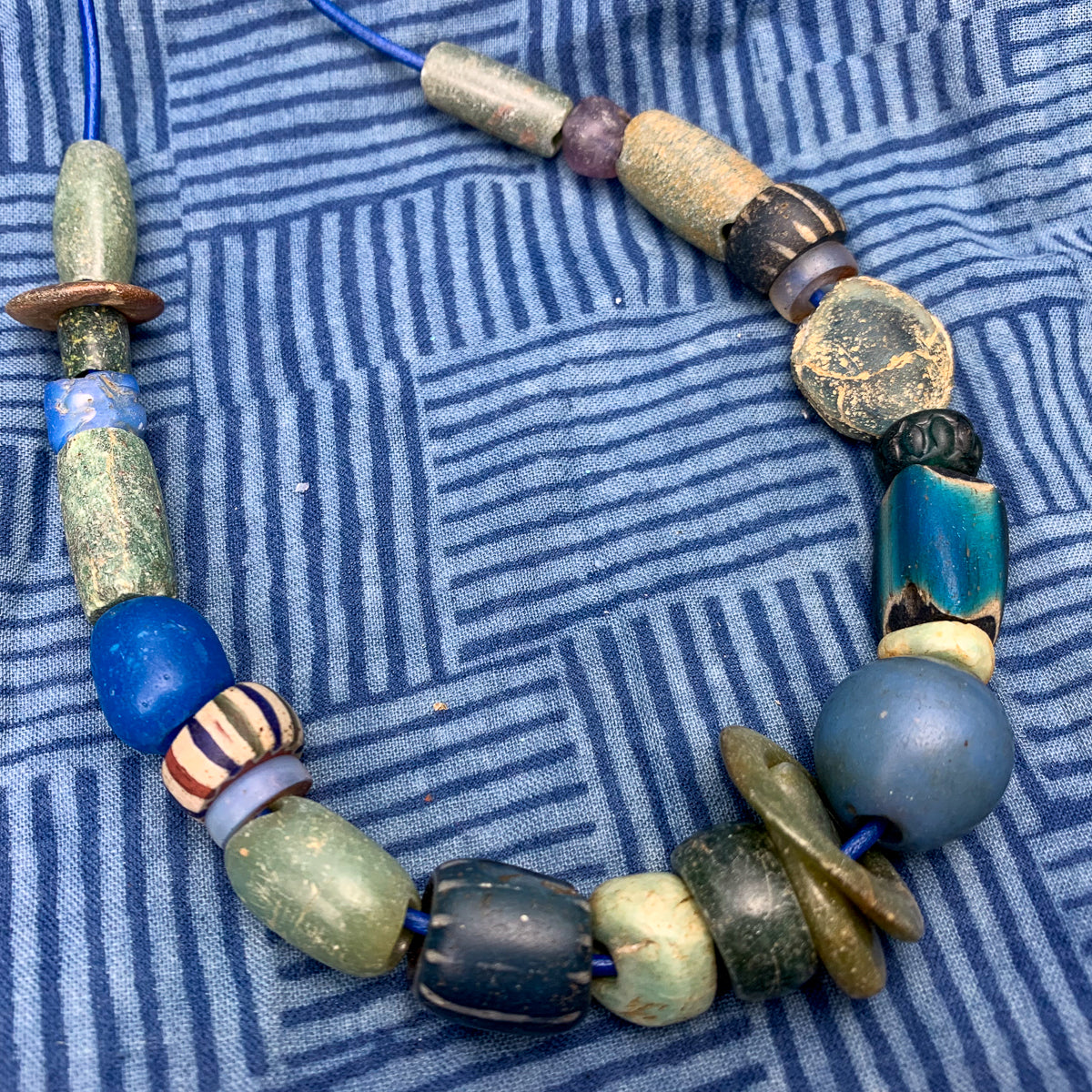
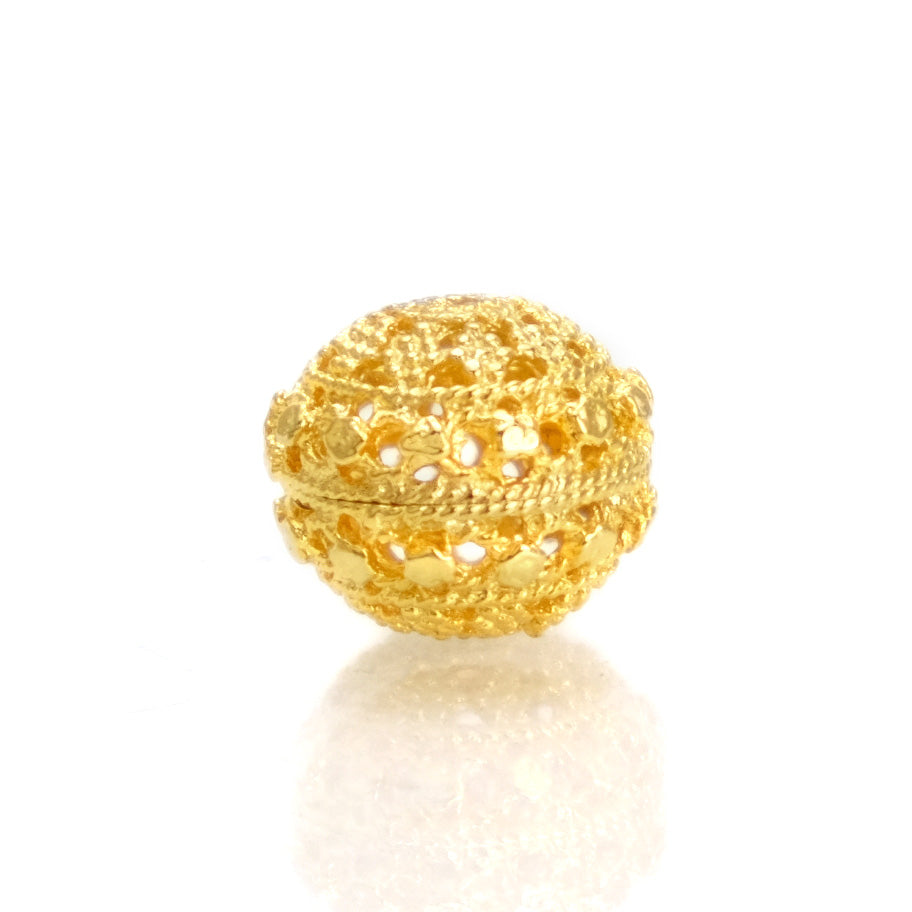
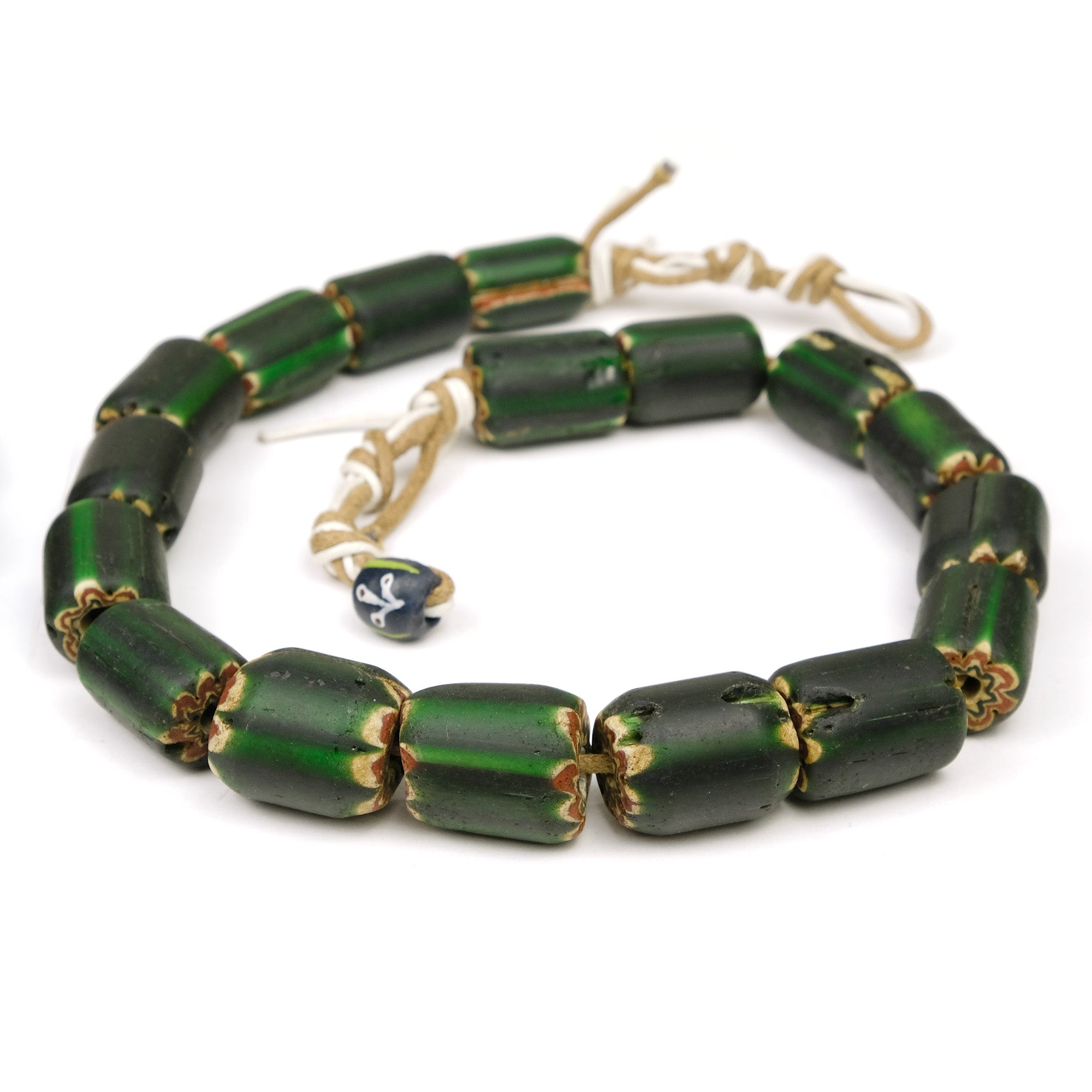
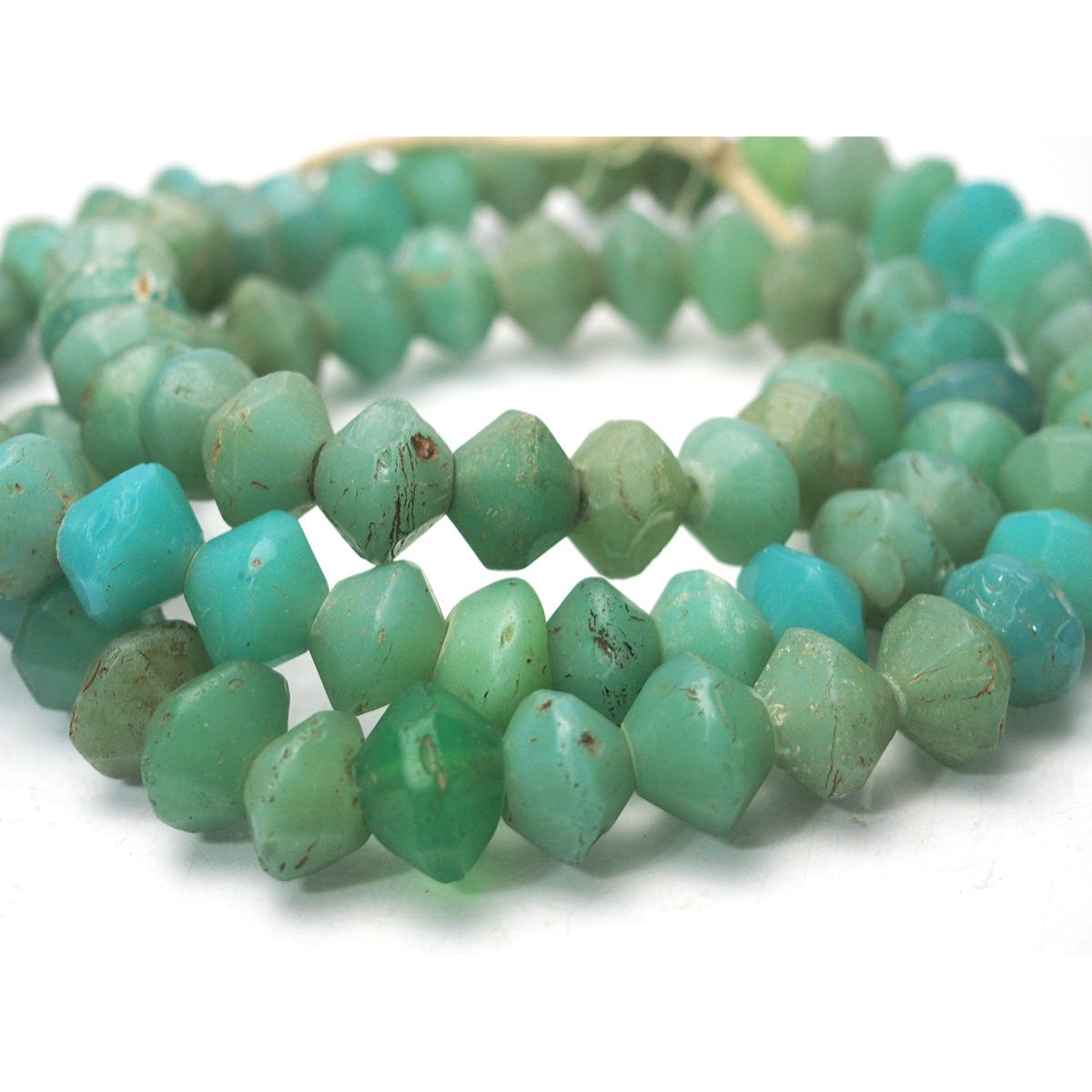
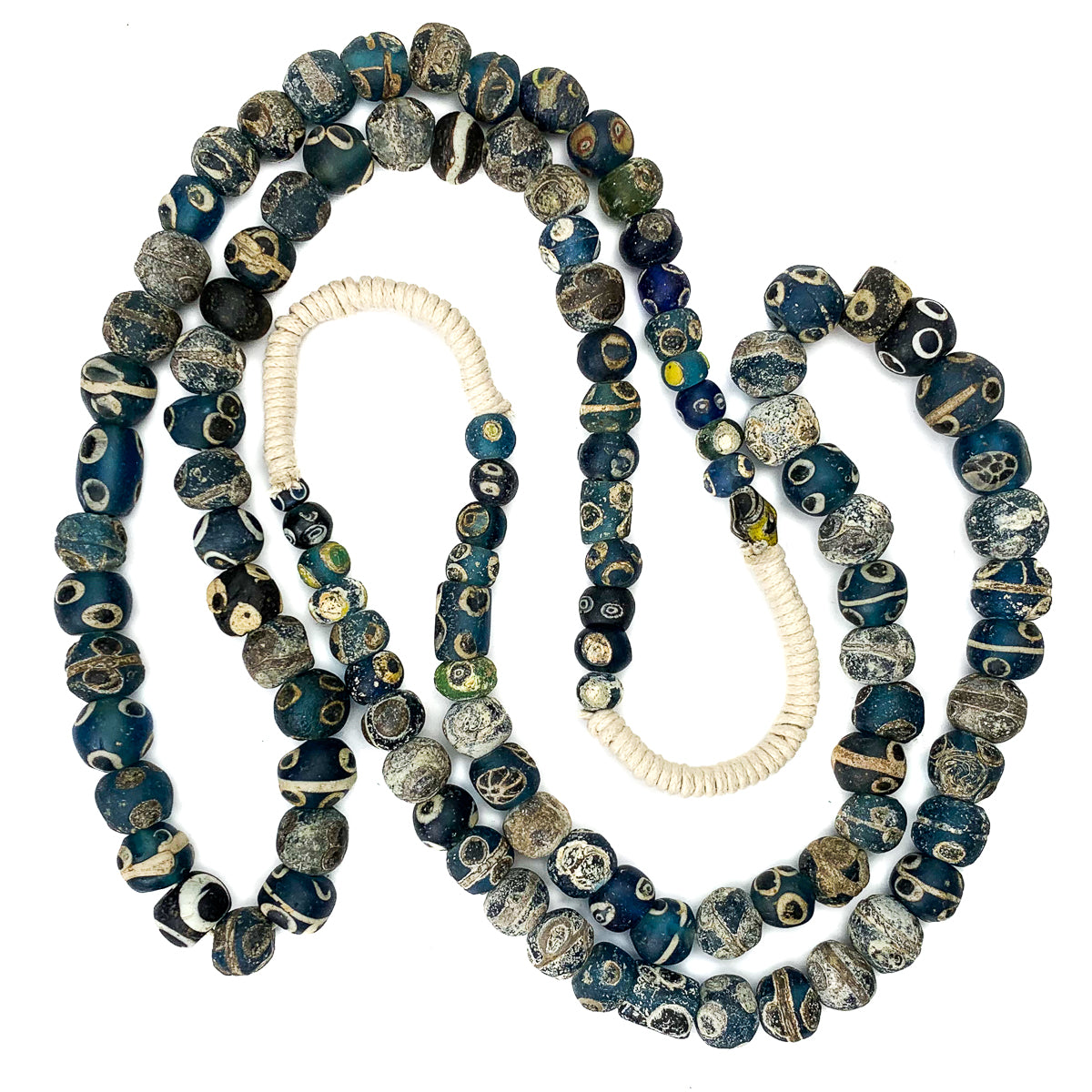
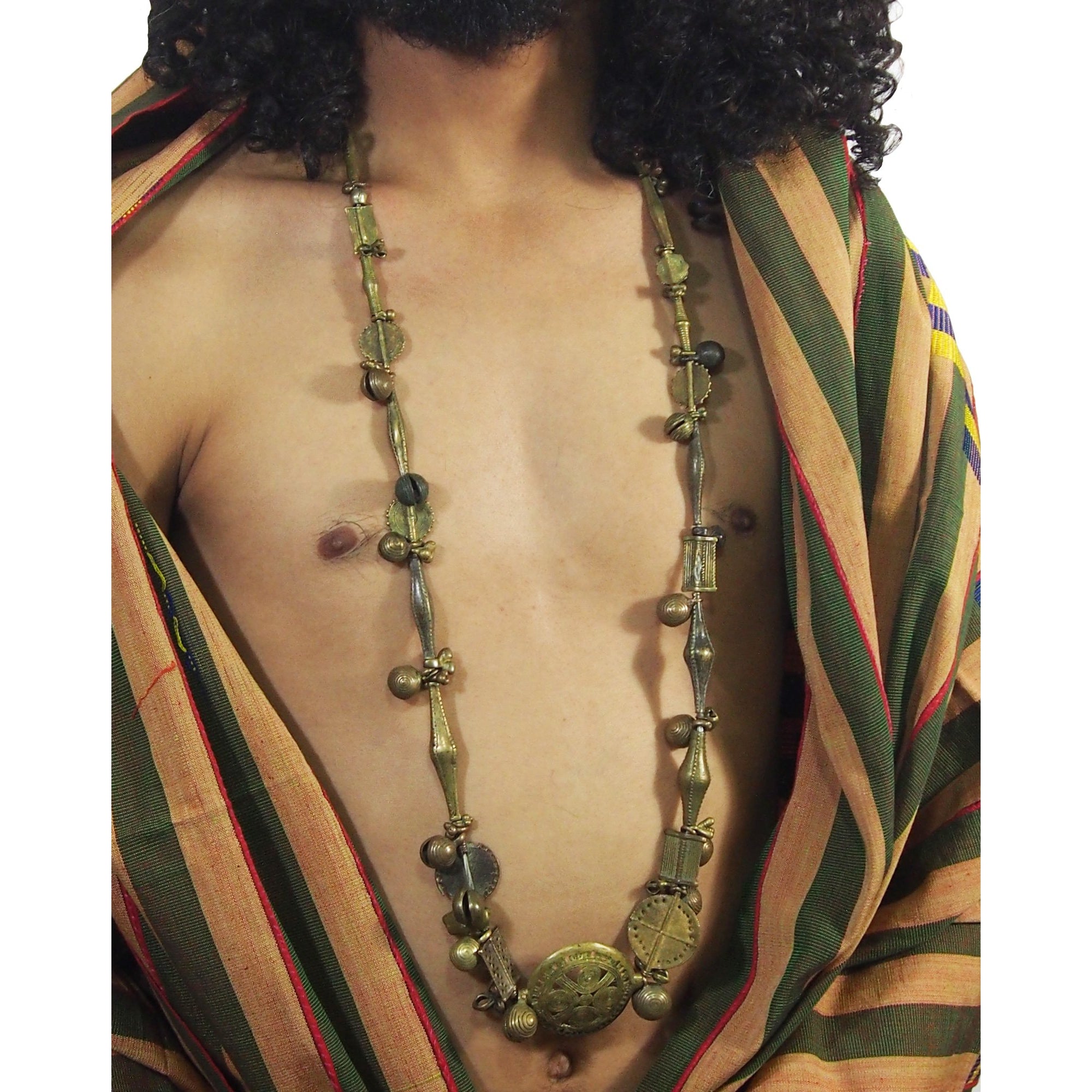
The Naga people of Northeast India and Northwest Burma are comprised of a conglomeration of different tribes, united under the “Naga” name to distinguish themselves as a unique political and cultural society within the border of other nations. Though little is known about the origins and history of the Naga people, the jewelry and beadwork for which they are known have been considered by some scholars to be the “most beautiful, elaborate ornamentations of any tribal culture”. For the Naga, their ornamentations are not mere decoration – they’re a part of the wearer’s identity and that of the tribe to which the wearer belongs.